Chiba Onsen Ryokan: Best Hot Spring Stays Near Tokyo
Key takeaways
- Chiba's onsen areas sit along the Boso Peninsula coast, roughly 1.5-2.5 hours from central Tokyo by train or car.
- Many Chiba ryokan combine hot spring baths with seafood dinners, making them popular for short weekend trips rather than deep mountain retreats.
- Tattoo and bathing-suit policies vary by ryokan, so always check the facility's own website or call ahead before booking.
Chiba Onsen Ryokan: What First-Time Visitors Should Know
Chiba Prefecture offers a practical onsen getaway for travelers based in Tokyo, with hot spring ryokan scattered along the Boso Peninsula coast roughly 1.5 to 2.5 hours away by train or car. Unlike the mountain onsen towns of Hakone or Nikko, Chiba's hot spring areas are mostly coastal, meaning ocean views, seafood-heavy dinners, and a more relaxed, low-key atmosphere.
This guide covers where Chiba's onsen areas are, how to get there without reading Japanese, what to expect at a typical ryokan, and common mistakes first-time visitors make.
Where Chiba's Onsen Areas Are Located
Chiba's hot spring ryokan are not concentrated in one famous town the way Hakone or Kusatsu are. Instead, they're spread across several areas on the Boso Peninsula, mostly along the Pacific coast and the Tokyo Bay side. Well-known areas include Kamogawa (鴨川), known for its ocean-facing ryokan and seafood, and the broader Minamiboso (南房総) region toward the southern tip of the peninsula. There are also onsen facilities closer to Tokyo Bay in areas like Kimitsu, convenient for visitors combining an onsen stop with other Boso Peninsula sightseeing.
Because these areas are spread out, it helps to pick one town or coastal stretch and base yourself there rather than trying to see multiple onsen areas in a single short trip.
How to Get to Chiba Onsen Areas from Tokyo
By train: JR lines connect Tokyo Station and other central Tokyo stations to the Boso Peninsula. Limited express and rapid services run from Tokyo toward Kamogawa and other coastal towns, with journey times generally in the range of 1.5 to 2.5 hours depending on the exact destination and train type. Check current routes and schedules on the JR East website, since services and timetables can change.
By car: Driving via the Tokyo Bay Aqua-Line is a popular option, especially for travelers heading to the Minamiboso area, and can cut travel time compared to going entirely by train. Renting a car in Tokyo and driving is worth considering if your ryokan is not within easy walking distance of a station, which is common in Chiba's more rural coastal areas.
A common mistake: assuming all Chiba onsen ryokan are near a train station. Many coastal properties are a taxi ride or short drive from the nearest station, and some offer limited shuttle service. Always confirm transport details directly with your ryokan before booking, especially if you're not renting a car.
What a Stay at a Chiba Onsen Ryokan Is Like
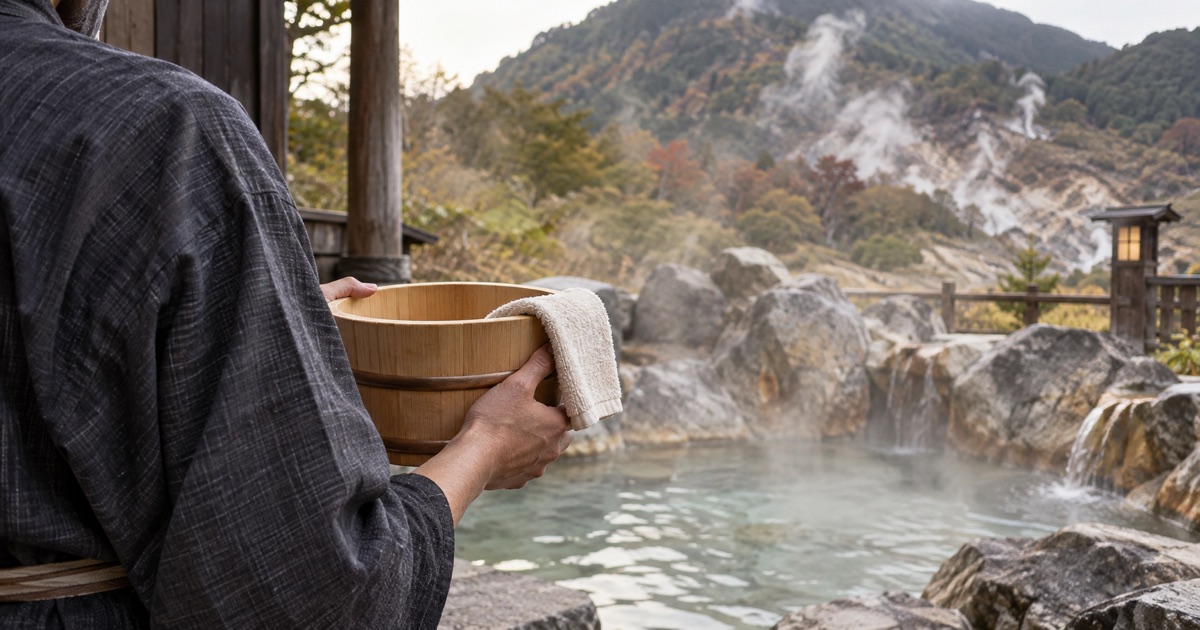
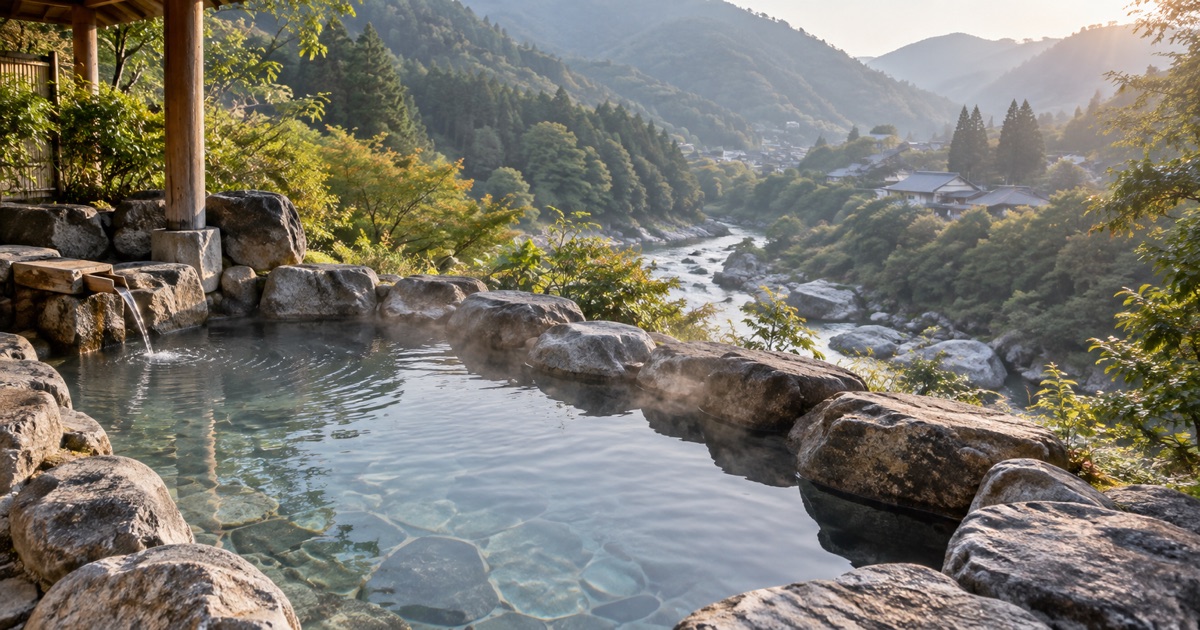
A typical ryokan stay in Chiba follows the standard Japanese ryokan pattern: check-in in the afternoon, a chance to bathe before dinner, a multi-course evening meal often featuring local seafood (Chiba's coast is known for fish, shellfish, and seaweed), another bath in the evening or morning, and breakfast before checkout. Many properties have both indoor and outdoor baths (rotenburo), with some offering ocean-view bathing, which is a particular draw of this region compared to inland onsen towns.
Rooms are often traditional tatami-style, though some newer or renovated ryokan offer Western-style beds. If you have a preference, check the room types listed on the ryokan's own website or booking page before reserving, since not all rooms suit all travelers equally.
What to Bring and What to Expect
- A small towel and a bath towel. Many ryokan provide both, but budget day-use facilities sometimes charge extra or expect you to bring your own, so check in advance.
- Comfortable, easy-to-remove shoes. You'll be taking shoes off frequently, both at the ryokan entrance and sometimes at bath areas.
- Cash. While many ryokan now accept cards, smaller facilities and local shops in coastal towns may be cash-only.
- An open mind about communal bathing. Traditional onsen baths are typically gender-separated and used nude; swimwear is generally not worn in the bath itself, though some newer facilities with mixed or family baths may differ. If this is unfamiliar, read up on basic onsen etiquette before your trip.
Tattoos and Onsen Access in Chiba
Policies on visible tattoos vary significantly from one ryokan to another. Some properties still restrict guests with tattoos from using communal baths, following a long-standing (though gradually changing) convention in Japan, while others are tattoo-friendly or offer private baths as an alternative. There is no single rule across Chiba, so if you or someone in your group has a visible tattoo, check the specific ryokan's website or contact them directly before booking rather than assuming either way.
Private baths (kashikiri-buro), where available, are a reliable workaround since they're reserved for one group at a time regardless of tattoo policy.
Day-Use Onsen Options in Chiba
If an overnight stay doesn't fit your schedule, some Chiba ryokan and dedicated bathing facilities offer day-use onsen (higaeri onsen), letting you bathe for a few hours without staying the night. This is a good option for travelers combining an onsen visit with sightseeing elsewhere on the Boso Peninsula, such as coastal drives or local seafood lunches. Day-use availability, pricing, and hours vary by facility and can change seasonally, so confirm directly on the ryokan's own website before heading out.
Planning Your Trip
Because Chiba's onsen areas are spread along a long coastline rather than clustered in one walkable town, some advance planning helps:
- Decide on one general area (Kamogawa, Minamiboso, or closer to Tokyo Bay) based on how far you're willing to travel and what else you want to see nearby.
- Check train times and the last return service if you're doing a day trip, since rural coastal lines can have limited frequency, especially in the evening.
- Book your ryokan directly or through a reputable booking platform, and reconfirm bath hours, meal times, and any tattoo or bathing-suit policies before you go.
- If driving, check parking availability at your ryokan in advance, particularly during peak seasons like summer and New Year holidays.
For general travel planning across Japan, including regional transport information, the Japan National Tourism Organization website is a useful starting point before you book.
Final Tips
Chiba won't give you the dramatic mountain scenery of Hakone or the deep snow-country feel of Tohoku onsen towns, but its coastal hot spring ryokan offer a convenient, lower-key alternative that's easy to combine with a Tokyo-based itinerary. Keep expectations realistic about travel times to more remote coastal properties, confirm tattoo and bathing policies ahead of time, and double-check opening hours and access details on each ryokan's official site, since these details can change with the season.
FAQ
- Q. Is Chiba a good choice for a first onsen trip from Tokyo?
- A. Yes. Several Chiba onsen towns are reachable in under two and a half hours from central Tokyo, making them practical for a one-night trip without the longer travel times of Hakone alternatives further afield or mountain regions like Nagano.
- Q. Do I need a car to reach onsen ryokan in Chiba?
- A. Not always, but a car makes it easier. Some ryokan are a short walk from local stations, while others, especially along the southern coast, are more convenient to reach by rental car or taxi from the nearest station.
- Q. Can I visit a Chiba onsen ryokan for just a few hours without staying overnight?
- A. Many ryokan in Chiba offer day-use bathing (higaeri onsen) for a few hours, usually at a lower price than an overnight stay, but availability and rules differ by facility, so check directly with the ryokan.