Kamakura Onsen: A First-Timer's Guide to Hot Springs Near Tokyo
Key takeaways
- Kamakura itself has only a handful of true hot spring facilities; most are small day-use baths rather than a large onsen resort town.
- Many visitors combine a half-day of temple sightseeing with an evening soak, since Kamakura is reachable from Tokyo in under an hour.
- Always check a facility's own website for tattoo policy, towel rental, and hours before visiting, since these details change.
Is There a Real Onsen in Kamakura?
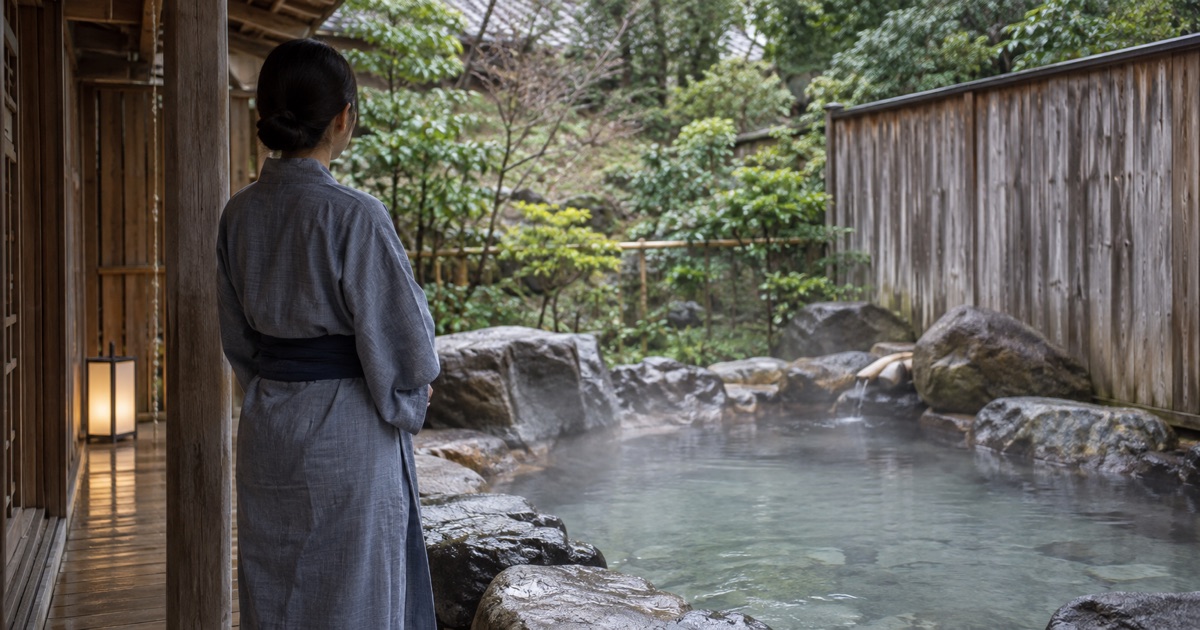
Kamakura (鎌倉) is not a dedicated hot spring resort town like Hakone or Kusatsu, but it does have a small number of genuine hot spring baths, mostly day-use facilities rather than large ryokan districts. For most visitors, the realistic plan is to spend the day exploring Kamakura's temples and then soak at one of these smaller baths before heading back to Tokyo.
This matters because people searching "kamakura onsen" sometimes expect something on the scale of Hakone-Yumoto (箱根湯本) or Atami (熱海). Kamakura's hot springs are more modest: a few standalone bathhouses and some accommodations with onsen-style baths, often using water trucked in or drawn from relatively shallow local sources rather than a famous historic spring. That doesn't make them less enjoyable, but it does mean the experience is closer to a relaxing stop after sightseeing than a multi-day onsen retreat.
Getting to Kamakura from Tokyo
Kamakura is one of the easiest short trips from central Tokyo, which is part of why it pairs naturally with an onsen stop.
- By train: JR Yokosuka Line trains run directly from Tokyo Station and Shinagawa Station to Kamakura Station, taking roughly 55-60 minutes depending on the service. Some travelers also connect via Kita-Kamakura Station, one stop before Kamakura, which is closer to several well-known temples.
- IC cards: Suica, Pasmo, and similar IC cards work on these JR lines, so you don't need to buy a paper ticket in advance.
- Rail passes: If you hold a Japan Rail Pass or a regional JR pass that covers the Yokosuka Line, the journey is covered; otherwise a standard fare ticket is inexpensive. Check current coverage and prices on the JR East website before you travel, since pass rules and fares are periodically revised.
From Kamakura Station, most sightseeing areas and any onsen facilities in town are reachable on foot, by local bus, or by the Enoshima Electric Railway (Enoden), a small local line that many visitors enjoy riding at least once.
We are working to carry Japanese craft and everyday culture beyond Japan, by building Japan Towns with local partners. R
Read the Japan Town plan →What to Expect from Kamakura's Hot Spring Facilities
Because Kamakura doesn't have a concentrated onsen district, hot spring-style baths here tend to fall into two categories:
- Day-use bathhouses (日帰り温泉): Small facilities where you pay an entry fee, use lockers, wash at the shower stations, and then soak in indoor or sometimes outdoor tubs. These are typically open for a set block of hours, with a last-entry time before closing, so arriving at least an hour before closing is a sensible habit.
- Accommodations with onsen baths: A limited number of hotels and inns in or near Kamakura offer hot spring-style baths for overnight guests, sometimes open to day visitors for a few hours as well. Availability and day-use hours change seasonally, so always confirm directly with the facility rather than relying on old listings.
Because the number of true onsen facilities is small, it's worth checking each one's own website for the latest hours, entry fees, and any temporary closures before setting out, rather than assuming information found elsewhere is current.
Step-by-Step: A Typical Half-Day Onsen Visit
- Arrive at Kamakura or Kita-Kamakura Station in the morning, aiming to finish temple visits by mid-afternoon so you have time to relax afterward.
- Sightsee first. Popular stops include the Great Buddha (Kotoku-in) and various temples around Kita-Kamakura, many within walking distance of each other or a short bus ride apart.
- Head to your chosen bath in the late afternoon. This avoids the busiest sightseeing crowds and lets you unwind before the return trip.
- Bring a small towel and, ideally, a travel-size toiletry kit. Many day-use baths rent or sell towels, but renting is often more expensive than bringing your own, and not every facility guarantees stock.
- Shower and rinse off before entering the bath, following standard onsen etiquette: wash thoroughly at the shower stalls first, keep long hair tied up and out of the water, and avoid bringing your towel into the bath itself.
- Budget 60-90 minutes for a relaxed visit, including changing and a short rest afterward.
- Return to Kamakura Station by taxi, bus, or on foot depending on the facility's location, and catch the JR Yokosuka Line back to Tokyo or Shinagawa.
Etiquette, Tattoos, and Common Mistakes
Standard Japanese onsen etiquette applies in Kamakura just as it does elsewhere: wash before entering the shared bath, don't let your towel touch the water, and keep noise levels low in shared bathing areas. Most facilities are single-sex bathing areas, and swimwear is generally not worn in a traditional onsen or sento-style bath, though this can vary at some newer or more casual facilities.
Tattoo policies differ significantly from one facility to another. Some bathhouses in Japan now welcome visitors with tattoos, some ask guests to cover small tattoos with a waterproof patch or sticker, and others still decline entry to anyone with visible tattoos. There is no single rule that applies across all of Kamakura's facilities, so the only reliable approach is to check the specific bathhouse's own website or contact them directly before you go.
A few common mistakes first-time visitors make:
- Assuming Kamakura has many onsen options like Hakone. It has far fewer, so research your specific destination rather than wandering in search of one.
- Arriving too close to closing time. Many day-use baths stop accepting new guests before their stated closing hour.
- Forgetting cash. While cards and IC payments are increasingly accepted, some smaller facilities in Japan still prefer or require cash.
- Skipping the pre-bath shower, which is considered basic etiquette and is expected at essentially all facilities.
Planning Your Trip
Because facility details, hours, and fees can change without much notice, it's worth checking official sources close to your travel date. The Japan National Tourism Organization site is a useful starting point for general travel planning around the Kamakura area, including seasonal events and transport updates, while facility-specific details are best confirmed directly on each bathhouse or inn's own website.
If your main goal is a full onsen town experience with many bathhouses, outdoor baths, and a classic hot spring streetscape, Hakone or the Izu Peninsula may suit that expectation better than Kamakura. But if you want to pair a day of temple-hopping with a relaxing, low-key soak before heading back to Tokyo, Kamakura's small onsen scene works well as a practical, low-commitment addition to a day trip.
FAQ
- Q. Is Kamakura a real onsen town like Hakone or Kusatsu?
- A. Not really. Kamakura is primarily a historic temple town; it has a small number of hot spring baths and day-use facilities rather than a dense resort district, so expectations should be set accordingly.
- Q. Can I visit a Kamakura onsen as a day trip from Tokyo?
- A. Yes. Kamakura is roughly 50-60 minutes from central Tokyo by train, and most hot spring facilities in the area operate as day-use baths suited to a short visit.
- Q. Are tattoos allowed at onsen in Kamakura?
- A. Policies vary by facility. Some allow tattoos, some ask guests to cover small ones, and others refuse entry. Always check the specific facility's official website beforehand.