Kobe Onsen Guide: Arima Springs and Harbor Baths
Key takeaways
- Kobe features Arima Onsen, one of Japan's oldest hot spring towns, located just 30 to 45 minutes from downtown.
- The town is famous for two mineral spring types: iron-rich golden water (Kinsen) and clear carbonated water (Ginsen).
- Day-use bathhouses and traditional ryokan offer soaking options without requiring an overnight stay.
Kobe onsen culture centers on Arima Onsen (有馬温泉), an ancient hot spring settlement tucked behind Mount Rokko, alongside modern seaside bath facilities along Kobe Port. Visitors can reach these historic mineral waters in roughly 30 to 45 minutes from central downtown Kobe, making it one of the easiest hot spring day trips in western Japan.
Whether you plan an afternoon soak between sightseeing stops or an overnight stay in a traditional Japanese inn (ryokan), Kobe offers distinct thermal waters that have attracted travelers for well over a millennium.
Understanding Kobe's Hot Springs
While Kobe is widely celebrated for its port architecture and culinary scene, its geothermal roots run exceptionally deep. Arima Onsen is recorded in the Nihon Shoki (one of Japan's oldest historical chronicles) and stands alongside Dogo Onsen in Ehime and Shirahama Onsen in Wakayama as one of the country's three most ancient spring areas.
Unlike many Japanese hot spring areas that rely on volcanic activity, Arima's thermal water rises from deep crustal sources far below ground. The town features two distinct types of spring water:
- Kinsen (金泉, "Golden Water"): This water emerges clear from the ground but turns a reddish-brown color upon contact with air due to high iron content. It also contains high concentrations of natural salts.
- Ginsen (銀泉, "Silver Water"): This is completely clear, odorless water containing radium and carbonate.
Outside the mountain valley of Arima, the coastal district of Kobe also hosts modern day-use thermal complexes, such as Kobe Minato Onsen Ren near the harbor, which source natural thermal springs pumped from deep underground.
Top Onsen Destinations in Kobe
Arima Onsen Town
Nestled on the northern slopes of Mount Rokko (六甲山), Arima feels worlds away from Kobe's urban center. Narrow streets lined with wooden buildings, souvenir shops selling carbonated crackers (tanso senbei), and rising steam vents define the village atmosphere.
Visitors can easily explore the entire town on foot. Key day-use public facilities include:
- Kin no Yu (金の湯): The town's premier public bathhouse, dedicated to the iron-rich Kinsen. Outside the entrance, you will find a free public footbath (ashi-yu) where travelers can soak their feet without paying an entrance fee or undressing.
- Gin no Yu (銀の湯): Located slightly further uphill in a quiet residential alley, this bathhouse features the clear, carbonated Ginsen water.
- Taikou no Yu (太閤の湯): A large, modern hot-spring theme park complex offering multiple indoor and outdoor baths, saunas, and relaxation lounges that showcase both water types under one roof.
Kobe Waterfront Baths
Travelers who prefer to stay within the city center can experience coastal natural hot springs. Facilities situated around Kobe Port provide expansive views over the harbor and Osaka Bay. These urban onsen complexes operate similarly to day-spas, featuring open-air baths (rotenburo), stone saunas, and full dining services, all reachable via brief shuttle rides or walks from central transit hubs.
We are working to carry Japanese craft and everyday culture beyond Japan, by building Japan Towns with local partners. R
Read the Japan Town plan →How to Travel to Arima Onsen from Kobe
Reaching Arima Onsen from downtown Kobe is straightforward. Most travelers depart from Sannomiya (三宮), the primary transportation hub in central Kobe.
By Direct Highway Bus (Recommended for First-Timers)
Hankyu Bus and JR Bus operate direct services connecting Kobe Sannomiya Station to the Arima Onsen bus terminal.
- Travel Time: Roughly 30 to 45 minutes, depending on traffic conditions.
- Boarding Area: The bus terminal directly adjacent to Sannomiya Station.
- Ticketing: Tickets can be purchased at terminal ticket counters, ticket machines, or via tap-to-pay IC cards on select lines. Checking schedules in advance is recommended on weekends, when seats can sell out.
By Train and Subway
For rail pass holders or those traveling during peak roadway traffic hours, rail lines offer a dependable option:
- Take the Kobe Municipal Subway from Sannomiya to Tanigami Station (谷上駅).
- Transfer to the Shintetsu Arima Line (Kobe Electric Railway) and take the train to Arimaguchi Station (有馬口駅).
- Transfer across the platform for the brief shuttle train to Arima-Onsen Station (有馬温泉駅).
- Travel Time: Around 35 to 45 minutes total travel time.
For regional rail travel information and network maps across the Kansai area, refer to JR West. For comprehensive route planning tools and nationwide travel passes, consult the Japan National Tourism Organization.
First-Time Onsen Etiquette: Step-by-Step
Navigating a Japanese bathhouse without speaking or reading Japanese is simple once you understand the basic sequence. Hot spring bathing in Japan is communal and conducted completely unclothed.
- Remove Footwear at the Entrance: Place outdoor shoes into shoe lockers near the front desk. Take the locker key to the check-in counter.
- Payment and Towels: Pay the entry fee (typically around 600 to 1,200 yen for standard public baths; larger resort facilities often charge around 2,000 to 3,000 yen). Towels are generally not included in standard public bath tickets. You can rent a bath towel and purchase a small washcloth for a small fee, or bring your own from your hotel.
- Enter the Correct Gender Changing Room: Look for the fabric curtains (noren) hanging over the doors:
- Red or pink typically indicates the women's area (女).
- Blue or dark indigo typically indicates the men's area (男).
- Undress Completely: In the locker room, remove all clothing, including swimwear and underwear, and store your belongings inside a locker. You take only your small washcloth into the bathing area.
- Wash Thoroughly Before Soaking: Walk directly to the washing stalls before touching the communal bathwater. Sit on a plastic stool, use the provided soap and shampoo, and rinse off entirely.
- Enter the Bath: Step gently into the water. Do not dive, splash, or swim. Keep your small washcloth out of the water; most bathers fold it and rest it on top of their head or set it on the dry edge of the pool.
- Dry Off Before Returning to the Lockers: Before stepping back onto the changing room mats, wring out your small washcloth and wipe excess moisture from your skin to keep the locker room floors dry.
Packing List and Practical Tips
What to Bring
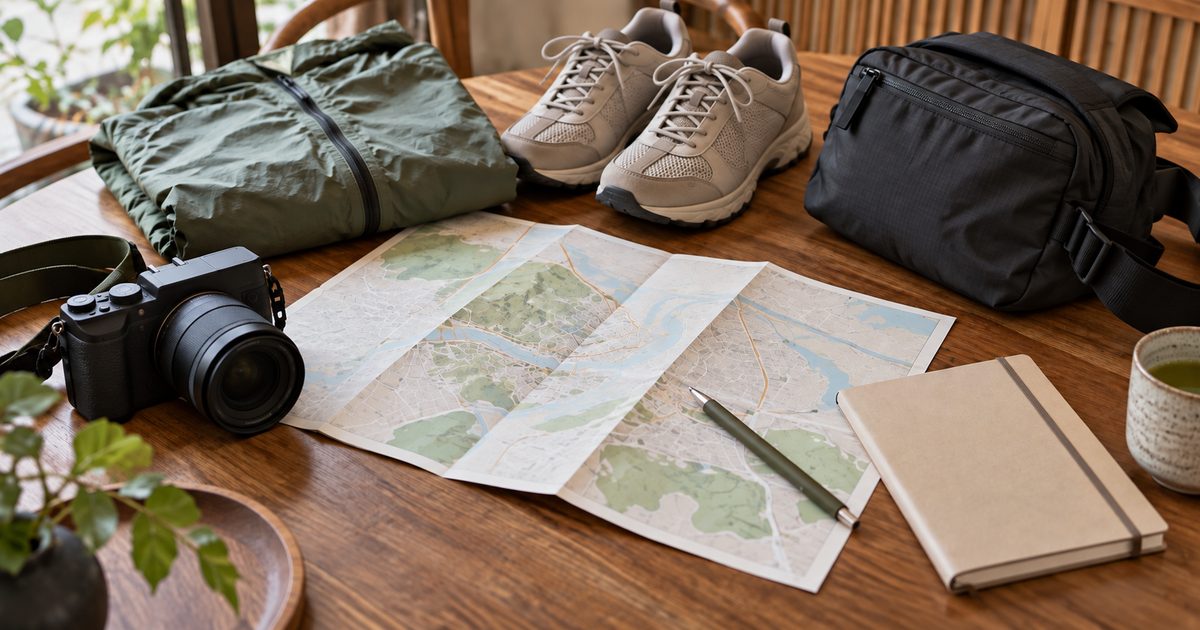
- Small Day Pack: Convenient for walking through Arima's hilly streets.
- Towels: Bringing a small towel saves you from having to purchase one at public baths.
- Cash: While major hotels and large day spas accept credit cards, smaller public bath ticket machines, street-food stalls, and historic shops often operate cash-only.
- Slip-On Walking Shoes: Arima features steep stone stairs and inclines. Wear comfortable shoes that are easy to remove at bath entrances.
Common Mistakes to Avoid
- Staining Clothing with Kinsen Water: The high iron content in Arima's Golden Water can leave permanent orange or rust-colored stains on pale towels and light-colored clothing. Rinse thoroughly under the regular shower before dressing.
- Dehydration: Geothermal baths run quite hot, often between 40°C and 43°C (104°F to 109°F). Drink water before and immediately after your bath. Most facilities have free water dispensers near the locker rooms.
- Ignoring Operating Schedules: Bathhouses periodically close for maintenance, and hours can shift during national holidays. Always check each facility's official website before heading out.
Tattoo Policies and Private Bath Alternatives
Hot spring facilities in Japan hold varying rules regarding body art. In traditional public bathhouses like Kin no Yu, visible tattoos have historically been restricted, though policies differ by facility.
If you have tattoos or simply prefer total privacy:
- Kashikiri (貸切風呂): Many ryokan in Arima offer private rental baths by the hour. Guests can book these rooms regardless of overnight status at select properties, allowing individuals, couples, or families to bathe together privately.
- Rooms with Private Open-Air Baths: Booking a ryokan room with an attached private bath (rotenburo tsuki kyakushitsu) allows unlimited, private soaking without navigating communal regulations.
Check the official website of your chosen accommodation or facility directly to confirm their specific rules prior to arrival.
FAQ
- Q. How do you get to Arima Onsen from central Kobe?
- A. You can take a direct highway bus from Kobe Sannomiya Station in around 30 to 45 minutes, or travel by local subway and railway lines.
- Q. Can you visit Arima Onsen as a day trip?
- A. Yes, Arima Onsen is easily visited as a day trip from Kobe or Osaka, with public bathhouses like Kin no Yu and Gin no Yu open to daytime guests.
- Q. Are tattoos allowed in Kobe hot springs?
- A. Tattoo policies vary by facility; while traditional public baths often prohibit visible tattoos, private rental baths (kashikiri) offer an accessible alternative.