Best Onsen Towns Near Kagoshima: Ibusuki and Beyond
Key takeaways
- Ibusuki (指宿), about an hour south of Kagoshima by JR train, is the region's best-known onsen town, famous for sand baths.
- Kirishima (霧島), roughly 45-60 minutes from Kagoshima, offers mountain onsen ryokan and is often combined with Kirishima-Jingu Shrine.
- Sakurajima has small onsen facilities reachable by a short ferry ride from Kagoshima port, good for a half-day trip.
Best Onsen Towns Near Kagoshima
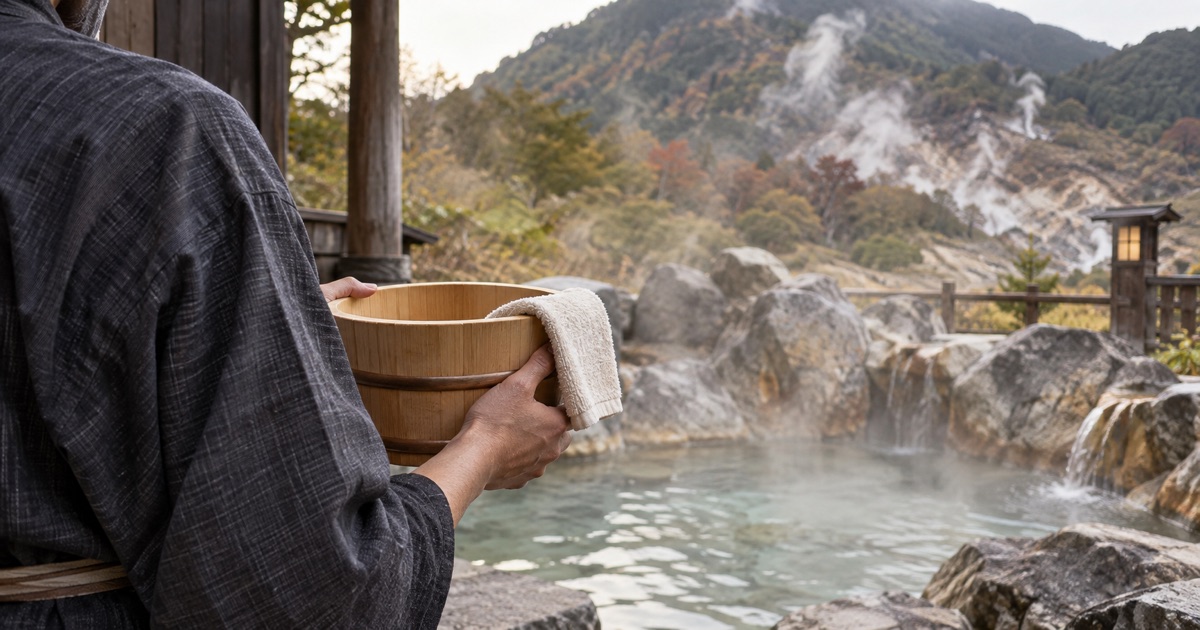
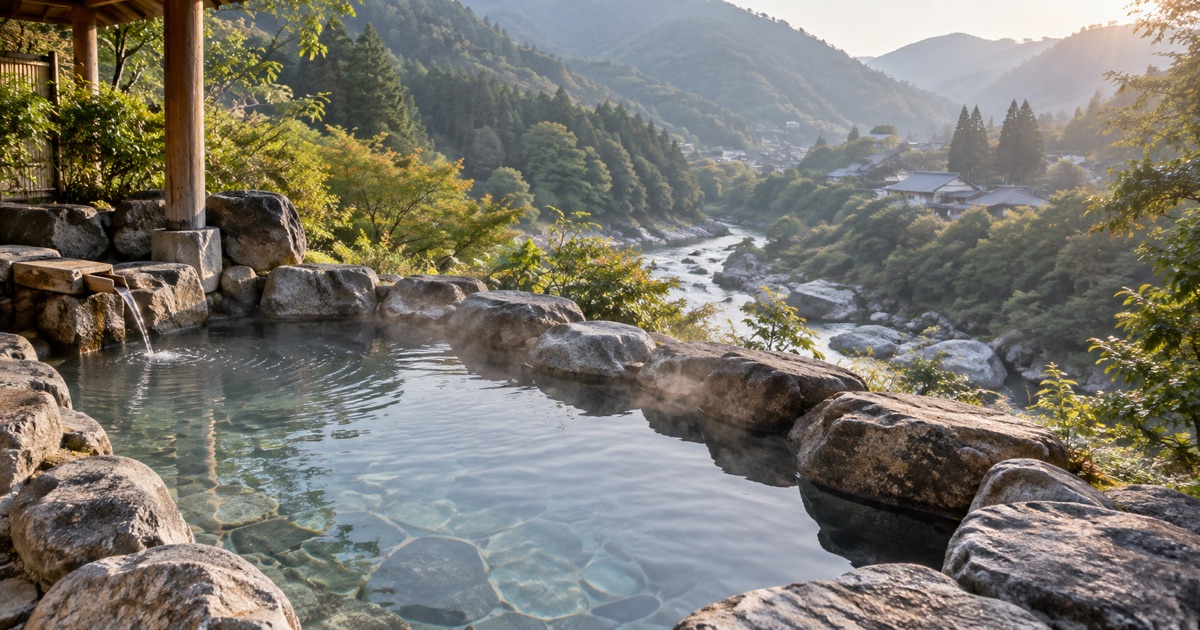
Ibusuki (指宿) is the best-known onsen town near Kagoshima, located about an hour south of Kagoshima city by JR train and famous for its naturally heated sand baths. Kirishima (霧島), roughly 45 to 60 minutes away in the mountains, is a strong second choice for travelers who prefer traditional ryokan baths surrounded by nature.
This guide covers how to reach each area, what makes them different, and practical tips for first-time visitors who don't read Japanese.
Key Takeaways
- Ibusuki is the most famous onsen town near Kagoshima, known for its unique sand baths (砂むし温泉) where guests are buried in naturally heated sand.
- Kirishima offers a more traditional mountain onsen experience and pairs well with a visit to Kirishima-Jingu Shrine.
- Sakurajima, reachable by a short ferry from Kagoshima port, has small onsen facilities suitable for a quick half-day visit.
- Trains run regularly between Kagoshima-Chuo Station and both Ibusuki and Kirishima, but timetables should always be checked on official sites before traveling.
Ibusuki: Sand Baths and Coastal Scenery
Ibusuki sits on the Satsuma Peninsula, facing the ocean, and is widely regarded as the signature onsen town of the Kagoshima region. Its most distinctive feature is the sand bath (砂むし温泉), where visitors lie in a shallow pit on the beach and are covered up to the neck in sand naturally warmed by geothermal heat from below. The sensation is different from a standard hot spring bath, and many visitors try it specifically because it's hard to find elsewhere in Japan.
To reach Ibusuki from central Kagoshima, take a JR train from Kagoshima-Chuo Station heading south along the Ibusuki-Makurazaki Line. The ride takes roughly 50 minutes to just over an hour depending on the service, and some trains, including the sightseeing-oriented "Ibusuki no Tamatebako," run a limited number of times per day, so check the latest schedule on the JR Kyushu website before planning your trip.
Once in Ibusuki, the sand bath facilities and many onsen ryokan are a short bus or taxi ride from the station. Bring a swimsuit or rely on the facility's provided yukata, as policies on what to wear during the sand bath vary by location. A towel is also useful, though many facilities rent or sell them on-site. After a sand bath session, most people rinse off in a regular indoor bath, which is usually included in the sand bath fee.
A common mistake first-time visitors make is assuming the sand bath is identical to a normal soak in hot water. Because you're buried under warm sand, sessions are typically shorter than a usual onsen visit, and facility staff will guide you on timing. If you have any health concerns, check with facility staff beforehand, since advice can vary by individual circumstances.
Kirishima: Mountain Onsen and Shrine Scenery
Kirishima, located inland and at higher elevation than Ibusuki, is known for its cluster of onsen ryokan scattered through forested, volcanic terrain. The area sits within Kirishima-Kinkowan National Park, and many visitors combine an onsen stay with a visit to Kirishima-Jingu Shrine, one of the region's most atmospheric Shinto shrines.
From Kagoshima-Chuo Station, the most common way to reach Kirishima is by JR train to Kirishima-Jingu Station, followed by a local bus to the onsen area, since many ryokan are spread out in the hills rather than clustered right around the station. Total travel time is typically 45 minutes to just over an hour, but bus frequency can be limited, so it's worth checking connections in advance rather than assuming you can simply show up and transfer immediately.
Kirishima's onsen ryokan often have both indoor and outdoor baths (露天風呂), and some offer day-use access for travelers who aren't staying overnight. If you plan to visit as a day-tripper, contact the ryokan or check its website first, since day-use hours and availability differ by property and can change seasonally.
Sakurajima: A Quick Onsen Side Trip
Sakurajima, the active volcano visible across the bay from Kagoshima city, is reachable by a regular ferry service from Kagoshima port, with crossings taking around 15 minutes. While Sakurajima is better known for its volcanic scenery than as a full onsen town, it does have a small number of onsen facilities, including foot baths and indoor bathing facilities that make use of the island's geothermal activity.
This makes Sakurajima a practical option for travelers with limited time who still want to combine sightseeing with a hot spring experience, without committing to an overnight stay in Ibusuki or Kirishima.
We are working to carry Japanese craft and everyday culture beyond Japan, by building Japan Towns with local partners.
Read the Japan Town plan →Getting There and Planning Your Route
Most visitors base themselves in Kagoshima city and use Kagoshima-Chuo Station as the starting point for day trips or short overnight stays in these onsen towns. If you're arriving from elsewhere in Kyushu or from Honshu, the Kyushu Shinkansen connects Kagoshima-Chuo with cities such as Fukuoka (Hakata) in a few hours, and travelers coming from further afield can check connecting Shinkansen options with JR Central or JR Kyushu depending on their route.
For regional trains within Kagoshima Prefecture, a rail pass may or may not offer savings depending on how many trips you're making; it's worth comparing the cost of individual tickets against any available pass on the operator's official site before purchasing.
Tattoos, Etiquette, and What to Bring
Policies on visible tattoos vary significantly between facilities in this region, just as they do across Japan. Some sand bath facilities and ryokan allow tattoos or offer cover-up stickers, while others do not permit entry with visible tattoos at all. Because there's no single rule that applies everywhere, it's best to check the specific facility's official website or contact them directly before your visit if this applies to you.
Standard onsen etiquette applies throughout these towns: wash your body thoroughly at the shower area before entering a shared bath, keep long hair tied up and away from the water, and avoid bringing your towel into the bathing water itself. Most facilities are separated by gender for the bathing areas, and swimsuits are generally not worn in traditional indoor or outdoor baths, though Ibusuki's sand baths are a notable exception where a yukata or swimsuit is typically used.
Bring a small towel, any toiletries you prefer (though basic ones are usually available for purchase or rent), and cash, since smaller ryokan and bath facilities in rural areas don't always accept credit cards. For general guidance on visiting Japan and planning multi-day itineraries, the Japan National Tourism Organization is a reliable starting point.
Finally, remember that opening hours, train timetables, and entry fees at all of these locations can change with the season or without much notice, so always confirm current details on the relevant official website shortly before you travel.
FAQ
- Q. What is the closest onsen town to Kagoshima city?
- A. Ibusuki is generally considered the closest well-known onsen town, reachable in roughly an hour by JR train from Kagoshima-Chuo Station.
- Q. Can I visit an onsen town near Kagoshima as a day trip?
- A. Yes, both Ibusuki and Sakurajima can be visited as day trips, though an overnight stay in Ibusuki or Kirishima allows more relaxed use of the baths.
- Q. Do I need to book sand baths or ryokan baths in advance?
- A. It depends on the facility; some accept walk-ins while others, especially ryokan-based baths, prefer or require reservations, so check the official website beforehand.