Shinjuku Onsen: Best Hot Spring Baths Near the Station
Key takeaways
- Shinjuku itself sits on no famous hot spring source, so "shinjuku onsen" usually means day-use bathhouses using trucked-in or local mineral water.
- Most facilities are a short train or taxi ride from Shinjuku Station, with entry typically costing roughly 1,000–3,000 yen.
- Bring a small towel or buy one on-site; check each facility's own website for tattoo policy, towel rules, and opening hours before visiting.
Shinjuku Onsen: What First-Time Visitors Need to Know
Shinjuku does not sit on a natural hot spring source, so there is no traditional "onsen town" inside the district itself. What travelers searching "shinjuku onsen" usually want is a day-use bathing facility near Shinjuku Station that offers mineral-rich or onsen-style baths, saunas, and relaxation areas without needing to leave central Tokyo.
This guide explains what kind of facilities exist near Shinjuku, how to get there, what to bring, and the etiquette mistakes first-time visitors often make.
Is There Really an Onsen in Shinjuku?
Not in the geological sense. Famous onsen towns like Hakone or Kusatsu sit directly on volcanic hot spring sources. Shinjuku, as part of central Tokyo, does not have that kind of natural source within the station area.
However, a handful of bathing facilities in and around Shinjuku and wider Tokyo draw on mineral-rich groundwater pumped up from deep underground, which can legally be called onsen in Japan if it meets certain mineral and temperature standards under Japanese law. Other facilities are "super sento" (スーパー銭湯), large public bathhouses with multiple tubs, saunas, and sometimes outdoor baths, that may or may not use genuine onsen water. Always check the facility's own website to see whether it describes its water as onsen (温泉) or as a regular public bath (銭湯).
Types of Facilities Near Shinjuku
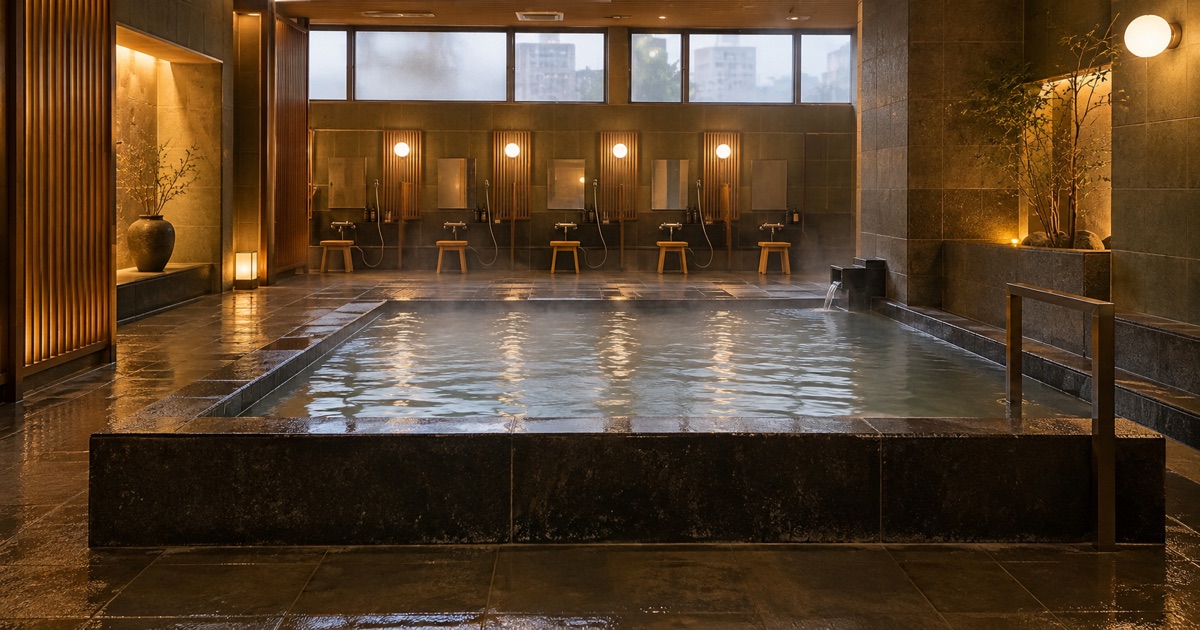
Onsen-style day spas: These larger complexes often include indoor and outdoor baths, saunas, and sometimes a small entry fee for towels or robes. Expect to pay roughly 1,000 to 3,000 yen for a few hours, though prices and included items change, so confirm on the official site before visiting.
Super sento (large public baths): More affordable, often under 1,000 yen, these are everyday bathhouses used by local residents. They typically have multiple tub temperatures, an electric bath, and sometimes a sauna, but may not use genuine mineral spring water.
Hotel spa facilities: Some hotels near Shinjuku offer day-use access to their bath or spa floor for non-guests, usually for a set fee. Availability and hours vary by season and by hotel policy, so check directly with the property.
Because specific business names, opening hours, and prices change often, this article will not list exact venues. Instead, search for "日帰り温泉 新宿" (day-use onsen Shinjuku) or "スーパー銭湯 新宿" (super sento Shinjuku) on a Japanese map service, or check listings on Japan National Tourism Organization for currently operating facilities near Shinjuku.
How to Get There From Shinjuku Station
Most day-use bathing facilities near Shinjuku are reachable within 15 to 40 minutes by train, sometimes with a short walk or bus transfer at the other end. Since Shinjuku Station is served by JR lines, the Odakyu line, the Keio line, and several Tokyo Metro and Toei subway lines, check the JR East website for route and fare information if your destination is on a JR line, and confirm private-line routes separately since JR passes do not cover them.
A rough step-by-step for a typical day trip:
- Confirm the facility's current hours, closing days, and admission fee on its official website before leaving your hotel, since many bathhouses close one or two fixed days per week or for periodic maintenance.
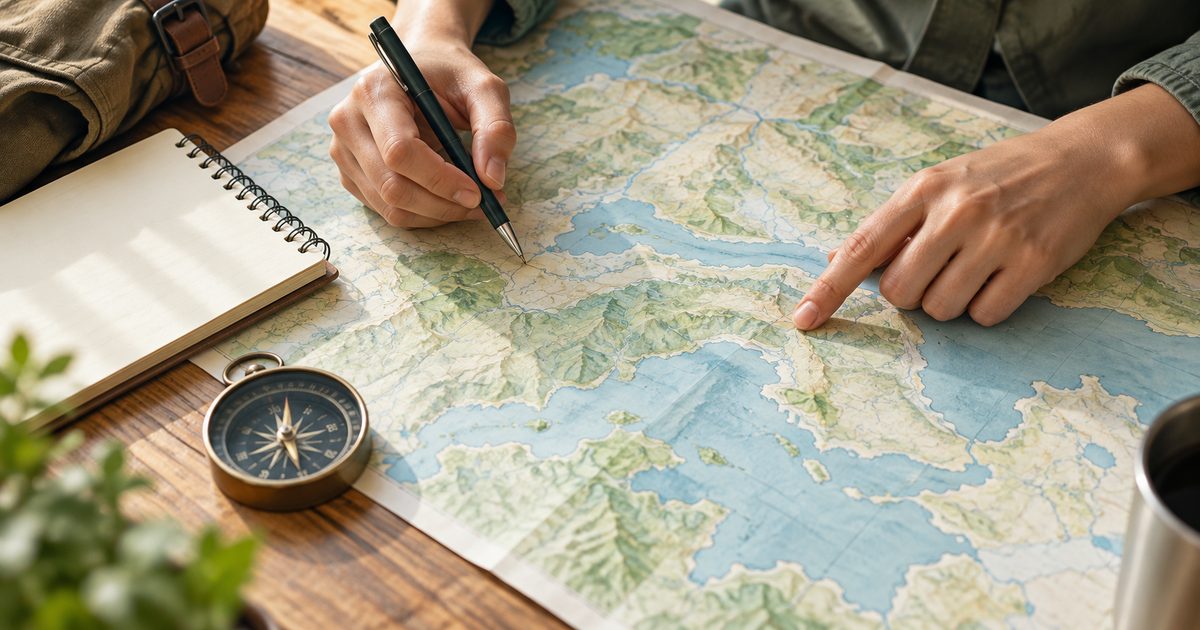
- Plan your route using a transit app, allowing extra time if a bus or short taxi ride is needed from the nearest station.
- Bring a small hand towel (some facilities provide one free, others charge a small rental fee), a change of underwear, and a phone-safe waterproof pouch for small valuables.
- Arrive with enough time to bathe, rest, and still catch a reasonable train back, especially if visiting in the evening since last trains in Tokyo generally run until around midnight, though this varies by line.
- At the front desk, pay the entry fee, receive a locker key or wristband, and follow posted signs (often translated into English or marked with icons) to the changing room.
- Rinse your body at the washing station before entering any shared bath, a near-universal rule across Japan.
- After bathing, use the rest or lounge area if available, then collect your belongings and head back toward the station in time for your return train.
Etiquette and Common Mistakes
Wash before soaking. Nearly every bathing facility in Japan expects guests to shower and rinse off thoroughly at the washing stations before entering a shared tub. Skipping this is the most common mistake foreign visitors make.
Bathing is done nude. Shared baths in Japan are typically gender-separated and bathed in without swimwear. Bringing a small modesty towel is normal, but it should not be dipped into the bath water itself; most people leave it folded on the side or on their head.
Tattoo policies vary. Some Shinjuku-area facilities ban visible tattoos entirely, others allow small ones with a cover sticker, and some private or family bath options sidestep the issue altogether. Since policy is set by each business individually, always check the facility's own website or call ahead if you or someone in your group has a tattoo.
Phones and cameras are not allowed in bathing areas. This is a strict rule almost everywhere, both for privacy and because many facilities ban photography near undressed guests.
Check for sauna etiquette separately. Many Shinjuku-area super sento now have popular saunas with their own rules, such as time limits or reserved seating systems during busy hours. If a sauna is part of your visit, read posted instructions carefully, as etiquette here is sometimes different from the bathing area.
Who Should Visit a Shinjuku-Area Onsen
Day-use onsen and super sento near Shinjuku suit travelers who want a relaxing half-day break without the time or cost of a trip to a traditional onsen town like Hakone or Kusatsu. They are especially convenient for visitors staying in central Tokyo who have an evening free or want to rest before a long flight home.
Travelers hoping for the classic onsen town experience, with multiple outdoor baths overlooking mountains or rivers, open-air footbaths, and traditional ryokan stays, will find that experience outside Tokyo rather than within Shinjuku itself. Shinjuku's strength is convenience: a short trip from one of Tokyo's busiest transit hubs to a clean, well-run bathing facility, rather than a scenic hot spring retreat.
Before You Go
Facility names, hours, admission prices, and tattoo or towel policies all change without much notice, and some bathhouses close temporarily for renovation. Always check the specific facility's official website or a reliable Japanese map listing shortly before your visit, and have a backup plan in mind in case your first choice is closed on the day you arrive.
FAQ
- Q. Is there a real onsen inside Shinjuku Station itself?
- A. No. Shinjuku Station has no natural hot spring source on-site; nearby facilities pipe in mineral-rich water or use heated water advertised as onsen-style, so check each venue's own description of its water source.
- Q. Can I visit a Shinjuku-area onsen with tattoos?
- A. Policies vary by facility, some ban visible tattoos, others allow them or offer private baths, so check the official website of the specific facility before you go.
- Q. How much time should I budget for a day-use onsen trip from Shinjuku?
- A. Roughly two to four hours total, including travel, bathing, and resting, though some facilities encourage longer stays with saunas or relaxation lounges.