Aomori Onsen: A First-Timer's Guide to Hot Springs in Aomori
Key takeaways
- Aomori Prefecture has several distinct onsen areas, including Sukayu, Asamushi, and Towada-area hot springs, each reachable from Aomori or Shin-Aomori Station.
- Most onsen are easiest to reach by a mix of Shinkansen plus local train, bus, or rental car, so plan transfer times generously.
- Tattoo and nudity policies vary by facility, so always check the specific onsen's own website or ask at the front desk before visiting.
Where Are the Best Onsen in Aomori?
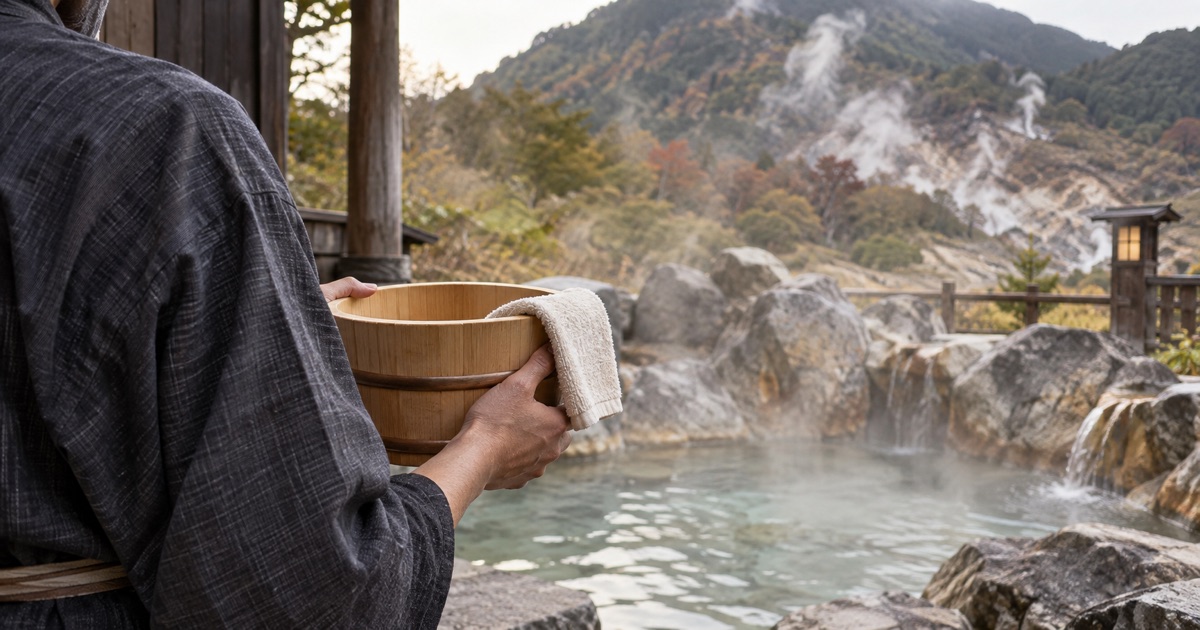
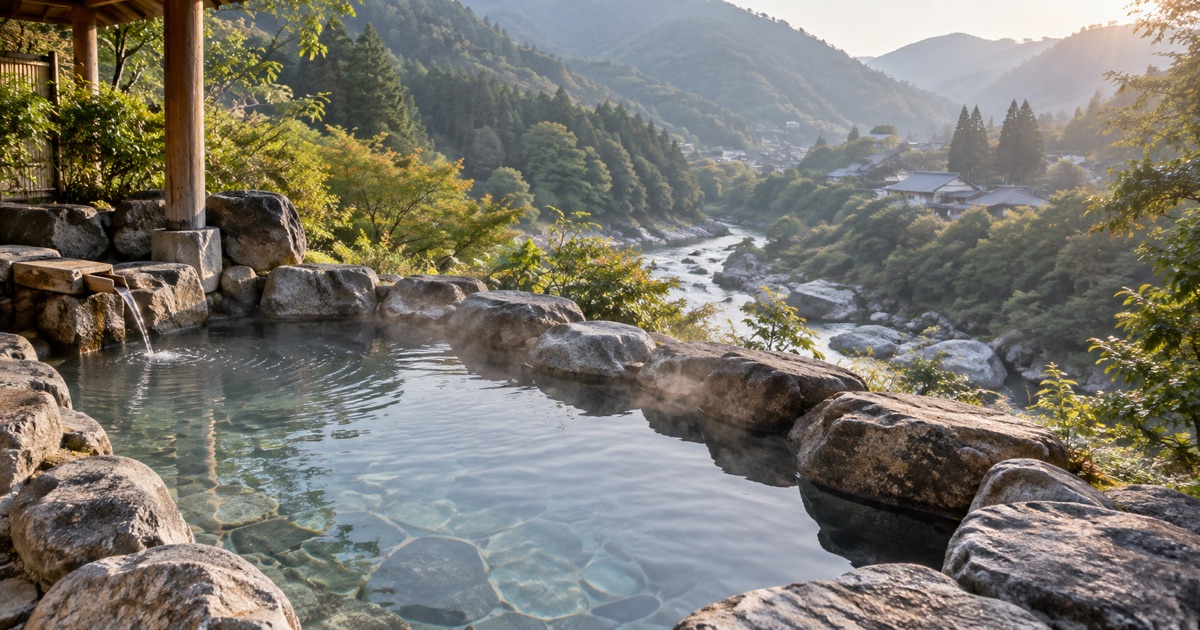
Aomori Prefecture's best-known hot spring areas include Sukayu Onsen (酸ヶ湯温泉) in the mountains near Hakkoda, Asamushi Onsen (浅虫温泉) on the coast near Aomori City, and a scattering of smaller hot spring towns around Lake Towada and the Shimokita Peninsula. For a first-time visitor without a car, Asamushi is the most straightforward to reach by train, while Sukayu is better suited to those comfortable with a bus transfer or rental car.
Aomori sits at the northern tip of Honshu, and most onsen trips start from either Aomori Station (青森駅) or Shin-Aomori Station (新青森駅), the Shinkansen terminus. From Tokyo, the Tohoku Shinkansen reaches Shin-Aomori in roughly 3 to 3.5 hours, though schedules and journey times can vary, so check current timetables on the JR East website before booking.
Why Visit Onsen in Aomori Specifically
Aomori's hot springs are shaped by its geography: volcanic mountains inland (Hakkoda range), a rugged coastline, and long, snowy winters. This means the region offers both classic mountain lodge-style onsen with cloudy, mineral-rich water and smaller coastal inns where you can sometimes see the sea from the bath. The contrast between snow-covered rooftops in winter and green mountains in summer is part of the appeal, though visiting conditions change drastically by season, so pack accordingly.
Sukayu Onsen: Aomori's Most Famous Hot Spring
Sukayu Onsen is probably the single most recognized hot spring name in Aomori, largely because of its large, historic mixed-bathing hall. It sits in the mountains along the route toward Lake Towada, roughly an hour or more by bus from Aomori Station depending on the service and season.
Getting there:
- Take a bus bound for Towada-ko or the Hakkoda/Sukayu direction from Aomori Station's bus terminal.
- Journey time is roughly 60-80 minutes one way, but buses can be infrequent, especially outside peak tourist seasons, so check current schedules locally or via your accommodation before planning a same-day return.
- In winter, heavy snowfall is normal in this area; buses can be delayed, and sturdy winter footwear is essential.
What to know before you go:
- Sukayu's main bathing hall has historically operated as mixed-sex bathing (konyoku), which is unusual for most visitors and can feel surprising if you're not expecting it. Policies and hall arrangements can change, so check the official website for current details on separate-bathing hours or facilities before visiting.
- Bring your own small towel if possible; while towels are often available to rent or buy, having your own avoids delays.
- The water here is known for being strongly mineral and slightly acidic in character; some visitors find it a distinctly different sensation from milder bath waters elsewhere in Japan.
We are working to carry Japanese craft and everyday culture beyond Japan, by building Japan Towns with local partners.
Read the Japan Town plan →Asamushi Onsen: Easiest Access From Aomori City
Asamushi Onsen is a coastal hot spring town roughly 20-30 minutes by local train from Aomori Station, making it the most practical choice for visitors without a rental car or those short on time.
Getting there:
- From Aomori Station, take a local JR train on the Ou Main Line toward Noheji; Asamushi-Onsen Station (浅虫温泉駅) is a short ride away.
- From the station, many facilities are within easy walking distance, though some accommodations offer shuttle pickup — confirm this directly with where you're staying.
What to expect:
- Asamushi has a mix of larger hotel-style baths and smaller inns, several of which offer day-use bathing for visitors not staying overnight.
- Because it sits on Mutsu Bay, some baths and rooms offer sea views, though this varies by property.
- As with anywhere in Japan, rules on tattoos, bathing attire, and tattoo-cover stickers differ facility by facility. If you have tattoos, it's worth emailing or calling ahead, or checking the facility's own website, rather than assuming either way.
Lake Towada and Oirase Area Onsen
The area around Lake Towada (十和田湖) and the Oirase Gorge (奥入瀬渓流) also has a handful of onsen inns, popular with visitors combining a soak with hiking along the gorge's walking trails. This area is harder to reach without a car or organized bus service, and travel times from Aomori City can run two hours or more depending on the route and season. If this is your priority destination, it may be more efficient to base yourself near Towada or come via Hachinohe or Morioka on the Shinkansen line, then transfer to a bus. Check current routes on the JR East site and local bus operator information before finalizing plans, since rural bus frequency can be low, especially in winter.
Planning Your Trip: Practical Tips
What to Bring
- A small hand towel (for washing and modesty while walking between washing stations and the bath) — many onsen sell or rent one, but it's cheaper to bring your own.
- Flip-flops or slip-on shoes, since you'll remove shoes at the entrance of most ryokan and onsen facilities.
- Cash in smaller denominations. Rural onsen facilities, especially small day-use baths, may not accept credit cards.
- A swimsuit is occasionally allowed at certain mixed-gender or family baths, but most traditional sex-separated indoor baths require bathing without one. Never assume — check facility rules in advance.
Common Mistakes First-Timers Make
- Assuming all Aomori onsen are easy day trips from the city. Several, like those near Lake Towada, require significant travel time.
- Not checking seasonal transport. Winter in Aomori is genuinely heavy-snow territory; buses can be reduced, delayed, or suspended.
- Washing incorrectly: always rinse and wash your body thoroughly at the shower stations before entering the shared bath — this is standard etiquette throughout Japan, not unique to Aomori.
- Ignoring tattoo policies. Some facilities are relaxed, others are strict. Rather than guessing, check the specific onsen's official website or ask your hotel to confirm on your behalf.
When to Go
Aomori is a four-season destination, but each season changes the onsen experience considerably. Winter (roughly December to March) brings heavy snow and a strong contrast between hot water and cold air, popular with visitors seeking a classic "snow country" atmosphere. Spring and autumn offer milder access and, in autumn, notable foliage around Towada and Oirase. Summer is comfortable for hiking combined with a bath afterward. Whichever season, check regional transport and facility operating days in advance, since rural onsen towns often have reduced schedules outside peak periods.
For broader trip planning, including transport passes and seasonal travel advisories for the Tohoku region, the Japan National Tourism Organization website is a reliable starting point before you finalize an Aomori onsen itinerary.
FAQ
- Q. What is the best onsen town to visit in Aomori for a first-time visitor?
- A. There isn't a single "best" town, but Sukayu Onsen and Asamushi Onsen are commonly recommended starting points because both are relatively accessible from Aomori City and offer a clear sense of what a traditional Aomori hot spring experience looks like.
- Q. Can I visit an Aomori onsen as a day trip without staying overnight?
- A. Yes, many facilities offer day-use bathing (higaeri nyuyoku), though hours and availability can change seasonally, so check the official website of the specific onsen before heading out.
- Q. Do Aomori onsen allow guests with tattoos?
- A. Policies differ by facility; some restrict visible tattoos, others allow small ones with a cover sticker, and some are fully tattoo-friendly. Always confirm with the individual onsen directly.