Nagano Onsen: A First-Timer's Guide to Japan's Mountain Hot Springs
Key takeaways
- Nagano Prefecture has several distinct onsen towns, each reachable from Tokyo in roughly 2-3.5 hours by train and bus.
- Shibu Onsen and Yudanaka are the best base for visiting the Jigokudani Monkey Park snow monkeys alongside a hot spring stay.
- Check tattoo and photography policies on each facility's own website before visiting, since rules vary widely between ryokan and public baths.
Nagano Onsen: A First-Timer's Guide
Nagano Prefecture is one of Japan's richest regions for hot springs, with onsen towns ranging from the narrow lantern-lit streets of Shibu Onsen to larger resort areas near the Japan Alps. Most towns are reachable from Tokyo in roughly 2 to 3.5 hours by train and bus, making Nagano a realistic day trip or overnight stay for travelers based in the capital.
This guide explains which onsen towns suit different kinds of visitors, how to get there, and what to know before you go, including etiquette points that often trip up first-timers.
Why Nagano Is an Onsen Destination
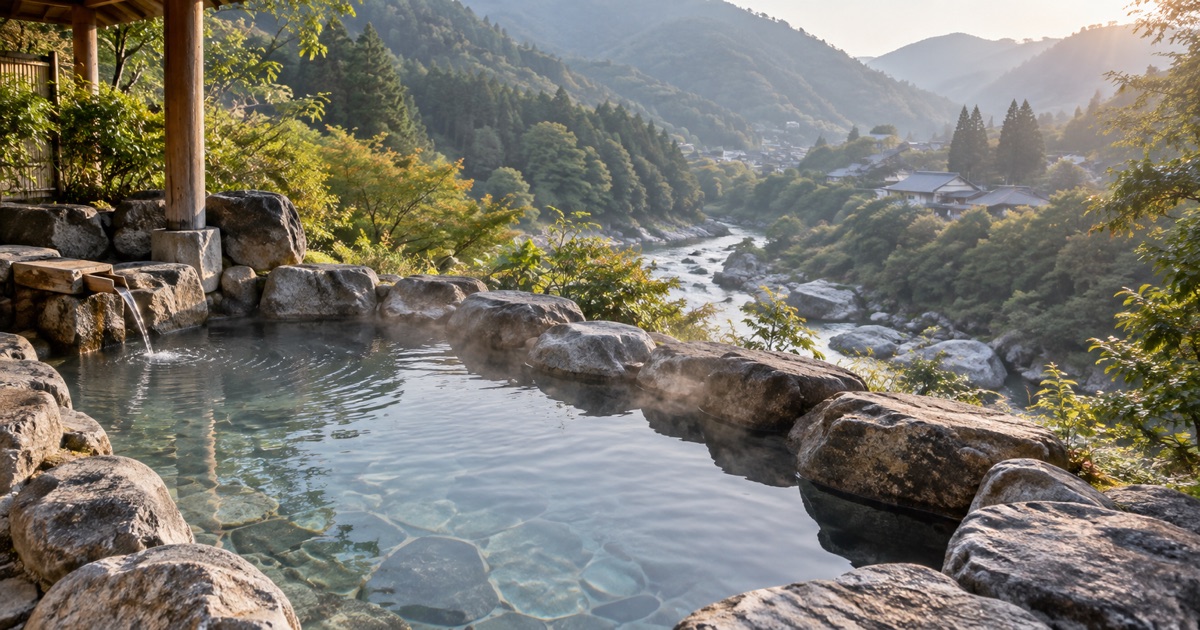
Nagano sits in a mountainous, volcanically active part of central Japan, which is why the prefecture has dozens of hot spring sources feeding ryokan (traditional inns), public bathhouses, and open-air baths. The region also hosted the 1998 Winter Olympics, so infrastructure for visitors—English signage at major stations, ski resorts, bus networks—is generally more developed than in some other rural onsen areas.
Unlike single-destination onsen resorts, Nagano offers variety: snow-season baths near ski slopes, riverside towns, and historic post-towns along old trade routes. That means the right choice depends on what else you want to do nearby.
Choosing an Onsen Town
Shibu Onsen (渋温泉) and Yudanaka Onsen (湯田中温泉)
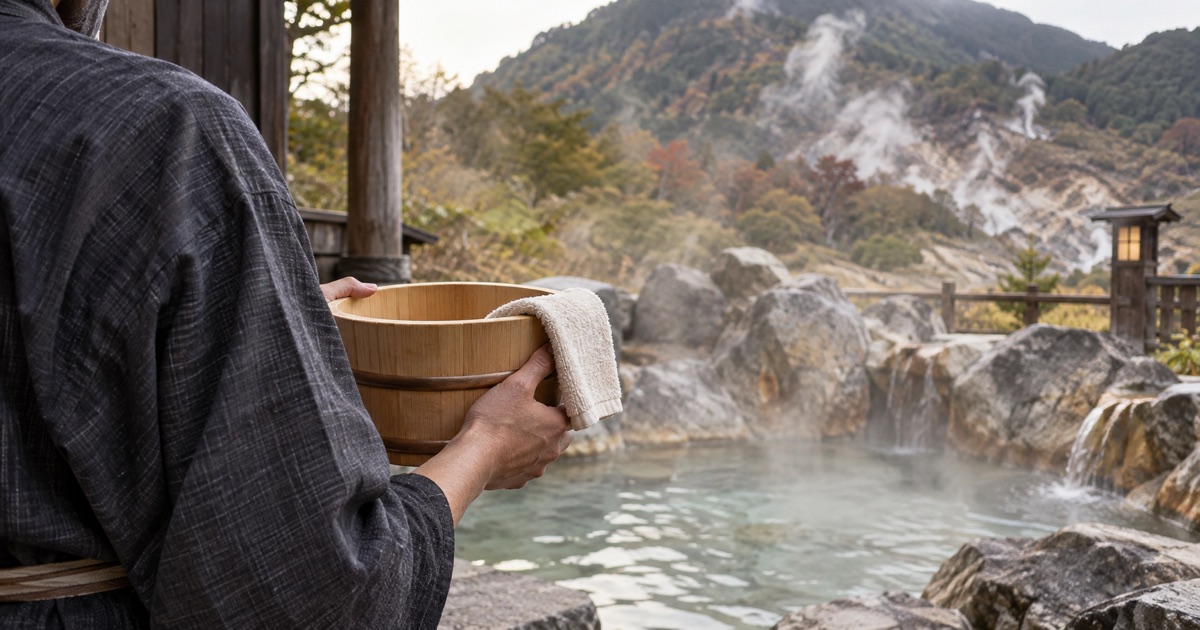
These neighboring towns in the Yamanouchi area are the most recommended base for first-time visitors, largely because they sit close to the Jigokudani Monkey Park, famous for wild Japanese macaques bathing in steaming pools in winter. Shibu's old town has narrow stone streets and nine public bathhouses traditionally reserved for staying guests, plus one open to day visitors. Walking the streets in a yukata (cotton robe) and wooden geta sandals, often provided by ryokan, is part of the experience here.
Bessho Onsen (別所温泉)
Known as one of Nagano's older hot spring towns, Bessho has a quieter, more local feel, with historic temples nearby. It suits travelers who want a slower pace away from tour groups.
Nozawa Onsen (野沢温泉)
Popular with skiers and snowboarders in winter, Nozawa Onsen village has multiple free or low-cost public bath houses (soto-yu) scattered through town, alongside ski lift access during the season.
Each town has a different character, so it's worth deciding whether you want monkey-watching, historic streetscapes, or ski access before booking.
How to Get There From Tokyo
The most common route starts with the JR East Hokuriku Shinkansen from Tokyo Station to Nagano Station, a journey of roughly 80-100 minutes depending on the train type. From Nagano Station, travelers heading to Yudanaka or Shibu typically transfer to the Nagano Dentetsu (Nagaden) local line, a separate railway not covered by JR passes, and then often a short local bus or taxi into the old town itself.

For Nozawa Onsen, the usual route is Shinkansen to Iiyama Station, followed by a direct bus, which runs on a schedule that varies by season, so check timings in advance rather than assuming frequent departures.
Because transfers involve different rail operators and local buses, build in extra time, especially with luggage, and confirm current routes on the relevant operator's website before travelling, since schedules and bus frequency can change seasonally.
What to Bring and What to Expect
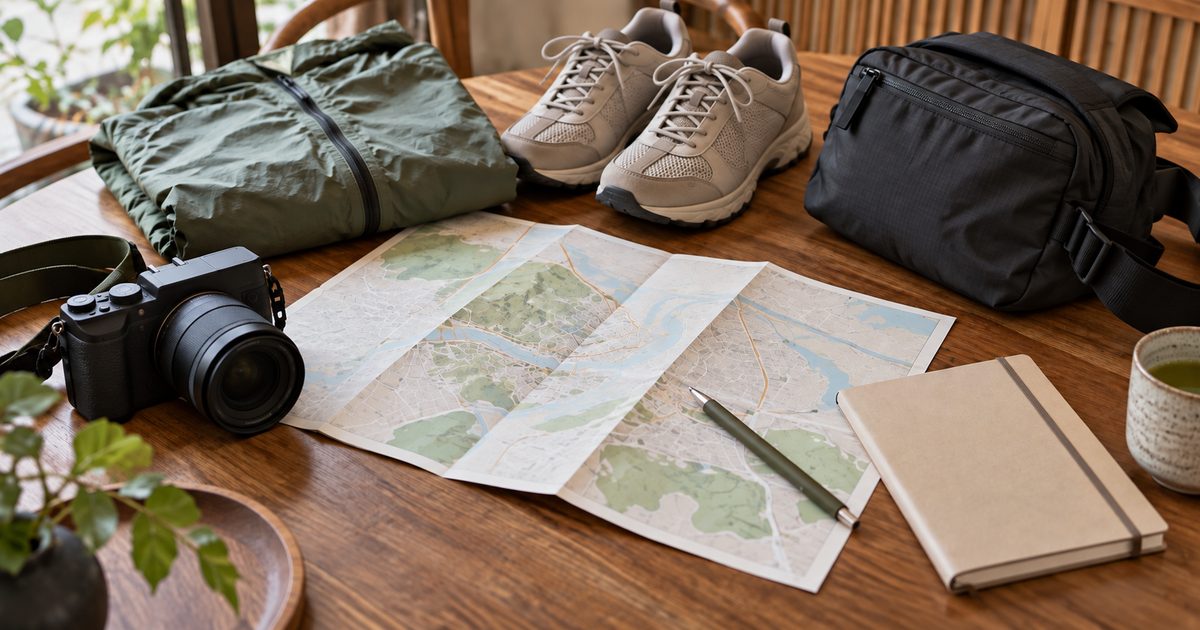
- A small towel for washing and a larger one for drying off; many ryokan provide both, but day-use baths sometimes charge a small fee or expect you to bring your own.
- Coins in small denominations, useful for coin lockers, vending machines, and some day-use bath entry fees.
- Flexible footwear, since old onsen towns often have uneven stone streets, and yukata are typically worn with geta sandals provided by your inn.
- A swimsuit is generally not worn in traditional communal baths; bathing is done nude, separated by gender in most facilities. This surprises many first-time visitors, so it helps to know in advance rather than be caught off guard.
Common Mistakes First-Timers Make
Assuming all baths are open to day visitors. In towns like Shibu, several of the public bathhouses are reserved for guests staying overnight in town, with keys issued by participating ryokan. Always check whether a bath is day-use or guest-only before walking over.
Not washing before entering the tub. Nearly every onsen expects bathers to rinse off at the washing stations first; skipping this step is considered impolite.
Bringing a towel into the bathwater. Small towels are usually kept out of the water, often folded on top of the head or set aside, rather than dipped into the shared tub.
Ignoring tattoo policies. Rules on tattoos differ significantly between facilities in Nagano. Some ryokan and public baths prohibit visible tattoos outright, others allow coverage with a waterproof patch, and a growing number are tattoo-friendly. Because there's no single prefecture-wide rule, check each facility's own website or contact them directly before your visit, particularly if tattoos are visible and sizeable.
Underestimating transfer times in winter. Snow can slow bus schedules around Nozawa Onsen and Yudanaka, so travelers heading to catch a specific Shinkansen back to Tokyo should allow extra buffer time, especially in January and February.
Planning Your Visit
A single overnight stay is enough to experience one onsen town properly, including an evening and morning bath, a walk through the streets, and a nearby attraction such as the monkey park. Those with more time sometimes combine two towns, though this adds significant travel time given the local transfers involved.
Prices for ryokan stays, day-use bath entry, and bus tickets vary by season and tend to rise around winter holidays and the Jigokudani monkey season, so it's worth checking current rates on official booking sites or each facility's own page rather than relying on older published figures. For broader trip planning, including seasonal event information and regional transport updates, the Japan National Tourism Organization website is a reliable starting point.
Whichever town you choose, Nagano's onsen culture rewards slowing down: wandering the streets in a yukata, listening for the sound of running water between baths, and treating the whole visit as more than just a quick soak.
FAQ
- Q. What is the best onsen town in Nagano for a first-time visitor?
- A. Shibu Onsen (渋温泉) and neighboring Yudanaka Onsen (湯田中温泉) are popular first choices because they combine traditional streetscapes, easy access by train and bus from Tokyo, and proximity to the Jigokudani Monkey Park.
- Q. How do I get from Tokyo to Nagano onsen towns?
- A. Most visitors take the Hokuriku Shinkansen from Tokyo Station to Nagano Station (roughly 1.5 hours), then transfer to a local train or bus toward towns such as Yudanaka, which adds another 45-60 minutes depending on the destination.
- Q. Are tattoos allowed at Nagano onsen?
- A. Policies vary by facility; some ban visible tattoos, others allow them if covered with a patch, and a few are fully tattoo-friendly, so always check the individual onsen's official website or ask at the front desk before entering.