Naha City Onsen Guide: Best Hot Springs in Okinawa's Capital
Key takeaways
- Naha City itself has very few natural hot springs; most visitors use day-use spa facilities with imported or treated spring water.
- Real geothermal onsen are concentrated outside Naha, mainly in the Naha–Tomari port area and further afield on Okinawa's main island.
- Day-use facilities typically charge roughly 1,000–2,500 yen and provide towels or rentals, but hours and prices change, so check official websites first.
Naha City itself has very few natural hot-spring sources, so most hot-spring-style bathing in the city center is offered at day-use spa facilities using heated or treated water rather than on-site geothermal springs. Genuine volcanic onsen on Okinawa's main island tend to be located outside central Naha, so first-time visitors should plan a short trip beyond downtown if they want a true geothermal bathing experience.
This guide explains what "onsen" means in the Naha context, how to get to bathing facilities without reading Japanese, what to bring, and common mistakes to avoid.
What "Onsen" Means in Naha
Okinawa's geology is different from mainland Japan, where volcanic activity produces abundant natural hot springs. Naha and the surrounding areas have comparatively few natural hot-spring sources, so many bathing facilities marketed as "onsen" to tourists actually use water that has been heated, mineral-enhanced, or brought in from elsewhere on the island. This is common practice in Japan and not unique to Okinawa, but it is worth knowing before you go, since some travelers expect a fully natural spring experience.
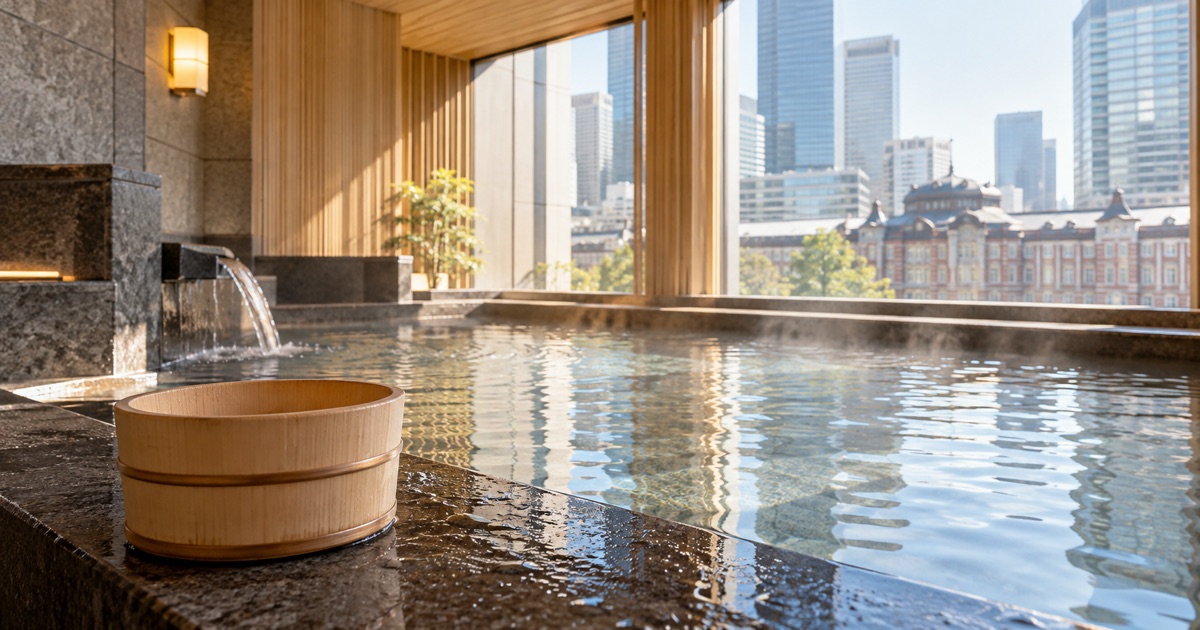
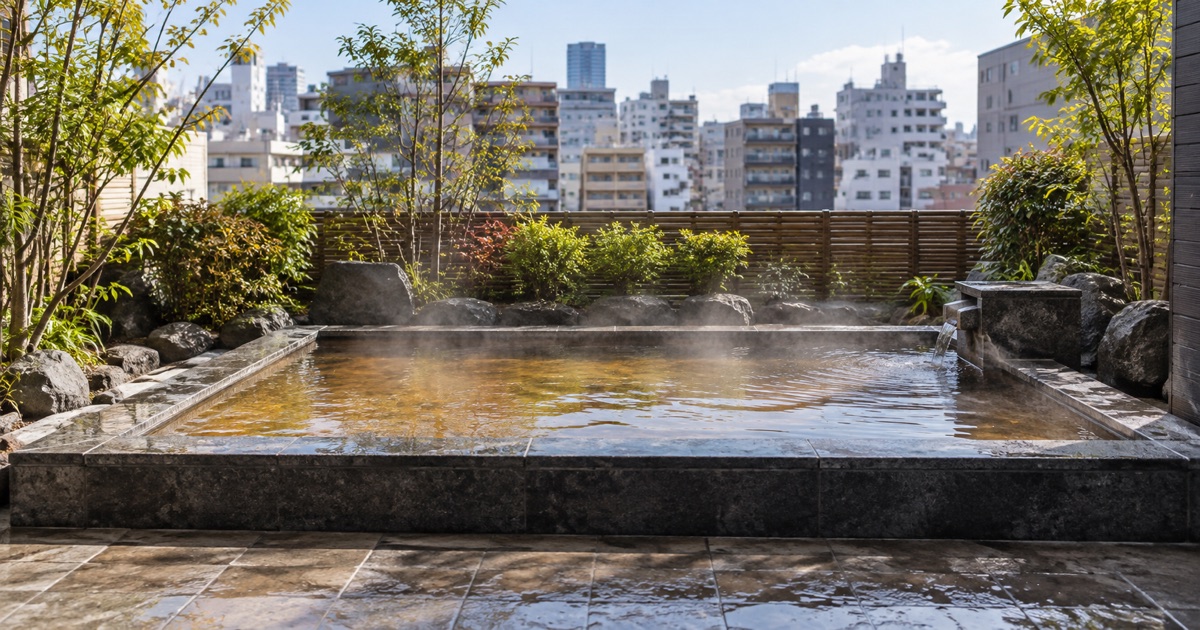
That said, facilities offering indoor and outdoor baths (sometimes called "rotenburo" or open-air baths), sauna rooms, and relaxation areas do exist in and around Naha, and they can still be a pleasant way to unwind after a day of sightseeing. If a true natural hot spring is your priority, it's worth researching facilities a little further from the city center, since some are located near the coast or in areas with documented hot-spring sources.
Getting to Onsen Facilities from Naha
Naha is compact and walkable in its central districts, but hot-spring facilities are often a taxi, bus, or monorail-plus-transfer ride away.
From Naha Airport or Central Naha
- Monorail (Yui Rail): Naha's monorail line connects the airport to central areas like Omoromachi and the Shuri district. It is the easiest way to get around without a car, but it does not reach most hot-spring facilities directly.
- Taxi: For facilities a short distance from the monorail stations, a taxi is often the simplest option, especially if you're traveling with luggage or after a long flight.
- Rental car: Many hot-spring and spa facilities on Okinawa's main island are easier to reach by car, particularly if they are located along the coast or in resort areas outside Naha. If you plan to visit multiple facilities or explore beyond the city, renting a car is worth considering.
Travel times vary significantly depending on the facility's location, roughly anywhere from 15 minutes to over an hour from central Naha, so check the facility's own website or a map service for current travel estimates before heading out.
We are working to carry Japanese craft and everyday culture beyond Japan, by building Japan Towns with local partners.
Read the Japan Town plan →What to Bring and What to Expect
Before You Go
- A small towel and a larger towel: Some facilities rent or sell both, but bringing your own avoids any uncertainty, especially for first-time visitors unfamiliar with rental procedures.
- Coins or small bills: Lockers and some rental services may require exact change.
- Hair ties, if needed: Long hair is generally expected to be tied up before entering the bathing area.
- Flexibility on timing: Opening hours, closed days, and admission prices change seasonally and over time, so always check the facility's official website shortly before your visit rather than relying on older guides or listings.
At the Facility
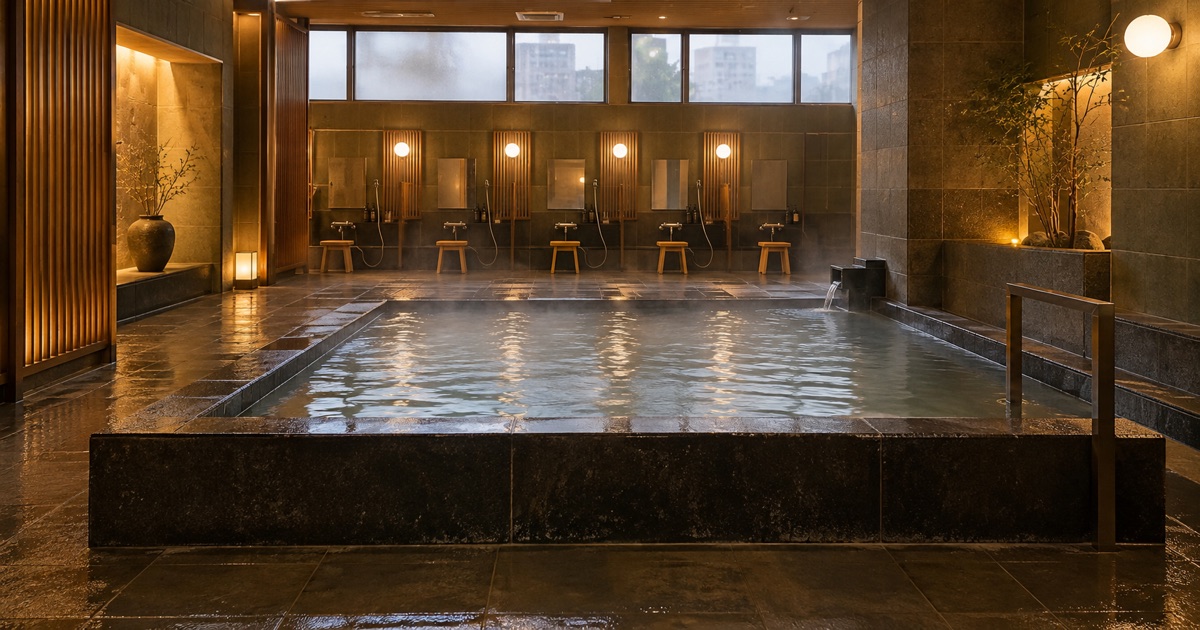
The general etiquette at Japanese bathing facilities is consistent nationwide, including in Naha: wash and rinse your body thoroughly at the shower or washing stations before entering the shared bath, keep your towel out of the bathwater, and avoid bringing phones or cameras into the bathing area. Speaking quietly and avoiding splashing are also appreciated.
Most day-use facilities in the Naha area charge roughly 1,000 to 2,500 yen for entry, though prices vary by facility, time of day, and whether you add extras like sauna access or private bath rentals. Because pricing structures and hours are subject to change, it's best to confirm current rates directly on each facility's website before you go.
Tattoos and Bathing Policies
Policies on visible tattoos differ considerably from one facility to another in Japan, and Naha is no exception. Some bathing facilities welcome guests with tattoos without restriction, others require small tattoos to be covered with a waterproof sticker, and some still decline entry to anyone with visible tattoos regardless of size. There is no single citywide rule, so the only reliable approach is to check the specific facility's own website, or contact them directly, before planning your visit. If you're uncertain, consider looking into facilities that explicitly state they are tattoo-friendly, as a growing number of spots catering to international visitors do so.
Common Mistakes First-Time Visitors Make
- Assuming all "onsen" in Naha are natural hot springs. As noted above, many facilities use heated or treated water. If this matters to you, check the facility's description of its water source.
- Not checking closed days. Many day-use facilities close for maintenance on certain days of the week or month, and this can change seasonally, so confirm before traveling out of your way.
- Forgetting cash. While card payments are increasingly accepted across Japan, smaller facilities or lockers may still require cash, so carry some yen.
- Entering the bath without rinsing first. This is considered poor etiquette nearly everywhere in Japan and can draw disapproving looks from other bathers or staff.
- Underestimating travel time. Okinawa's road traffic, especially around Naha, can be heavier than visitors expect, so build in extra time if you're driving or taking a bus.
Planning Your Visit
Because Naha's onsen landscape is shaped by Okinawa's distinct geology, visitors hoping for a classic mainland-style hot-spring town experience may want to adjust expectations: Naha works well as a base for day trips to bathing facilities, both within the city and in neighboring areas of Okinawa's main island. For general travel planning, transportation options, and up-to-date information on visiting Okinawa, the Japan National Tourism Organization website is a useful starting point, particularly for verifying seasonal transport schedules and travel advisories before your trip.
Whichever facility you choose, always reconfirm hours, prices, and tattoo policies directly on the operator's own website shortly before visiting, since this information changes more often than general guides can keep up with.
FAQ
- Q. Is there a real onsen in central Naha City?
- A. Naha has limited natural hot-spring sources, so most bathing facilities in the city use heated or imported spring water rather than on-site geothermal springs; check each facility's website for its water source.
- Q. Can tourists with tattoos use onsen facilities in Naha?
- A. Policies vary widely by facility, some allow tattoos, some require cover stickers, and some refuse entry, so always check the specific facility's own website or call ahead before visiting.
- Q. Do I need to bring my own towel to a day-use onsen in Naha?
- A. Many day-use facilities rent or sell towels on-site, but bringing a small towel and a larger one is a safe habit, since rental stock and rules can vary.