Nara Onsen: A First-Timer's Guide to Hot Springs Near Nara
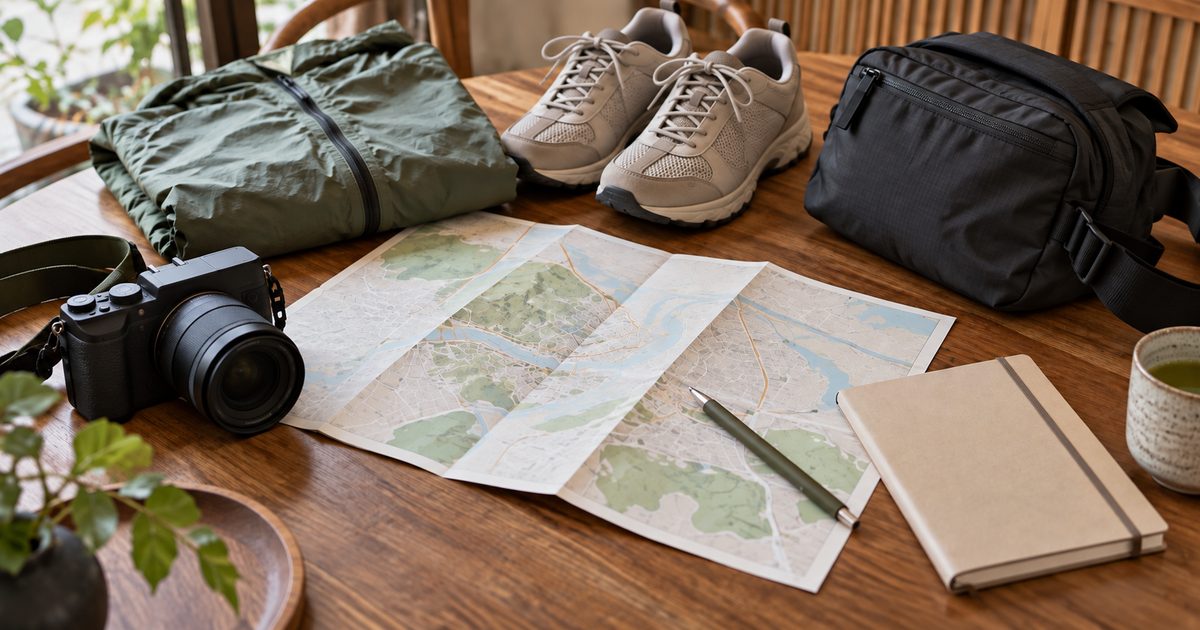
Key takeaways
- Nara city itself has few natural hot springs, but day-use onsen and hotel baths exist in and around the city and nearby areas like Yamato-Takada and Gojo.
- Many visitors combine Nara's temples and deer park with an onsen stop on the way to or from Kyoto or Osaka, since Nara is not a dedicated onsen resort town.
- Check tattoo policies, towel rental, and bathing hours on each facility's official website before you go, since rules and schedules vary and change.
Nara Onsen: What First-Time Visitors Should Know
Nara city is not a traditional onsen town, but a handful of day-use baths and hotel hot springs can be found in and around the city, with more options in nearby areas of Nara Prefecture such as Yamato-Takada and Gojo. Most visitors treat an onsen visit as an add-on to a day of temple and deer-park sightseeing rather than the main reason for the trip.
This guide explains what kind of hot spring experience to expect near Nara, how to get there, and the basic etiquette and practical steps a first-time visitor should know before stepping into a Japanese bath.
Why Nara Is Different From Famous Onsen Towns
Nara's main draw is historical: Todai-ji Temple, the large bronze Buddha, and the free-roaming deer of Nara Park. Unlike onsen-centric destinations such as Hakone, Kinosaki, or Beppu, Nara was not built around a hot spring resort industry, so there is no cluster of traditional ryokan streets with steaming baths at every corner.
That said, natural hot spring sources do exist within Nara Prefecture, particularly in areas south of Nara city, and some hotels and public bathhouses pipe in or truck in genuine onsen water. If a facility advertises itself as "onsen" (温泉) rather than just a public bath (sento, 銭湯), it should be using natural hot spring water, though the source and distance can vary, so checking the facility's own description is the safest way to confirm.
Getting to Nara and Planning Your Time
Nara is well connected to both Kyoto and Osaka by train, making it an easy day trip. From Kyoto Station, the JR Nara Line runs directly to Nara Station in roughly 45 minutes on a rapid service. From Osaka, the JR Yamatoji Line connects Osaka (Namba, Imamiya, or Tennoji) to Nara in a similar timeframe. There is also a private Kintetsu line connecting Kyoto and Osaka (Namba) to Kintetsu-Nara Station, which is closer to the central sightseeing area.
Because Nara is usually visited as a day trip, most travelers plan their itinerary as: arrive in the morning, spend several hours around Nara Park and the temples, then either look for a day-use bath before heading back, or stay overnight at a hotel that has its own onsen or large communal bath. If a specific bath is important to your plans, build in extra time, since walking around Nara Park with deer and crowds can take longer than expected.
For rail pass planning, check the Japan National Tourism Organization site for general travel information, and the relevant rail operator's official site, such as JR West, for current routes and any applicable passes covering the Kansai region.
Types of Baths You Might Find Near Nara
Hotel and ryokan baths: Some hotels in and around Nara city offer a large communal bath (sometimes called daiyokujo) for guests, and a smaller number use genuine onsen water. These are usually included with an overnight stay, though some allow day-use guests for a fee at certain times of day.
Day-use public bathhouses: A handful of public bath facilities in the wider Nara area allow non-staying visitors to pay an entrance fee and use the baths for a few hours. These tend to be simpler than resort-style onsen, with basic changing rooms and indoor baths, sometimes with an outdoor bath (rotenburo) as well.
Onsen facilities outside Nara city: Areas like Yamato-Takada, Gojo, and other parts of Nara Prefecture have hot spring facilities that draw on local natural sources. These are typically a further train or bus ride from central Nara, so they suit visitors with a full day or those extending their trip beyond the main sightseeing district.
Since specific facility names, hours, and prices change over time, this guide does not list individual establishments. Search for "onsen" or "day-use bath" near Nara on a map app, then confirm details on that facility's own official website before heading out.
How a Japanese Bath Works: Basic Steps
- Pay at the entrance and receive a locker key or basket for your clothes.
- Undress completely in the changing room. Japanese communal baths are typically bathed in without swimwear.
- Wash and rinse thoroughly at the shower stations before entering the bath. This is one of the most important rules and is taken seriously at every facility.
- Tie up long hair so it does not touch the water, and leave your small towel outside the bath or rest it on your head — do not let it soak in the water.
- Enter the bath quietly and relax. Loud talking, swimming, or splashing is generally discouraged.
- Rinse off if you wish after bathing, then dry off with your towel before returning to the changing room, since dripping water on the changing room floor is considered poor etiquette.
What to Bring
- A small towel for washing and modesty (many facilities sell or rent one if you forget)
- A larger towel for drying off, unless the facility provides one
- Coins or small bills for lockers, vending machines, or entrance fees, as some smaller facilities are not fully card-friendly
- Any toiletries you prefer, although basic soap and shampoo are usually provided
Tattoos and Common Mistakes
Policies on tattoos vary widely from one facility to another. Some baths in Japan still restrict visible tattoos, some allow them if covered with a waterproof patch, and others have no restriction at all. Because there is no single national rule, always check the specific facility's official website or contact them directly if you or anyone in your group has a tattoo.
A common mistake for first-time visitors is assuming Nara has an onsen town atmosphere similar to Kinosaki or Hakone and planning a trip around that expectation. It is better to treat Nara primarily as a historical and cultural destination, with an onsen as a relaxing bonus rather than the centerpiece. Another frequent error is underestimating how much time Nara Park and the temples take, leaving too little time for a bath before a facility's closing time — always check the latest hours on the official website, since they can change seasonally.
Planning Your Visit
Before setting out, decide whether you want a quick day-use bath near the main sightseeing area or are willing to travel further into Nara Prefecture for a more traditional onsen experience. Confirm transport times using the official sites of the rail operators serving the Kansai region, and check each bathing facility's own website for current opening hours, entrance fees, and tattoo policy, since these details are subject to change without notice.
FAQ
- Q. Is Nara a good place to find hot springs?
- A. Nara is better known for its temples and deer park than for onsen. There are day-use baths and hotel baths in and around the city, but Nara is not a major onsen resort area like Hakone or Kinosaki, so expectations should be set accordingly.
- Q. Can I visit a Nara onsen as a day trip from Kyoto or Osaka?
- A. Yes. Nara is roughly 45 minutes to an hour from Kyoto or Osaka by train, so a day-use bath can be combined with sightseeing in Nara Park before heading back.
- Q. Are tattoos allowed in Nara onsen facilities?
- A. Policies vary by facility. Some ban visible tattoos, some allow them if covered with a patch, and a few are tattoo-friendly. Always check the facility's own website or call ahead before visiting.