Onsen on the Nakasendo Trail: Where to Soak Between Magome and Tsumago
Key takeaways
- Kiso Fukushima and the wider Kiso Valley are the most practical base towns for onsen after walking, with day-use options at some ryokan and public bathhouses.
- Bring a small towel, coins for lockers or bus fares, and check each facility's tattoo and photography policy on its own website before arriving.
Onsen on the Nakasendo Trail: Where to Soak Between Magome and Tsumago
There is no onsen directly on the Nakasendo Trail's famous Magome-to-Tsumago walking section, so most travelers bathe afterward in a nearby town such as Nagiso (南木曽) or Kiso Fukushima (木曽福島). This article explains where those baths are, how to get there from the trail, and what to pack for a comfortable post-hike soak.
The Nakasendo (中山道) was once a major inland route connecting Kyoto and Edo (modern Tokyo), and the preserved stretch through the Kiso Valley (木曽谷) in Nagano and Gifu prefectures is now one of Japan's most popular half-day hikes for overseas visitors. The walk itself passes through forest, old post towns, and rice terraces, but it was built for foot traffic and horses, not for hot spring development, so don't expect a bath at the trailhead.
Why There's No Onsen Directly on the Trail
Onsen require natural hot spring water sources, and the specific stretch between Magome (馬籠宿) and Tsumago (妻籠宿) does not have a developed source along the path. The towns themselves are preserved Edo-period post stations, with traditional inns, shops, and rest stops rather than bathing facilities. Some accommodation in Magome and Tsumago may offer a bath for overnight guests, but these are typically small ryokan or minshuku baths rather than full onsen facilities, and availability changes often, so check directly with any inn you're considering before counting on it.
If a soak is an important part of your trip, plan to travel onward to a nearby onsen town rather than expecting one mid-walk.
Getting From the Trail to an Onsen Town
The most common routes travelers use:
- Walk Magome to Tsumago (roughly 8 km, about 2.5 to 3 hours at a relaxed pace, depending on stops and the season).
- From Tsumago, take a local bus to Nagiso Station, where you can connect onward by JR train.
- From Nagiso, travel toward Kiso Fukushima or other Kiso Valley towns, which have more developed lodging and bathing options.
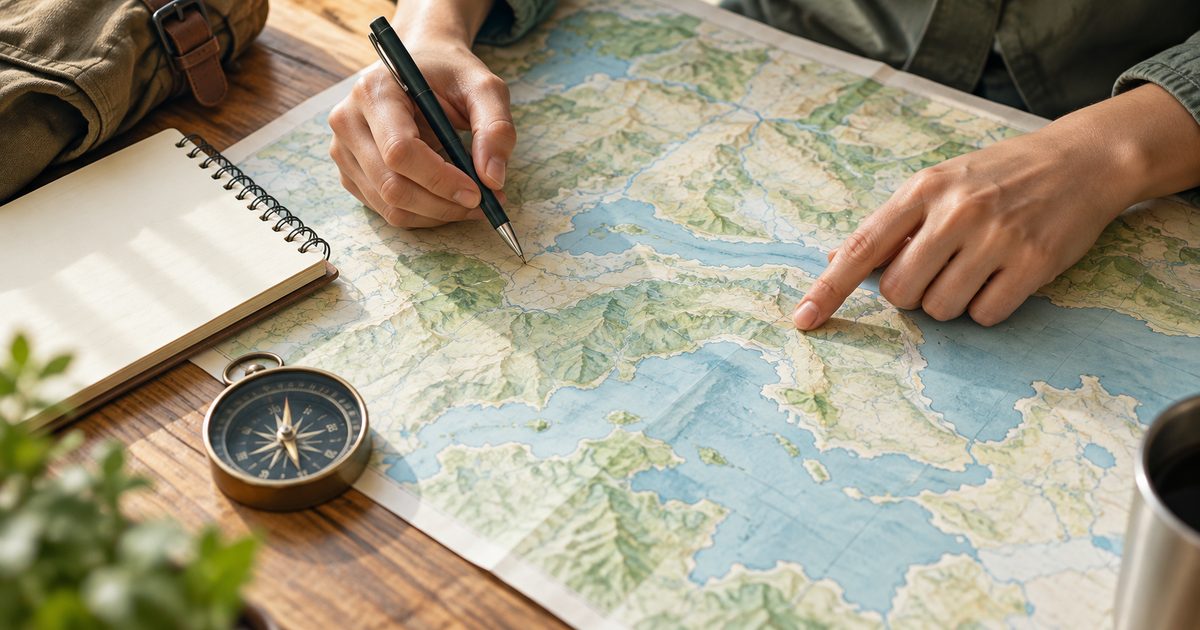
Train services in this region run on JR lines, and schedules and routes can change, so check current times on the JR Central website before you travel. If you're coming from Tokyo or Nagoya, the Kiso Valley is typically reached by transferring from a shinkansen station onto a local line, so build in extra time for connections.
Kiso Fukushima as a Base for Onsen
Kiso Fukushima is one of the larger towns in the Kiso Valley and a practical base if you want a bath after walking. It has public bathhouses and some ryokan that accept day-use bathers, though hours, pricing, and whether day-use is available at all can change by season or even by day. Always check a facility's own website or call ahead rather than assuming it will be open when you arrive.
Smaller towns along the valley, including Nagiso itself, may also have limited bathing options, but these tend to be modest in scale compared to well-known onsen resort towns elsewhere in Japan. Set expectations accordingly: this is a quiet, rural valley, not a large hot spring resort.
What to Bring for a Hike-Then-Bath Day
- A small towel, since many facilities either don't provide one or charge a small rental fee.
- Coins or small bills for lockers, bus fares, and any day-use entry fee.
- A change of clothes if you plan to bathe after a sweaty walk, since you'll want something dry and clean afterward.
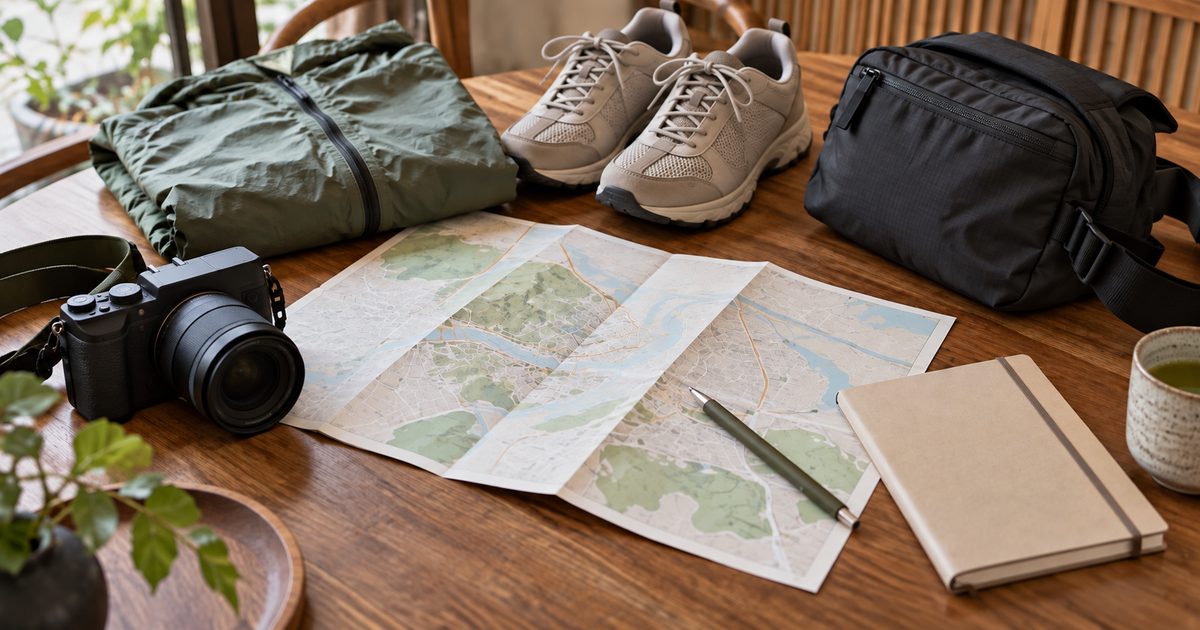
- Comfortable walking shoes for the trail itself, which includes some uneven stone sections and gentle climbs.
- Water and a light snack, since services along the walking path itself are limited compared to a city center.
Tattoos and Facility Policies
Policies on visible tattoos vary from one onsen or public bath to another, and there is no single national rule. Some facilities in rural areas like the Kiso Valley are relaxed about small tattoos, while others maintain stricter policies regardless of size. If you have tattoos, check the specific facility's own website in advance, or ask at the front desk before undressing. The same applies to photography inside bathing areas, which is typically not allowed in shared spaces for privacy reasons.
Common Mistakes First-Time Visitors Make
- Assuming Magome or Tsumago has a public onsen. Both towns are primarily historic post stations with shops, cafes, and inns, not bathing complexes.
- Underestimating bus and train connection times. The walk itself may only take a few hours, but reaching an onsen town afterward can add another hour or more depending on connections.
- Not checking last bus or train times in advance. Rural bus schedules in the Kiso Valley tend to be infrequent, especially outside peak tourist season, so confirm return times before you start walking.
- Expecting large resort-style facilities. This is a quiet mountain valley; bathing options are typically smaller in scale than at famous onsen towns like Hakone or Kusatsu.
Planning Your Day
A realistic day plan looks something like this: start the walk from Magome in the morning, arrive in Tsumago by early afternoon, take the local bus to Nagiso Station, then continue by train toward Kiso Fukushima or your overnight accommodation. If bathing is a priority, confirm in advance whether your lodging has its own bath, since this removes the need to find a separate day-use facility after a full day of walking.
For general trip planning, including regional transport information, the Japan National Tourism Organization website is a useful starting point before you book transport or accommodation.
Final Notes
The Nakasendo Trail is valued for its historic atmosphere and forest scenery, not for hot springs along the path itself. Treat the onsen as a separate, worthwhile stop afterward rather than something built into the hike. Because opening days, prices, and day-use policies at small rural facilities can change with little notice, always confirm current details directly with the facility or check official transport sites before finalizing your plans.
FAQ
- Q. Is there an onsen right on the Nakasendo Trail between Magome and Tsumago?
- A. No. The historic walking path itself has no bathing facilities; travelers typically reach onsen by returning to a town such as Nagiso or Kiso Fukushima after finishing the walk.