Onsen Near Kobe Station: Best Easy Options for Visitors
Key takeaways
- Arima Onsen (有馬温泉) is the closest famous hot spring area to Kobe, roughly 30-45 minutes away by train and bus combined.
- There is no major onsen resort directly at Kobe Station itself, so a short train ride is required to reach real hot spring baths.
- Many Arima facilities offer day-use bathing (日帰り入浴) without an overnight stay, but hours and tattoo policies vary by facility and should be checked in advance.
Onsen Near Kobe Station: What to Know First
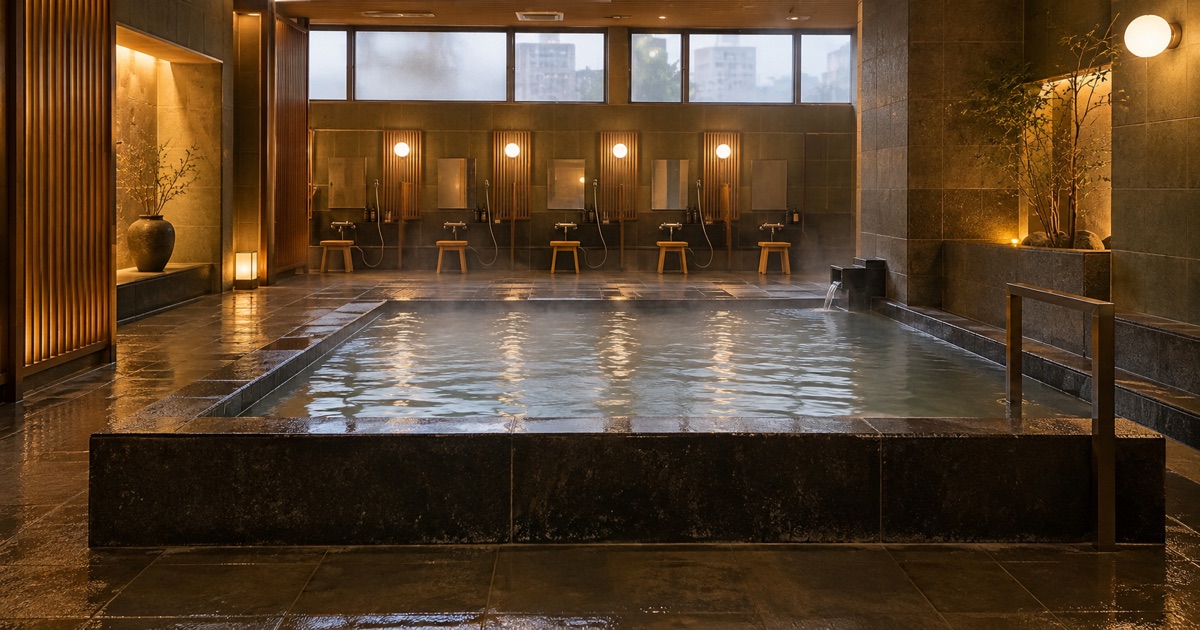
There is no hot spring bath directly at Kobe Station, but the famous Arima Onsen (有馬温泉) is the closest well-known onsen town, reachable in roughly 30 to 45 minutes by a combination of train and bus. For visitors staying in Kobe city who want a genuine hot spring experience without a long journey, Arima is the practical and most popular choice.
This article explains how to get from Kobe Station to Arima Onsen, what to expect once you arrive, and a few smaller options worth knowing about if Arima doesn't fit your schedule.
Why Arima Onsen Is the Main Option
Arima Onsen is one of the oldest and most celebrated hot spring towns in Japan, tucked into the mountains north of Kobe city. It's known for two distinct water types: a reddish-brown "golden" water (kinsen, 金泉) rich in iron and salt, and a clear "silver" water (ginsen, 銀泉) with dissolved minerals and carbonate. Many ryokan and public bathhouses in the town offer one or both types.
Because Arima sits within the greater Kobe-Osaka urban area, it's realistic as a half-day or full-day trip, and some visitors also choose to stay overnight to experience the town's quieter evening atmosphere.
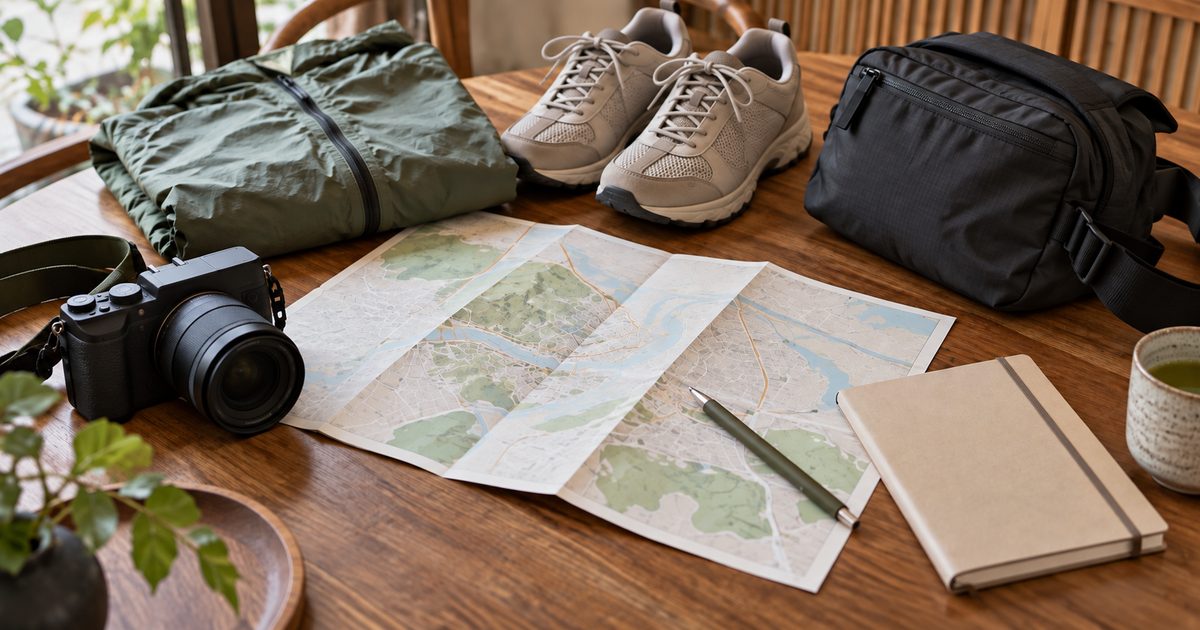
How to Get There from Kobe Station
The exact route depends on which "Kobe Station" you start from, since the city has a few stations with similar names (JR Kobe Station, Sannomiya area stations, and Shin-Kobe Shinkansen station are all different).
A common approach:
- From JR Kobe Station or nearby Sannomiya, take a local train toward Shin-Kobe or transfer as needed to reach a connecting line that serves the Arima direction.
- From Shin-Kobe Station, direct bus services run to Arima Onsen, and this is often the simplest single-transfer option for visitors unfamiliar with the local rail network.
- Alternatively, trains on the Kobe Electric Railway (Shintetsu) connect to Arima-guchi or Arima Onsen Station from stations further inland, which may require an additional transfer from central Kobe.
Because routes and transfer points can be confusing for first-time visitors, it's worth checking current train and bus options on a Japanese transit app (such as Google Maps or a local transit app) on the morning of your trip, since schedules and platform numbers can shift. If you're also planning wider rail travel in the region, the Japan National Tourism Organization site has general planning information, and JR West covers train services in the Kansai area where Kobe is located.
Rough travel time: 30-45 minutes door to door from central Kobe, depending on your starting station and transfer waits. Add extra time if you're travelling during rush hour or on a weekend when buses to Arima can be busier.
We are working to carry Japanese craft and everyday culture beyond Japan, by building Japan Towns with local partners.
Read the Japan Town plan →What to Expect at Arima Onsen
Arima is a compact, walkable town built along a river valley, with narrow streets, traditional ryokan, public footbaths, and a couple of well-known public bathhouses that are open for day-use bathing. Many private ryokan also allow non-staying guests to use their baths for a few hours during the day, usually for a set entry fee.
Day-Use Bathing Basics
- Day-use bathing (日帰り入浴) means visiting just for the bath, without staying overnight. It's offered by many ryokan in Arima, though not all, and some require reservations.
- Entry fees for day-use bathing generally range from affordable to mid-range per person, but this varies a lot by facility, so check the official website or call ahead if the information is in English.
- Towels are sometimes included in the fee and sometimes not — bring a small travel towel just in case, along with a hand towel for modesty if you prefer.
- Hours for day-use bathing are usually limited to a window in the daytime or early evening, separate from hours for overnight guests. These change seasonally and should always be confirmed on the facility's own website before you go.
Tattoos and Facility Policies
Tattoo policies differ significantly between facilities in Arima. Some ryokan and bathhouses still restrict visible tattoos, while others are more relaxed or offer private bath options as a workaround. Because this varies facility by facility and can change, it's best to check each place's own website or contact them directly before visiting if this applies to you.
What to Bring
- A small towel (though some facilities rent or sell them)
- Any skin-sensitive products you normally use, since communal bath areas don't provide personal toiletries beyond basic soap/shampoo at most facilities
- Cash, since smaller ryokan and bathhouses in Arima may not accept cards for day-use entry fees or locker use
- Comfortable shoes, as the town has slopes and stone steps
Common Mistakes First-Time Visitors Make
Confusing the different "Kobe" stations. JR Kobe Station, Sannomiya, and Shin-Kobe are all separate stations in central Kobe, and the best onsen route depends on which one you're near. Double-check your starting point before planning the trip.
Assuming all ryokan offer day-use bathing. Some Arima ryokan are for overnight guests only. Always check a specific facility's website rather than assuming.
Not checking tattoo and bathing policies in advance. As noted above, this varies by facility and isn't standardized across the town.
Underestimating transfer time. Because the trip involves at least one transfer (train to bus, or train to train), allow extra buffer time, especially on weekends when Arima is popular with day-trippers.
Visiting without any cash on hand. Even in a well-known tourist town, not every bathhouse or small shop accepts credit cards.
A Few Smaller Alternatives
If Arima's travel time doesn't suit your schedule, some hotels and larger bathing facilities within greater Kobe city itself may offer hot spring or mineral bath facilities using water trucked in or drawn from smaller local sources. These are not the same as a mountain onsen town experience, but can be an option for visitors who want a bath without leaving the city. Availability and authenticity (natural hot spring vs. heated tap water) vary, so check each facility's own description of their water source before assuming it's a genuine onsen.
Planning Your Visit
Arima Onsen remains the most reliable and well-known answer for anyone searching for an onsen near Kobe Station, offering a genuine hot spring town experience within a manageable travel time from the city. Because opening hours, day-use bathing availability, fees, and tattoo policies can all change or vary by facility, always confirm details on the official website of the specific ryokan or bathhouse you plan to visit before setting out.
FAQ
- Q. Is there an onsen inside or right next to Kobe Station?
- A. No. Kobe Station itself does not have a hot spring bath. The nearest well-known onsen area, Arima Onsen, is about 30-45 minutes away by train and bus.
- Q. Can I visit Arima Onsen as a day trip from Kobe Station without staying overnight?
- A. Yes, many ryokan and bathhouses in Arima offer day-use bathing (日帰り入浴) for a few hours, though some require advance booking and hours change seasonally.
- Q. Do I need cash for onsen facilities near Kobe?
- A. It's safest to carry some cash, since smaller bathhouses and ryokan in Arima may not accept credit cards for day-use entry or locker fees.