Onsen Near Nara Park: Best Hot Springs and Day Baths Nearby
Key takeaways
- Nara Park has no onsen on-site; the nearest proper hot spring baths require a train ride of roughly 30-60 minutes.
- Nara City has sento (public baths) and some super sento-style facilities closer by, though these typically use heated tap water, not natural hot spring water.
Is there an onsen near Nara Park?
Nara Park itself does not have a hot spring bath, so visitors wanting a genuine onsen experience need to travel outside the immediate park area. Nara City does have public bathhouses (sento) within a short bus or taxi ride, but true natural hot spring (onsen) facilities are more commonly found further afield, in places like Arima Onsen near Kobe or the hot spring areas of Wakayama Prefecture.
This is a common point of confusion for first-time visitors. Nara Park, home to the famous bowing deer, Todai-ji Temple, and Kasuga Taisha Shrine, is a cultural and historical destination rather than a hot spring resort town. If relaxing in natural hot spring water is part of your trip plan, it's worth understanding the realistic travel times involved before you build your itinerary around Nara.
Why Nara Park has no onsen
Onsen in Japan rely on naturally occurring hot spring water, usually tied to volcanic or specific geothermal activity. Nara City, while historically significant, doesn't sit on a major hot spring source the way towns like Hakone, Beppu, or Arima do. As a result, the bathing culture in and around Nara Park leans toward standard public bathhouses (sento), which heat ordinary tap water rather than drawing from a natural spring. These can still be a pleasant, inexpensive way to relax after a day of walking, but they are a different category of facility from an onsen, and it's worth knowing the difference before you go.
Closest bathing options to Nara Park
Public bathhouses (sento) in Nara City
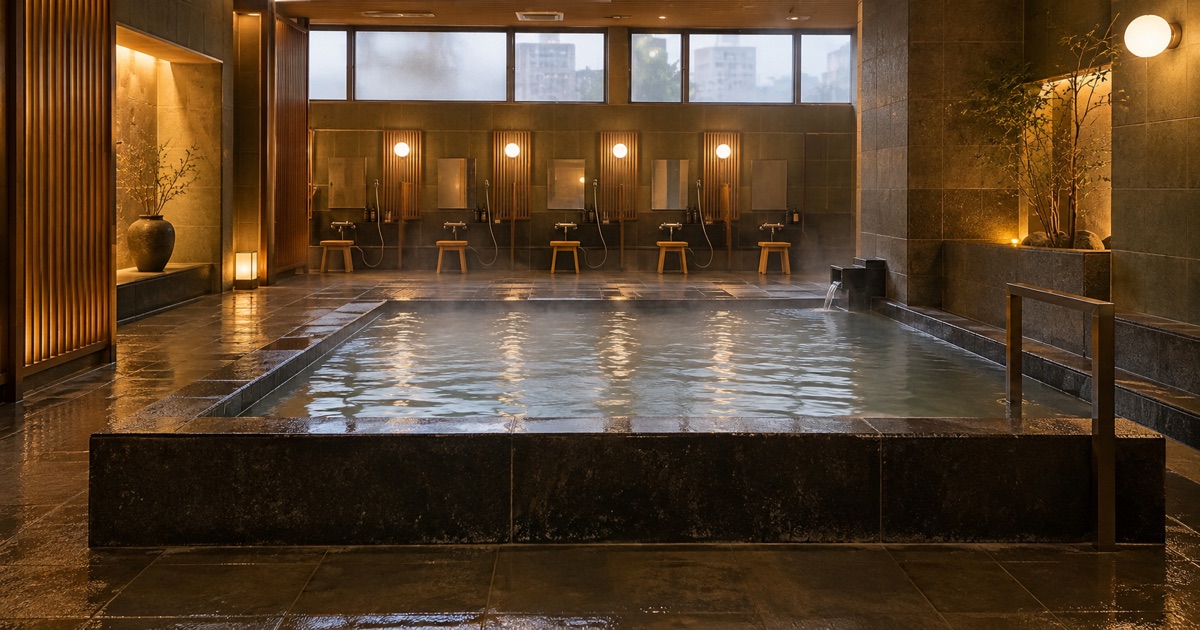
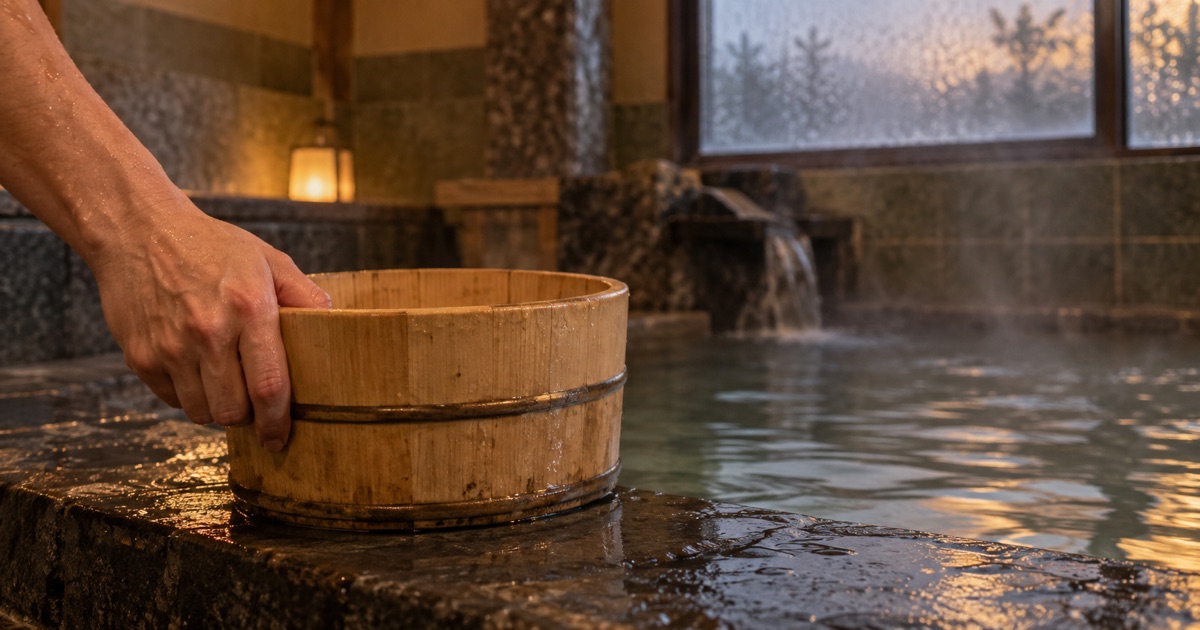
A handful of sento operate in Nara City, generally a 10-20 minute walk or short bus ride from Nara Park. These are everyday neighborhood baths used by locals, with modest entry fees, usually in the range of a few hundred yen. They won't have the mineral-rich water associated with onsen, but they follow the same basic bathing etiquette: wash and rinse thoroughly at the shower stations before entering the communal tub, and never bring soap or shampoo into the bath water itself.
Because sento come and go, and hours vary by facility and season, always check a venue's own website or a recent local listing before heading over, rather than relying on older information found online.
Day-use onsen requiring a train trip
For visitors who specifically want a natural hot spring experience, the realistic options involve leaving Nara City. Arima Onsen (有馬温泉), one of Japan's oldest and most famous hot spring towns, is reachable from Nara in roughly 90 minutes to two hours depending on your route, typically involving a transfer through Osaka or Kobe. Wakayama Prefecture's coastal hot spring areas, including Shirahama, are a further option for those willing to commit most of a day to the trip, usually around two to two and a half hours one-way by train.
These trips are best treated as separate day excursions rather than an add-on to a Nara Park visit, given the combined travel time.
We are working to carry Japanese craft and everyday culture beyond Japan, by building Japan Towns with local partners.
Read the Japan Town plan →Planning an onsen day trip from Nara
Step 1: Decide if you want a day trip or an overnight stay
Because Nara itself isn't an onsen town, most visitors either treat hot spring bathing as a separate day trip before or after their Nara visit, or they base themselves in Kyoto or Osaka, both of which have better rail connections to onsen areas. Kyoto Station and Osaka's major stations connect to the Kansai rail network operated in part by JR West, which can simplify onward travel to places like Arima or Wakayama.
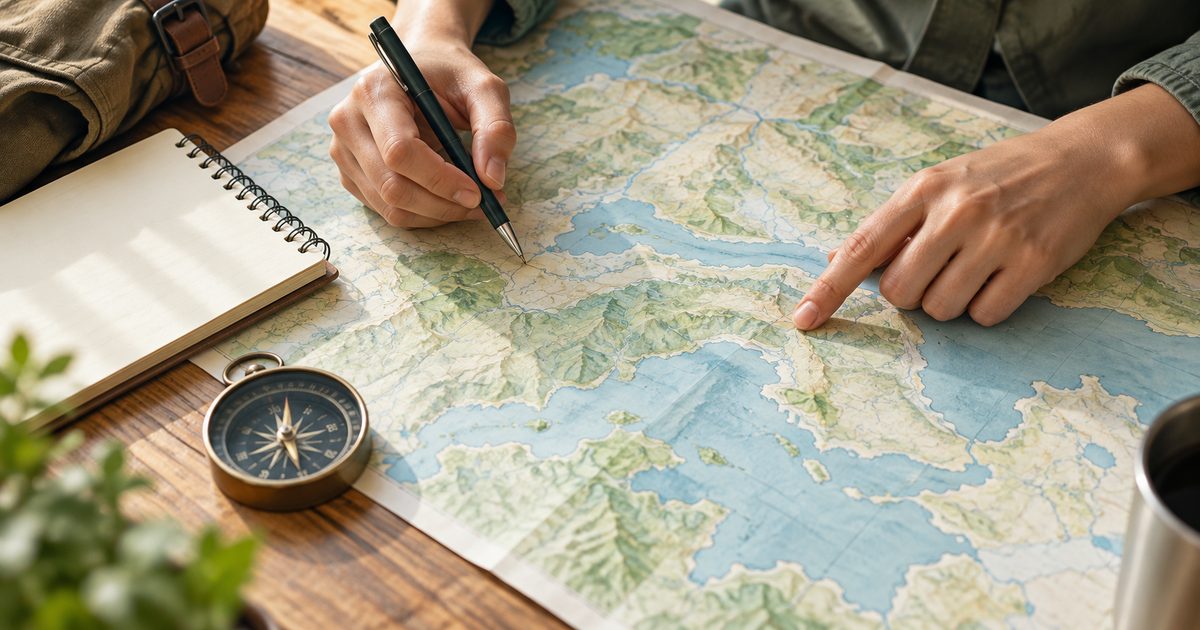
Step 2: Check train routes and rough travel times in advance
Routes to Arima Onsen typically involve a train to Osaka or Kobe followed by a local line or the Kobe Dentetsu Arima Line. Routes to Wakayama's hot spring areas usually run via JR lines along the coast. Timetables and transfer points can change, so confirm current routes on the relevant rail operator's website shortly before your trip rather than relying on fixed schedules found elsewhere.
Step 3: Pack what you'll need
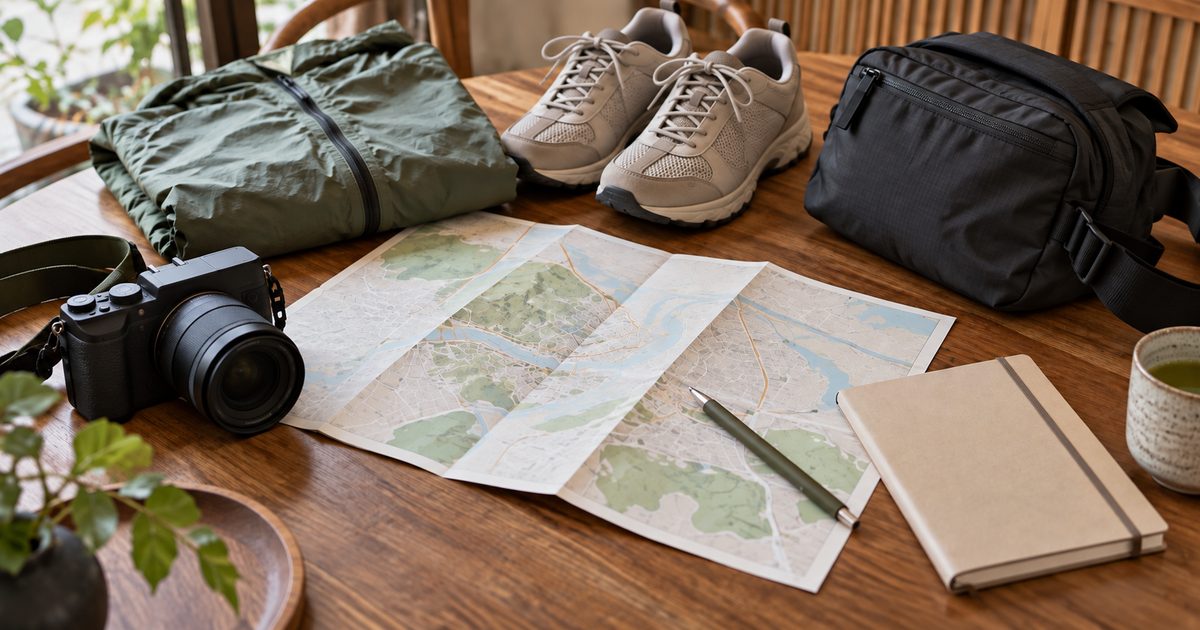
Most day-use onsen facilities rent or sell small towels and sometimes larger bath towels, but policies vary. Bring:
- A small hand towel (for modesty while walking between washing and bathing areas, and for drying off before leaving the bathing area)
- Cash in small denominations, since some smaller facilities and rural bath towns don't accept cards
- A change of clothes if you plan to bathe mid-trip rather than at the end of the day
- Hair ties if you have long hair, as it generally needs to be kept out of the water
Step 4: Confirm tattoo and group policies before you go
Tattoo policies differ significantly from one facility to another in Japan. Some onsen and sento welcome visitors with tattoos, others ask that they be covered with a small patch, and some still refuse entry outright. Because this varies so much by individual facility and can change, always check the specific venue's own website or contact them directly rather than assuming a blanket national rule.
Common mistakes to avoid
Assuming "onsen" and "sento" are the same thing. They often look similar from the outside, but only onsen use genuine hot spring water. If the facility's name or website doesn't clearly state it draws from a natural spring, it's likely a sento.
Underestimating travel time. Arima Onsen and Wakayama's hot spring areas are genuinely worthwhile, but they are not quick side trips from Nara Park. Build in enough time for transfers, and check the latest train information on an official source such as JR West before finalizing your plans.
Forgetting to check hours and closures. Bathhouses and onsen facilities in Japan sometimes close for maintenance, change their hours seasonally, or require reservations for certain time slots. Always check the facility's own website close to your visit date.
Skipping the pre-bath wash. Whether at a sento in Nara or an onsen in Arima, the expectation is the same: wash and rinse completely at the shower stations before entering the shared bathing water.
Final tips for visitors
If a genuine hot spring experience matters to your trip, treat it as a separate leg of your Kansai itinerary rather than something to squeeze in around a Nara Park visit. Basing yourself in Kyoto or Osaka gives more flexibility for day trips to established onsen towns, while a Nara Park visit itself is better planned as a half-day or full-day outing focused on the deer, temples, and shrines. For general trip planning and up-to-date travel information across Japan, the Japan National Tourism Organization is a useful starting point before you book transport or accommodation.
FAQ
- Q. Is there an onsen inside Nara Park?
- A. No. Nara Park is a public park and historic site with deer, temples, and shrines, but it has no hot spring bathing facility within its grounds.
- Q. Can I find a real onsen (natural hot spring) in Nara City?
- A. Natural hot spring sources are limited in central Nara City itself; most bathing options there are sento (public baths) using regular heated water, so confirm the water source on each facility's website before visiting.
- Q. What's the closest true onsen town to Nara?
- A. Arima Onsen near Kobe and onsen areas around Wakayama are among the better-known options reachable within a couple of hours by train from Nara Station.