Shibuya Onsen Spa: A First-Timer's Guide to Bathing Near Shibuya
Key takeaways
- Shibuya has day-use hot spring and sento-style facilities within a short walk or train ride of Shibuya Station, open to non-residents without a hotel stay.
- Expect to pay roughly ¥1,000–¥3,000 depending on the facility, with towel and sauna upgrades often costing extra.
- Tattoo and nudity policies vary by facility, so check the official website or call ahead before visiting if you have visible tattoos.
Is there an onsen spa in Shibuya?
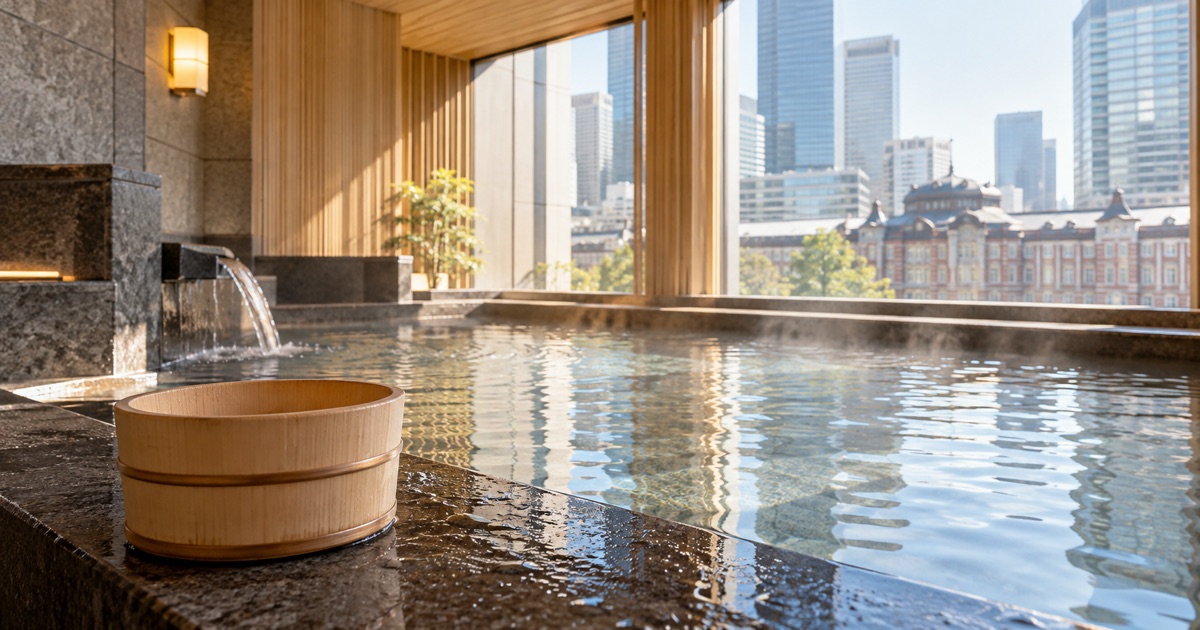
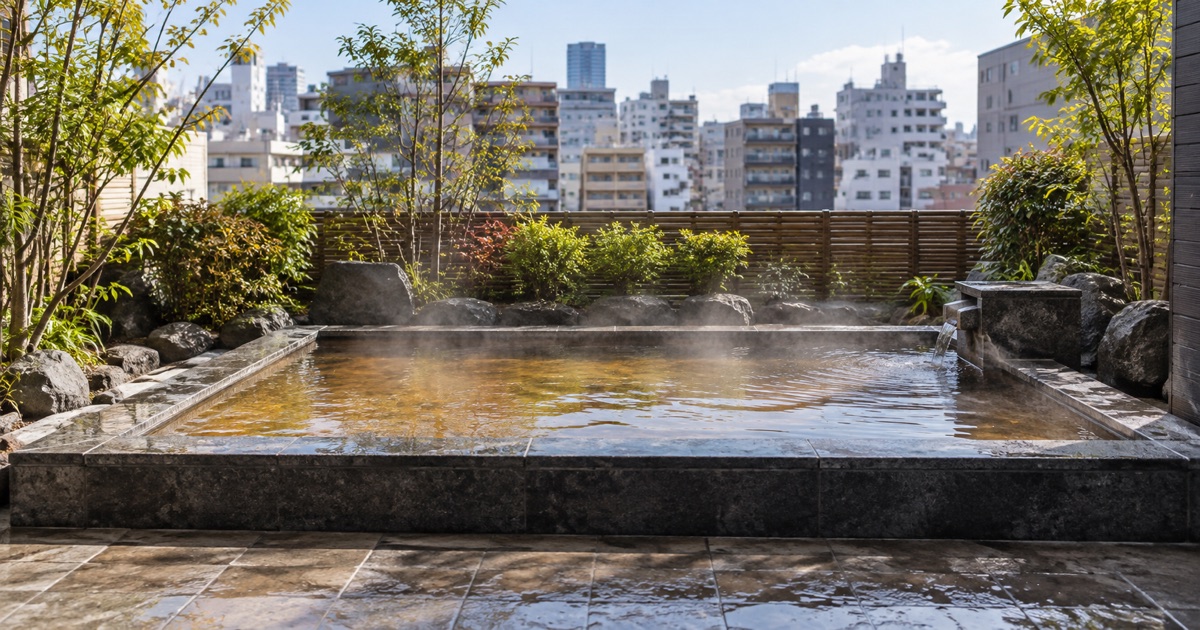
Yes. Shibuya, one of Tokyo's busiest districts, has day-use bathing facilities that let visitors soak without booking a hotel room. Some draw genuine hot spring water from underground, while others are large, modern sento (public bathhouses) with saunas, cold plunges, and relaxation lounges. Either way, you can walk in off the street, pay an entry fee, and spend an hour or more unwinding before or after exploring the city.
This guide explains what to expect, how much it costs, what to bring, and the etiquette mistakes first-time visitors most often make.
Onsen vs. sento: what's the difference?
In Japan, "onsen" (温泉) legally refers to water that comes from a natural hot spring source and meets specific mineral content and temperature standards. "Sento" (銭湯) are public bathhouses using regular heated water. In a dense urban area like Shibuya, you'll find a mix of both. Neither type is inherently better for relaxation purposes, but if soaking in natural mineral water specifically matters to you, check the facility's own website, since it will usually state whether the water is a genuine hot spring or not.
How to get there and what to expect
Most day-use bathing facilities near Shibuya are within walking distance of Shibuya Station (渋谷駅) or a short train or bus ride away. Shibuya Station is served by JR lines as well as several private railways, so if you're coming from elsewhere in Tokyo, check JR East for route and fare information before you set out.
Because facility names, locations, and operating hours change over time, this article does not list specific business names. Instead, search for "day-use onsen" or "spa" near Shibuya Station on a map app immediately before your trip, and confirm current hours and closures on the facility's own website, since hours can shift seasonally or close temporarily for maintenance.
Typical costs
Entry fees for day-use facilities in the Shibuya area generally range from around ¥1,000 to ¥3,000, depending on whether the facility includes sauna access, rooftop baths, or lounge areas. Towel rental, locker keys, and amenity kits are sometimes included and sometimes charged separately, which results in a noticeably different total cost depending on the facility. Always check the official pricing page before you go, because fees do change.

We are working to carry Japanese craft and everyday culture beyond Japan, by building Japan Towns with local partners.
Read the Japan Town plan →What to bring
- A small amount of cash and a card. Many facilities accept IC cards (Suica, Pasmo) or credit cards, but it's wise to carry some cash as a backup.
- A hair tie if you have long hair, since hair touching the bath water is generally discouraged.
- Flip-flops or sandals are not usually necessary, as most facilities provide indoor slippers, but check if you prefer your own.
- Skip your swimsuit. Traditional onsen and sento in Japan are bathed in without clothing, because communal bathing customs in Japan are based on being nude in gender-separated baths. A small modesty towel is normally allowed to carry around, but it should not touch the bath water itself.
Step-by-step: your first visit
- Pay at the entrance or a ticket machine. Many facilities use vending-machine-style ticket systems; staff can usually help if you're unsure which button to press.
- Remove your shoes at the entrance and store them in a shoe locker, which is common practice at almost all Japanese bathhouses.
- Head to the gender-separated changing room and undress completely, placing your clothes and belongings in a locker.
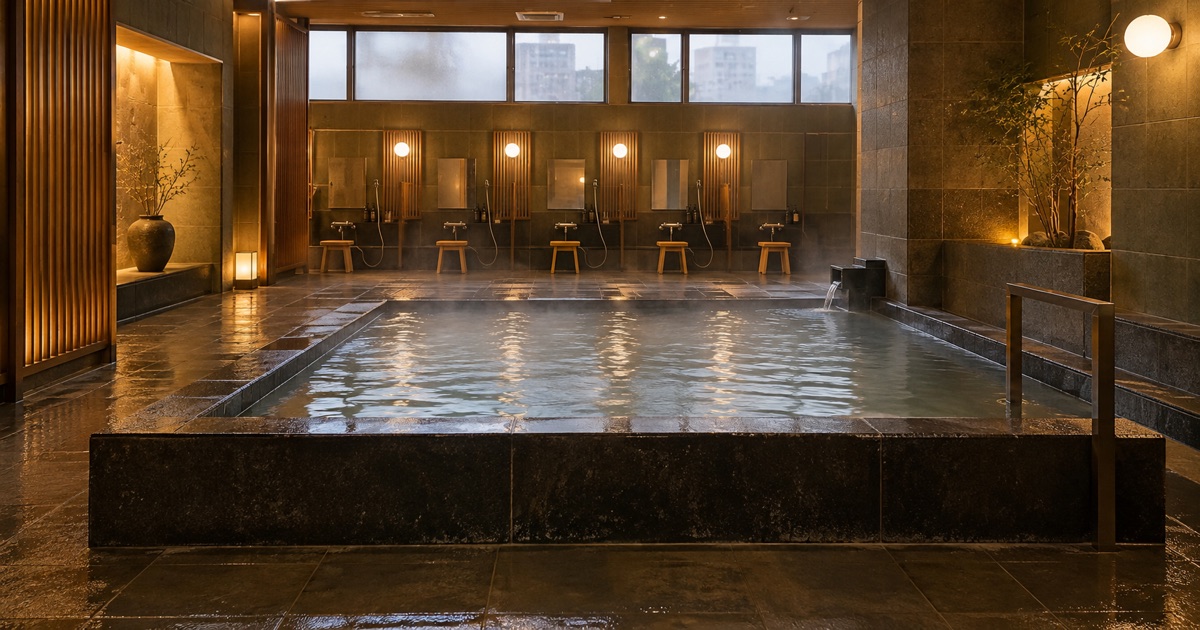
- Wash thoroughly at a shower station before entering the bath. This step matters because the communal bath water is shared by everyone, which means entering without rinsing off is considered a significant breach of etiquette.
- Enter the bath quietly, keeping your small towel out of the water, and avoid swimming, splashing, or loud conversation.
- Rinse off again if you wish, then dry off partially before returning to the changing room, since dripping water onto changing room floors is generally frowned upon.
Common mistakes first-time visitors make
- Skipping the pre-bath shower. This is the single most common etiquette mistake overseas visitors make, because it's not a widespread custom outside Japan, which results in disapproving looks from other bathers.
- Bringing a phone or camera into the bathing area. Photography inside bathing areas is essentially never allowed, due to the nudity and shared space, so leave devices in your locker.
- Assuming all facilities allow tattoos. Tattoo policies vary significantly across Japan. Some facilities in Shibuya welcome visitors with tattoos, some require covering small tattoos with a waterproof patch, and others decline entry altogether. Because policies differ by facility and can change, always check the specific onsen or spa's official website or call ahead if you have visible tattoos.
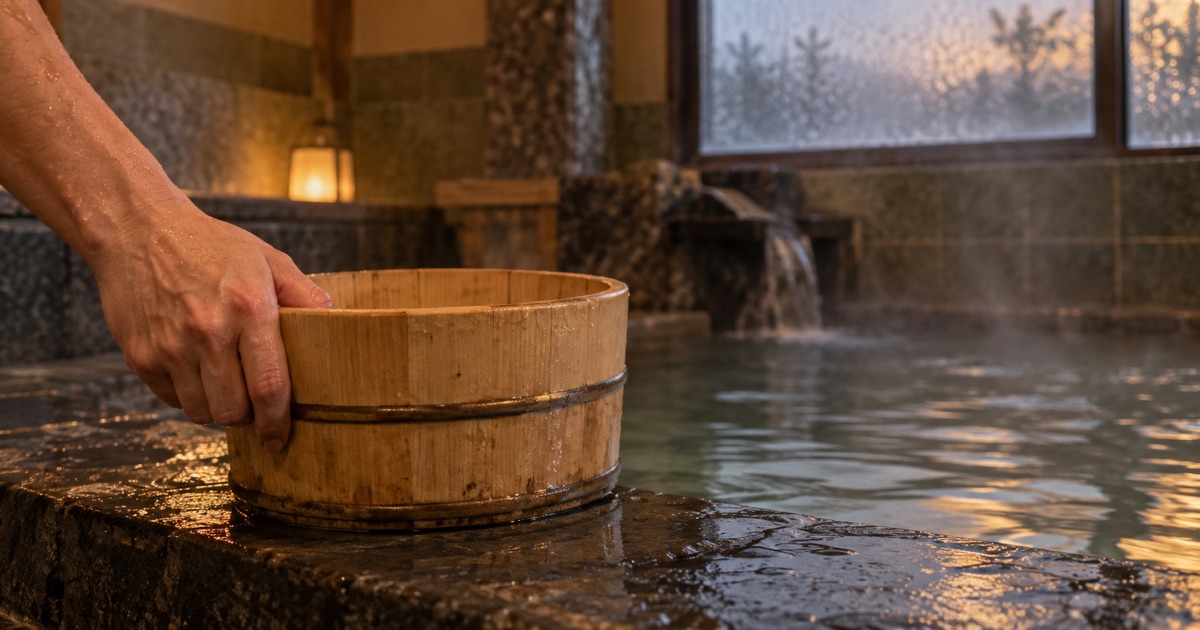
- Forgetting that towels usually can't enter the water. Keep your small towel on your head or beside the bath rather than dipping it in.
Tattoo and nudity policy notes
Shibuya's bathing facilities set their own rules, so there is no single citywide policy. If you have tattoos, it's worth searching the facility's English-language page (if available) or using a translation tool on the Japanese site before visiting, since some offer tattoo-friendly hours, private baths, or covering patches as workarounds. Nudity in the main bathing areas is standard practice and expected of all guests, rather than optional, so visitors uncomfortable with this should look into private bath (kashikiri-buro) options if available at a given facility.
Planning your visit around Shibuya
Day-use bathing works well as a bookend to a day of sightseeing, shopping, or a work trip layover, since many facilities are open well into the evening, though exact hours vary and should be confirmed on-site or online in advance. If you're combining Shibuya with other parts of Tokyo, the Japan National Tourism Organization website is a reliable starting point for general transit and travel planning across the city.
Because facilities can close for renovation, change ownership, or adjust their tattoo and hours policies without much notice, always reconfirm details like pricing, hours, and admission rules directly on the facility's own website shortly before your visit rather than relying solely on guidebooks or older articles.
FAQ
- Q. Is there a real onsen (natural hot spring) in Shibuya, or only sento (public baths)?
- A. Both exist in the Shibuya area. Some facilities pump genuine mineral-rich spring water from underground, while others are modern sento using heated tap water with added bath salts or features; the facility's website usually states which type it is.
- Q. Can I use a day-use onsen in Shibuya if I have tattoos?
- A. Policies differ by facility. Some welcome tattooed guests, others ask you to cover small tattoos with a patch, and some restrict entry entirely, so check the specific facility's official website before going.
- Q. Do I need to bring my own towel and toiletries?
- A. Many facilities rent or sell towels, soap, and shampoo on site, but policies and prices vary, so check in advance if you want to avoid buying extras at the counter.