Nakasendo Onsen Ryokan: Where to Soak Along the Old Road
Key takeaways
- The best bases for a Nakasendo onsen ryokan stay are Kiso-Fukushima, Yabuhara, and the area around Magome and Tsumago.
- Most post towns themselves have few baths; nearby onsen villages a short bus or taxi ride away have the ryokan with real hot spring baths.
- Book ryokan well ahead, carry cash, and confirm tattoo and nudity policies directly with each facility before you go.
Where to Find a Nakasendo Onsen Ryokan
The best places to find an onsen ryokan along the Nakasendo (中山道) are the Kiso Valley towns of Kiso-Fukushima (木曽福島) and Yabuhara (藪原), plus the hot spring villages within easy reach of the famous post towns of Magome (馬籠) and Tsumago (妻籠). The historic post towns themselves are wonderful for walking and overnight guesthouse stays, but most of their inns are not hot spring facilities, so travelers who specifically want an onsen bath usually base themselves a short bus or taxi ride away.
This matters because the Nakasendo was originally a trade and pilgrimage route connecting Kyoto and Edo (old Tokyo) through the mountains, not a hot spring resort circuit. Its onsen culture grew up in nearby valley towns where natural hot spring water was found, rather than inside the preserved post towns that draw most day-trippers today.
Why the Kiso Valley Is the Natural Base
The Kiso Valley (木曽谷), part of present-day Nagano Prefecture, is the heart of the central Nakasendo and the area most visitors mean when they search for a "Nakasendo onsen ryokan." Kiso-Fukushima was historically a checkpoint town and remains the largest settlement in the valley, with a train station on the JR Chuo Line and a reasonable choice of accommodation, including ryokan with onsen baths. Yabuhara, a smaller station further north, sits near the old Torii Pass walking route and also has a handful of traditional inns.
Staying in or near Kiso-Fukushima gives you a realistic base for day trips along different sections of the Nakasendo, including the well-known walk between Magome and Tsumago, without needing to change accommodation every night.
The Magome–Tsumago Walk and Nearby Baths
The roughly 8-kilometer trail between Magome and Tsumago is the single most popular walking section of the entire Nakasendo, usually taking visitors around 3 hours at an easy pace, including stops for photos and the small waterfall along the way. Both towns are compact, car-free in their historic cores, and lined with wooden buildings, small shops, and guesthouses.
For an actual onsen bath after the walk, most travelers either return to a ryokan in the Kiso Valley by train or bus, or check specifically for inns advertising natural hot spring baths near Nakatsugawa (中津川), the gateway town with a Shinkansen-connected station on the JR Central network. Not every guesthouse in Magome or Tsumago has a hot spring bath, so if soaking is the priority, read each property's own description carefully before booking rather than assuming.
Planning a Nakasendo Onsen Ryokan Trip
Getting There
Nagoya is the most common gateway for the Kiso Valley section of the Nakasendo, reachable by Shinkansen on the JR Central network, followed by a transfer to a local JR Chuo Line train into the valley. Travel time from Nagoya to Kiso-Fukushima is roughly 1.5 to 2 hours depending on the train, and timetables are infrequent in rural sections, so always check current departures on the official JR site rather than relying on an old printout.
If your trip also includes Tokyo or the Kanto region, the Nakasendo's eastern sections connect toward areas served by JR East, though the Kiso Valley and Magome-Tsumago area are most efficiently reached from the Nagoya side.
A Simple Two-Night Itinerary
A workable, low-stress plan for first-timers looks like this:
- Day 1: Travel from Nagoya to Kiso-Fukushima, check into an onsen ryokan, and spend the afternoon exploring the old town and checkpoint ruins.
- Day 2: Take a local train or bus toward Magome, walk the Magome–Tsumago trail, then return to the valley by bus or train for a second onsen night.
- Day 3: Visit Yabuhara or the Torii Pass area in the morning before heading back to Nagoya or onward.
This pattern avoids repacking every night and keeps train connections simple, since rural Nakasendo stations are not always staffed and schedules can be sparse, especially outside peak travel seasons.
What to Bring
- Cash. Many small ryokan, guesthouses, and local shops in the Kiso Valley and post towns do not accept credit cards.
- A small towel. Some traditional inns provide one, but carrying your own hand towel for bathing is a safe habit, especially at smaller facilities.
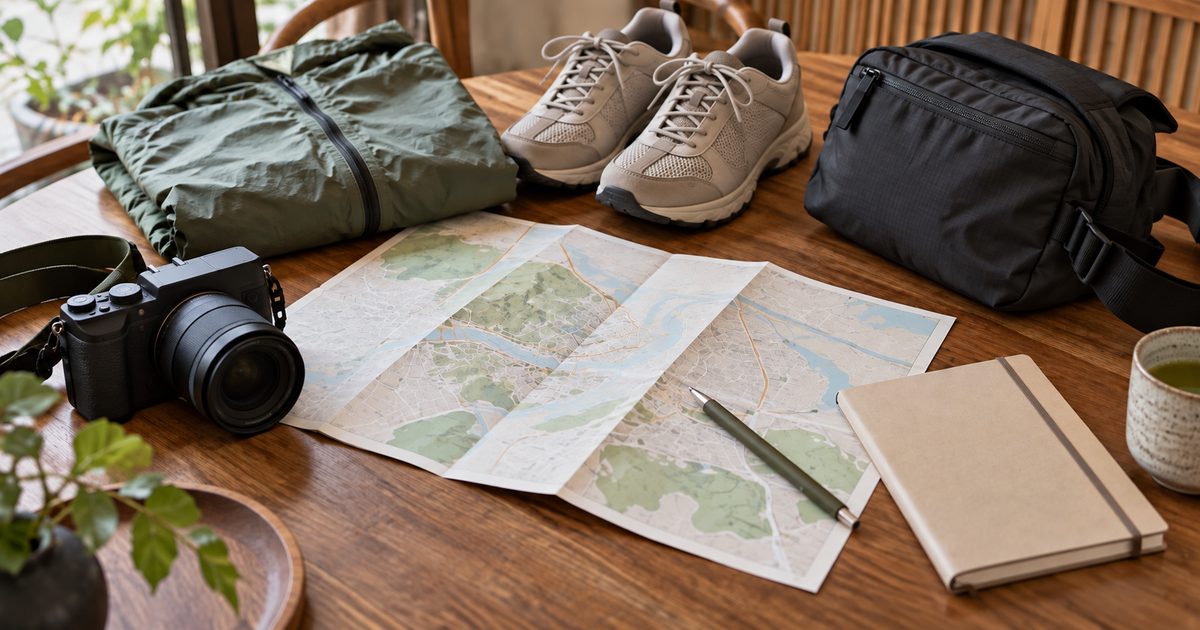
- Comfortable walking shoes. The Nakasendo trail sections include stone paving, forest paths, and some uneven ground.
- A paper or offline map, since mobile signal can be unreliable in mountain sections between post towns.
Common Mistakes to Avoid
A frequent mistake is assuming every guesthouse in Magome or Tsumago has an onsen bath; many offer only a regular bath or shower, so confirm this detail before booking if soaking is your main goal. Another common error is underestimating rural train frequency — local Chuo Line services in the Kiso Valley can run only once or twice an hour, so missing one train can mean a long wait. Finally, some visitors arrive without reserving dinner at their ryokan; many smaller inns operate on a fixed meal schedule and need advance notice, so always confirm meal times and any dietary restrictions when you book.
We are working to carry Japanese craft and everyday culture beyond Japan, by building Japan Towns with local partners.
Read the Japan Town plan →Onsen Etiquette and Facility Policies
Bathing customs at Nakasendo-area onsen follow the general rules found across Japan: wash and rinse thoroughly at the shower station before entering the shared bath, keep long hair tied up and out of the water, and avoid bringing towels into the bathtub itself. Most traditional ryokan baths are used without swimwear, and bathing areas are typically separated by gender, though a few smaller inns may offer private or family bath options that can be reserved by couples or families together.
Policies on tattoos vary significantly from one ryokan to the next, particularly at smaller, family-run inns in rural areas like the Kiso Valley. Some facilities allow tattoos without issue, others ask guests to cover small tattoos with a waterproof patch, and some do not permit tattoos in shared baths at all. Because there is no single nationwide rule, the only reliable approach is to check each ryokan's own website or contact them directly before your stay if this applies to you.
For general background on travel in Japan, including seasonal considerations and regional transport, the Japan National Tourism Organization is a useful starting point before finalizing a Nakasendo itinerary.
Final Practical Notes
Prices for a night at a Nakasendo onsen ryokan vary widely depending on the season, room type, and whether meals are included, so treat any figure you see online as a rough guide only and confirm current rates directly with the property. The same caution applies to opening hours for bathing facilities, train timetables, and seasonal closures, all of which can change without much notice in rural areas. Booking a few weeks ahead is wise during the busy autumn foliage season and major holidays, when the Kiso Valley's limited number of ryokan can fill quickly.
FAQ
- Q. Is there an onsen directly in Magome or Tsumago?
- A. Tsumago and Magome are preserved post towns with guesthouses and inns, but larger hot spring ryokan with full onsen facilities are mainly a short bus or taxi ride away, such as around Kiso-Fukushima or nearby onsen villages.
- Q. Do I need to speak Japanese to stay at a Nakasendo onsen ryokan?
- A. No, but English may be limited at smaller family-run inns. Confirm by email before booking, and keep a translation app handy for check-in and dinner.
- Q. Can I visit just for the day without staying overnight?
- A. Some ryokan along the route offer day-use bathing for a fee, but hours and availability change often, so check each facility's own website before visiting.