Best Onsen Near Fukuoka City: Day Trips and Towns
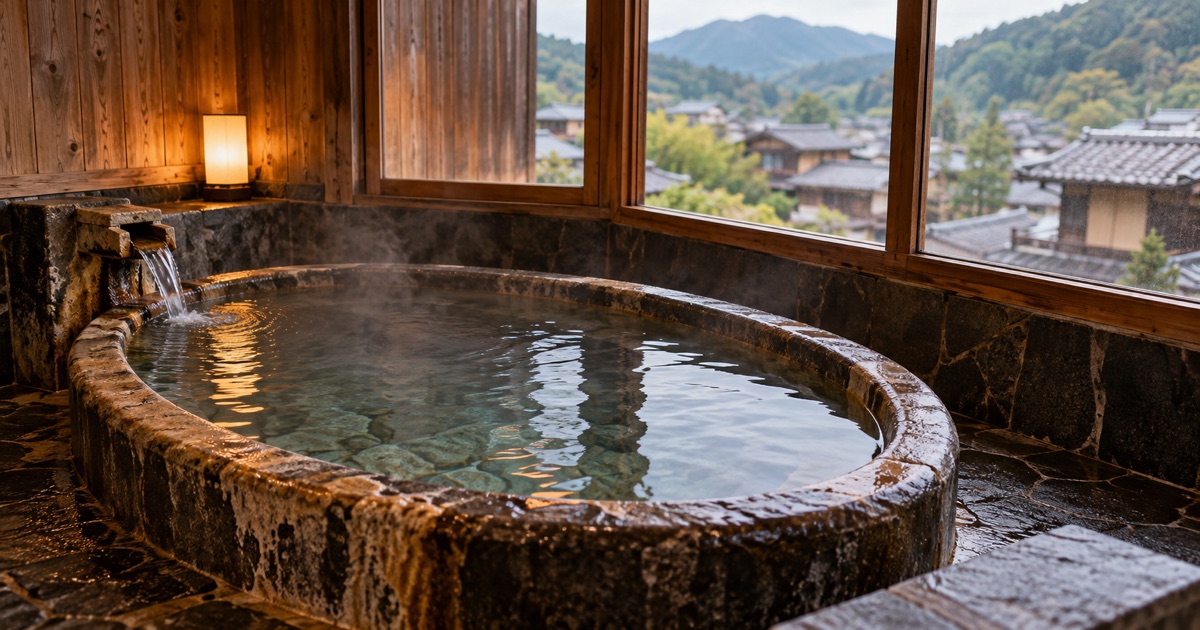
Key takeaways
- Futsukaichi Onsen is the closest historic hot spring area, located under 30 minutes from central Fukuoka by train.
- Urban bath complexes inside Fukuoka City offer thermal hot spring water without requiring countryside travel.
- Larger traditional onsen towns like Ureshino and Kurokawa are reachable within one to three hours by bus or train.
Finding an authentic onsen near Fukuoka City is straightforward, whether you want an urban day-use bathhouse or a historic hot spring town nestled in nearby valleys. Fukuoka serves as northern Kyushu's transit hub, putting renowned geothermal waters within a 20-minute to three-hour journey from Hakata Station (博多駅) or Tenjin Station (天神駅).
This guide covers top hot spring destinations near the city, practical transit directions for non-Japanese speakers, etiquette essentials, and what to pack.
Immediate Day Baths Within Fukuoka City
If you have only an afternoon to spare, you do not need to leave the metropolitan area to soak in natural mineral water.
Namiha no Yu (波葉の湯)
Located at Bayside Place Hakata along the waterfront, Namiha no Yu draws natural hot spring water from beneath the bay area. It functions as a full-service day spa featuring large open-air baths, indoor tubs, bedrock saunas, and private rental family baths (kashikiri).
- Transit: Catch a Nishitetsu bus from Hakata Station or Tenjin heading toward Hakata Port International Terminal, alighting at the Hakata Futo stop. The ride takes around 15 to 20 minutes.
- Good for: Travelers with limited time, evening soaks, or those seeking private family baths.
Manyo no Yu (万葉の湯)
Situated near Fukuoka Airport, Manyo no Yu hauls fresh geothermal water daily via tank trucks from both Yufuin and Takeo Onsen. It provides a classic Japanese relaxation complex experience with 24-hour amenities, relaxation loungers, and dining.
- Transit: A complimentary shuttle bus runs regularly from the Hakata Station Chikushi Exit. Travel time is around 10 to 15 minutes.
- Good for: Long transit layovers or late-night arrivals.
Historic Hot Springs Less Than an Hour Away
To experience traditional bathhouses with centuries of history, travel just outside the city boundaries into neighboring municipalities.
Futsukaichi Onsen (二日市温泉)
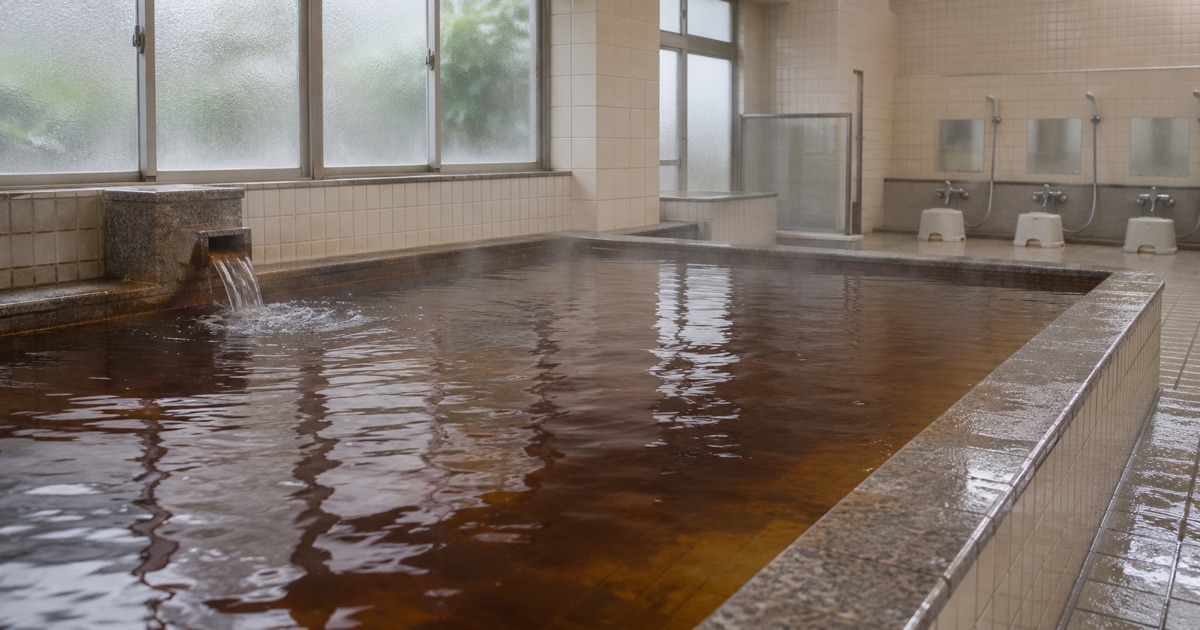
Futsukaichi is the oldest and most convenient hot spring district near Fukuoka, with written records tracing back over 1,300 years to the Nara period. Tucked into Chikushino City, it features quiet streets, historic inns, and two distinct communal public baths: Gozen-yu (御前湯) and Hakata-yu (博多湯). Hakata-yu operates directly over its historic spring source, pumping fresh, untreated sulfur water straight into wood-lined tubs.
- How to get there: Take a train from JR Hakata Station to JR Futsukaichi Station (roughly 15 to 20 minutes via rapid train), or take the Nishitetsu Tenjin-Omuta Line from Nishitetsu Fukuoka (Tenjin) Station to Nishitetsu Futsukaichi Station. From either station, the onsen district is a 15- to 20-minute walk or a 5-minute taxi ride.
- Cost range: Public communal baths generally cost roughly 300 to 800 yen for basic entry.
Miyawaka and Wakita Onsen (脇田温泉)
Located northeast of Fukuoka in Miyawaka City, Wakita Onsen rests along the Inunaki River in a forested valley. It offers peaceful outdoor baths (rotenburo) set against seasonal foliage, making it a favorite rural getaway for local residents.
- How to get there: Highway express buses run from Tenjin toward Nogata, stopping near Wakita. Alternatively, take a JR train to Fukuma Station or Akama Station and connect to a local bus or taxi. Travel times range from 45 to 60 minutes.
We are working to carry Japanese craft and everyday culture beyond Japan, by building Japan Towns with local partners.
Read the Japan Town plan →Scenic Onsen Towns for Half-Day and Full-Day Trips
If you have a full day or plan to stay overnight at a traditional inn (ryokan), several famous hot spring towns lie across northern Kyushu.
Takeo Onsen (武雄温泉)
Located in neighboring Saga Prefecture, Takeo features alkaline waters known for their silky texture. The entrance to the bathing area is marked by a distinctive red two-story gate (Romon) built in 1915 by architect Kingo Tatsuno. Beyond the gate lie several communal baths, including historic stone tubs originally reserved for feudal lords.
- How to get there: Ride the JR Relay Kamome limited express train from Hakata Station directly to Takeo-Onsen Station. The journey takes around 50 to 60 minutes.
- Transit pass: This route is fully covered by regional options from JR West and JR Kyushu, depending on the specific rail pass you hold.
Ureshino Onsen (嬉野温泉)
Famous across Japan for its bicarbonate-rich waters, Ureshino is also celebrated for green tea production and hot-spring tofu (onsen yudofu), which is boiled directly in alkaline thermal water until soft. The town sits around a compact riverfront lined with ryokan, free public footbaths (ashi-yu), and public bathhouses like Siebold no Yu.
- How to get there: Take the Relay Kamome train from Hakata to Takeo-Onsen Station, then transfer to the Nishi-Kyushu Shinkansen for a brief ride to Ureshino-Onsen Station (total travel time around 60 to 75 minutes). Direct highway express buses also run from Hakata Bus Terminal.
Harazuru Onsen (原鶴温泉)
Located along the Chikugo River in Asakura City, Harazuru features thermal waters containing both sulfur and alkaline properties. It is a relaxed resort area surrounded by fruit orchards, offering wide open-air baths overlooking the river and distant mountains.
- How to get there: Take a JR train from Hakata to JR Haruda or Chikugo-Yoshii Station and take a short taxi ride, or ride an express bus from Hakata Bus Terminal heading toward Hita. Total travel time is around 60 to 90 minutes.
Essential Onsen Etiquette for First-Time Visitors
Public bathing in Japan follows universal customs. Signs at modern facilities often have English pictograms, but the basic process remains the same everywhere:
- Footwear: Remove your shoes at the building entrance or locker area and place them in a shoe locker.
- Payment and Towels: Pay at the reception counter or ticket vending machine (kenbaiki). Most locations sell small washcloths for around 100 to 300 yen and rent large bath towels.
- Changing Room: Enter the correct gender section—red or pink curtains (noren) denote the women's bath (女), while blue curtains denote the men's bath (男). Undress completely in the locker area. Swimwear is not permitted in standard communal baths.
- Washing First: Sit on a plastic stool at a washing station before touching the communal bath water. Wash your hair and body thoroughly with soap, and rinse off all suds.
- Entering the Water: Ease into the bath slowly. Never submerge your head or small modesty towel in the bathwater; fold the towel and place it on your head or on the side of the tub.
- Drying Off: Wipe yourself down with your damp washcloth in the shower area before stepping back onto the changing room mats.
Packing Checklist and Practical Tips
- Small Towel and Bath Towel: Facilities do not always provide towels for free. Bringing a quick-drying hand towel from your hotel avoids extra rental fees.
- Cash (Coins and 1,000-yen Notes): While larger spas accept credit cards, historic communal baths (such as those in Futsukaichi) often rely entirely on coin-operated ticket machines and 100-yen locker return slots.
- Plastic Bag: Keep your wet washcloth separate from your dry clothing after your visit.
- Tattoos: Policies differ across facilities. While high-traffic modern day-spas occasionally permit small tattoos covered with waterproof patches, traditional public baths may prohibit any visible ink. If you have extensive tattoos, reserve a private family bath (kashikiri) at a day spa or ryokan, which guarantees private access without policy restrictions. Always check each facility's official website ahead of time.
Schedules, admission fees, and transit frequencies change throughout the year. Always verify the latest timetables and opening hours via local transport sites or the Japan National Tourism Organization before starting your trip.
FAQ
- Q. What is the closest natural hot spring to central Fukuoka?
- A. Futsukaichi Onsen in Chikushino City is the closest historic hot spring, located roughly 15 to 30 minutes away by train from Hakata or Tenjin.
- Q. Can I visit hot springs near Fukuoka if I have tattoos?
- A. Rules vary by facility. Traditional communal baths often prohibit visible tattoos, but private rental baths (kashikiri) provide an accessible alternative.
- Q. Do I need to stay overnight to enjoy hot springs near Fukuoka?
- A. No, many ryokan and dedicated bathhouses offer day-use entry (higaeri onsen), allowing visitors to bathe without booking a room overnight.
Cite or share this article
Copy the link below. If you quote this article, please link to this page as the source.