Best Onsen Near Kyoto Station: Baths and Day Trips
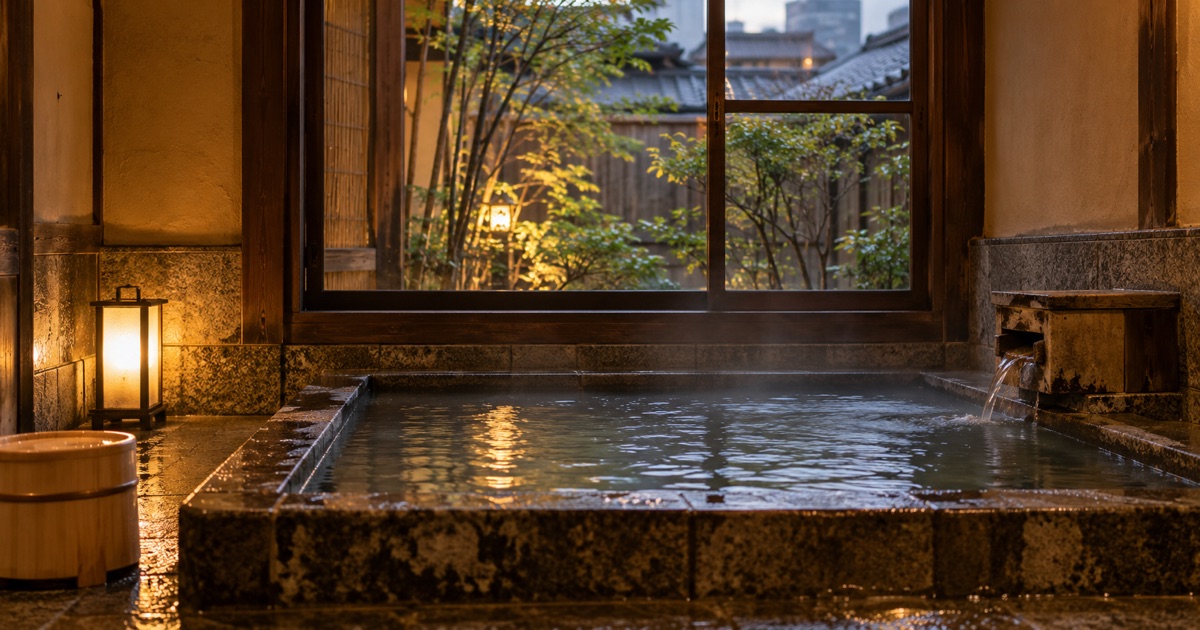
Key takeaways
- Natural onsen and public sento exist within walking distance or a short train ride from Kyoto Station.
- Options range from convenient modern bathhouses to historic mountain day trips like Kurama and Ogoto Onsen.
- Nudity is required in communal gender-segregated baths, and tattoo policies vary strictly by facility.
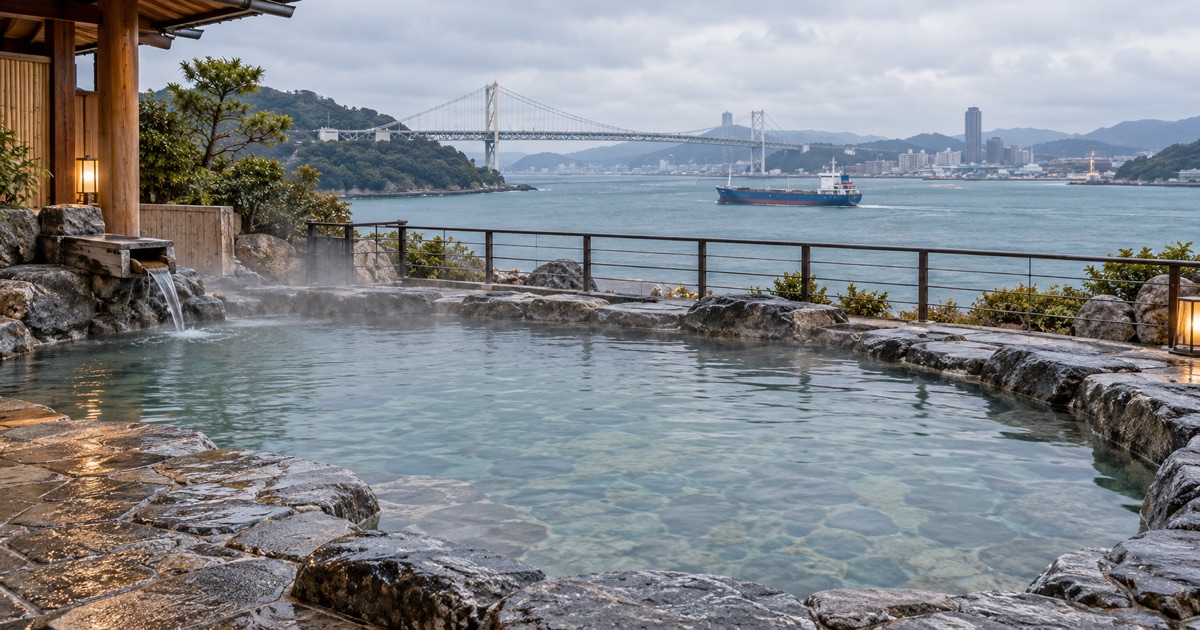
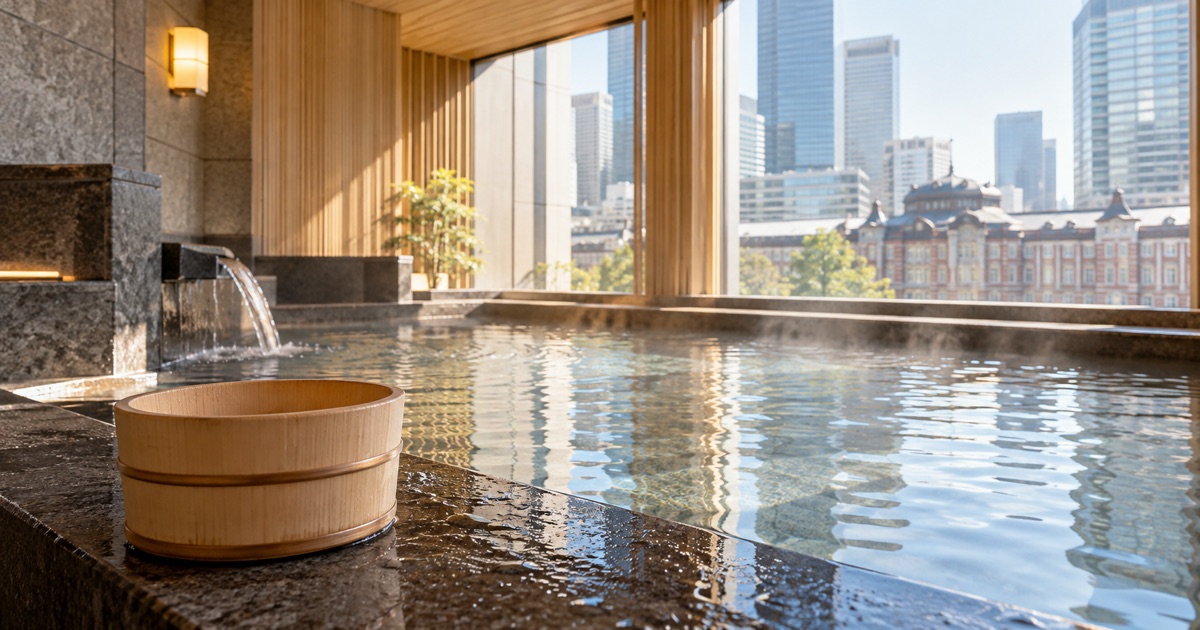
Natural hot springs and traditional bathhouses are accessible directly around Kyoto Station or within a short train ride into the surrounding mountains. Travelers can choose between convenient neighborhood bathhouses within walking distance of the terminal, modern hotel baths, or authentic rural onsen towns reachable in under an hour.
Kyoto is world-famous for its temples and bamboo groves, but its geographical basin also offers access to geothermally warmed, mineral-rich waters. Understanding the difference between local neighborhood baths and regional natural springs will help you find the right bathing experience during your stay.
Understanding Onsen vs. Sento in Kyoto
First-time visitors often mix up the terms onsen (温泉) and sento (銭湯). Knowing the distinction ensures proper expectations when exploring options around Kyoto Station.
An onsen is a natural hot spring regulated by Japanese law. To qualify legally, the water must emerge from the ground at a specific temperature or contain a designated concentration of natural minerals. Natural onsen are typically found in mountainous areas outside Kyoto's immediate city center.
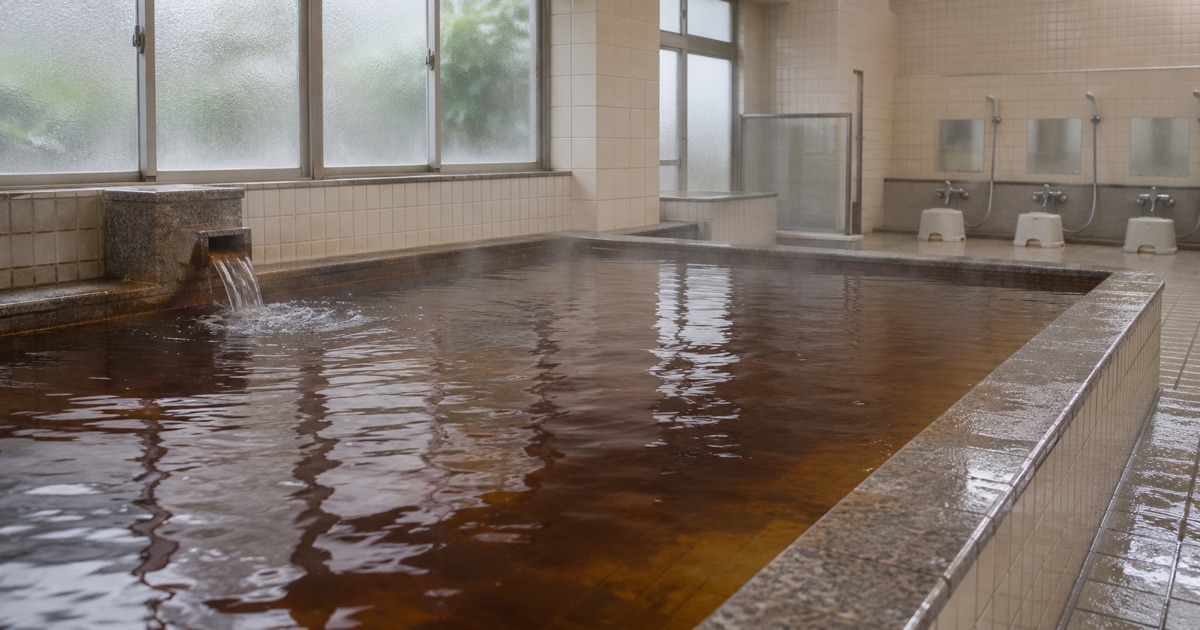
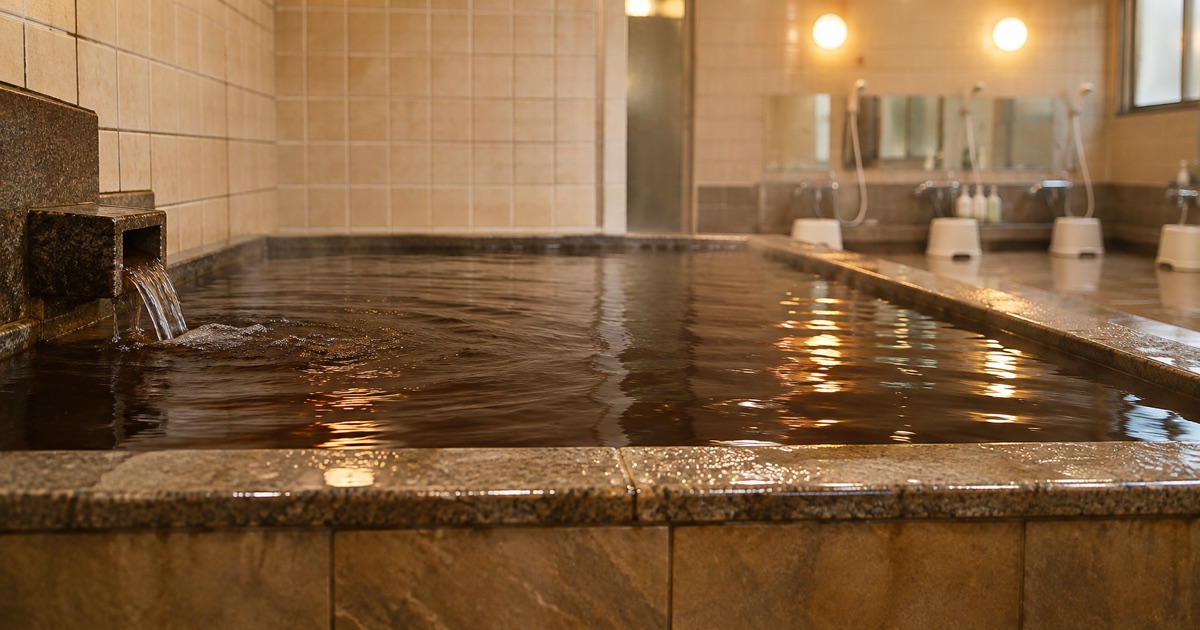
A sento is a traditional communal bathhouse. Sento historically served local residents whose homes lacked private bathtubs. These urban bathhouses typically heat municipal tap water or local groundwater in deep communal tubs, though some tap into deep mineral springs. Sento are culturally rich, incredibly affordable, and located directly within downtown Kyoto neighborhoods.
A third category is the super sento (スーパー銭湯), a larger commercial facility featuring multiple types of pools, saunas, rest lounges, and dining areas.
Bathhouses Walking Distance from Kyoto Station
If you have just arrived via the Shinkansen or have a couple of hours before checking into your hotel, several options sit within easy walking distance of Kyoto Station.
Kyoto Tower Sento Bath House YUU
Located directly across from the station's Karasuma central exit, this commercial public bath sits in the basement levels beneath Kyoto Tower (京都タワー). It offers a straightforward, modern bathing environment designed to serve weary travelers arriving early on night buses or waiting for afternoon train departures.
- Vibe: Modern, functional, transit-friendly.
- Amenities: Shampoo, body soap, and rental towels are generally available for a modest fee or included with admission.
- Access: Roughly a two- to three-minute walk from Kyoto Station via the underground walkway.
- Details: Operating hours, maintenance closures, and pricing change periodically. Always verify the current schedule on the official Kyoto Tower facility website before visiting.
Neighborhood Public Baths (Sento)
Authentic neighborhood sento dot the residential alleys north and south of Kyoto Station. These family-run establishments feature classic tile murals, warm hospitality, and deep soaking tubs.
- Hakusan-yu (白山湯): With locations within a moderate walk or quick taxi ride from Kyoto Station, this revered sento is famous for its natural well-water baths, intensely hot saunas, and cold plunge pools.
- Hinode-yu (日の出湯): Situated south of the station near Toji Temple (東寺), this historic bathhouse provides a deeply traditional, retro atmosphere that feels frozen in time.
Admission to Kyoto sento is standardized by the regional bathhouse association, typically costing around 500 yen for adults. Soap and towels are usually not included in standard entry; you can purchase compact amenities at the front counter for small change.
We are working to carry Japanese craft and everyday culture beyond Japan, by building Japan Towns with local partners.
Read the Japan Town plan →Scenic Day-Trip Onsen Near Kyoto Station
For authentic natural mineral onsen surrounded by nature, take advantage of the rail network departing Kyoto Station. You can check regional train connections and routes on JR West.
Ogoto Onsen (Lake Biwa)
Ogoto Onsen (おごと温泉) is the quickest true hot spring getaway from Kyoto Station. Nestled along the western shore of Lake Biwa in neighboring Shiga Prefecture, this historic onsen town dates back over 1,200 years.
- Travel Time: Roughly 20 minutes from Kyoto Station on the JR Kosei Line to Ogoto-onsen Station.
- Day-Use Access: Several upscale traditional inns (ryokan) in Ogoto open their baths to non-staying day visitors during designated midday windows. Facilities such as Yumotokan (湯元館) offer scenic baths overlooking the lake.
- Good to Know: Day-use access at ryokan often depends on seasonal occupancy or requires advance reservations that include lunch packages. Always confirm day-use availability on the ryokan's official site.
Kurama and Kibune
North of Kyoto city proper, the forested mountain villages of Kurama (鞍馬) and Kibune (貴船) offer cool mountain air and historic pilgrimage trails.
- Travel Time: Roughly one hour from Kyoto Station. Take the subway to Demachiyanagi Station, then transfer to the scenic Eizan Electric Railway bound for Kurama.
- Atmosphere: Deep cedar forests, river dining platforms in summer, and crisp mountain settings.
- Status Notice: Public bath facilities in Kurama have experienced periodic closures and renovations in recent years. Review current operational statuses through local tourism portals like the Japan National Tourism Organization before boarding the train.
Arashiyama Onsen
Situated in Kyoto's famous western sightseeing district, Arashiyama (嵐山) features natural thermal springs tapped deep beneath the mountains.
- Travel Time: Around 15 to 20 minutes on the JR Sagano (San-in) Line from Kyoto Station to Saga-Arashiyama Station.
- Day-Use Bathing: Fufu-no-Yu (風風の湯) is a dedicated day-use onsen facility located close to the iconic Togetsukyo Bridge. It provides indoor hot spring baths, an outdoor open-air bath (rotenburo), and cold plunges.
- Good to Know: Arashiyama becomes exceptionally crowded on autumn and spring weekends. Visiting bathhouses in the early afternoon or late evening provides a much calmer experience.
Step-by-Step Bathing Etiquette for Beginners
Visiting a Japanese communal bath for the first time can feel intimidating, but the routine follows a clear, logical etiquette focused on cleanliness and shared comfort.
- Remove Your Shoes: Take off outdoor footwear at the entrance (genkan) and place them in the provided shoe lockers.
- Purchase Entry: Pay at the front counter (bandai or reception desk) or use an automated ticket vending machine. Rent a small washcloth and bath towel if you did not bring your own.
- Enter the Correct Gender Curtain: Doorways are marked with fabric split curtains (noren). Blue curtains with the kanji 男 (otoko) indicate the men's bath; red or pink curtains with the kanji 女 (onna) indicate the women's bath.
- Undress Completely in the Changing Area: Place all clothing, jewelry, and watches into an empty locker or basket. No clothing, swimwear, or underwear is permitted in the bathing area.
- Wash Thoroughly Before Soaking: Take your small washcloth into the wash area. Sit down on a small plastic stool at an individual washing station. Use the provided shampoo and body soap to clean and rinse yourself completely before stepping into any communal tub. Never stand while showering, as this splashes soapy water onto others.
- Enter the Baths Clean: Tie long hair up so it does not touch the bathwater. Your small washcloth must never enter the water; fold it and rest it on your head or place it on the side of the tub.
- Dry Off Before Re-entering the Locker Room: Wring out your small cloth and wipe excess water off your body before stepping onto the locker room mats.
Essential Packing List
If you are planning an impromptu bath near Kyoto Station, you can easily buy necessities on site. However, packing a compact day kit saves money:
- Small modesty towel: Used for scrubbing during your wash and covering yourself when walking between pools.
- Full-sized bath towel: Kept dry in your locker to dry off after bathing.
- Coins (100-yen coins): Lockers for shoes and clothes frequently require a 100-yen coin deposit, which is refunded when you unlock them.
- Plastic bag: Handy for storing damp towels and washcloths in your backpack.
- Moisturizer/Skincare: Communal baths can be hot and mineral-heavy; applying lotion afterward prevents dry skin.
Tattoo Policies and Guidelines
Tattoo regulations in Japan stem from historical associations with organized crime, although views are gradually shifting.
- At Traditional Sento: Traditional municipal sento in Kyoto are historically public hygiene facilities and generally permit tattoos without issue.
- At Hotel Onsen and Super Sento: Modern commercial hot springs, hotel baths, and ryokan often enforce strict no-tattoo rules.
- Workarounds: If you have small, discreet tattoos, many facilities permit entry if you cover them with waterproof flesh-colored adhesive patches. If you have extensive body art, consider booking a private family bath (kashikiri-furo) at a nearby ryokan in Ogoto or Arashiyama to soak in complete privacy. Always verify the specific tattoo policy on the facility’s official website prior to your arrival.
FAQ
- Q. Can you find natural onsen right near Kyoto Station?
- A. True natural hot springs directly beside Kyoto Station are rare, but walkable sento and nearby mountain onsen exist.
- Q. How do you take a day trip from Kyoto to Ogoto Onsen?
- A. Take the JR Kosei Line from Kyoto Station to Ogoto-onsen Station in roughly twenty minutes.
- Q. Are tattoos allowed in hot springs near Kyoto?
- A. Rules depend strictly on the venue, with traditional sento often being more flexible than modern resort onsen.
Cite or share this article
Copy the link below. If you quote this article, please link to this page as the source.