Setagaya Onsen Guide: Best Hot Springs and Sento in Tokyo
Key takeaways
- Setagaya offers genuine natural black-water onsen (kuroyu) just minutes by train from Shibuya and Shinjuku.
- Most facilities operate as neighborhood public baths (sento) charging Tokyo's regulated fee of around 500 to 600 yen.
- Tattoo rules and amenity rentals vary by bathhouse, making advance checks on official sites essential.
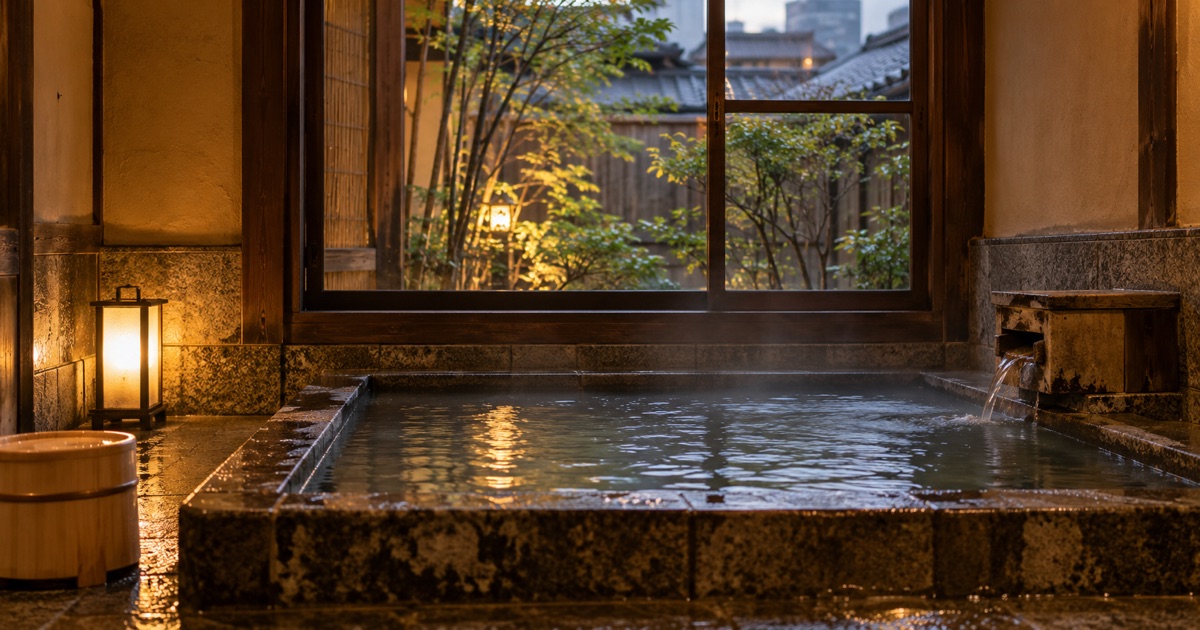
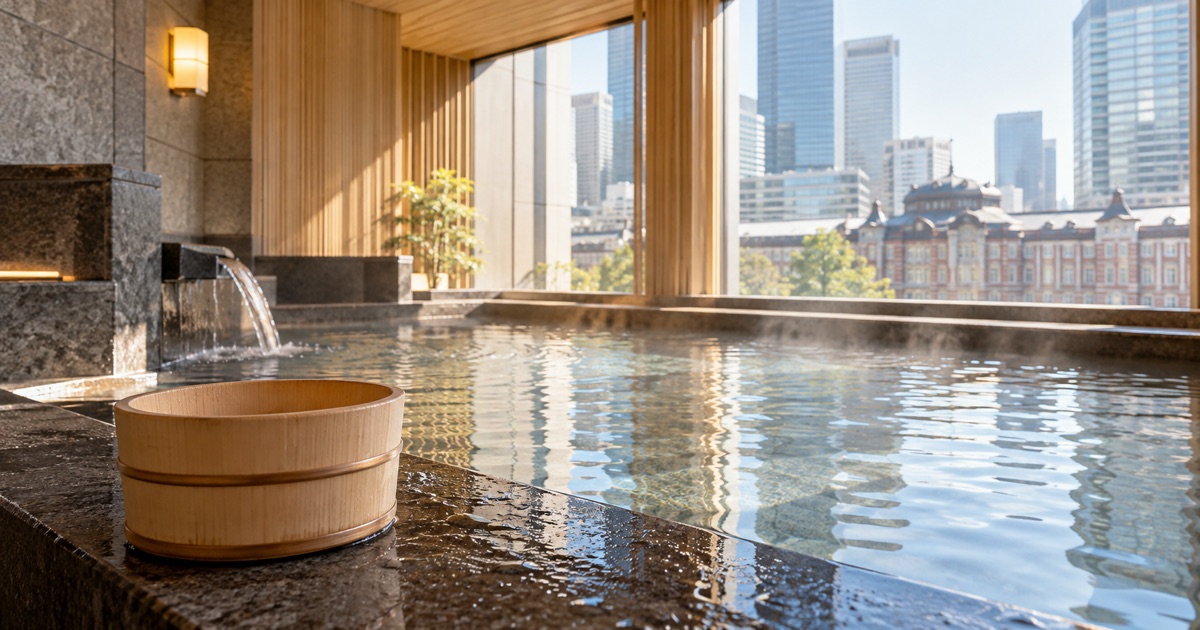
Setagaya onsen facilities provide genuine natural thermal baths within a quiet residential ward of Tokyo, easily accessible in roughly 15 to 30 minutes from Shibuya or Shinjuku. These bathhouses range from historic neighborhood public baths (sento) featuring mineral-rich dark spring water to modern relaxation complexes.
Visitors exploring western Tokyo do not need to journey into distant mountain resorts to experience Japanese bathing culture. By learning the basic rail routes, bathing rituals, and venue policies, international travelers can effortlessly add a restorative hot spring stop to their urban itinerary.
Natural Thermal Waters in Setagaya: Understanding Kuroyu
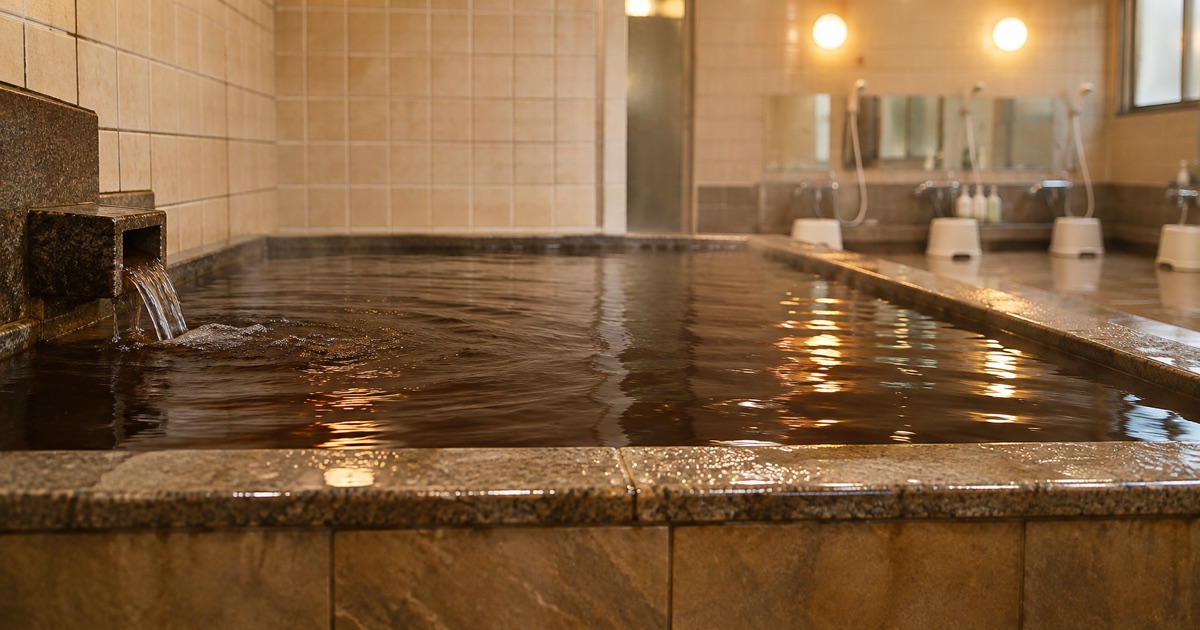
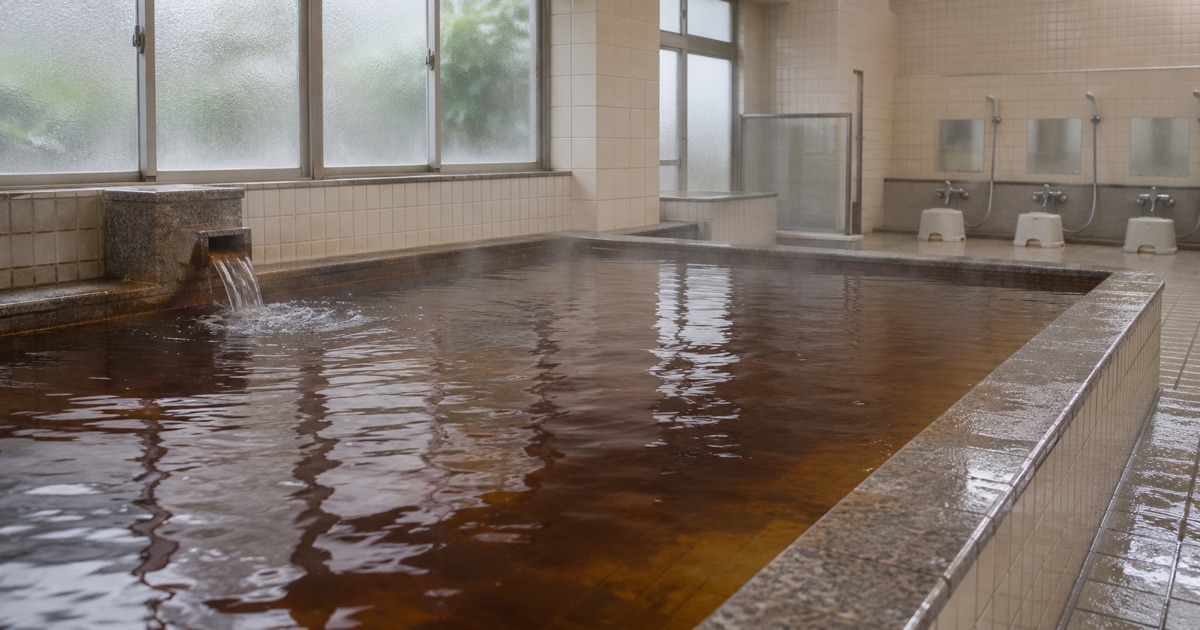
The hot spring water found across Setagaya and southern Tokyo is famously known as kuroyu (黒湯), or "black water." Unlike clear volcanic springs found in mountain towns, this water owes its dark amber-to-tea coloration to ancient plant matter and humic acids buried deep in the sediment layers of the Tokyo basin.
Kuroyu is smooth to the touch and naturally warmed beneath the ground, pumped into neighborhood bathhouses where temperatures are maintained around 40°C to 43°C. For international visitors, the distinct tint can come as a surprise, but it is an authentic feature of Tokyo's regional geology.
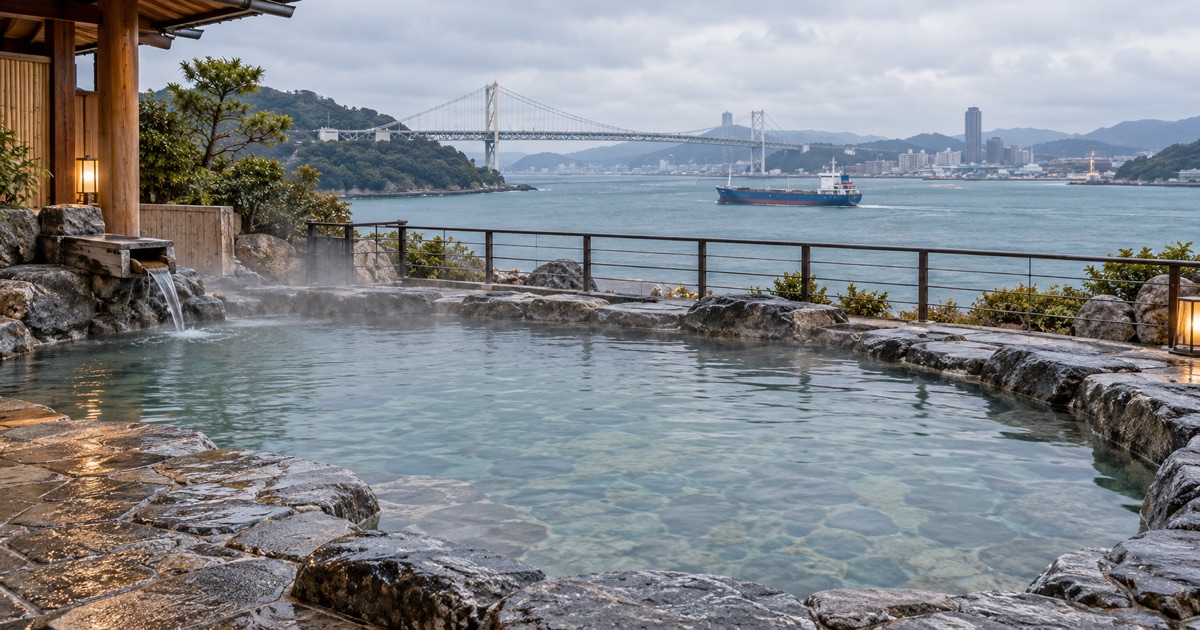
In addition to traditional kuroyu, many modern venues in the ward aerate their baths with artificial carbonation (tansansen) or offer outdoor open-air baths (rotenburo), presenting a diverse soaking experience inside the metropolis.
Top Onsen and Bathhouse Locations in Setagaya
Setagaya contains multiple distinct bathing venues, each serving different preferences regarding atmosphere, size, and budget.
Soshigaya Onsen 21
Located in the lively Soshigaya-Okura (祖師ヶ谷大蔵) neighborhood along the Odakyu Line, Soshigaya Onsen 21 (祖師谷温泉21) functions as a hybrid between a local sento and a modern hot spring center. The facility offers genuine kuroyu baths, jet pools, an electric bath (denkiburo), a cold plunge, and sauna facilities.
- Access: Around a 5-minute walk from Soshigaya-Okura Station on the Odakyu Line (roughly 20 minutes from Shinjuku).
- Cost: Tokyo standard bathing fee (around 500 to 550 yen), with an additional fee (around 300 to 500 yen) for sauna access.
- Atmosphere: Deeply local, unpretentious, and active with long-time neighborhood residents.
Fujimi-yu
Fujimi-yu (富士見湯), situated near Shoin-Jinjamae (松陰神社前) on the charming Tokyu Setagaya tram line, is a well-maintained neighborhood bathhouse. While relying primarily on well water and carbonated baths rather than deep kuroyu, its retro aesthetic and pristine environment make it an approachable cultural destination for newcomers.
- Access: Roughly a 5-minute walk from Shoin-Jinjamae Station or Wakabayashi Station.
- Cost: Regulated Tokyo sento rate.
- Atmosphere: Modernized retro interior, popular with younger Tokyoites and neighborhood locals alike.
Yuranosato and Super Sento Near Setagaya Borders
While central Setagaya preserves classic street-corner sento, travelers seeking large-scale resort complexes with dining halls, relaxation lounges, and extensive outdoor baths can venture slightly south or west toward the Tama River border. Facilities in nearby Kawasaki or Setagaya's periphery offer expansive day-use experiences. Note that entry fees at these larger venues typically range from 1,000 to 2,000 yen.
Before departing, check the Japan National Tourism Organization for regional transit updates and operating guidelines across Greater Tokyo.
We are working to carry Japanese craft and everyday culture beyond Japan, by building Japan Towns with local partners.
Read the Japan Town plan →How to Prepare: What to Bring and What to Expect
Baths in Japan operate with clear distinctions between daily municipal sento and full-scale day-use onsen resorts. Being prepared ensures a smooth check-in at the front counter (bandai or reception).
Essential Items Checklist
- Small Towel (Tenugui or Face Towel): Used for modesty while walking outside the water and for washing your body at the wash station. Never place this towel into the bathwater.
- Large Bath Towel: Stays in your locker to dry off completely before stepping back into the dressing area.
- Soap and Shampoo: Standard sento do not always provide complimentary toiletries. You can bring travel bottles or purchase small single-use packs at the front desk for around 50 to 100 yen.
- Coins: Useful for shoe lockers and dressing room lockers, which often require a 100-yen coin deposit that is returned upon unlocking.
Step-by-Step Guide to Sento and Onsen Etiquette
For a first-time visitor unfamiliar with the language, entering a Japanese bathhouse can feel daunting. Following this chronological sequence will prevent misunderstandings:
- Remove Shoes at the Genkan: Take off your footwear at the entrance, place them into an open wooden cubby or locking shoe locker, and take the wooden key.
- Pay at the Front Desk: Hand your shoe key (if requested) or pay the entrance fee. If you need towels, soap, or sauna access, request them here using simple English or gestures.
- Choose the Correct Curtain: Bathhouses are strictly divided by gender. Blue curtains (noren) marked with 男 (Otoko) designate the men’s bath; red curtains marked with 女 (Onna) designate the women’s bath.
- Undress Completely: In the changing room, remove all clothing, including swimwear and underwear. Japanese thermal baths are enjoyed entirely unclothed. Place your belongings inside an available locker, take the wrist key with you, and carry only your small modesty towel into the washroom.
- Wash Thoroughly Before Soaking: Sit down on one of the plastic stools at the wash stations lining the perimeter. Lather and rinse your entire body and hair completely. Never step into the bath without showering first.
- Enter the Water Gently: Step into the bath without splashing. Keep your hair tied up above water level, and place your small towel on top of your head or on the bath ledge—never submerge it into the pool.
- Dry Off Before Returning to the Lockers: When finished bathing, squeeze out your small towel and wipe down your body as thoroughly as possible before stepping onto the changing room mats to prevent pooling water.
Tattoo Policies in Setagaya
Tattoo regulations depend heavily on the type of facility you choose:
- Traditional Sento (Public Baths): Historically, traditional public baths regulated under municipal health codes have permitted patrons with tattoos, welcoming anyone seeking daily hygiene. Soshigaya Onsen 21 and other neighborhood sento generally follow this inclusive tradition.
- Super Sento and Modern Wellness Spas: Commercial wellness centers, day spas, and modern hot spring resorts usually maintain a strict ban on visible body art. Some allow entry if tattoos can be completely concealed using waterproof patches or tape.
Policies can change without notice. Visitors with visible tattoos should confirm rules via the bathhouse's official website or social media channels prior to visiting.
How to Get to Setagaya Bathhouses
Setagaya Ward is crisscrossed by several private railway networks departing from central hubs:
- From Shinjuku: Take the Odakyu Line (小田急線) directly to Soshigaya-Okura or Kyodo. Local and semi-express trains reach Setagaya stations in roughly 15 to 25 minutes. If connecting via the JR network, review route maps on JR East.
- From Shibuya: Take the Tokyu Den-en-toshi Line (東急田園都市線) to Sangenjaya (三軒茶屋) or Futako-Tamagawa (二子玉川). Alternatively, board the Tokyu Setagaya Line, a streetcar-style tram connecting Sangenjaya to Shimo-Takaido.
- Ticketing: Prepaid IC transit cards such as Suica or Pasmo work seamlessly across all train and tram lines servicing Setagaya.
Always verify current operating schedules, maintenance closures, and admission prices before visiting, as neighborhood bathhouses frequently close on designated weekdays or rotate rest days.
===
FAQ
- Q. Do Setagaya onsen have real thermal hot spring water?
- A. Yes, several facilities in Setagaya pump natural, mineral-rich thermal water known as kuroyu (black water) from deep underground.
- Q. Are tattoos allowed in Setagaya bathhouses?
- A. Traditional public bathhouses (sento) often permit tattoos, but larger modern super sento strictly prohibit them. Always check facility rules.
- Q. What should you bring to a Setagaya onsen?
- A. Bring a small washcloth and a bath towel, or prepare small change to rent or buy them at the front counter.
Cite or share this article
Copy the link below. If you quote this article, please link to this page as the source.