Kawaguchiko Onsenji Yumedono: Complete Ryokan Guide
Key takeaways
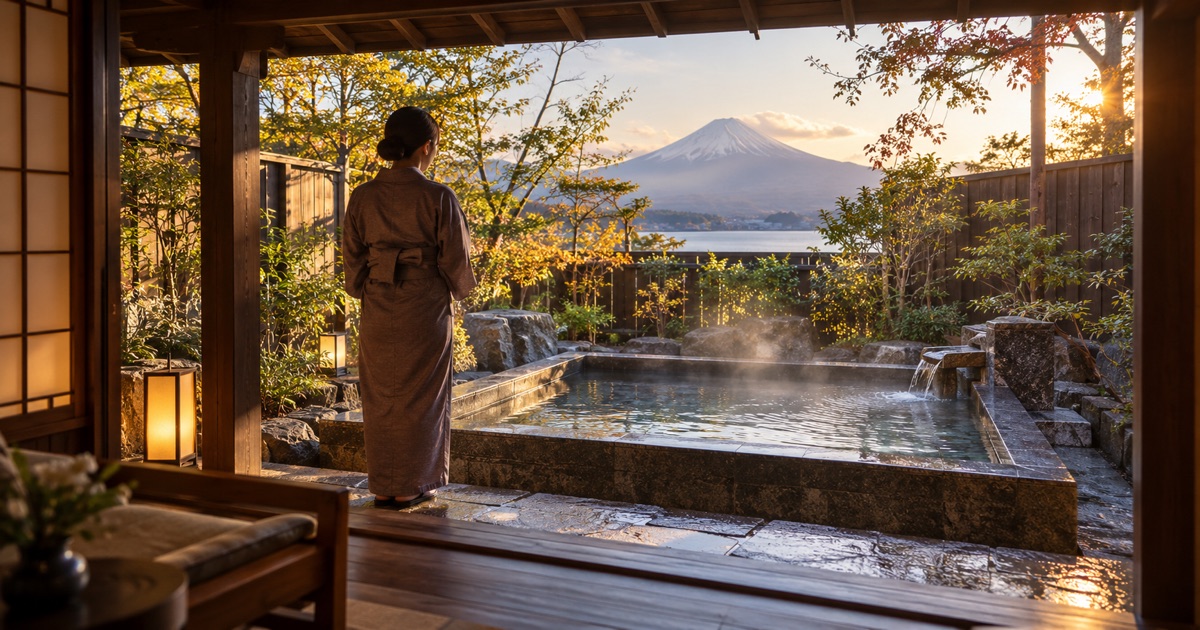
- All guest suites feature private open-air hot spring baths (rotenburo) fed by natural spring water.
- Located roughly 500 meters from Lake Kawaguchi, offering easy access to scenic walking paths and Mount Fuji views.
- Multi-course kaiseki dinners highlighting seasonal ingredients are served directly in private dining spaces or suites.
Kawaguchiko Onsenji Yumedono (富士河口湖温泉郷 おんせんし 夢殿) is a luxury traditional Japanese inn (ryokan) located near the southern shore of Lake Kawaguchi, renowned for suites that feature their own private open-air hot spring baths. It provides an upscale, secluded base for travelers wanting to experience Mount Fuji, authentic multi-course kaiseki dining, and private onsen bathing without sharing facilities.
For first-time visitors to Japan, choosing the right hot spring accommodation can feel daunting. Between navigating transit out of Tokyo, understanding traditional ryokan etiquette, and choosing a property that fits dietary and privacy needs, preparation is key. This guide outlines everything you need to know before booking and arriving at Kawaguchiko Onsenji Yumedono.
The Ryokan Concept and Atmosphere
Kawaguchiko Onsenji Yumedono is designed around classic Japanese aesthetics, featuring polished wood corridors, tatami-mat flooring, sliding paper screens (shoji), and manicured Japanese gardens. Unlike high-rise resort hotels along the lakeshore, this property focuses on low-rise seclusion and tranquility.
The atmosphere is peaceful and quiet. Staff greet guests at the entrance, handle luggage, and conduct check-in procedures either in the lounge or directly inside the guest suite. Shoes are removed at the entryway (genkan), where slippers are provided for walking through the interior halls.
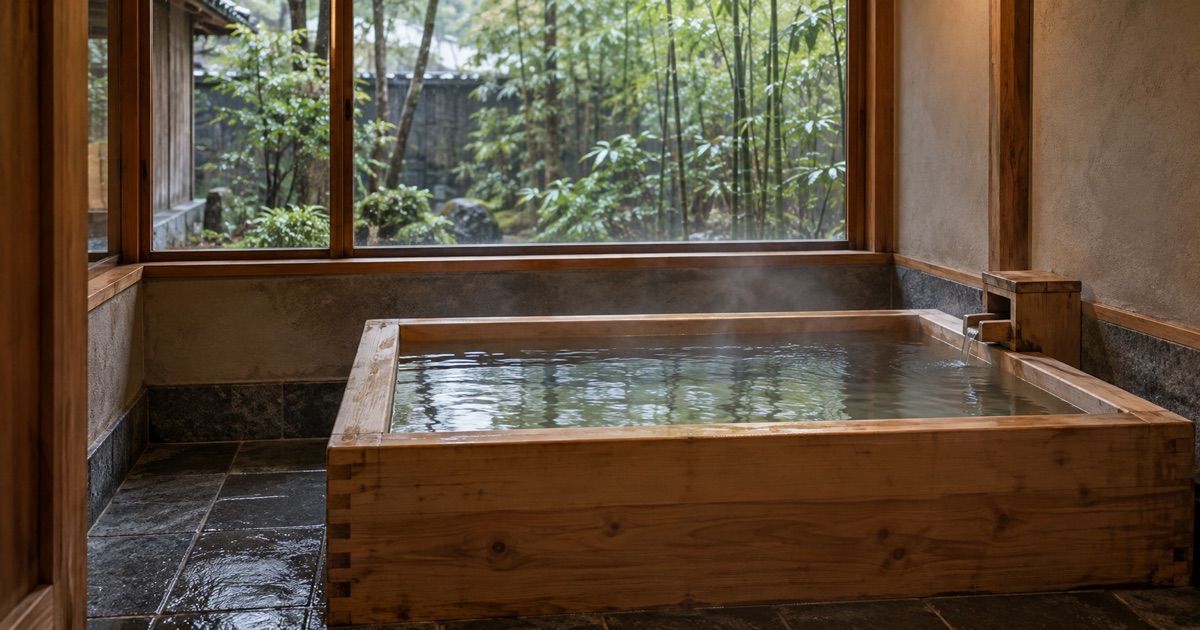
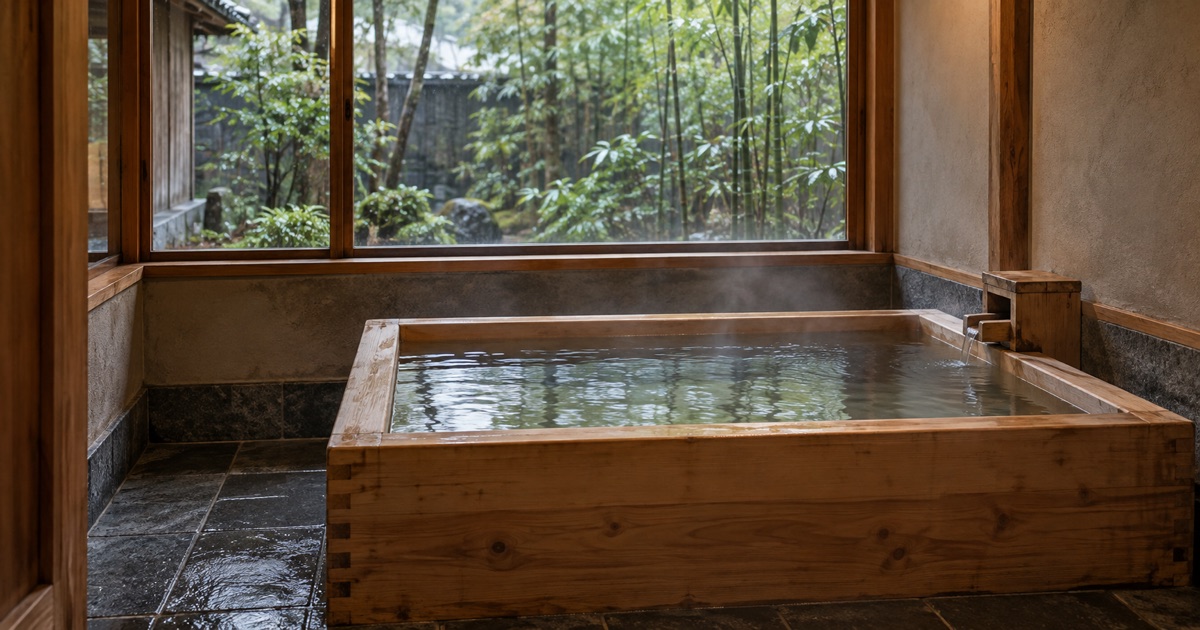
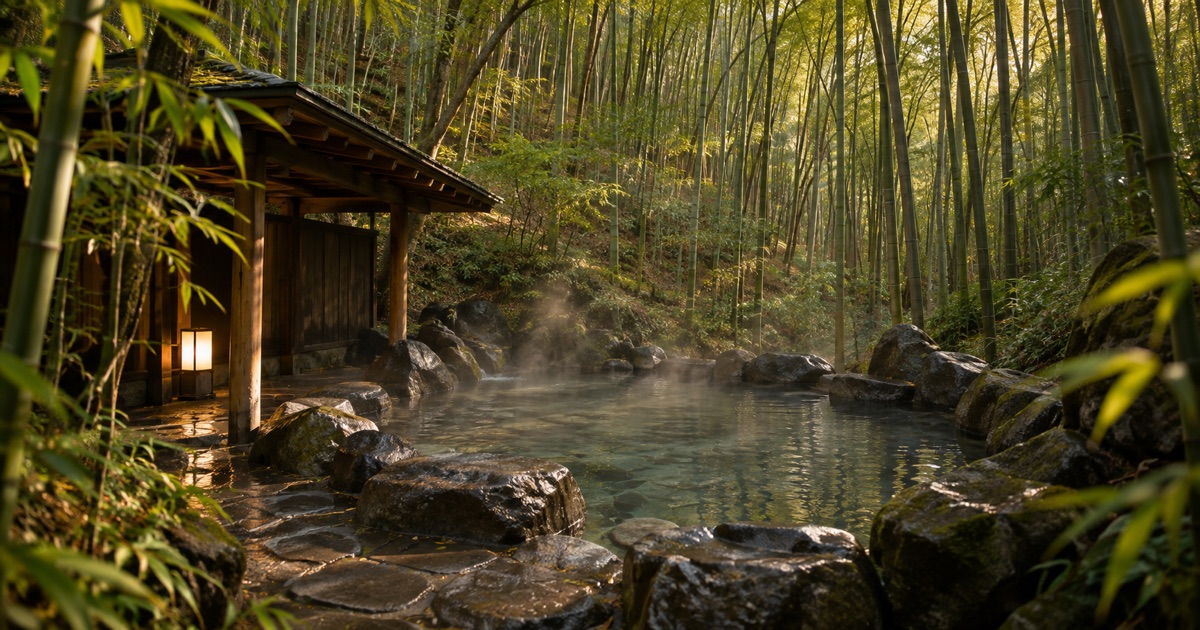
A central highlight of the property is that every guest suite features its own attached open-air bath (rotenburo). These outdoor tubs are built from natural stone, aromatic cypress wood (hinoki), or ceramic materials. Because bathing takes place in your room's private garden terrace, you enjoy complete seclusion during your stay.
An overnight stay at Yumedono typically includes half-board dining, which consists of a multi-course dinner and breakfast.
Rooms and In-Suite Private Onsen
Guest suites at Yumedono blend traditional Japanese design with modern comforts. Rooms typically feature tatami areas for lounging and Western-style mattresses or low beds, allowing comfortable rest for guests not accustomed to sleeping on floor futons.
Private Bathing Experience
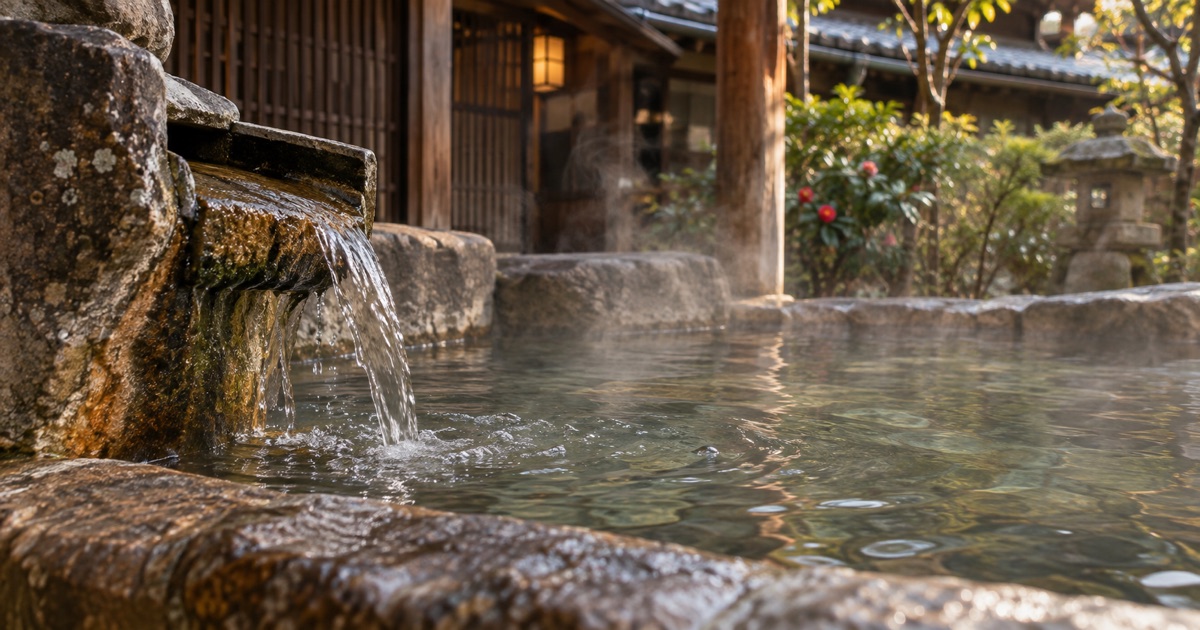
The spring water feeding the private baths at Yumedono is piped in from the local hot springs of the Fuji Kawaguchiko onsen area. The mineral water is kept at an optimal soaking temperature throughout the day and night, meaning you can bathe whenever you wish without making a reservation.
Because these baths are private:
- Tattoos: Guests with tattoos can bathe freely without covering their ink.
- Privacy: Couples and families can soak together, which is strictly prohibited in gender-separated communal baths across Japan.
- Comfort: First-time bathers who feel self-conscious about public nudity can experience an authentic mineral bath in complete peace.
Room Amenities
Each suite comes equipped with traditional loungewear:
- Yukata and Samue: Light cotton robes (yukata) or two-piece lounge sets (samue) are provided for wearing inside your room and around the ryokan grounds.
- Towels and Toiletries: High-end bath amenities, cleansing products, hair dryers, and plenty of fresh towels are supplied. You do not need to bring your own supplies from home.
- Tea Set: Premium green tea and an electric kettle are prepared on the central low table upon arrival.

We are working to carry Japanese craft and everyday culture beyond Japan, by building Japan Towns with local partners.
Read the Japan Town plan →Dining: Multi-Course Kaiseki
A stay at Kawaguchiko Onsenji Yumedono typically centers around breakfast and dinner, both prepared in the formal kaiseki tradition. Meals are served either in your suite or in partitioned private dining quarters, ensuring an intimate meal.
The Dinner Menu
Kaiseki is a multi-course culinary art form that celebrates the seasonal flavors of Japan. While menus change frequently based on availability and season, a standard dinner usually features:
- Appetizers (Sakizuke): Small, delicate seasonal bites paired to awaken the palate.
- Sashimi (Tsukuri): Fresh seasonal raw fish, served with real wasabi and soy sauce.
- Grilled Dish (Yakimono): Often local river fish or seasonal seafood grilled over high heat.
- Hot Pot or Simmered Dish (Nimono): Featuring local vegetables, mushrooms, and broths.
- Main Meat Course: High-grade Japanese beef (such as A5 Wagyu or Koshu beef from Yamanashi Prefecture), cooked at your table on a small personal grill or hot stone.
- Rice, Soup, and Pickles (Shokuji): Served toward the end of the meal to signify the finish of savory courses.
- Dessert (Mizumono): Seasonal fruits or Japanese sweets with tea.
Breakfast
Breakfast is equally elaborate, featuring a traditional Japanese layout: steamed white rice, miso soup, grilled fish (such as salmon or mackerel), rolled omelet (tamagoyaki), tofu dishes, and various small pickled condiments.
Important Note on Dietary Restrictions: Traditional ryokans plan menus days in advance around dashi broth (made with dried bonito fish flakes) and seasonal items. If you have severe allergies, vegetarian requirements, or religious dietary restrictions, contact the ryokan well before your arrival date. Same-day alterations are usually impossible.
Shoe Removal: When you enter the ryokan lobby or your guest room, you must remove your outdoor shoes.
Even though the bath is private, practicing proper Japanese bathing etiquette keeps the water clean and respects the facility: 1.
How to Get to Kawaguchiko Onsenji Yumedono
The property is situated in the town of Fujikawaguchiko in Yamanashi Prefecture. Most travelers arrive from Tokyo.
Step 1: Tokyo to Kawaguchiko Station
- By Direct Highway Bus: Express buses depart regularly from Shinjuku Expressway Bus Terminal (Busta Shinjuku), Tokyo Station, and Shibuya. The ride takes roughly 100 to 120 minutes depending on highway traffic.
- By Limited Express Train: The direct JR Fuji Excursion (Fuji Kaiyu) limited express train connects Shinjuku Station directly to Kawaguchiko Station in roughly 1 hour and 55 minutes. You can check schedules and purchase tickets via the official JR East railway portal.
- By Regular Train Transfer: Take the JR Chuo Line from Shinjuku to Otsuki Station (大月駅), then transfer to the private Fujikyuko Line (富士急行線) to Kawaguchiko Station (河口湖駅).
Step 2: Kawaguchiko Station to the Ryokan
Once you reach Kawaguchiko Station:
- Taxi: The simplest method with luggage. Taxis wait outside the station exit; the ride takes roughly 5 to 10 minutes and costs around 1,200 to 2,000 yen depending on traffic.
- Sightseeing Bus: The Kawaguchiko Sightseeing Bus (Red Line) runs around the lake. Board at the station and disembark near the southern lakefront stops, followed by a short walk of around 5 minutes.
- Ryokan Pickup: Some booking packages include shuttle service. Inquire with the property ahead of time regarding pickup availability and designated pickup points.
Essential Etiquette and Tips for First-Timers
To ensure a seamless stay, keep these ryokan etiquette rules in mind:
- Check-In Timelines: Ryokans run on strict dinner schedules. Plan to arrive between 15:00 and 17:00. Arriving later than 18:00 may result in missing your dinner service without a refund, as kitchens prepare the multi-course meal on a fixed schedule.
- Wash Before Soaking: Even in a private bath, always wash and rinse your body thoroughly at the outdoor shower stall before stepping into the onsen tub. Never put soap or shampoo into the hot spring water.
- No Swimsuits: Hot spring bathing in Japan is done entirely naked. Swimsuits are not permitted in the onsen water, even in private baths, as fabrics can alter the water chemistry and introduce detergents.
- Footwear Rules: Remove your shoes at the entrance. Inside the ryokan, wear the provided slippers on wooden walkways. Remove your slippers before stepping onto straw tatami mats—only socks or bare feet are allowed on tatami.
- Luggage Care: Take care when wheeling heavy suitcases over delicate tatami mat flooring, as wheels can snag and damage the woven reed weave. Lift suitcases onto wooden entry shelves or designated luggage mats.
Exploring the Surrounding Area
While the primary draw of Yumedono is relaxation inside your suite, its location near Lake Kawaguchi offers several nearby sights:
- Lake Kawaguchi Shoreline: The water is only a 5-minute stroll from the ryokan entrance. The walking path along the south shore offers quiet evening views.
- Mount Fuji Views: The ryokan sits on the south side of the lake, so walking along the lakefront or crossing the Kawaguchiko Ohashi Bridge provides classic vantage points of Mount Fuji across the water.
- Oishi Park (大石公園): Located on the northern shore of the lake, this park offers panoramic views of Mount Fuji with seasonal flower fields such as lavender and kochia bushes. It is easily reachable via the local tourist bus.
- Mount Fuji Panoramic Ropeway: Located near the eastern side of the lake, this cable car ascends Mount Tenjo for sweeping aerial views of the lake basin and the peak.
For broader regional travel updates, weather considerations, and transportation passes around the Fuji Five Lakes area, consult the Japan National Tourism Organization resource pages before your trip. Always verify current operating hours and pricing directly with the ryokan and local operators when finalizing your itinerary.
FAQ
- Q. Are tattoos allowed at Kawaguchiko Onsenji Yumedono?
- A. Because each guest suite includes its own private open-air hot spring bath, guests with tattoos can soak comfortably in complete privacy.
- Q. How do you get to Kawaguchiko Onsenji Yumedono from Kawaguchiko Station?
- A. The ryokan is about a 5 to 10-minute taxi ride from Kawaguchiko Station, or roughly 15 minutes via local sightseeing bus.
- Q. Does the ryokan provide views of Mount Fuji from the rooms?
- A. Most rooms focus inward toward private gardens rather than direct mountain views, but the lakeshore is a short walk away.
Cite or share this article
Copy the link below. If you quote this article, please link to this page as the source.