Private Onsen Near Saitama: Best Baths & Day Trips
Key takeaways
- Chichibu and Nagatoro offer the closest authentic private hot spring baths within Saitama Prefecture itself.
- Ikaho and Kinugawa provide expansive private bath options just one to two hours beyond Saitama via direct trains.
- Private rentals (kashikiri) allow families, couples, and tattooed travellers to bathe together without communal nudity.
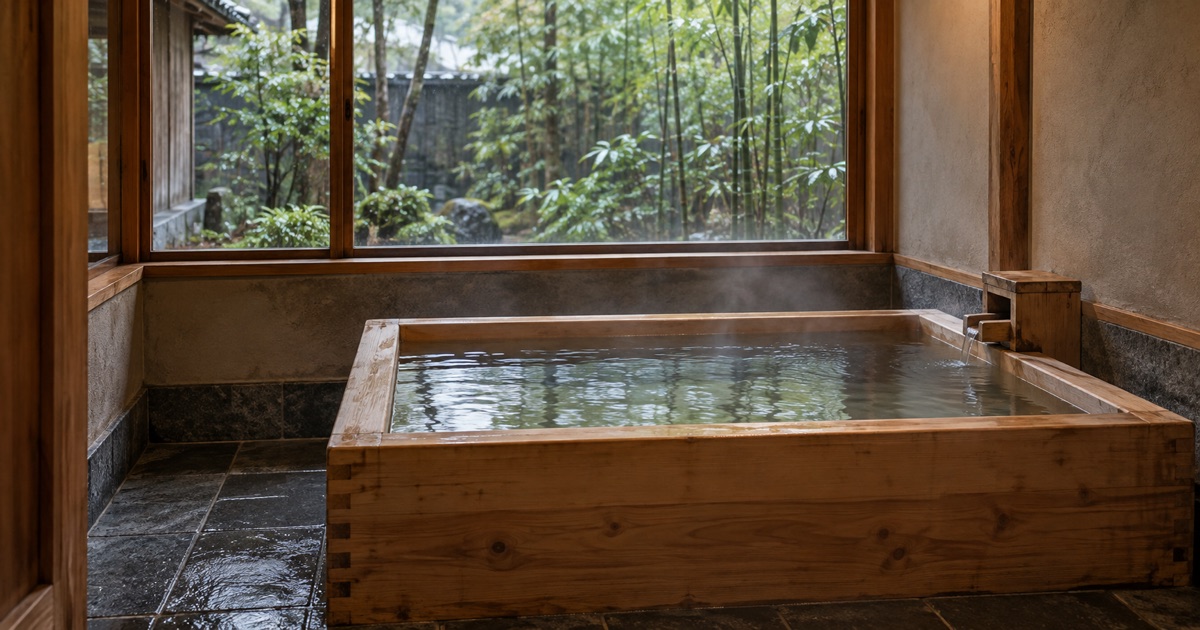
Finding a private onsen near Saitama is straightforward, with excellent options located within the prefecture's western mountains as well as just across prefectural borders. Travelers can easily access serene, rentable baths (kashikiri-buro) in scenic areas like Chichibu, or take short train journeys into neighboring Gunma and Tochigi prefectures for traditional hot spring towns.
Whether you seek privacy as a couple, convenience with small children, or a stress-free experience with tattoos, reserving a private bath ensures a relaxing soak without sharing space with strangers.
Understanding Private Onsen Options
In Japanese hot spring culture, private baths generally fall into two categories:
- Rentable Private Baths (Kashikiri-buro / 貸切風呂): Independent bath suites located inside day-use bathhouses (higaeri onsen) or traditional inns (ryokan). Guests reserve these rooms for fixed blocks of time, usually 45 to 60 minutes.
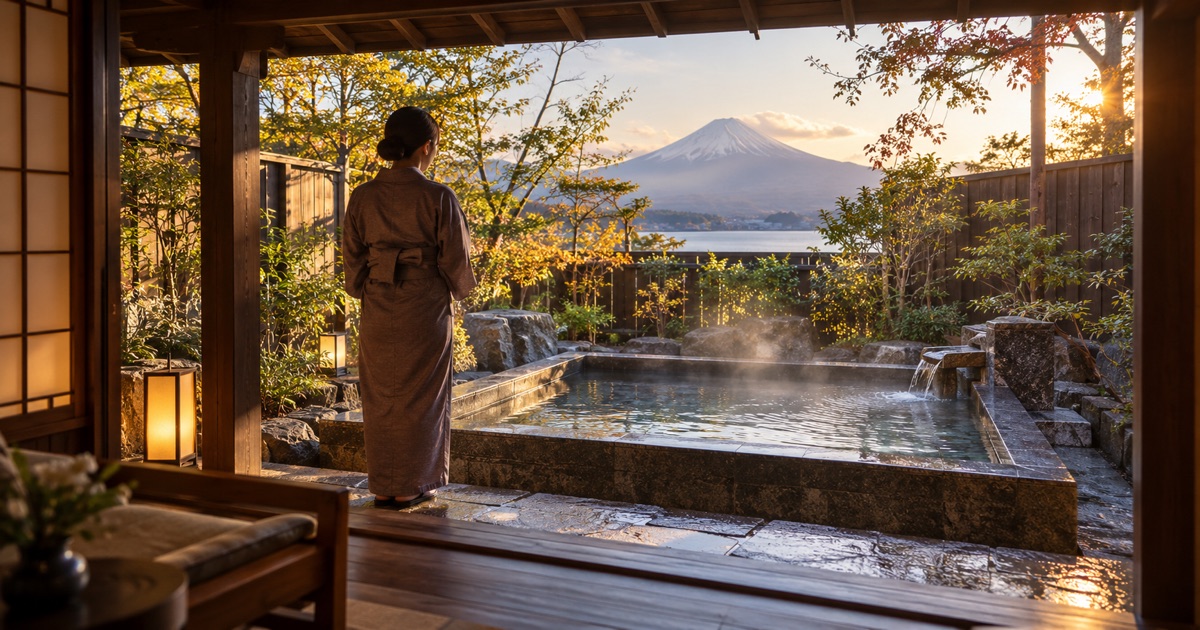
- Guest Rooms with Attached Private Baths (Rotenburo-tsuki kyakushitsu / 露天風呂付き客室): Hotel or ryokan rooms featuring a dedicated indoor or open-air bath on the balcony or terrace, allowing unlimited private soaking throughout an overnight stay.
For visitors who are uncomfortable with public nudity or who have body art, private baths eliminate uncertainty. Facilities rarely impose tattoo restrictions inside private rental rooms because the space is completely shielded from public view.
Best Private Onsen Destinations in Saitama
Western Saitama features rugged river valleys, forested hills, and natural mineral springs. You can reach these destinations without leaving the prefecture.
Chichibu and Nagatoro
Chichibu (秩父) and adjacent Nagatoro (長瀞) represent Saitama's premier mountain getaways. The area sits along the Arakawa River and features peaceful ryokan and modern day-use hot springs tucked into quiet valleys.
- Travel Time: Roughly 80 to 100 minutes from Omiya Station (大宮駅) or Ikebukuro Station via the Seibu Chichibu Line (Laview limited express train) or the Chichibu Railway.
- The Setting: Mountain views, river rapids, and rustic wooden architecture.
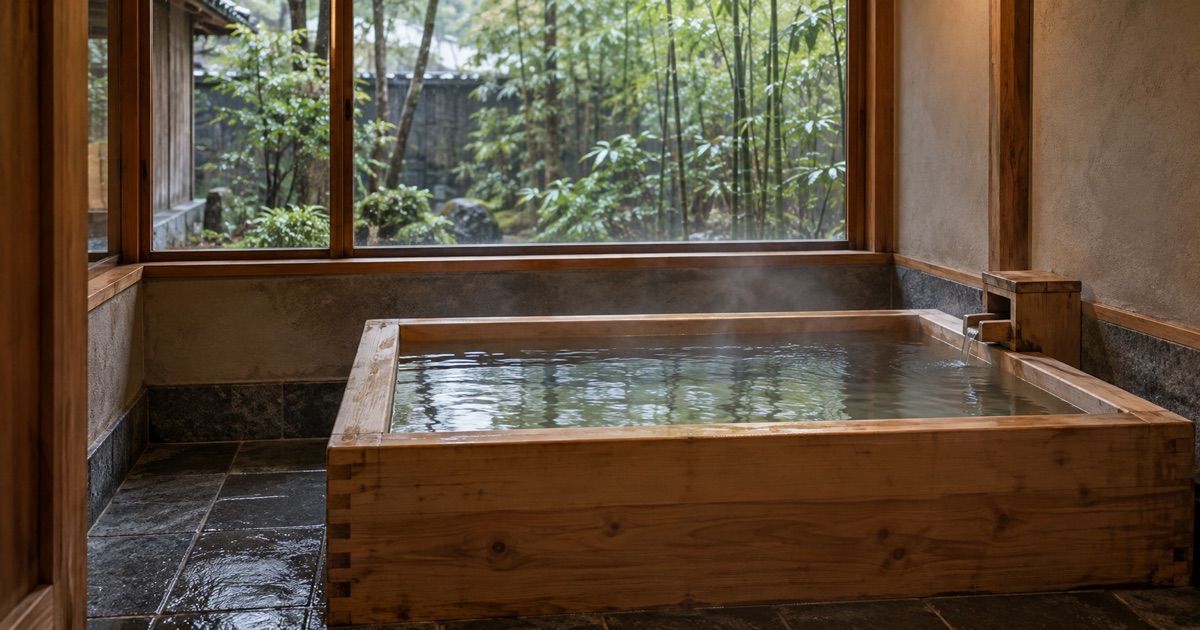
- Bath Style: Many local inns offer both indoor cedar tubs and stone-lined outdoor baths overlooking mountain forests. While natural mineral content varies, the waters in this region are known for a smooth, refreshing feel.
- Day-Use vs. Overnight: Facilities near Seibu-Chichibu Station provide accessible day-use private baths, while traditional ryokan further out in Ogano (小鹿野) cater exceptionally well to overnight guests seeking in-room baths.
Tokigawa and Ogose
Located in central-western Saitama, Tokigawa (ときがわ) and Ogose (越生) are rural towns known for clear streams, hiking trails, and day-use hot spring facilities.
- Travel Time: Around 60 to 75 minutes by car or via the Tobu Ogose Line and JR Hachiko Line from central Saitama hubs.
- The Setting: Quiet foothills dotted with fruit orchards and cedar groves.
- Bath Style: Several modern day-use bathhouses in this area feature private rental rooms equipped with their own baths and tatami rest spaces. These day rooms can often be reserved by the hour, serving as a peaceful base for an afternoon trip.
We are working to carry Japanese craft and everyday culture beyond Japan, by building Japan Towns with local partners.
Read the Japan Town plan →Renowned Hot Spring Escapes Just Outside Saitama
Thanks to Saitama’s comprehensive rail connections—including the Shinkansen lines running through Omiya—several of Japan’s most famous onsen regions are within easy reach for a day trip or weekend escape. You can check routes and rail passes via JR East.
Ikaho Onsen (Gunma Prefecture)
Located on the slopes of Mount Haruna, Ikaho Onsen (伊香保温泉) is famous for its 365-step stone stairway lined with souvenir shops, shooting galleries, and traditional inns.
- Travel Time: Approximately 75 to 90 minutes. Take the Joetsu or Hokuriku Shinkansen from Omiya to Takasaki Station, then transfer to the JR Joetsu Line to Shibukawa Station, followed by a local bus.
- The Water: Ikaho features two distinct spring sources: the iron-rich, brownish "Golden Water" (Kogane-no-yu) and the clear "Silver Water" (Shirogane-no-yu).
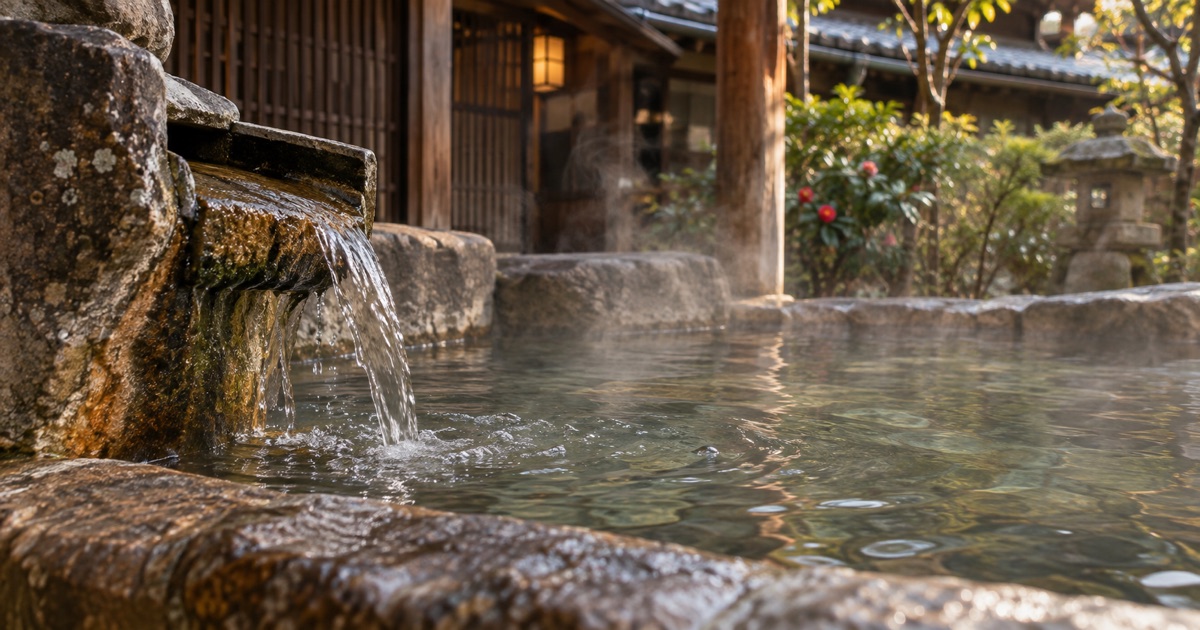
- Private Soaking: Numerous historic ryokan along the stone steps rent out atmospheric private baths, many built with deep cedar wood or rough-hewn stone.
Kinugawa Onsen (Tochigi Prefecture)
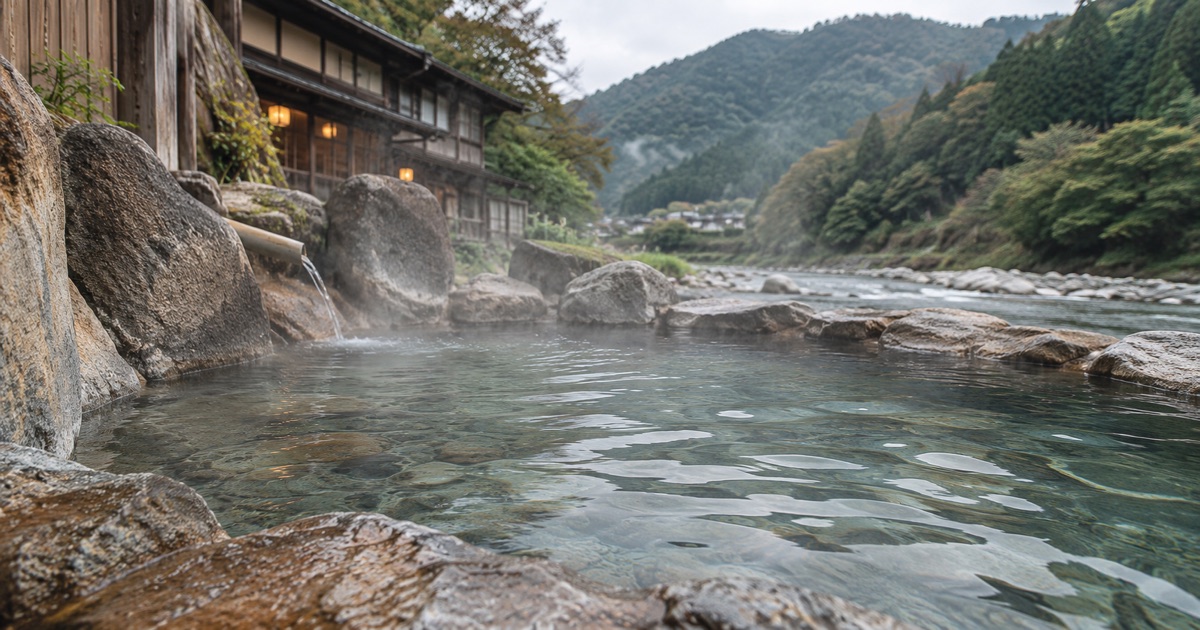
Set along a dramatic river gorge, Kinugawa Onsen (鬼怒川温泉) offers large resort hotels and quiet riverside ryokan with expansive bath facilities.
- Travel Time: Roughly 90 to 110 minutes from Omiya via the direct Tobu-JR limited express service (such as the Spacia Kinugawa).
- The Setting: Deep river canyons with dramatic autumn foliage and verdant summer greenery.
- Private Soaking: Kinugawa excels in private day-use facilities. Several dedicated day-spa complexes line the riverbank, featuring private cottages equipped with open-air baths overlooking the gorge.
Step-by-Step: How to Use a Private Bath
If you do not read or speak Japanese, renting a private bath is straightforward if you know the typical procedure.
Step 1: Booking the Bath
- Advance Reservation: For popular ryokan, book your private bath slot online when reserving your stay. For day-use facilities, check their official website in advance; some require online time-slot reservations, while others only accept bookings at the front desk on the day of your visit.
- On-Arrival Booking: When you arrive, tell the receptionist: "Kashikiri buro wa arimasu ka?" (Do you have a private bath?). If available, they will show you a sheet with available 45- or 60-minute time slots.
Step 2: Checking In and Receiving the Key
- Pay the rental fee at the counter. Fees typically run between 2,000 and 5,000 JPY per session, often in addition to a standard entrance fee.
- Staff will give you a key, a wooden door tag, or a timer, along with the designated room number. Note the end time carefully; facilities enforce end times strictly so staff can clean before the next guest arrives.
Step 3: Entering the Private Dressing Room
- Lock the door behind you. Private bath units include an attached changing area (datsuiba) with shelves, baskets for clothing, a vanity, mirrors, and a hairdryer.
- Remove all clothing and jewelry. Place your belongings into the provided baskets.
Step 4: The Washing Area
- Step into the bathing area. You will find handheld showers, stools, washbasins, body soap, and shampoo.
- Crucial Rule: Always wash and rinse your entire body thoroughly before stepping into the bathwater. The bathwater is meant exclusively for soaking, not cleaning.
Step 5: Soaking and Departing
- Enter the bath slowly. Keep modesty towels out of the water; place them on the edge of the tub or fold them on your head.
- Exit the water a few minutes before your scheduled time ends to dry off in the dressing room, dress, and return the key to the front desk.
Practical Tips and Common Mistakes
- Bring Cash: While larger resort properties accept credit cards, smaller rural bathhouses and transit buses around Chichibu or Gunma frequently operate on cash only. Keep 1,000-yen notes and coins ready.
- Check Towel Policies: Luxury ryokan provide towels in the private bath, but day-use facilities often charge a small rental fee (around 200 to 400 JPY) for bath towels. Consider packing a small, quick-drying towel in your day pack.
- Avoid Drinking the Water: Unless a tap is explicitly labeled as drinking water (inshusui / 飲用水), do not drink the water from the hot spring tub.
- Mind the Temperature: Natural thermal water can be hotter than a domestic bath, often ranging from 40°C to 43°C (104°F to 110°F). Do not force yourself to stay submerged; take breaks on the side of the tub and stay hydrated before and after soaking.
- Confirm Operating Hours: Maintenance days, seasonal closures, and private buyout events occur regularly. Always confirm opening hours on the facility's official website prior to your journey. You can plan broader regional travel through the Japan National Tourism Organization.
FAQ
- Q. Can people with tattoos use private onsen near Saitama?
- A. Yes, private baths (kashikiri) offer complete visual privacy, making them fully accessible to visitors with tattoos regardless of communal bath rules.
- Q. How do you book a private bath for day use in Japan?
- A. Some facilities allow advance booking online or by phone, while others operate on a first-come, first-served basis at the front desk upon arrival.
- Q. How much does it cost to rent a private bath near Saitama?
- A. Rental fees generally range from 2,000 to 5,000 JPY for a 45- to 60-minute session, usually charged in addition to standard admission fees.
Cite or share this article
Copy the link below. If you quote this article, please link to this page as the source.