Aomori Onsen Ryokan: A First-Timer's Guide to Where to Stay
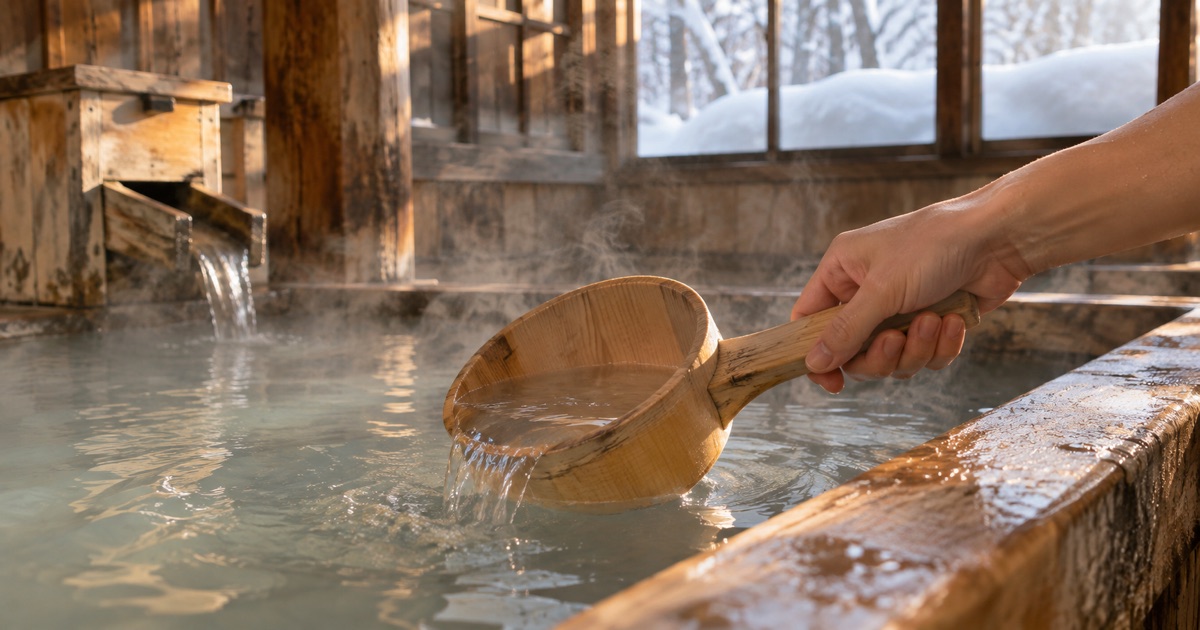
Key takeaways
- Aomori's main onsen areas are Sukayu, Asamushi, Owani, and Towada-area hot springs, each reachable by train or bus from Aomori City or Shin-Aomori Station.
- Book ryokan early for autumn foliage (mid-to-late October) and winter snow season, since rooms at popular hot spring inns fill months ahead.
Where Should You Stay for an Aomori Onsen Ryokan Trip?
The best base for an aomori onsen ryokan trip depends on whether you want convenient access from Aomori City or a quieter mountain retreat. For first-time visitors without a car, Asamushi Onsen (浅虫温泉) is the easiest choice, since it sits directly on a JR line a short ride from Aomori City and Shin-Aomori Station, while Sukayu Onsen (酸ヶ湯温泉) suits travellers who want a classic, remote hot spring experience deep in the mountains near Hakkoda.
Aomori Prefecture, at the northern tip of Honshu, is dotted with hot spring towns shaped by its volcanic terrain and heavy winter snowfall. Unlike Hakone or Kusatsu, Aomori's onsen areas see relatively few overseas visitors, which means a more local atmosphere, but also fewer English-language signs and services. Planning ahead makes the trip much smoother.
Local tip
If this is your only onsen stop in Tohoku, pick one area and stay two nights rather than hopping between towns. Winter road and rail delays are common, and a relaxed schedule avoids missed connections.
Getting to Aomori's Onsen Towns
Most journeys to Aomori's hot spring towns start at Shin-Aomori Station (新青森駅), the shinkansen terminus reached via the Tohoku Shinkansen from Tokyo in roughly three hours. From Shin-Aomori, a short local train ride connects to Aomori Station (青森駅), the hub for buses and local lines heading to the onsen areas.
- Asamushi Onsen: Around 20-30 minutes by local JR train from Aomori Station, making it the most accessible option for a day trip or overnight stay.
- Sukayu Onsen: Reached by bus from Aomori Station, with the ride taking roughly 1 hour depending on the season and road conditions; winter snow can affect schedules, so always check the latest timetable before heading out.
- Towada/Oirase area onsen: Best reached by bus from Aomori or Hachinohe, with travel times varying widely (often 2 hours or more); this area is popular in combination with a visit to the Oirase Gorge or Lake Towada.
- Owani Onsen: Located near Hirosaki, reachable by JR train, making it a convenient stop if you're also visiting Hirosaki's castle and parks.
Because bus frequency outside peak season can be limited, it's worth checking current times on JR East before finalizing your itinerary, especially if connecting from the shinkansen.
We are working to carry Japanese craft and everyday culture beyond Japan, by building Japan Towns with local partners.
Read the Japan Town plan →What Makes Aomori's Onsen Ryokan Different
Many ryokan in Aomori are built around a specific natural hot spring source rather than a resort-style complex, and some retain older, rustic bathhouses rather than modern spa facilities. Sukayu Onsen, for example, is well known for its large wooden bathing hall sometimes called the "Sennin-buro" (thousand-person bath), historically operated as mixed-gender bathing. Rules, hours, and whether mixed bathing is still offered can change, so check the ryokan's own website rather than relying on older articles.
Outside the famous names, smaller family-run ryokan across Aomori often have just one or two baths, simpler tatami rooms, and home-style kaiseki dinners featuring local ingredients such as Aomori apples, scallops, or seafood from Mutsu Bay. These inns rarely have English-speaking staff, so simple phrases or a translation app are genuinely useful.
Local tip
If you're nervous about communicating, ryokan booked through major Japanese travel sites often provide check-in instructions in English during the booking process, even if staff on-site speak limited English.
Step-by-Step: Planning Your Stay
- Decide your priority: easy access (Asamushi), a remote mountain bathing experience (Sukayu), or combining onsen with sightseeing (Towada/Oirase, Owani near Hirosaki).
- Check the season: Winter (December-March) brings heavy snow and dramatic scenery but can disrupt bus and train schedules. Autumn foliage, typically mid-to-late October, is extremely popular and rooms book out early.
- Book your ryokan as early as possible for peak seasons, directly through the inn's website if available, or via a major booking platform.
- Confirm bathing policies: tattoo rules, mixed-bathing availability, and whether private baths can be reserved all vary by facility. Always check the official site rather than assuming.
- Plan transport both ways: note the last bus or train back if you're not staying overnight near a remote onsen like Sukayu, since services can be infrequent.
- Pack for the weather: warm layers and waterproof footwear in winter, a light robe or yukata is usually provided by the ryokan, and a small towel for walking between your room and the bath if the ryokan doesn't supply one for that purpose.
Etiquette and Practical Notes
- Wash thoroughly at the shower stations before entering the shared bath; this is standard practice at every onsen in Japan.
- Tattoos: policies differ by facility. Some ryokan in Aomori welcome visitors with tattoos, others ask for them to be covered, and some refuse entry to communal baths but may offer a private bath instead. Check each facility's website or contact them directly if you have visible tattoos.
- Bring your own small towel if possible, though many ryokan sell or rent one at the front desk.
- Meal times at ryokan are often fixed, typically early evening for dinner and a set morning slot for breakfast; confirm timing at check-in since it's rarely flexible.
- Cash is still useful in smaller onsen towns, as not every ryokan or local shop accepts cards.
Local tip
In snow season, ask the ryokan at booking time whether they offer a pickup from the nearest station or bus stop; some rural inns do, which saves a cold wait for connecting transport.
A Realistic First Itinerary
A practical pattern for first-time visitors is two nights: one night in or near Aomori City combined with a day trip to Asamushi Onsen, and a second night deeper in the mountains at an onsen like Sukayu, ideally combined with a walk through the Hakkoda area or a visit to Lake Towada and the Oirase Gorge if the season allows. This avoids packing too much travel into one trip while still sampling both an accessible coastal-style onsen town and a more remote mountain retreat.
For overall trip planning, including seasonal event information and regional transport updates, the Japan National Tourism Organization is a reliable starting point before you fine-tune details on individual ryokan and transport websites.
Aomori rewards visitors who build in flexibility, particularly around winter weather. Confirm transport schedules and ryokan policies close to your travel dates, since both can shift with the seasons.
FAQ
- Q. What is the best onsen area to stay near in Aomori for first-time visitors?
- A. Asamushi Onsen is one of the most convenient choices, since it sits on the JR line close to Aomori City and Shin-Aomori Station, making it easy to reach without a car.
- Q. Do I need a car to visit onsen ryokan in Aomori?
- A. A car is not essential but it does open up more options, since some rural ryokan, including those near Towada or in the mountains, are served by limited bus schedules.
- Q. Are tattoos allowed at onsen ryokan in Aomori?
- A. Policies vary by facility, with some refusing visible tattoos and others allowing cover stickers or private baths, so it's best to check each ryokan's official website before booking.
Cite or share this article
Copy the link below. If you quote this article, please link to this page as the source.