Naha Onsen Guide: Best Hot Springs in Okinawa's Capital
Key takeaways
- Naha has natural hot springs sourced from deep underground, located close to the city center and airport.
- Most baths are gender-segregated and fully nude, with entry fees generally ranging from 1,000 to 2,500 JPY.
- Tattoo rules are strict at Japanese bathhouses; check individual venue policies before your visit.
Naha onsen facilities offer mineral-rich natural thermal waters pumped from deep subterranean layers across Okinawa's main island. Travelers can easily access genuine hot spring baths within Naha city limits and adjacent coastal islands via public monorail, local buses, or short taxi rides.
While Okinawa is world-famous for coral reefs and turquoise beaches, its geothermal bathing culture is an exceptional way to unwind after a flight or a long day exploring Shuri Castle (首里城). Because subtropical Okinawa does not have volcanic activity like mainland Japan, its hot springs are pumped from several hundred to over a thousand meters underground, producing warm, saline waters rich in sea minerals.
Where to Find Hot Springs in and Around Naha
Natural hot springs in the Naha area are primarily located inside well-appointed hotels that welcome day-use visitors (higaeri nyuyoku).
Ryukyu Onsen Senagajima Hotel (Ryukyu Onsen Senagajima)
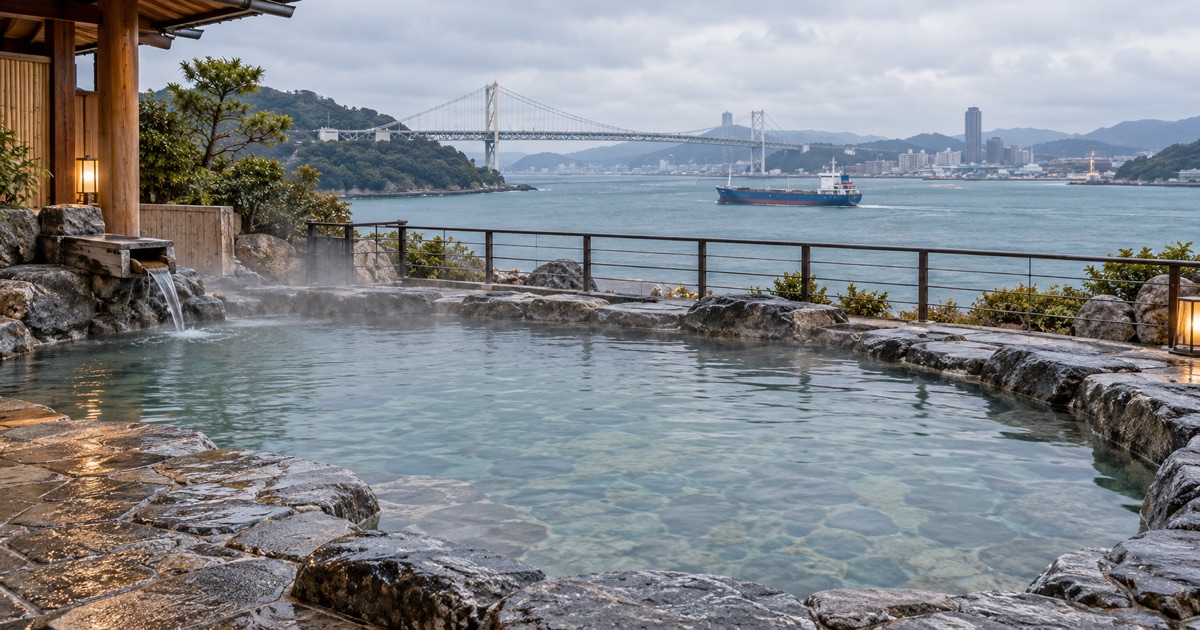
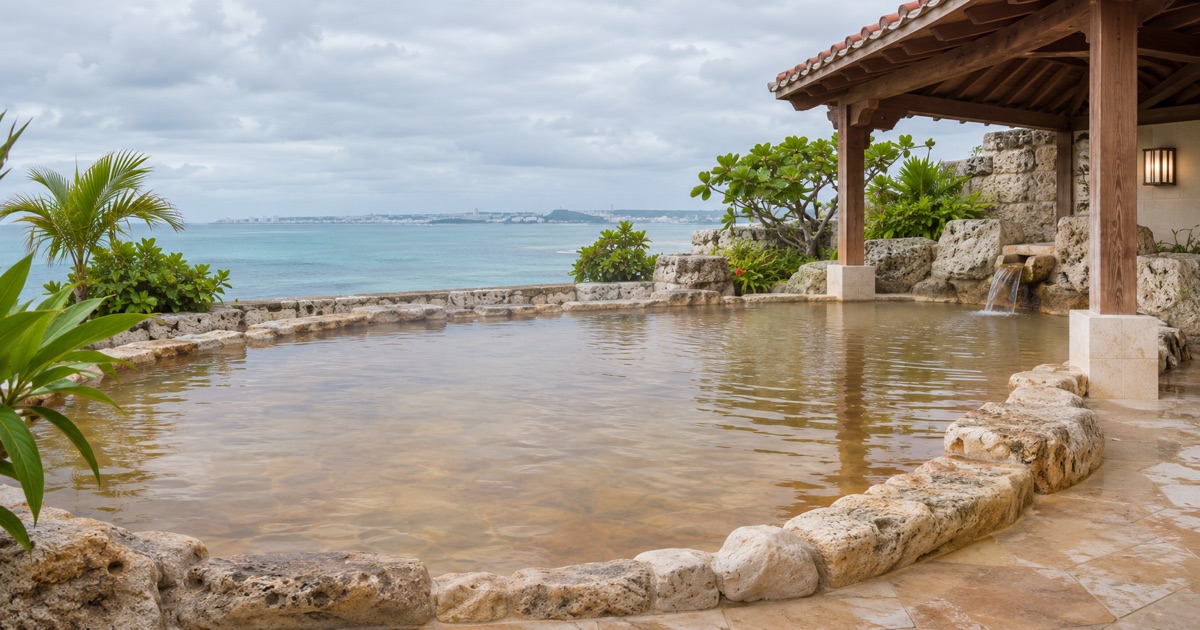
Located on Senaga Island (瀬長島), just south of Naha Airport (那覇空港), this facility is widely considered the premier thermal bath in the Naha area. The outdoor baths (rotenburo) face west over the East China Sea, offering panoramic views of commercial airplanes descending toward the runway and dramatic ocean sunsets.
- Access: Take a local route bus or taxi from Akamine Station (赤嶺駅) on the Okinawa Urban Monorail (Yui Rail), which takes roughly 10 to 15 minutes.
- Entry Type: Welcomes overnight hotel guests and non-staying day visitors.
- Typical Cost: Around 1,500 to 2,500 JPY depending on the day of the week and rental towel inclusions.
Loisir Hotel Naha (Mie-no-Yu)
Situated near Naha Port, Loisir Hotel Naha (ロワジールホテル 那覇) houses Mie-no-Yu (三重の湯), a natural hot spring drawn from approximately 8 million-year-old fossilized seawater layers. The water is naturally warm and saline, leaving a protective mineral layer on the skin.
- Access: Roughly a 15-minute walk from Asahibashi Station (旭橋駅) on the Yui Rail, or a quick 5-to-10-minute taxi ride from Kokusai Dori (国際通り).
- Entry Type: Open to day-use visitors as well as hotel guests.
- Typical Cost: Generally around 1,500 to 3,000 JPY for non-guests, often including bath towels.
What to Bring and How to Prepare
Visiting a bathhouse in Japan requires minimal preparation because most urban facilities rent or sell everything you need. However, knowing what to bring ensures a smoother visit.
- Cash and IC Cards: While some modern front desks accept credit cards or IC transportation cards, locker coin deposits (typically a refundable 100 JPY coin) and beverage vending machines usually require coins.
- Towels: Most day-use admission packages include a small washcloth and a large bath towel. At budget bathhouses, towels may cost an extra rental fee of around 200 to 400 JPY, or you may bring your own.
- Toiletries: Shampoo, conditioner, and body soap are almost universally provided at the washing stalls free of charge. Bring your own specialized skincare items or hairbrushes if you prefer personal brands.
- Change of Clothes: Light, breathable clothing is best after an onsen soak, particularly in Okinawa's warm climate.
We are working to carry Japanese craft and everyday culture beyond Japan, by building Japan Towns with local partners.
Read the Japan Town plan →Step-by-Step Onsen Etiquette
If you do not read Japanese or have never visited a Japanese bathhouse before, follow these straightforward steps to bathe with confidence.
1. Shoe Storage and Check-In
Remove your shoes at the entrance and place them into a shoe locker (getabako). Bring the shoe locker key to the front desk (front). Pay the entry fee, request towels if not already included, and receive your changing room locker key or wristband.
2. Enter the Correct Locker Room
Facilities are strictly separated by gender. Look for the fabric doorway curtains (noren):
- Red or Pink: Women (女)
- Blue or Dark Indigo: Men (男)
3. Disrobe Completely
Inside the changing room, choose an open locker. Remove all clothing, including underwear, swimwear, and jewelry. Japanese hot spring baths are taken completely nude. Place all belongings, clothes, and your large bath towel in the locker and lock it. You may carry only your small modesty washcloth into the bathing area.
4. Wash Thoroughly Before Entering the Baths
Do not step into the communal baths directly. Walk to the seated shower stalls lining the wall.
- Sit on the plastic stool provided; avoid standing to prevent splashing water on others.
- Wash your entire body and hair thoroughly using the provided soap and shampoo.
- Rinse all soap suds completely off your skin and the stool area before standing up.
5. Soaking in the Water
Step slowly into the bathwater. Keep the following in mind:
- Keep Towels Out of the Water: Do not submerge your small modesty towel in the bath. Fold it and place it on top of your head, or set it down neatly on the dry edge of the pool.
- Tie Up Long Hair: If you have long hair, tie it up above shoulder level with a hair tie to keep it out of the communal water.
- No Swimming or Diving: Move calmly. The baths are intended for quiet relaxation.
6. Drying Off and Leaving
Before stepping out of the wet bath area back onto the changing room carpet, use your small washcloth to wring out excess water and dry your skin as thoroughly as possible. Once in the locker room, finish drying with your large towel, get dressed, and return your locker key to the reception desk.
Important Rules: Tattoos and Accessibility
Bathhouse regulations in Japan are strict and set by individual business operators.
Tattoo Policies
In Japan, bathhouses and hot springs historically restricted guests with tattoos due to lingering associations with organized crime. In Okinawa, enforcement varies:
- Some facilities enforce a zero-tolerance policy and will deny entry if body art is visible.
- Other facilities permit guests with small tattoos if they are fully covered with waterproof adhesive patches (seal) purchased at the counter or brought from home.
- If you have extensive or prominent tattoos, check the facility's official rules in advance or consider booking private baths (kashikiri-buro) where you can bathe without communal restrictions.
Children and Mixed Bathing
Facilities follow local prefectural ordinances regarding the age at which children of the opposite sex can enter gender-segregated locker rooms. In Okinawa, children above a certain age (typically around 7 to 9 years old depending on venue guidelines) must use the changing room matching their biological gender.
Practical Travel Tips for Naha
Navigating Naha to reach its thermal baths is straightforward, even without Japanese language skills.
- Use the Yui Rail: The Okinawa Urban Monorail runs directly from Naha Airport through central downtown hubs like Asahibashi, Kencho-mae, and Makishi. It is the most reliable public transit line in the city. More regional information can be researched on the Japan National Tourism Organization website.
- Taxis Are Plentiful: Unlike some rural mainland onsen towns, taxis are readily available throughout Naha. Fares generally start at an affordable local base rate. Showing the driver the Japanese name and address on your smartphone is usually sufficient.
- Check Hours and Closures: Hot spring operating hours, last-admission cutoffs, and maintenance cleaning closures can change without notice. Always verify the current schedule on the bathhouse's official Japanese website using automated browser translation before traveling.
Summary Checklist
| Stage | Action |
|---|---|
| Before You Go | Check tattoo policy; carry cash for coin lockers; pack light clothes. |
| At Arrival | Remove shoes at entrance; pay admission; receive locker key and towels. |
| In Changing Room | Strip down completely nude; lock away all clothing and large towels. |
| Bathing Area | Wash and rinse fully at shower stalls before entering communal pools. |
| In the Water | Keep hair and towels out of the bath; soak quietly. |
| Exit | Dry off with small towel before stepping back into locker room carpet. |
FAQ
- Q. Are there natural hot springs in Naha?
- A. Yes, Naha has genuine natural hot springs that draw mineral-rich thermal water from deep beneath Okinawa's ancient coral bedrock.
- Q. Can you visit a Naha onsen without staying at the hotel?
- A. Most hotel-based hot springs in Naha offer day-use entry (higaeri onsen) to non-staying visitors for an admission fee.
- Q. Do you wear a swimsuit in a Naha onsen?
- A. In standard Japanese hot springs in Naha, bathers enter the water completely nude; swimsuits are not permitted unless specifically designated.
Cite or share this article
Copy the link below. If you quote this article, please link to this page as the source.