Chuo Onsen: Guide to Japan's Central Hot Springs
Key takeaways
- "Chuo Onsen" usually refers to local neighborhood bathhouses named Chuo across Japan, or baths in central city districts.
- Most Chuo Onsen facilities operate as retro sento or day-use baths, requiring visitors to bring or buy their own amenities.
- Public bathing in Japan requires complete nudity and washing your body thoroughly before entering communal water.
"Chuo Onsen" (中央温泉) typically refers to neighborhood hot spring baths or retro public bathhouses named "Chuo" (meaning "central") found in various towns across Japan, or day-use onsen located in central metropolitan districts. Because multiple facilities share this name from Tokyo and Osaka to regional onsen towns, your exact experience will depend on the specific prefecture you visit, though all adhere to universal Japanese bathing rules.
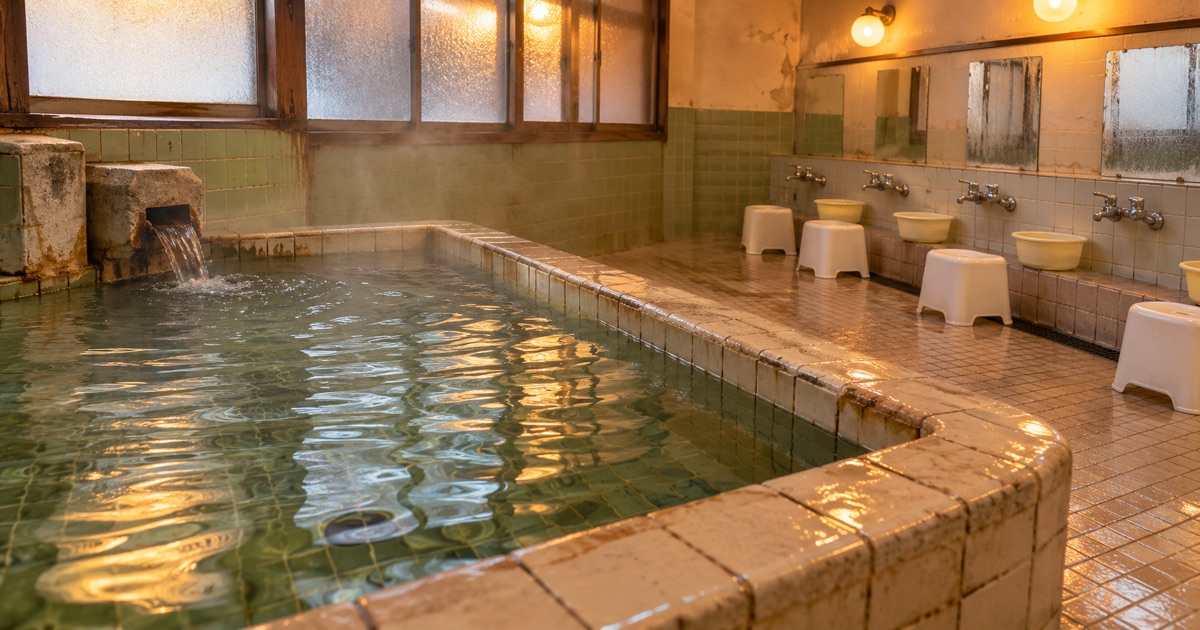
Whether you are stepping into a tiled Showa-era neighborhood bathhouse or a natural spring facility near a busy transit hub, visiting a local bath offers an authentic look into everyday Japanese life. This guide explains what to expect, how to prepare, and how to navigate these facilities comfortably without speaking Japanese.
Understanding the Name: Sento vs. Onsen
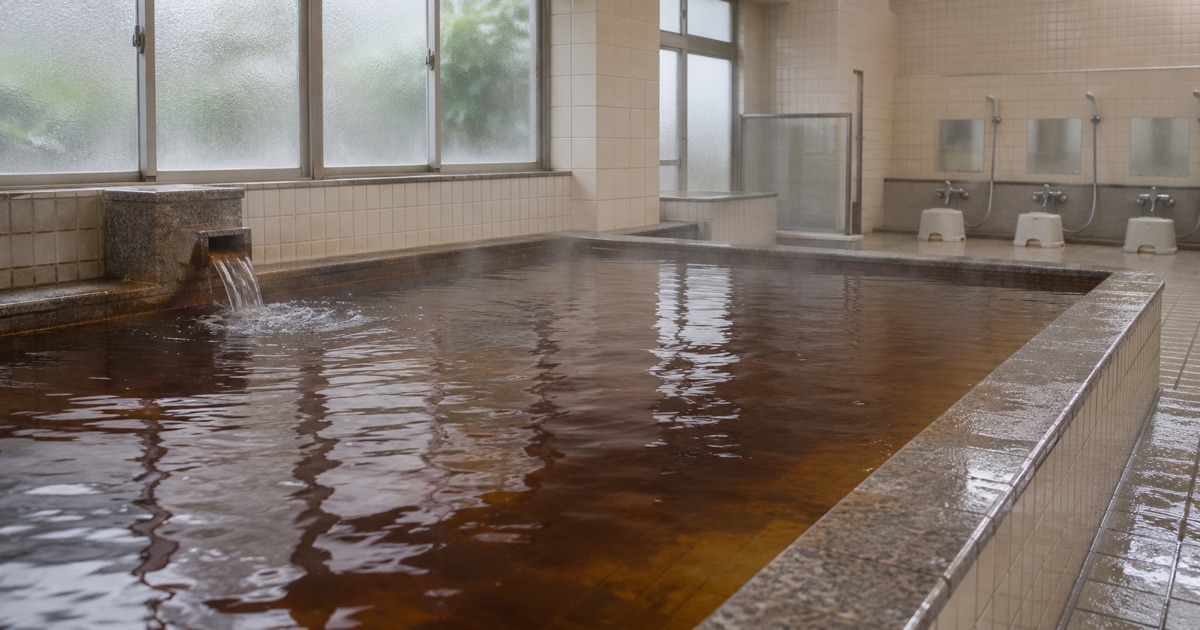
In Japan, the word chuo (中央) simply translates to "central" or "middle." Because of this, dozens of independent bathhouses across the country bear the name Chuo Onsen. Some are certified natural hot springs (onsen, 温泉), drawing geothermally heated mineral water from deep underground. Others are traditional public bathhouses (sento, 銭湯) that use heated city water, sometimes infused with minerals, herbal extracts, or ceramic filtration systems.
For travelers, the experience inside remains remarkably similar. Both styles feature shared communal tubs, specialized washing stations, and separate gender-segregated bathing rooms. The distinction matters primarily if you are looking for specific mineral compositions. Local sento with the name Chuo Onsen often serve as vibrant community hubs where neighborhood residents gather daily. Modern facilities that use the name in larger cities may lean toward contemporary day-spa layouts with saunas and rest lounges. Always verify the specific address and regional location of the venue you plan to visit.
What to Bring and Prepare in Advance
Local bathhouses operate on a simple, self-service model. Unlike high-end ryokan (traditional inns) where robes, toiletries, and plush towels are provided in your room, community day-use baths expect guests to come prepared or purchase supplies at the front desk.
Before heading out, prepare a small bag containing the following essentials:
- A modesty towel (tenugui or small face towel): This small rectangular towel is used for washing yourself at the taps and covering your lap while walking around the wet area.
- A bath towel: Leave this in your assigned locker or changing basket to dry off completely before stepping back onto the changing room mats.
- Toiletries: While some day-use baths provide communal body soap and two-in-one shampoo, smaller retro bathhouses often expect you to bring your own travel-sized bottles.
- Coins (100-yen coins): Lockers for shoes and clothing frequently require a 100-yen coin deposit, which is usually refunded when you unlock the door.
- Hair ties: Anyone with shoulder-length or longer hair must tie it up to keep it out of the communal bathwater.
If you arrive empty-handed, do not worry. Nearly every facility sells inexpensive disposable razors, miniature soap bottles, and small towels emblazoned with the bathhouse logo at the front counter (bandai or reception desk).
We are working to carry Japanese craft and everyday culture beyond Japan, by building Japan Towns with local partners.
Read the Japan Town plan →Step-by-Step Guide to Visiting a Local Bathhouse
Navigating a traditional bath without Japanese language skills is straightforward once you know the basic choreography. Follow these standard steps from entrance to exit.
1. Entering and Storing Your Shoes
Remove your outdoor shoes at the entrance threshold (genkan). Place your shoes inside an open shoe locker, remove the wooden or metal numbered key-tab, and keep it with you. Handing over this shoe key at the reception desk is common practice at many venues.
2. Paying Admission
Approach the counter or the automated ticket machine (kenbaiki). Admission at public bathhouses is generally regulated by prefecture, usually ranging from around 500 yen to 1,000 yen for adults. If using a machine, look for the adult ticket button (大人, otona). Hand your ticket or cash to the attendant. If you need soap or a towel, purchase them here before walking past the gender curtain.
3. Entering the Changing Room
Pass through the split curtain (noren) corresponding to your gender. Red or pink curtains marked with the character 女 (onna) indicate the women's bath, while blue curtains marked with 男 (otoko) indicate the men's bath.
Inside the changing area, find an open locker or clothing basket. Remove all clothing, including underwear, jewelry, and watches. Place everything inside the locker and secure the key around your wrist using the attached elastic band. You may take only your small modesty towel and your locker key into the washing area.
4. Washing Before Soaking
Step through the sliding glass door into the bathing hall. Before touching the bathwater, head directly to an open washing stall equipped with a low plastic stool and a small washbasin.
Sit down on the stool; standing while showering is frowned upon because it splatters suds onto neighboring bathers. Use your soap, shampoo, and small towel to scrub thoroughly. Rinse away all soap bubbles from your skin and the floor around your stool before standing up. Return your stool and basin to a tidy state for the next guest.
5. Soaking in the Tubs
Slowly ease yourself into the communal bath. Japanese bathwater is often quite hot, frequently sitting between 40°C and 43°C (104°F to 110°F). Keep your small modesty towel out of the water; fold it and rest it on top of your head, or place it on the dry ledge beside the tub.
Never submerge your head, swim, splash, or bring soap into the bathwater. Soak quietly and enjoy the warmth. If the facility features multiple tubs—such as an electric bath (denki-buro), jet bath, or cold plunge (mizuburo)—you can rotate between them, taking care to rinse off if switching between hot tubs and cold water.
6. Drying Off and Leaving
Before stepping from the wet tile area back onto the tatami or wood flooring of the changing room, wring out your small towel thoroughly and wipe off as much excess water from your body as possible. Once inside the changing room, use your large bath towel to dry off completely before dressing.
Hydration is essential after a hot soak. Most changing rooms feature drink vending machines selling water, green tea, or traditional bottled coffee milk (kohi gyunyu).
Bathing Etiquette and Crucial Rules
Japanese communal bathing relies on strict cultural etiquette designed to keep shared water pristine and maintain a peaceful atmosphere for everyone.
- Strict Nudity: Swimsuits, boardshorts, and underwear are never permitted in standard public baths. Bathing is done completely in the nude.
- Tattoos: Policies regarding body art differ by facility. Historic municipal sento often welcome tattooed patrons without issue, whereas modern wellness centers or franchised onsen may prohibit tattoos entirely. If you have visible ink, check the facility's official policy beforehand, or bring waterproof adhesive patches to conceal small tattoos.
- No Photography: Phones, cameras, and recording devices must remain inside your bag inside the changing room. Using a mobile phone in the locker area or bathing hall is strictly prohibited to protect privacy.
- Keep Towels Out of Water: The communal water must remain free of outside fibers and detergent residue. Your modesty towel should never touch the bath.
- Mind the Noise: Bathhouses are spaces for calm contemplation and quiet relaxation. Keep conversations at a low volume.
Planning Your Transit
Because baths named Chuo Onsen are located in various regions, research transit connections based on your specific destination. Many local bathhouses sit within a 5- to 15-minute walk from regional train stations operated by regional transit networks or nationwide operators like JR East and JR West.
Opening hours for neighborhood baths typically begin in the mid-afternoon (often around 2:00 PM or 3:00 PM) and run until late evening, though some morning baths operate in market districts. Always consult the official website or local tourism associations via organizations such as the Japan National Tourism Organization to confirm operating schedules, maintenance closures, and pricing before your trip.
FAQ
- Q. Can people with tattoos enter a Chuo Onsen?
- A. Policies vary widely by specific location; while many traditional public bathhouses allow tattoos, private day-use facilities may restrict them.
- Q. What should you bring to a day-use bath named Chuo Onsen?
- A. Bring a small wash towel, a larger bath towel, and coins for ticket vending machines or lockers, as basic toiletries may cost extra.
- Q. How much does admission to a local Chuo Onsen generally cost?
- A. Entry fees typically range from around 500 yen to 1,000 yen for public bathhouses, though modern hot spring complexes can cost more.
Cite or share this article
Copy the link below. If you quote this article, please link to this page as the source.