Hamamatsu Onsen Guide: Best Hot Springs & Lakes
Key takeaways
- Hamamatsu onsen centers mainly around scenic Lake Hamana, easily reached via local buses from Hamamatsu Station.
- Both overnight ryokan and day-use hot springs are available, with day entry typically ranging from 800 to 1,800 yen.
- Tattoo rules and opening hours vary across facilities, so always verify policies on official websites before traveling.
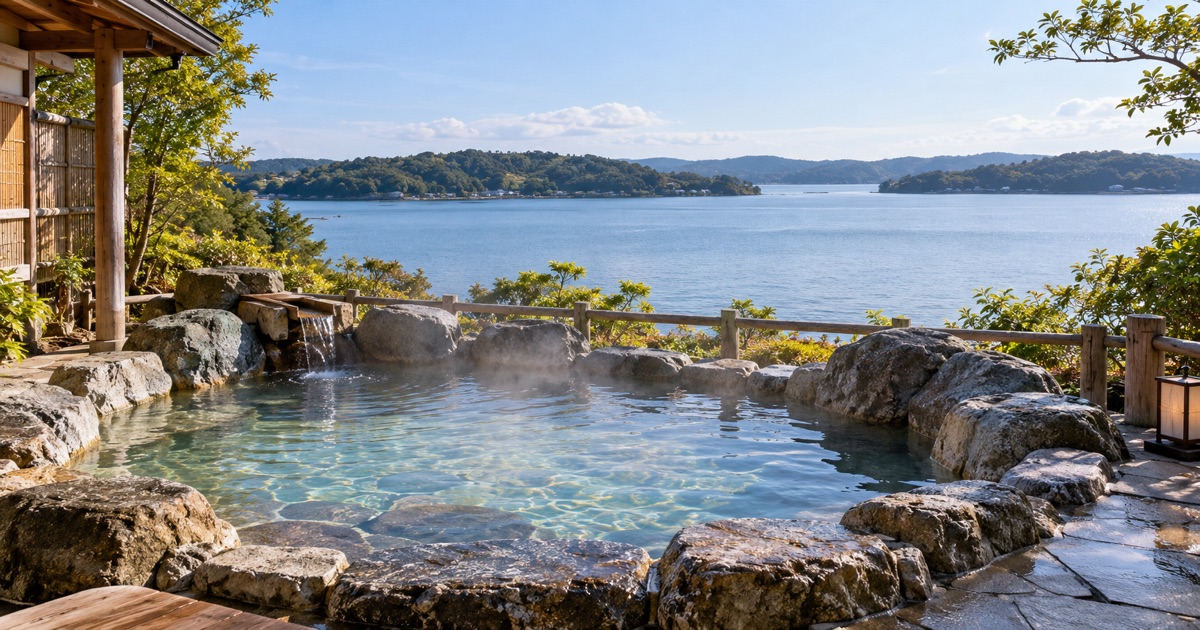
Hamamatsu onsen culture centers primarily on the shores of scenic Lake Hamana (Hamanako), offering tranquil waters, lakeside views, and easy access along the Tokaido corridor. Located midway between Tokyo and Kyoto in Shizuoka Prefecture, the area allows international travelers to step off the Shinkansen and relax in a classic Japanese resort setting within an hour.
Whether you plan an overnight ryokan stay or a quick day trip between major cities, Hamamatsu delivers a versatile hot spring escape. This guide covers the main onsen areas, day-use logistics, transportation routes, and essential cultural etiquette.
Understanding Hamamatsu's Hot Spring Regions
While central Hamamatsu is an industrial and musical instrument manufacturing hub, its natural hot spring resources cluster around the scenic Lake Hamana.
Kanzanji Onsen (舘山寺温泉)
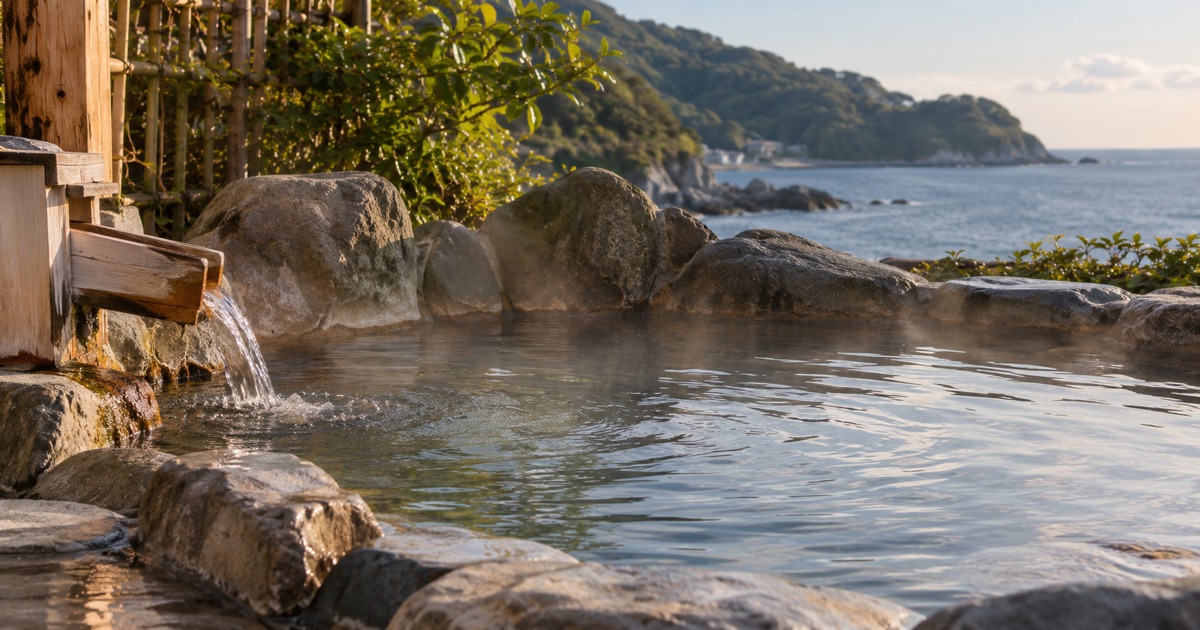
Kanzanji Onsen is the definitive resort district of Hamamatsu. Perched on an inlet of Lake Hamana, this town developed around Kanzanji Temple, a historic Buddhist site dating back centuries. The district features a concentration of traditional Japanese inns (ryokan), modern resort hotels, and dedicated day-use bathhouses. Visitors come here for open-air baths (rotenburo) overlooking calm lake waters, boat cruises, and nearby coastal walking trails.
Central Hamamatsu Day Baths and Super Sento
If you do not have time to venture out to Lake Hamana, central Hamamatsu features large public bathing complexes known as super sento. While some use drawn mineral water and others rely on local hot spring sources, they provide extensive facilities including sauna rooms, jet baths, and cold plunge pools right in the city center.
Bentenjima Onsen (弁天島温泉)
Located south of Lake Hamana near the ocean entrance, Bentenjima is famous for its iconic red torii gate standing directly in the water. Several hotels here feature hot spring baths with expansive views of the Enshu Sea and the lake, easily accessible from local rail stops.
How to Get to Hamamatsu and the Onsen Areas
Hamamatsu is one of the easiest hot spring gateways to reach in central Japan thanks to its position on the Tokaido Shinkansen line.
Arriving by Bullet Train
- From Tokyo: Take the Tokaido Shinkansen (Hikari or Kodama train) from Tokyo Station to Hamamatsu Station (浜松駅). The journey takes around 75 to 90 minutes.
- From Nagoya: The Shinkansen connects Nagoya Station to Hamamatsu Station in roughly 30 minutes.
- From Kyoto or Osaka: Take the Shinkansen from Kyoto (about 70 to 80 minutes) or Shin-Osaka (about 85 to 95 minutes).
Train schedules and ticketing details can be verified via JR Central.
Reaching Lake Hamana (Kanzanji Onsen)
From Hamamatsu Station, head to the bus terminal outside the North Exit.
- Locate bus stop number 1.
- Board the Entetsu Bus route 30 bound for Kanzanji Onsen (舘山寺温泉).
- The bus ride takes roughly 45 to 50 minutes, depending on traffic.
- Prepare cash or an IC card (such as Suica, Pasmo, or local NicePass) for payment as you exit. Always verify fares and schedules at the bus information desk inside the station before boarding.
To reach Bentenjima Onsen, take a local JR Tokaido Line train from Hamamatsu Station westward to Bentenjima Station (弁天島駅), which takes approximately 12 minutes.
We are working to carry Japanese craft and everyday culture beyond Japan, by building Japan Towns with local partners.
Read the Japan Town plan →How to Enjoy a Day-Use Onsen (Higaeri Onsen)
You do not need an overnight hotel reservation to soak in a Hamamatsu onsen. Many hotels and stand-alone facilities offer day-use entry (higaeri onsen).
What to Bring
- Small wash towel: Used for washing your body before soaking. You can bring your own or buy one at the front desk for around 100 to 300 yen.
- Large bath towel: For drying off completely before returning to the changing area. You can bring your own or rent one for around 200 to 500 yen.
- Cash (100-yen coins): Shoe lockers and clothing lockers often require a returnable 100-yen coin to operate.
- Plastic bag: Handy for storing wet towels after your bath.
Body wash, shampoo, and hair dryers are provided free of charge in the vast majority of facilities.
Step-by-Step Facility Process
- Shoe Locker: Remove your shoes at the entrance, place them in a shoe locker, and take the key.
- Ticket Purchase: Pay the entry fee at the front desk or via an automated ticket vending machine. Day-use admission generally ranges from 800 to 1,800 yen.
- Changing Room: Enter the correct section (marked 男 for men, typically blue; 女 for women, typically red). Place all belongings, including clothing and phones, into a locker and keep the key securely around your wrist.
- Washing First: Walk into the bath area completely undressed. Sit down on a small stool at a washing stall, lather up, and rinse off thoroughly before entering any communal bath.
- Soaking: Step slowly into the bath. Keep your hair tied up and never submerge your head or small modesty towel into the water.
- Cooling Down: Dry your skin thoroughly in the doorway of the shower area before stepping onto the woven mats or dry flooring of the changing room.
Tattoo Policies and Private Bath Alternatives
Hot spring establishments across Shizuoka Prefecture enforce varied policies regarding tattoos.
Traditional public facilities often turn away guests with visible ink, regardless of size or cultural intent. However, policies are evolving:
- Small tattoos: Some modern day-use baths permit individuals to enter if tattoos are fully covered with waterproof adhesive patches (seal sheets), which are sometimes sold at the front desk.
- Large or full-body tattoos: Communal bathing is generally not permitted in standard facilities.
The Private Bath (Kashikiri-buro) Solution
If you have tattoos or simply prefer total privacy with family or a partner, look for a ryokan that offers private hot spring baths (kashikiri-buro / 貸切風呂). These private rooms are rented by the hour (often around 2,000 to 4,000 yen per session) and can be used without tattoo restrictions. Alternatively, you can book a luxury guest room that includes an attached private open-air bath on the balcony. Check hotel booking engines and direct resort websites to confirm availability.
Essential Practical Tips and Common Mistakes
To make the most of your Hamamatsu hot spring experience, keep these practical pointers in mind:
- Check day-use operating windows: Ryokan often open their hot springs to day visitors only during a narrow midday window (typically between late morning and mid-afternoon), reserving late afternoons and evenings exclusively for overnight guests. Always confirm hours on the official website before you make the trip.
- Do not wear swimwear: With the exception of specialized water park facilities, traditional onsen require total nudity. Swimwear, underwear, and large towels are strictly forbidden inside the bath water.
- Hydrate regularly: Mineral hot springs warm your core quickly. Drink plenty of water before and after soaking, and limit individual soaking sessions to 10 to 15 minutes at a time.
- Combine with local specialties: Hamamatsu is famous throughout Japan for its eel (unagi) and pan-fried dumplings (Hamamatsu gyoza). Most onsen districts around Lake Hamana house exceptional unagi restaurants within walking distance of the baths.
For broader regional sightseeing itineraries and seasonal travel updates, refer to the Japan National Tourism Organization.
FAQ
- Q. Where are the best hot springs in Hamamatsu?
- A. The most popular hot springs are concentrated around Lake Hamana (Hamanako), specifically in the Kanzanji Onsen district. You will also find modern super sento and hotel baths located around central Hamamatsu Station, offering quick access without leaving the urban core.
- Q. Can I visit Hamamatsu onsen with tattoos?
- A. Most traditional public baths in Hamamatsu prohibit visible tattoos. However, some modern day-use baths allow small tattoos covered with waterproof patches. To bathe without stress, reserve a ryokan with a private bath (kashikiri-buro) or stay in a room featuring its own attached hot spring tub.
- Q. How long does it take from Hamamatsu Station to Kanzanji Onsen?
- A. A local Entetsu bus from bus stop number 1 at the Hamamatsu Station North Exit takes roughly 45 to 50 minutes to reach Kanzanji Onsen. Buses run throughout the day, but you should always check current timetables before departing.
Cite or share this article
Copy the link below. If you quote this article, please link to this page as the source.