Kumamoto Onsen Town Guide: Kurokawa, Yamaga, and More
Key takeaways
- Kurokawa Onsen is Kumamoto's most famous hot spring town, renowned for its outdoor baths and wooded valley scenery.
- Direct highway buses run from Kumamoto Station and Fukuoka, but car rentals offer the greatest flexibility in rural areas.
- Bring your own small towel and check facility tattoo policies in advance, as public bath rules vary across Kyushu.
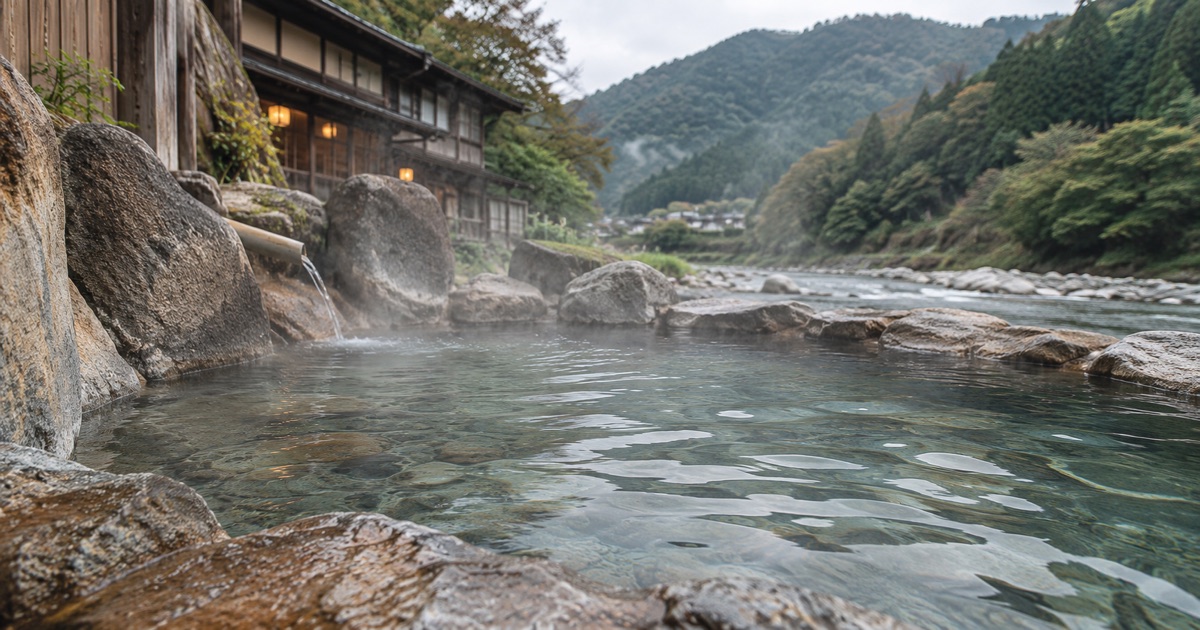
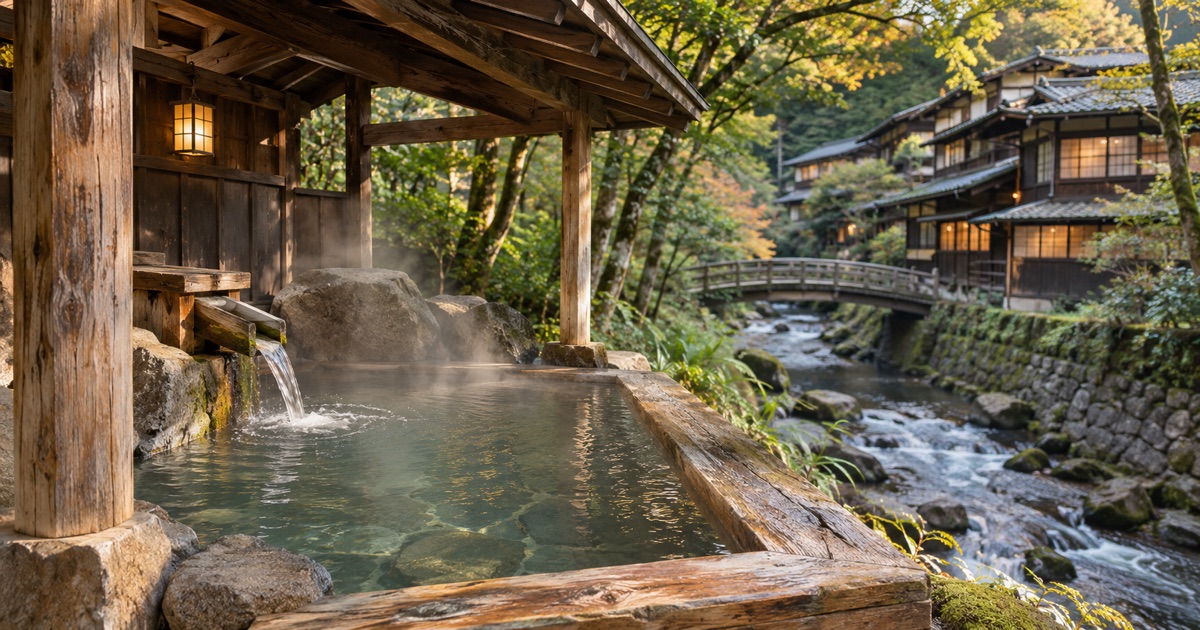
The premier Kumamoto onsen town is Kurokawa Onsen (黒川温泉), famous for its preserved Edo-style atmosphere, forested river valley, and wooden rotemburo (outdoor baths). Kumamoto Prefecture in central Kyushu is also home to historic hot spring destinations like Yamaga Onsen (山鹿温泉), the volcanic waters of Aso Onsen (阿蘇温泉), and coastal retreats like Hinagu Onsen (日奈久温泉).
Whether you are looking for secluded mountain retreats or historic bathhouses with centuries of culture, this guide covers what to know before visiting an onsen town in Kumamoto.
Top Kumamoto Onsen Towns: Which One Should You Visit?
Different hot spring towns in Kumamoto cater to different travel styles. Selecting the right destination depends on whether you value convenience, mountain views, or architectural history.
Kurokawa Onsen: The Best for Atmosphere and Forest Baths
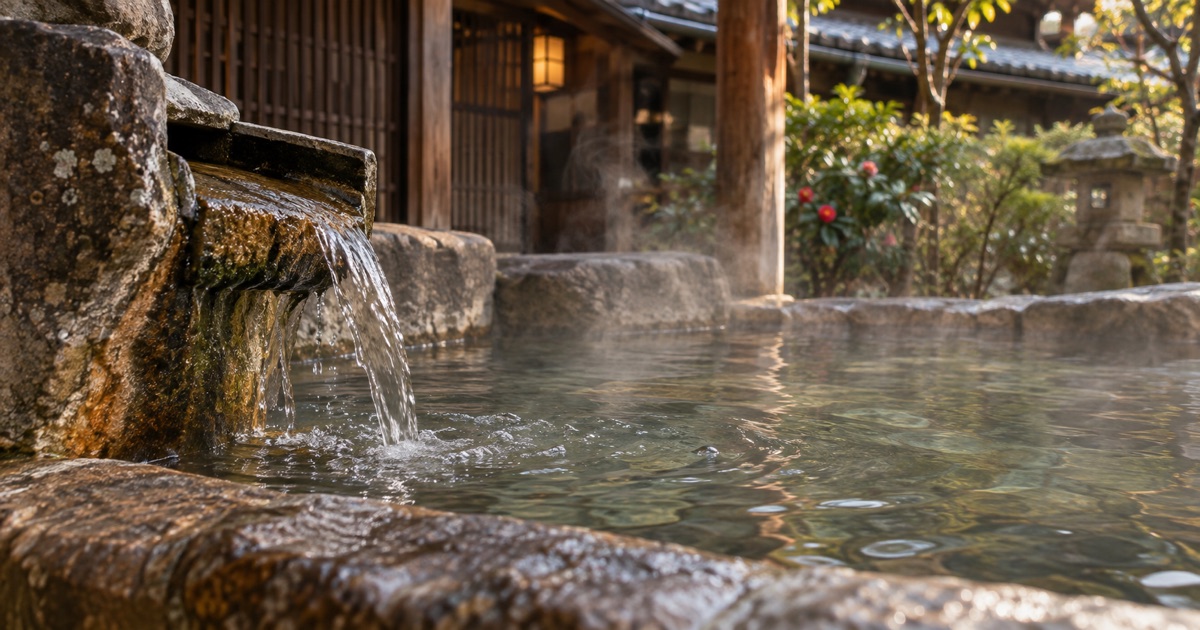
Tucked away in the mountains near Mount Aso, Kurokawa Onsen is designed to feel like a single, cohesive village. The town banned neon signs, concrete towers, and large tour bus complexes to preserve a rustic aesthetic.
- Best for: Couples, quiet retreats, and bath-hopping enthusiasts.
- Key feature: The Nyuto Tegata (入湯手形), a cedar bath pass that allows visitors to enter three participating outdoor baths of their choice throughout the village.
- Atmosphere: Earthen walls, timber bridges, lanterns, and steamy riverbanks.
Yamaga Onsen: The Best for Ancient Architecture and Lantern Culture
Located in northern Kumamoto along the Kikuchi River, Yamaga flourished as a post town during the Edo period. It is famous for the Sakura-yu (さくら湯), a grand wooden public bathhouse rebuilt using traditional timber framing techniques.
- Best for: Travelers interested in traditional Japanese architecture, cultural history, and easy day trips.
- Key feature: Sakura-yu's soaring ceilings and untreated timber interior, as well as the nearby Yachiyoza (八千代座), a restored Kabuki playhouse dating to 1910.
- Atmosphere: Historic town streets, craft shops, and peaceful residential lanes.
Aso Onsen Area: The Best for Active Travelers and Caldera Landscapes
The Aso region includes several distinct hot spring pockets scattered across the vast caldera, including Uchinomaki Onsen (内牧温泉) and Aso Station surroundings.
- Best for: Hikers, road-trippers, and travelers touring the active Mount Aso volcano.
- Key feature: Wide-open panoramic views of the Aso caldera rim and easy integration with outdoor excursions.
- Atmosphere: Spread-out rural towns with a mix of modern hotels, traditional inns, and budget-friendly public baths.
Hinagu Onsen: The Best for Nostalgic Coastal Solitude
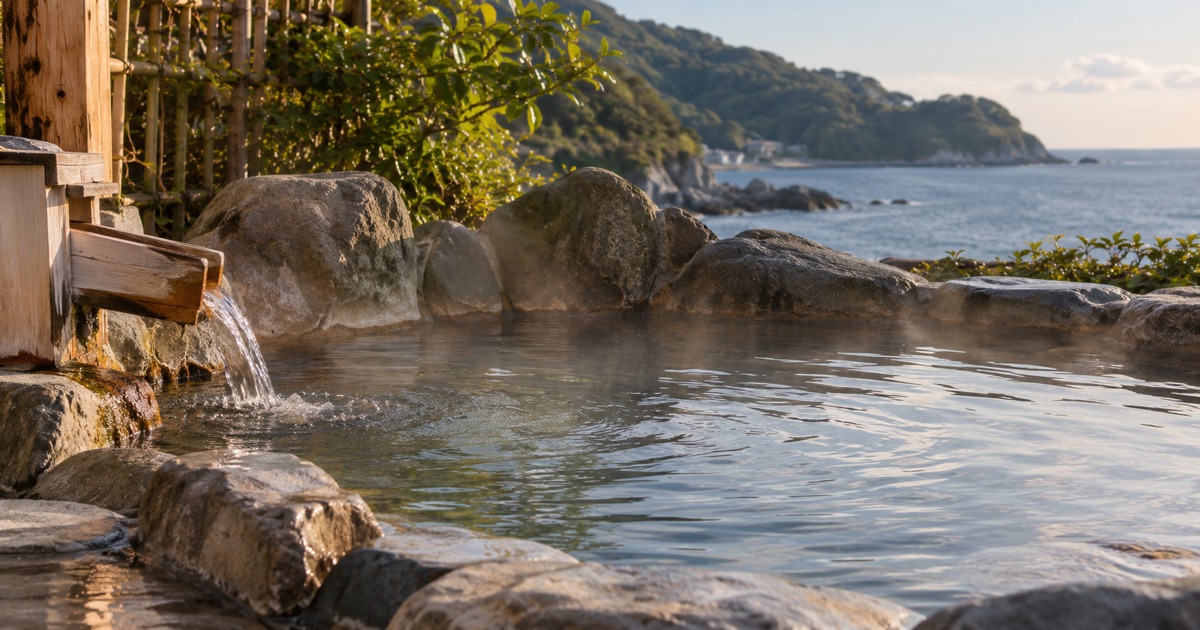
Founded over 600 years ago, Hinagu Onsen sits south of Kumamoto City along the Yatsushiro Sea. It features narrow, quiet alleys lined with three-story wooden ryokan that reflect the early Showa period.
- Best for: Travelers seeking uncrowded, slow-paced exploration far off the standard tourist trail.
- Key feature: Traditional chikuwa (grilled fish cake) shops and quiet neighborhood public baths.
How to Get to Kumamoto's Hot Spring Towns
Kumamoto City serves as the primary transit hub. Overseas visitors generally arrive at Kumamoto Station via the Kyushu Shinkansen from Fukuoka (Hakata Station, roughly 30 to 40 minutes) or Kagoshima. Comprehensive route planning and rail passes can be checked via the official Japan National Tourism Organization website.
Traveling by Public Transit
- To Kurokawa Onsen: Take the Kyushu Odan Bus (Trans-Kyushu Bus) directly from Kumamoto Station or Kumamoto Sakuramachi Bus Terminal. The ride takes around 2.5 to 3 hours each way. Alternatively, direct express highway buses operate from Fukuoka's Hakata Bus Terminal (roughly 2.5 to 3 hours). Bus reservations are strongly recommended during peak seasons.
- To Yamaga Onsen: Regular local buses run from Kumamoto Sakuramachi Bus Terminal, taking approximately 60 to 75 minutes. There is no direct train station in Yamaga.
- To Aso Onsen: Take the JR Hohi Main Line from Kumamoto Station to Aso Station (around 70 to 90 minutes on local or limited express trains). Local buses connect Aso Station to surrounding onsen areas like Uchinomaki.
Renting a Car
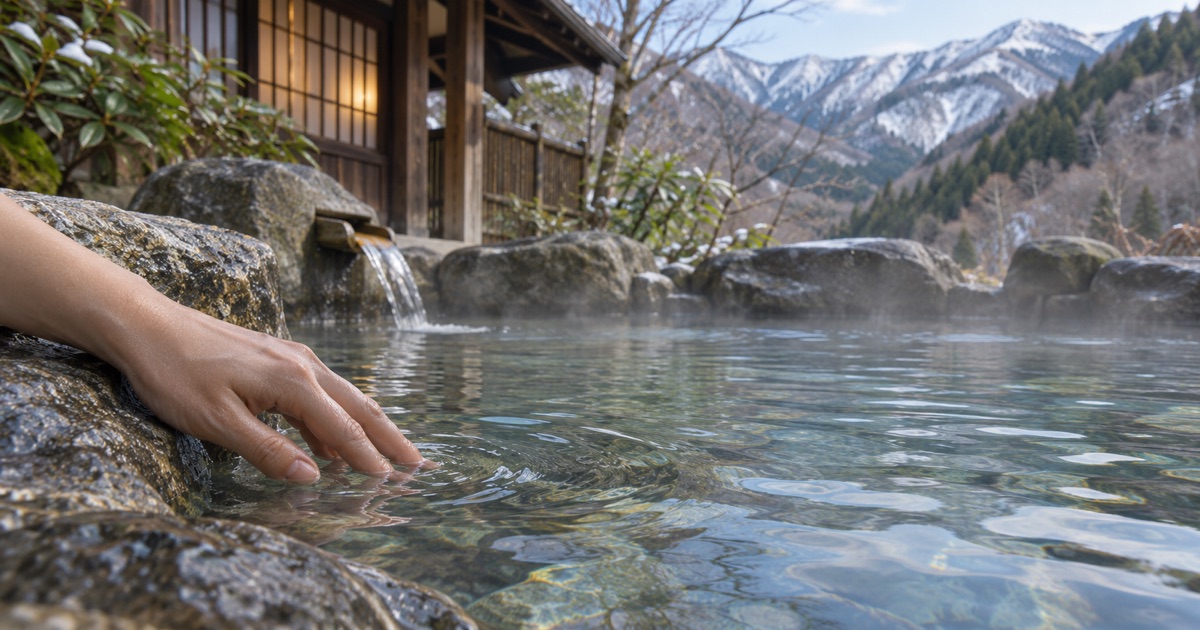
Because Kumamoto's topography includes rugged volcanic passes and rural valleys, renting a car near Kumamoto Station or Kumamoto Airport is often the most practical option. A rental car makes it easy to combine Kurokawa Onsen with the Aso Caldera viewpoints. During mid-winter (December through February), mountain roads can experience freezing temperatures and occasional snowfall; confirm with your rental agency if studless winter tires are required.
We are working to carry Japanese craft and everyday culture beyond Japan, by building Japan Towns with local partners.
Read the Japan Town plan →The Kurokawa Onsen Bath Pass (Nyuto Tegata)
If you visit Kurokawa Onsen, the Nyuto Tegata is the centerpiece of the experience.
- Purchasing the Pass: You can buy this circular wooden disc at the Kurokawa Onsen Visitor Center (Kaze no Sho / 風の舎) or at participating ryokan for roughly 1,500 yen.
- How It Works: The pass gives you access to the open-air baths (rotemburo) of up to three different participating ryokan as a day visitor.
- Stickers: The pass comes with three tear-off stickers. Each time you enter an inn's bath, the front desk removes one sticker and stamps the wood with their unique seal.
- Souvenir: Once all stickers are used, you keep the wooden disc as a memento of your trip, or hang it as an offering at the village shrine.
Note that day-use bathing hours for non-staying guests vary widely by ryokan—often restricted to a window between roughly 10:00 AM and 3:00 PM. Always check operating status at the Visitor Center before setting out.
What to Bring and How to Bathe: First-Timer Steps
Onsen bathing follows strict cultural customs to ensure shared water stays clean and comfortable for everyone.
What to Pack
- Small modesty towel (tenugui): Ryokan provide these to overnight guests, but day visitors should purchase or bring their own. You take this small towel into the bathing area for modesty while walking between pools.
- Large bath towel: Leave this in your assigned clothing locker or basket to dry yourself completely before re-entering the changing room.
- Coin purse: Many public lockers require a 100-yen coin (often refundable).
- Plastic bag: Useful for carrying your wet modesty towel after your bath.
- Hydration: Drink plenty of water before and after soaking.
Step-by-Step Onsen Etiquette
- Remove shoes: Leave your outdoor footwear at the entrance or in a shoe cubby near the door.
- Separate by gender: Enter the correct curtain (noren)—typically red or pink for women (女) and blue for men (男).
- Disrobe fully: In the changing room, remove all clothing, including swimwear. Swimsuits are not permitted in traditional Japanese public baths. Place everything in a basket or locker.
- Wash first: Sit at a washing station before touching the communal pool. Use the provided body soap and shampoo to clean yourself thoroughly. Rinse away all suds completely.
- Entering the water: Tie long hair up and do not let your modesty towel touch the bathwater. Place the folded towel on your head or set it on a rock at the edge of the pool.
- No diving or swimming: Onsen are designed for quiet, meditative soaking. Keep conversations at a low volume.
- Dry off before returning: Use your wrung-out small towel to wipe off excess water before stepping onto the changing room mats.
Tattoo Policies in Kumamoto Onsen
Tattoo acceptance varies across Japan. While some modern urban day spas bar individuals with visible ink, rural hot spring towns handle the matter on a case-by-case basis.
- Shared Baths: In Kurokawa Onsen and Yamaga, some inns allow discreetly covered tattoos using waterproof patches, while others restrict them entirely in shared waters.
- Private Baths (Kashikiri-buro): If you have extensive or visible tattoos, booking a kashikiri (private family bath) is the easiest solution. Many ryokan rent these private rooms by the hour to both overnight guests and day visitors. In a private bath, tattoos are completely fine because you have exclusive use of the room.
- Rooms with Private Onsen: Booking a ryokan room with an attached open-air bath guarantees private, unrestricted bathing at any time of day.
If you are unsure of an inn's stance, check the specific ryokan's official website or inquire with the local tourist association before booking.
Common Mistakes to Avoid in Kumamoto's Onsen Towns
- Arriving too late for day bathing: Day-use baths at most ryokan close between 2:00 PM and 4:00 PM to prepare for checking in overnight guests. Arrive by midday if you intend to hop between multiple baths.
- Relying on late-night transit: Bus service in mountain areas like Kurokawa and rural Aso drops off sharply in the late afternoon. Missing the final bus can leave you stranded without easy taxi access.
- Skipping dinner reservations: In remote towns like Kurokawa, free-standing restaurants are scarce and often close early. Most overnight travelers rely on half-board (breakfast and dinner included) plans at their ryokan. If you book a "room-only" plan, verify dining options beforehand.
- Entering the pool without washing: Entering the communal bathwater without first scrubbing at the wash stalls is considered a serious breach of etiquette.
Planning transit routes, double-checking facility policies, and pacing your baths will ensure a smooth journey into Kumamoto's unique hot spring landscapes.
===
FAQ
- Q. What is the best Kumamoto onsen town for first-time visitors?
- A. Kurokawa Onsen (黒川温泉) is widely considered the top choice thanks to its compact layout, atmospheric riverside streets, and the wooden Nyuto Tegata bath pass.
- Q. How do you reach Kurokawa Onsen from Kumamoto Station?
- A. You can take the Kyushu Odan Bus directly from Kumamoto Station to Kurokawa Onsen, which takes roughly 2.5 to 3 hours depending on road conditions.
- Q. Can people with tattoos use hot springs in Kumamoto?
- A. Policies vary by ryokan. While some traditional shared baths restrict visible tattoos, private rental baths (kashikiri) are widely available and allow unrestricted bathing.
Cite or share this article
Copy the link below. If you quote this article, please link to this page as the source.