Himeji Onsen Guide: Best Hot Springs Near the Castle
Key takeaways
- Hot springs exist both within walking distance of Himeji Station and in secluded valleys just outside the city.
- Combine world-famous Himeji Castle sightseeing with natural thermal baths in a single seamless day or overnight trip.
- Shinkansen and local JR lines connect Himeji smoothly to nearby premier coastal and mountain onsen destinations.
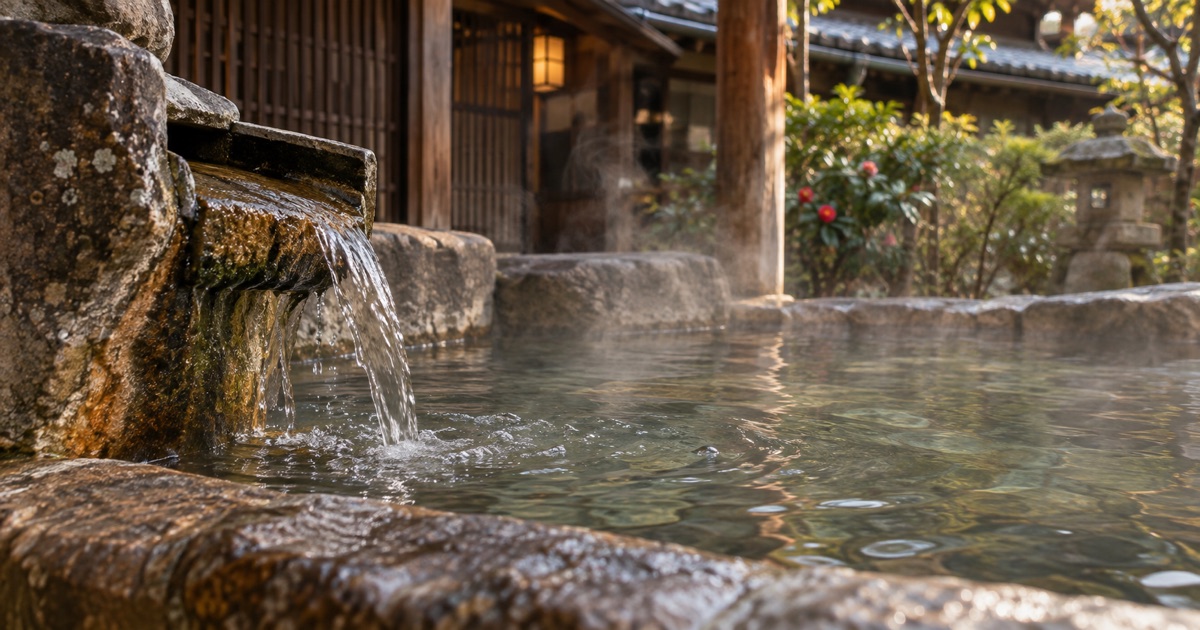
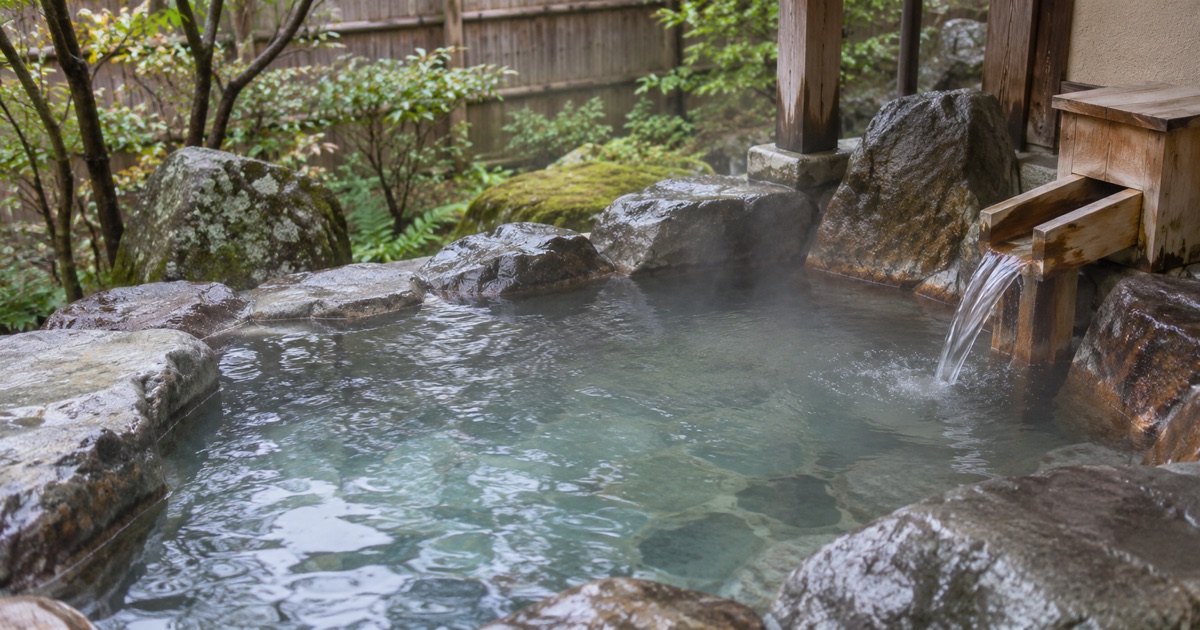
Himeji onsen experiences range from modern thermal hotel baths near Himeji Station to quiet, historic hot spring inns nestled in the northern valleys of Hyogo Prefecture. Visitors can easily pair a morning tour of world-famous Himeji Castle (姫路城) with an afternoon or overnight soak in mineral-rich thermal waters.
Whether you have a few spare hours between train connections or want a restful night at a traditional Japanese inn (ryokan), the Himeji area offers several accessible options.
Hot Springs Right in Downtown Himeji
If your schedule is tight and you want to soak without leaving the city center, downtown Himeji features hotels with piped natural hot spring waters. These facilities cater to travelers looking for efficiency, comfort, and minimal transit time.
Natural Hot Spring Hotels Near Himeji Station
Several modern business hotels clustered around JR Himeji Station feature authentic onsen communal baths. Properties such as Dormy Inn Himeji (天然温泉 白鷺の湯 ドーミーイン姫路) draw genuine thermal water from regional sources into indoor and semi-open-air baths.
These properties are primarily designed for overnight guests, though some offer limited day-use plans. Staying here allows you to drop your luggage straight off the train, explore the castle, and return for a relaxing soak late into the evening.
City Center Public Baths and Sentō
For day visitors who are not staying overnight, modern bath complexes (super sentō) operate across Himeji's urban borders. These facilities offer multiple bath styles, including carbonated tubs, cold plunge pools, and dry saunas.
Keep in mind that urban bathhouses often enforce strict policies prohibiting body art and visible tattoos. If you have tattoos, check the facility's policy online before traveling, or use waterproof adhesive patches to conceal smaller ink.
Shiota Onsen: Himeji's Secluded Countryside Retreat
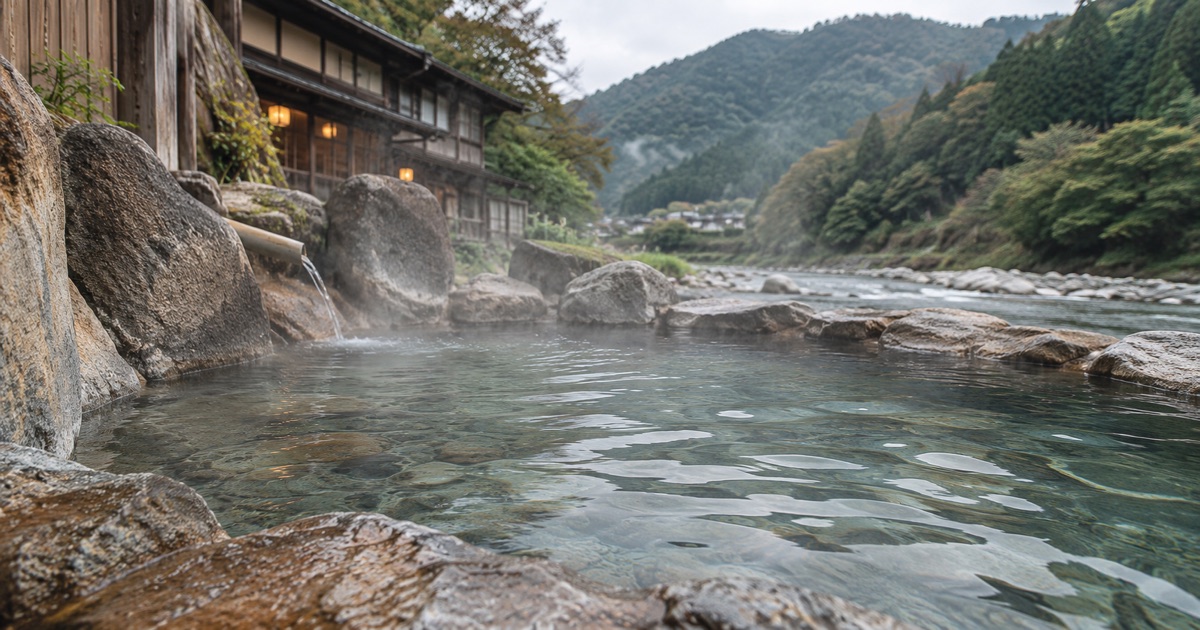
For an authentic, traditional onsen village atmosphere, look just north of the city to Shiota Onsen (塩田温泉). Tucked into a wooded river valley, Shiota has welcomed travelers for over three centuries. It is the premier hot spring retreat administratively within Himeji City.
The Atmosphere of Shiota Onsen
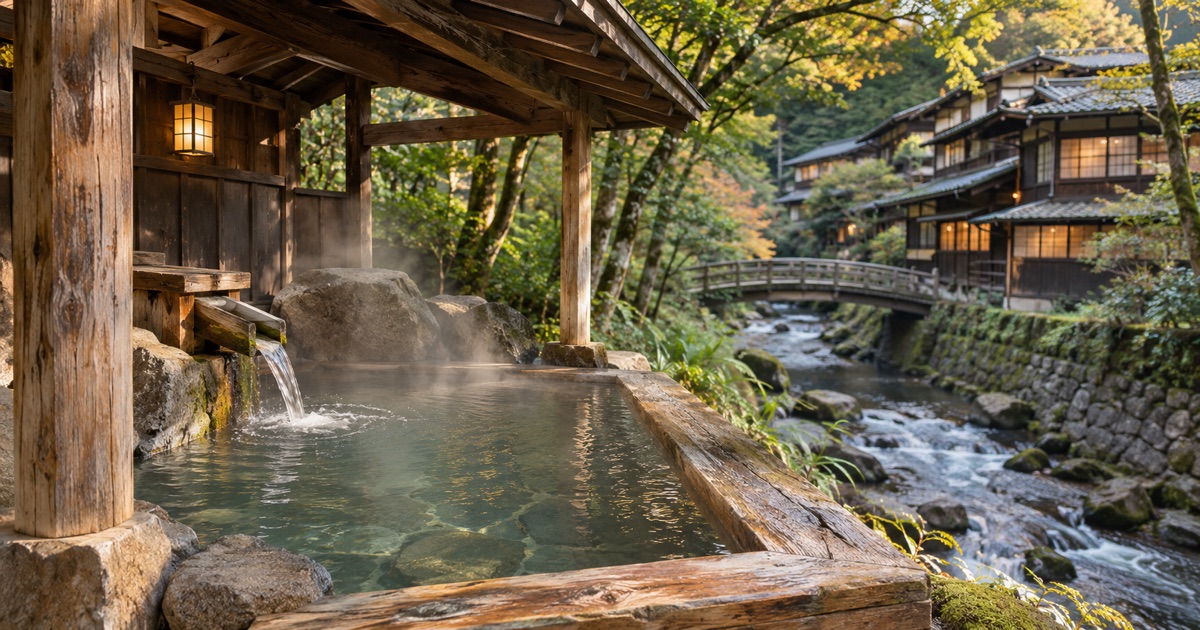
Unlike busy resort towns packed with neon signs, Shiota Onsen is peaceful and rural. The valley features historic wooden inns surrounded by bamboo groves and tranquil streams.
The thermal waters here are historically prized for their rich mineral content, featuring natural carbon dioxide and carbonate elements. The water feels gentle on the skin, and the quiet surroundings make it a complete contrast to the bustling plazas around Himeji Castle.
Access from Himeji Station to Shiota Onsen
Reaching Shiota Onsen takes roughly 35 to 45 minutes from Himeji Station:
- Walk to the Himeji Station North Exit bus terminal.
- Board a local Shinki Bus (神姫バス) bound for Maeda-nishi or Yamazaki.
- Alight at the Shiota (塩田) or Shiota Onsen bus stop.
- Fares generally run around 600 to 800 JPY one way.
Many ryokan in Shiota Onsen, such as Yuyake Koyake (夕やけこやけ) and Sagi-no-Sho (鷺の庄), provide free shuttle pickups from the station for confirmed overnight guests. Always confirm pickup times directly with your lodging in advance, as schedules change seasonally.
We are working to carry Japanese craft and everyday culture beyond Japan, by building Japan Towns with local partners.
Read the Japan Town plan →Iconic Onsen Destinations Near Himeji
Thanks to Hyogo Prefecture's extensive rail network, Himeji serves as a convenient gateway to world-renowned coastal and mountain hot spring resorts. With transit information easily verified via JR West, you can easily extend your itinerary.
Ako Onsen (赤穂温泉)
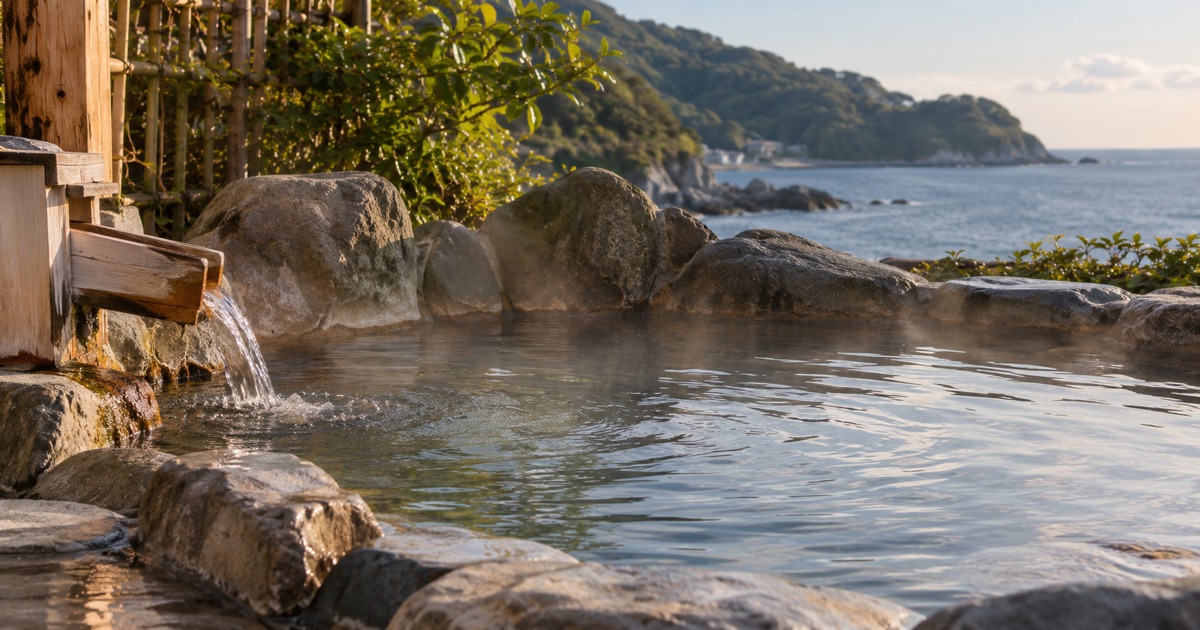
Located roughly 35 minutes west of Himeji via the JR Sanyo Line, Ako Onsen sits along the scenic coastline of the Seto Inland Sea.
- The Draw: Spectacular outdoor baths (rotenburo) offering panoramic views of calm sea waters and coastal islands.
- Vibe: Maritime, historic, and famous for winter seafood, particularly fresh oysters.
- Day-Use Soak: Several luxury seaside hotels open their baths to non-staying day visitors during designated afternoon windows for roughly 1,000 to 2,000 JPY.
Arima Onsen (有馬温泉)
One of Japan's three oldest hot spring towns, Arima Onsen sits on the northern slopes of Mount Rokko behind Kobe.
- Travel Time: Roughly 60 to 75 minutes from Himeji by train (via Sanyo Shinkansen or JR Special Rapid to Kobe, followed by local rail or highway bus).
- The Water: Famous for its murky, iron-rich "Gold Water" (Kinsen) and clear, radium-rich "Silver Water" (Ginsen).
- Day-Use Soak: Public bathhouses like Kin-no-Yu (金の湯) and Gin-no-Yu (銀の湯) allow visitors to drop in without an overnight reservation.
Kinosaki Onsen (城崎温泉)
Situated on the northern coast of Hyogo Prefecture along the Sea of Japan, Kinosaki is the country's archetypal onsen town.
- Travel Time: Around 1 hour and 45 minutes from Himeji aboard the JR Limited Express Hamakaze (特急はまかぜ).
- The Experience: Donning a light cotton kimono (yukata) and wooden clogs (geta) to stroll between seven historic public bathhouses (sotoyu).
- Practical Tip: Because direct Hamakaze train services are limited to a few runs per day, review schedules in advance.
First-Timer Onsen Etiquette and Essentials
Bathing in a Japanese hot spring follows clear customs centered on shared cleanliness and mutual respect. For deeper travel planning advice across Japan, visit the Japan National Tourism Organization.
What to Bring
- Small wash towel: Bring a compact hand towel for washing your body and covering yourself while walking between the changing area and the baths. Never submerge this towel in the communal bath water; fold it and rest it on your head or place it on the bath edge.
- Large bath towel: Leave a standard bath towel in your locker or changing basket to dry off completely before stepping back into the carpeted dressing room.
- Cash (100 JPY coins): Many facility shoe and clothing lockers require a 100-yen coin deposit that is returned after use.
- Hydration: Drink a full glass of water before and after soaking to stay hydrated.
Step-by-Step Bathing Guide
- Remove your shoes: Take off all footwear at the facility entrance and place them in the shoe lockers provided.
- Undress completely: Hot springs are experienced entirely naked. Swimsuits, underwear, and shoes are never allowed inside the bathing area.
- Wash thoroughly first: Sit at one of the personal shower stations before entering any pool. Cleanse your hair and body completely with soap and water, and rinse off all lather.
- Tie long hair up: Keep hair out of the bath water using hair ties or shower caps.
- Soak and relax: Step into the bath slowly. Keep conversation quiet to maintain a peaceful environment for other guests.
- Dry off before entering the changing area: Squeeze out your small hand towel and wipe off excess water from your body so the changing room floor stays dry.
Tattoo Policies in the Himeji Region
Japan's hot spring facilities maintain individual rules regarding tattoos. While some establishments are becoming more flexible, strict bans remain common.
- City Center Bathhouses: Modern communal sentō often enforce complete bans on visible body art. Staff may ask you to leave if tattoos cannot be fully covered.
- Waterproof Seals: If you have small, discreet tattoos, flesh-colored waterproof tape or patches purchased at Japanese drugstores are widely accepted.
- Private Baths (Kashikiri): The most stress-free option for travelers with extensive tattoos is booking a private bath. Many ryokan in Shiota Onsen, Ako, and Arima offer private family baths that can be reserved by the hour, guaranteeing total privacy with no questions asked.
Always verify the tattoo policy on the facility's official website or inquire through your hotel concierge before arriving. With a small amount of preparation, adding a hot spring soak to your Himeji Castle itinerary is smooth, comfortable, and restorative.
FAQ
- Q. Are there natural hot springs directly inside Himeji City?
- A. Yes, Himeji has natural hot spring baths located within modern hotels near the station, as well as day-use facilities and traditional ryokan in the northern countryside.
- Q. Can I visit an onsen in Himeji as a day trip from Osaka or Kyoto?
- A. Yes, the Sanyo Shinkansen connects Shin-Osaka to Himeji in roughly 30 minutes, making a combined castle tour and hot spring bath an easy day trip.
- Q. Are tattoos allowed in Himeji onsen facilities?
- A. Rules depend strictly on each facility. Many modern city bathhouses prohibit visible tattoos, while private rental baths (kashikiri) at local ryokan welcome all guests.
Cite or share this article
Copy the link below. If you quote this article, please link to this page as the source.