Hiroshima Onsen Tattoo Friendly: Where Inked Visitors Can Soak
Key takeaways
- Some Hiroshima onsen and sento welcome tattoos outright; others require cover stickers or private baths instead.
- Private baths (kashikiri-buro) and some day-use spas are the most reliable tattoo-friendly option in Hiroshima.
- Always check a facility's official website or call ahead, since tattoo policies can change without notice.
Can You Onsen in Hiroshima With a Tattoo?
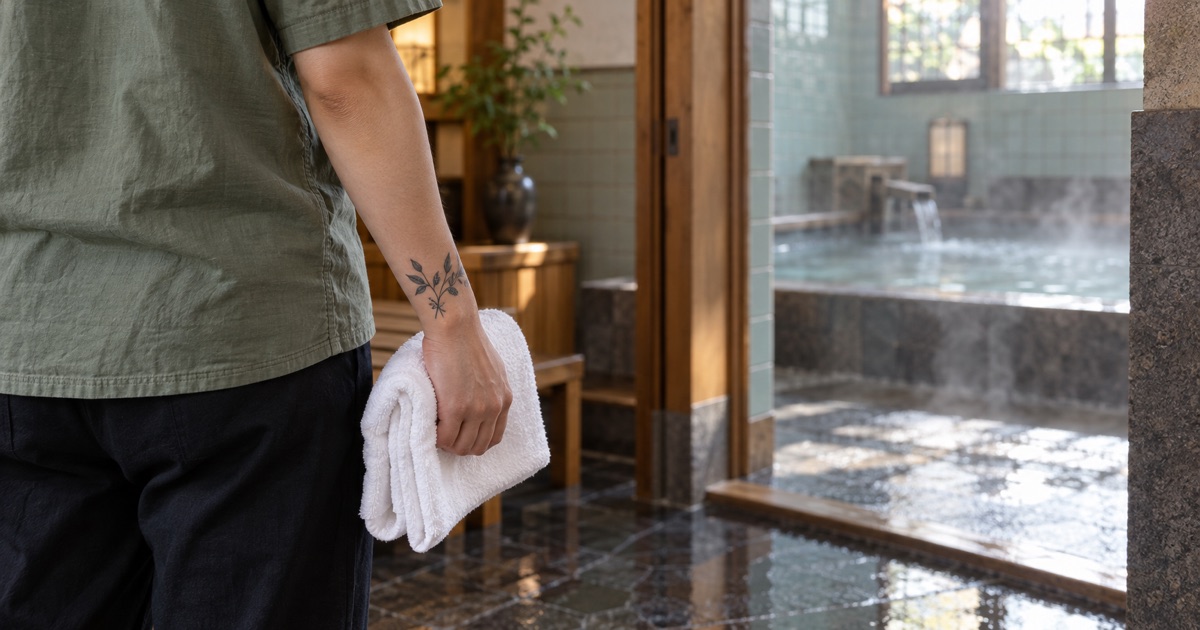
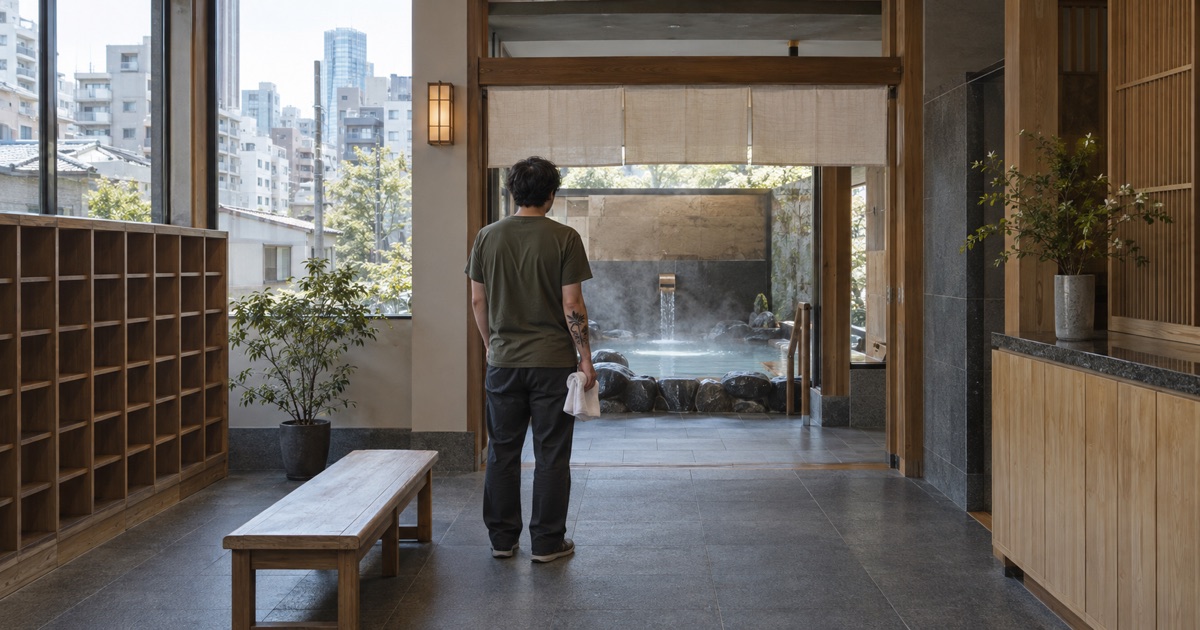
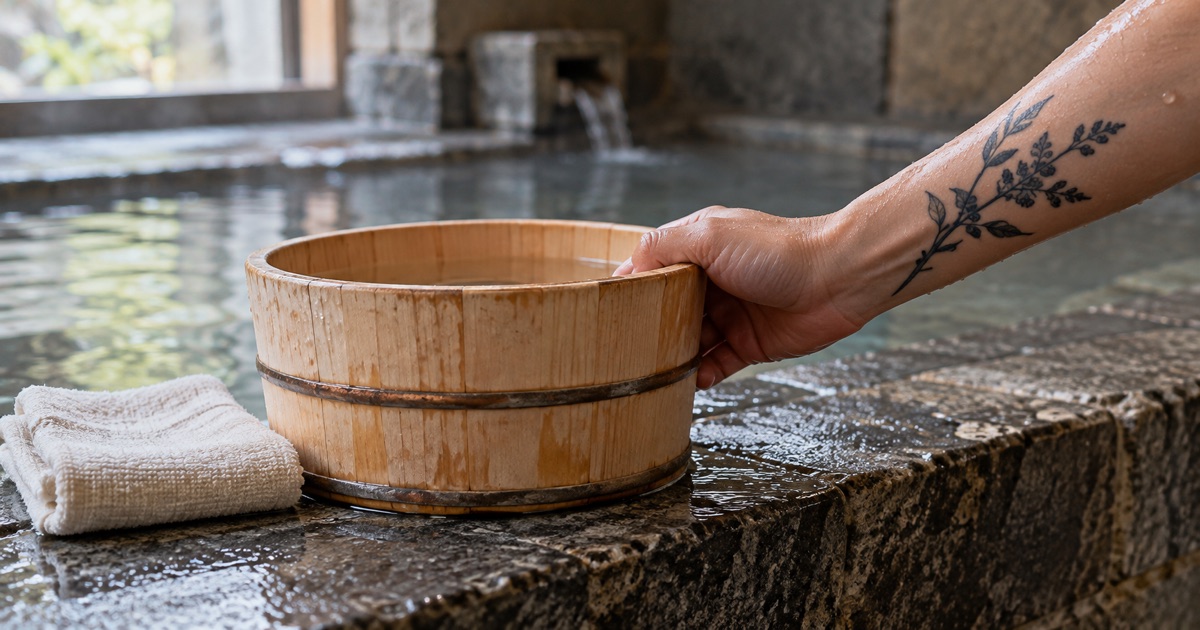
Yes, it's possible to enjoy an onsen experience in Hiroshima even with visible tattoos, but you'll need to choose your facility carefully. While many traditional onsen in Japan still ban visible tattoos due to their historical association with organized crime, Hiroshima has a growing number of tattoo-friendly options, including private baths, certain day-use spas, and some urban sento that have relaxed their rules.
This isn't a citywide guarantee, though. Policies vary from one facility to the next, and even within the same chain, rules can differ by branch. The only reliable way to avoid disappointment is to check each facility's official website or call ahead before you go.
Why Tattoo Policies Vary So Much
Japan's onsen culture developed strict no-tattoo rules decades ago, largely to discourage yakuza members from using communal bathing facilities. That history still shapes policy today, even though most visitors with tattoos are simply tourists, not gang members. In recent years, as international travel to Japan has grown, more facilities have softened their stance, especially in cities and areas accustomed to overseas visitors.
Hiroshima, as a major stop on many travelers' itineraries (often combined with nearby Miyajima), has seen some onsen and spa operators adapt. But there is no single rule across the city. Some places allow small tattoos if covered with a sticker, others welcome any size of tattoo, and some still enforce a blanket ban. Assume nothing, and verify directly.
Your Options for Tattoo-Friendly Bathing in Hiroshima
1. Private Baths (Kashikiri-buro)
Private baths, sometimes called kashikiri-buro (貸切風呂) or kazoku-buro (家族風呂), are rented by the group for a set time slot, usually in 45-60 minute blocks, though exact durations and prices vary by facility and should be confirmed on the official site. Because you're bathing only with your own party, tattoo restrictions that apply to shared baths typically don't apply here.
This is generally the most stress-free route for travelers with larger or multiple tattoos who don't want to deal with cover stickers or uncertain front-desk conversations. Some ryokan (traditional inns) and larger onsen facilities in and around Hiroshima offer private bath rentals even to day-use guests, not just overnight guests, though availability depends on the property.
2. Tattoo-Friendly Day-Use Spas and Sento
A day-use onsen or sento (a public bathhouse, not always fed by natural hot spring water) can be a convenient option if you're short on time. Some urban sento, particularly those that have modernized to attract a younger or more international customer base, have dropped their tattoo bans entirely. Others allow tattoos below a certain size if covered.
Because this category changes the most often, and because policies aren't always posted in English, this is where checking ahead matters most. Look for an English-language page on the facility's own website, or search for recent visitor reports, before planning your visit around a specific spot.
3. Hotel and Ryokan Baths
If you're staying overnight in Hiroshima or on Miyajima, ask your accommodation directly about their bath policy before booking, especially if the property has a shared onsen bath rather than private ones. Some hotels, especially larger international chains, are more relaxed about tattoos than traditional ryokan. A quick email or phone call at the time of booking can save you an awkward moment at check-in.
We are working to carry Japanese craft and everyday culture beyond Japan, by building Japan Towns with local partners.
Read the Japan Town plan →What to Bring and How to Prepare
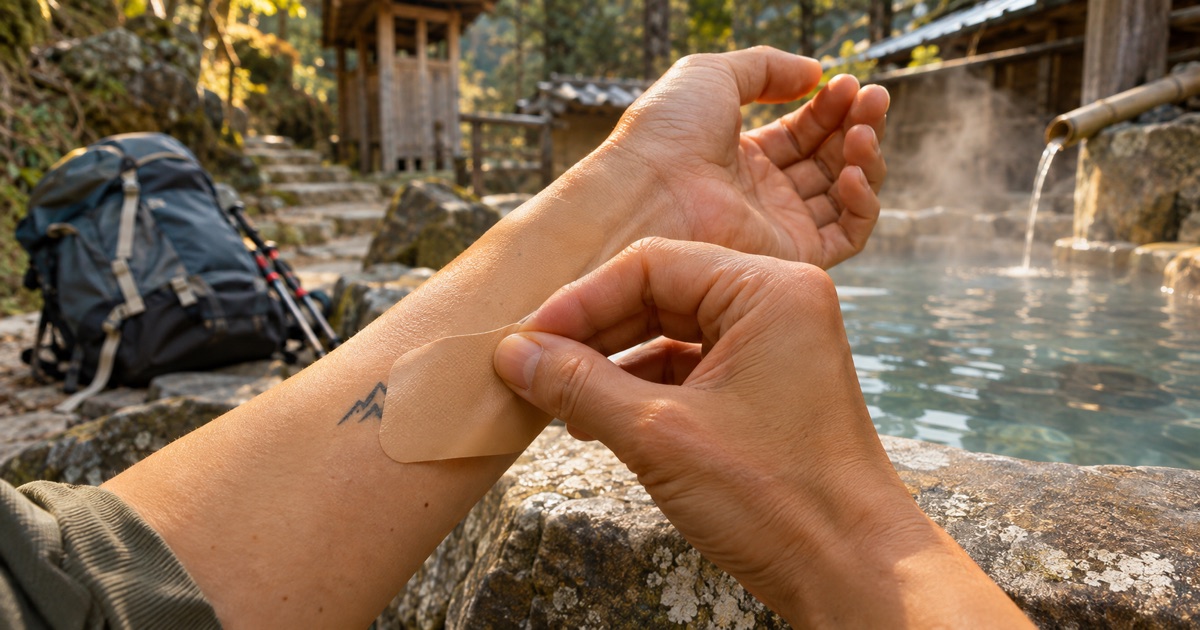
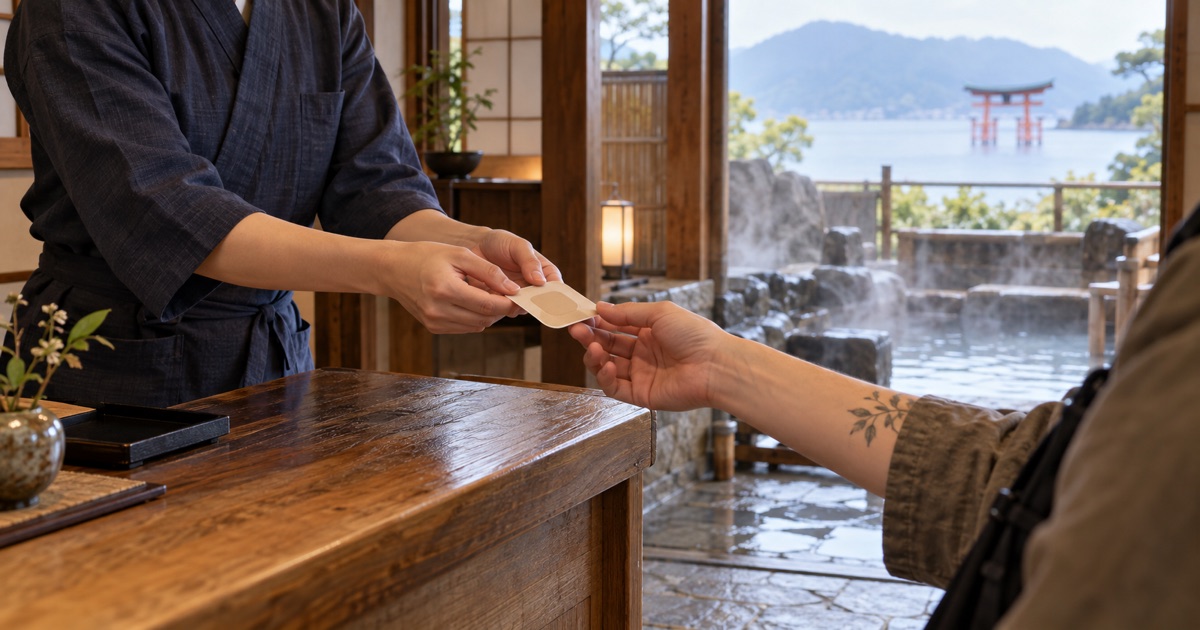
- A tattoo cover sticker or patch, just in case. These are waterproof patches designed to hide small to medium tattoos. Some facilities sell or lend them at reception, but don't count on it. Pharmacies in Japan sometimes stock them, and they're also available online before your trip.
- Cash in small denominations, since some smaller sento and private bath facilities don't accept cards.
- Your own towel, if the facility doesn't rent one. Some places charge a small fee for towel rental, others expect you to bring your own.
- A polite, direct question, if you're unsure. Simply asking staff "Tattoo OK?" while pointing to the tattoo is widely understood, even with no shared language, and avoids confusion later.
Common Mistakes to Avoid
Assuming all Hiroshima onsen are tattoo-friendly just because one is. Policies are set facility by facility, not citywide. A welcoming spa near Hiroshima Station doesn't tell you anything about a ryokan on Miyajima.
Not checking before arriving. Walking in with visible tattoos and hoping for the best risks a refusal at the door, which is awkward for everyone. A two-minute look at the official website, or a quick phone call, solves this in advance.
Relying on outdated blog posts. Tattoo policies change. A facility that welcomed tattoos a few years ago may have tightened its rules, or vice versa. Always confirm current policy directly with the facility rather than relying solely on older online reports.
Forgetting that private baths still need booking. Private baths are popular, especially on weekends and during peak travel seasons. Reserve ahead where possible rather than assuming a slot will be free on arrival.
Planning Your Visit
Hiroshima is well connected by train, making it easy to combine a visit with Miyajima or other parts of the Chugoku region. If you're traveling by rail, check current routes and any applicable rail passes on the JR West website, since schedules and pass coverage can change.
For general guidance on onsen etiquette, tattoo policies, and what to expect as a first-time visitor to Japan, the Japan National Tourism Organization offers background information that's useful before you go.
The Bottom Line
Tattoo-friendly onsen do exist in Hiroshima, and private baths are your safest bet if you want a guaranteed soak without worrying about cover-up stickers or front-desk refusals. Day-use spas and sento are a second option, but policies vary and change, so always check the specific facility's official website or call ahead rather than assuming based on general reputation. A little preparation, bringing a cover patch just in case and confirming policy before you arrive, is enough to avoid most problems and make your Hiroshima onsen experience smooth.
FAQ
- Q. Can I use a public onsen in Hiroshima if I have a tattoo?
- A. Some facilities allow tattoos, especially smaller urban sento and certain day-use spas, but many traditional onsen still refuse entry to visibly tattooed guests, so it's best to confirm with each facility before visiting.
- Q. What is a tattoo cover seal and where can I get one?
- A. It's a waterproof sticker or patch used to hide small tattoos so you can enter onsen that ban visible ink; some facilities sell or lend them at the front desk, but you shouldn't assume one will be available, so bringing your own from a pharmacy or online beforehand is safer.
- Q. Are private baths a guaranteed tattoo-friendly option?
- A. Private baths (kashikiri-buro or kazoku-buro) are rented by time slot for your group only, so tattoo rules generally don't apply, making them the most dependable choice, though it's still worth confirming when booking.
Cite or share this article
Copy the link below. If you quote this article, please link to this page as the source.