Sapporo Onsen Tattoo Friendly Guide: Baths and Etiquette
Key takeaways
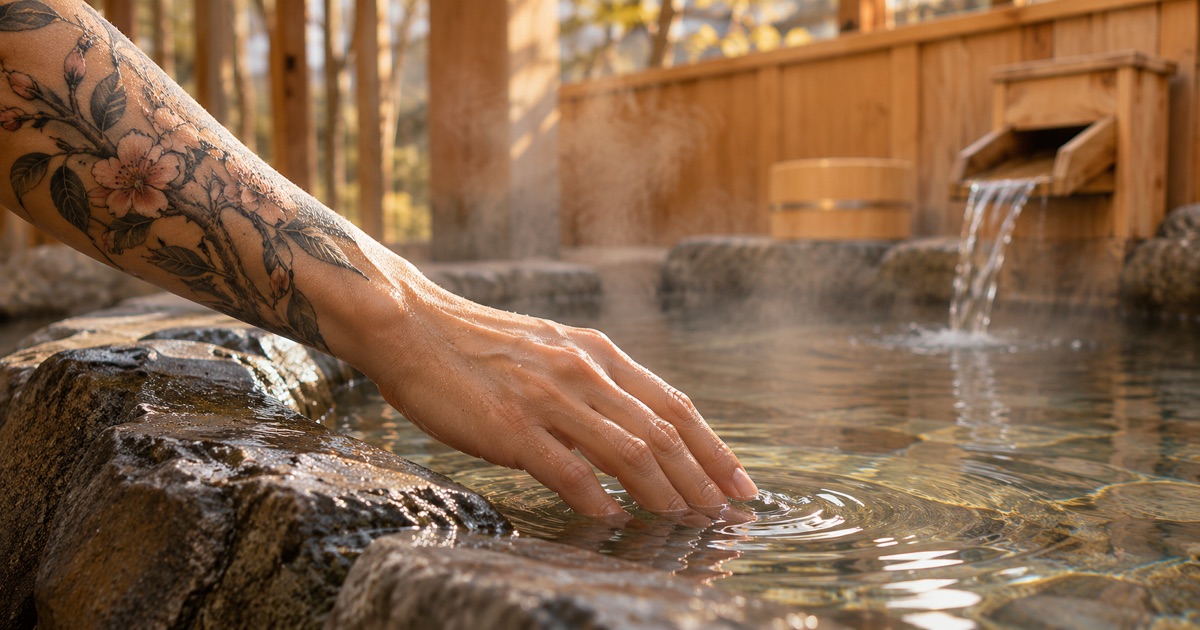
- While traditional public onsen often restrict tattoos, Sapporo offers several welcoming sento and private bath options.
- Renting a kashikiri (private bath) allows you to bathe together with zero tattoo restrictions.
- Local neighborhood public baths (sento) in Hokkaido legally tend to be more permissive of ink than resort spas.
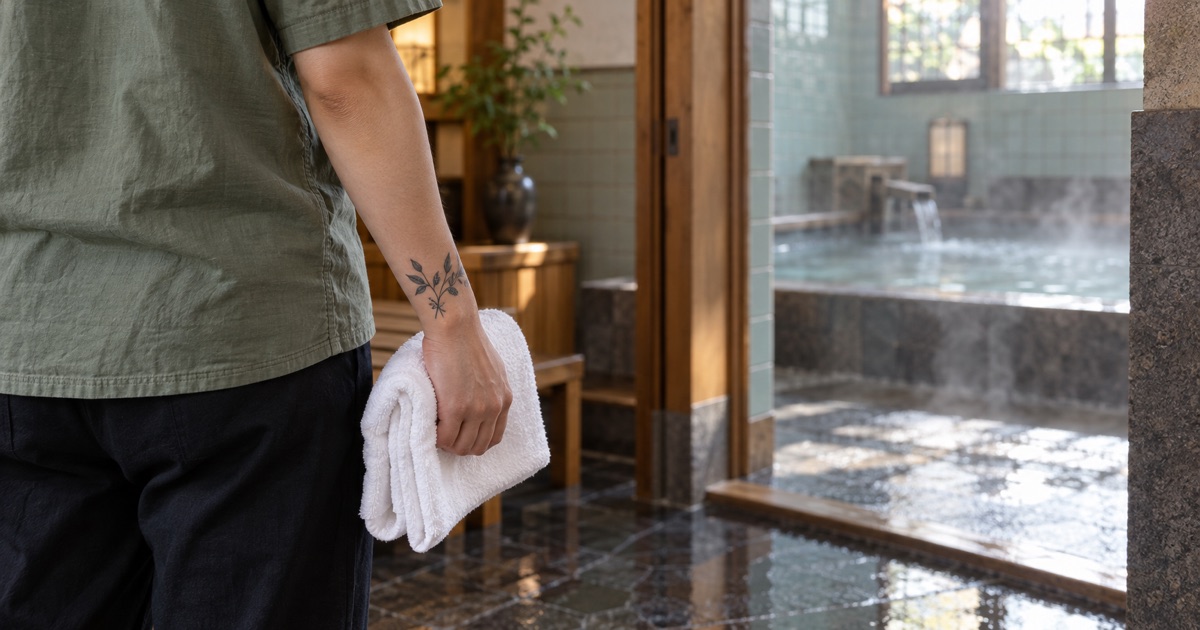
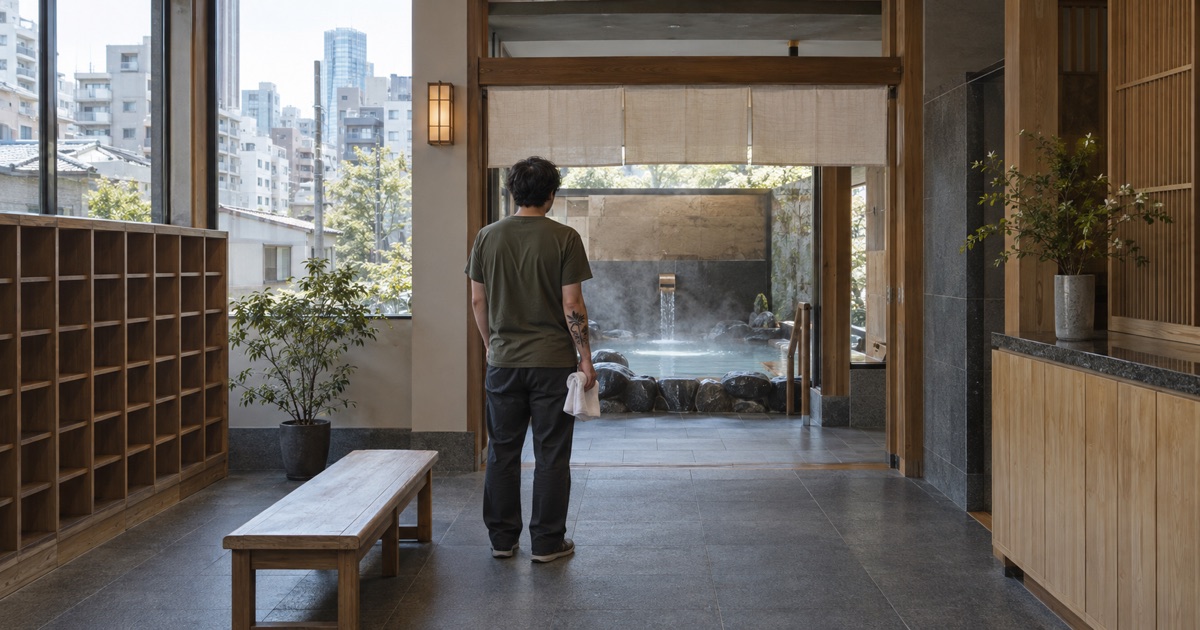
Finding a tattoo-friendly onsen in Sapporo is entirely possible with the right approach, although policies vary widely between establishments. While many large resort-style hot springs still prohibit visible body art, travelers with ink can enjoy Sapporo’s bath culture through traditional public baths (sento), private bookable baths (kashikiri), or by using discreet waterproof covers.
This guide outlines how tattoo policies work around Sapporo, where to go, how to prepare, and the rules of the bathhouse so you can soak with complete peace of mind.
Understanding Tattoo Policies in Sapporo
Hot spring culture across Japan historically associated tattoos with organized crime (yakuza), leading to widespread bans on visible body ink in communal baths. Today, attitudes are slowly changing, especially in cosmopolitan hubs, but rules remain strict at many commercial facilities.
In Sapporo and the surrounding Hokkaido region, bathing facilities generally fall into three categories:
- Super Sento and Resort Spas: Modern, multi-bath complexes and resort hotels usually enforce strict, zero-tolerance policies regarding visible tattoos. Staff may ask guests with visible ink to leave without a refund.
- Traditional Public Baths (Sento / 銭湯): Regulated as essential community infrastructure under local public hygiene laws, standard neighborhood sento generally do not bar guests solely for having tattoos. These baths use heated tap water or natural spring water piped into urban neighborhoods.
- Ryokan with Private Baths (Kashikiri / 貸切風呂): Japanese inns that offer private, reservable family baths allow you to bathe behind a locked door. Because the space is completely private, tattoos of any size or design are not an issue.
Before heading to any bathhouse, always check the establishment's official website or ask the front desk to confirm their current stance, as policies can change without advance notice. You can also research broader travel guidelines through the Japan National Tourism Organization.
Tattoo-Friendly Bathing Options in and Around Sapporo
1. Traditional City Sento (Neighborhood Baths)
If you want an authentic cultural experience within the city center, Sapporo's neighborhood bathhouses are your most reliable choice for public bathing with visible tattoos.
- Fukinoyu (福の湯): Located in central Sapporo, this long-standing sento is known for a welcoming, local atmosphere where regular bathers and travelers mingle. Like many city-regulated sento, it does not strictly exclude guests with tattoos.
- Daini Kotoni Onsen (第二琴似温泉): Situated in the Kotoni area along the JR Hakodate Main Line, this bath features natural hot spring water drawn directly from the ground, offering an authentic onsen soak within a casual sento setting.
Travel tip: Sento tend to have fewer amenities than luxury day spas. Always bring your own soap, shampoo, and towels, or prepare to purchase small travel packs at the front entrance counter (bandai).
2. Jozankei Onsen Private Rentals (Kashikiri)
Jozankei Onsen (定山渓温泉) is Sapporo’s premier hot spring district, nestled in a scenic river valley roughly 60 minutes south of central Sapporo by direct highway bus (such as the Jotetsu Kappa Liner).
While the large public baths in Jozankei’s hotels generally prohibit visible ink, several ryokan feature private baths (kashikiri-buro or kazoku-buro) that you can rent by the hour. These baths provide total privacy, making them ideal for couples, families, and travelers with tattoos.
- Hoheikyo Onsen (豊平峡温泉): Located just beyond Jozankei, this famous rustic onsen with sprawling outdoor rock baths (rotenburo) has historically taken a more relaxed stance toward international visitors with tattoos. However, management rules can evolve, so check their current policy directly before boarding the bus.
- Day-Use Ryokan Rentals: Properties throughout Jozankei frequently offer "day trip plans" (higaeri plan) that pair an hour in a private hot spring room with lunch or tea. Reservations should be made in advance online.
We are working to carry Japanese craft and everyday culture beyond Japan, by building Japan Towns with local partners.
Read the Japan Town plan →How to Cover Small Tattoos for Public Baths
If you have small, discreet tattoos, many hot springs will permit entry provided the ink is completely covered before you step into the changing area.
Prerequisites and Cover Materials
Before visiting a public bath with a cover policy:
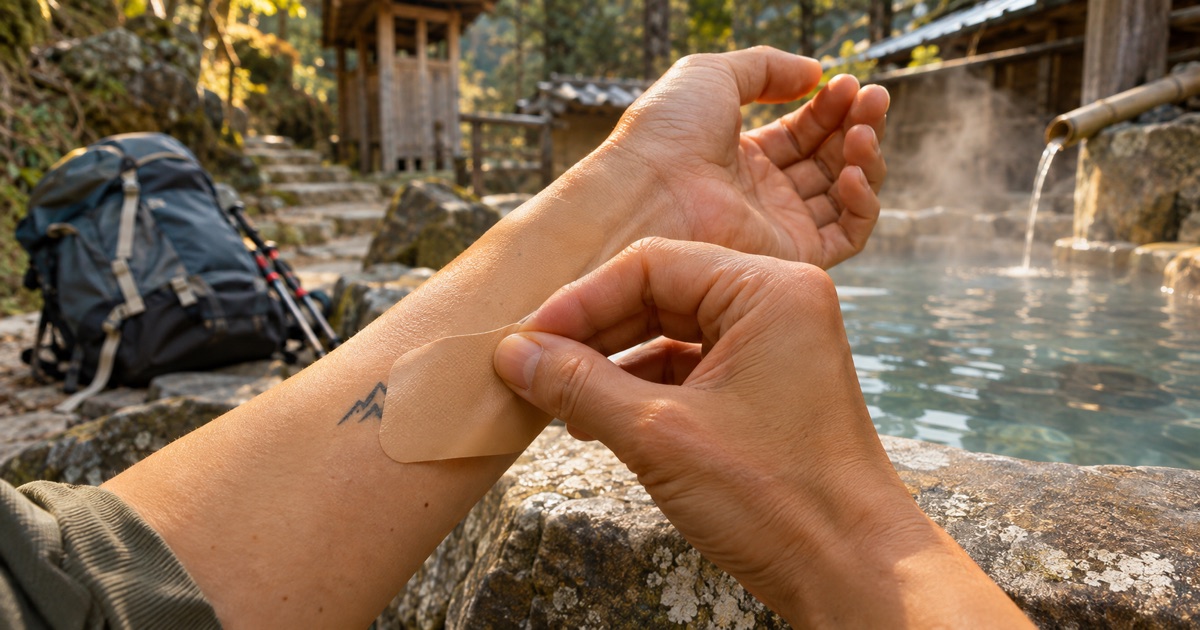
- Purchase waterproof foundation tape, kinesiology tape, or dedicated onsen seals (tāto kakushi shīru). These are widely available at pharmacies (doraggusutoā) and convenience stores across Sapporo.
- Choose a color that closely matches your skin tone.
- Ensure the patch is large enough to cover the entire design with clean edges.
Step-by-Step Covering Process
- Clean and dry your skin: Oils and sweat prevent adhesive patches from sticking properly in high-humidity environments.
- Apply the patch smoothly: Press out any air bubbles, paying close attention to the outer borders.
- Verify the seal: The patch must remain watertight. If the edges peel while soaking, staff may ask you to step out of the bath.
- Enter discreetly: Do not remove the patch inside the washing or bathing zones. Keep it on until you have dried off and returned to your private changing space.
Note: If your tattoos are large (such as full sleeves, back pieces, or chest pieces), covering them with patches is rarely practical or accepted. In those cases, choose a private rental bath instead.
Step-by-Step Onsen Etiquette
Whether you are in a neighborhood sento or a private hot spring room, following standard Japanese bathing customs ensures a comfortable visit for everyone.
What to Bring
- One small modesty towel (face towel size)
- One large bath towel (kept in your locker for drying off afterward)
- Body wash and shampoo (often provided in ryokan, rarely provided in sento)
- A coin (usually a 100-yen coin) for locker storage, which is usually refunded when unlocked
The Bathing Process
- Remove your shoes: Place your outdoor footwear in the shoe lockers near the building entrance.
- Pay at the counter: Pay the entry fee at the ticket machine or reception desk. Sento entry fees across Hokkaido are regulated and typically hover around 450 to 500 yen for adults.
- Enter the correct changing room: Entrances are separated by gender. Look for the blue curtain marked 男 (otoko, male) or the red curtain marked 女 (onna, female).
- Undress completely: Swimwear, underwear, and shoes are strictly forbidden inside the bath area. Place all clothing, jewelry, and your large towel into a locker or basket. Take only your small modesty towel and washing supplies into the washing hall.
- Wash thoroughly before soaking: Take a seat on a plastic stool at one of the wash stations. Lather and rinse your entire body and hair before stepping into any communal tub. Never stand while showering, as spray can hit other bathers.
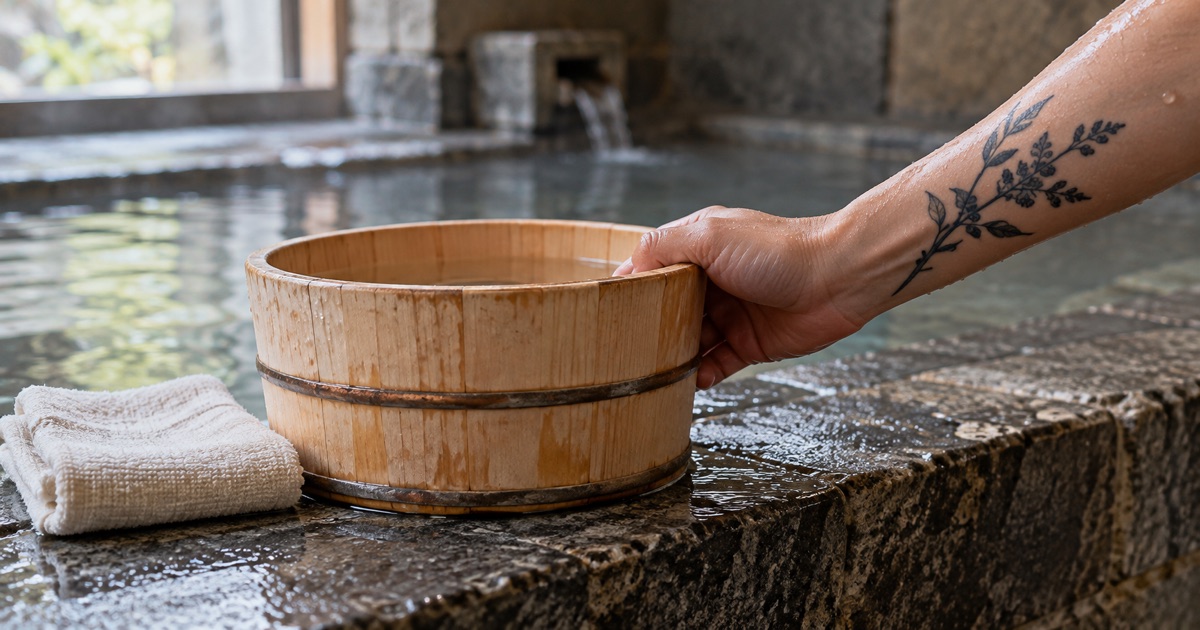
- Keep towels out of the bath water: You may place your small modesty towel on your head or lay it along the edge of the tub, but do not submerge it in the spring water.
- Dry off before returning to the changing room: Use your small towel to wipe excess water off your body before stepping back onto the changing room mats.
Getting Around Sapporo's Hot Springs
Sapporo features a straightforward public transportation system. The Sapporo Municipal Subway connects the city center, while regional trains operated by JR Hokkaido link nearby suburban stops like Kotoni and Otaru.
To reach Jozankei Onsen:
- Board the Jotetsu Bus from bus stop platforms outside JR Sapporo Station or the Susukino area.
- Travel time is roughly 60 to 75 minutes depending on snow conditions and traffic.
- Fares run around 800 to 1,000 yen each way. Consider purchasing the "Kappa Liner" ticket package, which often bundles round-trip bus transit with a day-use bath pass.
Always verify seasonal timetables and weather advisories before traveling, especially during winter months when heavy snowfall can disrupt road and rail operations. With a little planning and the right location, you can experience Hokkaido’s rich hot spring culture comfortably and respectfully.
FAQ
- Q. Can I enter public hot springs in Jozankei if I have tattoos?
- A. Most public baths in Jozankei prohibit visible tattoos, but you can book a private bath (kashikiri) or cover small ink with waterproof patches.
- Q. Do local sento in Sapporo allow tattoos?
- A. Many traditional neighborhood sento (public baths) in Japan do not enforce tattoo bans, though house rules vary by bathhouse.
- Q. What should I use to cover my tattoos in an onsen?
- A. Use skin-toned waterproof kinesiology tape or waterproof seal patches, ensuring no edges peel up while soaking in the water.
Cite or share this article
Copy the link below. If you quote this article, please link to this page as the source.