Onsen Chiyoda City: Top Baths in Central Tokyo
Key takeaways
- Chiyoda City hosts mineral-rich natural hot springs and modern day spas right near Tokyo Station and Otemachi.
- Neighbouring sento (public bathhouses) offer budget-friendly traditional soaking experiences just minutes away.
- Proper bathing etiquette requires full nudity and washing thoroughly before entering any communal bath water.
Natural onsen exist directly in Chiyoda City (千代田区), drawn from deep underground sources right in the heart of central Tokyo. Visitors can enjoy genuine geothermal water, modern day spas, and classic neighbourhood bathhouses within walking distance or a short train ride from major hubs like Tokyo Station (東京駅) and Otemachi Station (大手町駅).
While many travellers associate Japanese hot springs with rural mountain towns, Tokyo sits on geothermal geology that allows deep drilling. For travellers staying in the business and political core around the Tokyo Imperial Palace (皇居), taking a soothing dip requires very little transit time.
Natural Onsen in Chiyoda City
Chiyoda is famous as the commercial and political anchor of Tokyo, dominated by skyscrapers, government offices, and the Imperial Palace gardens. Despite this dense urban setting, several upscale developments have tapped into thermal waters thousands of metres below the surface.
Otemachi Onsen
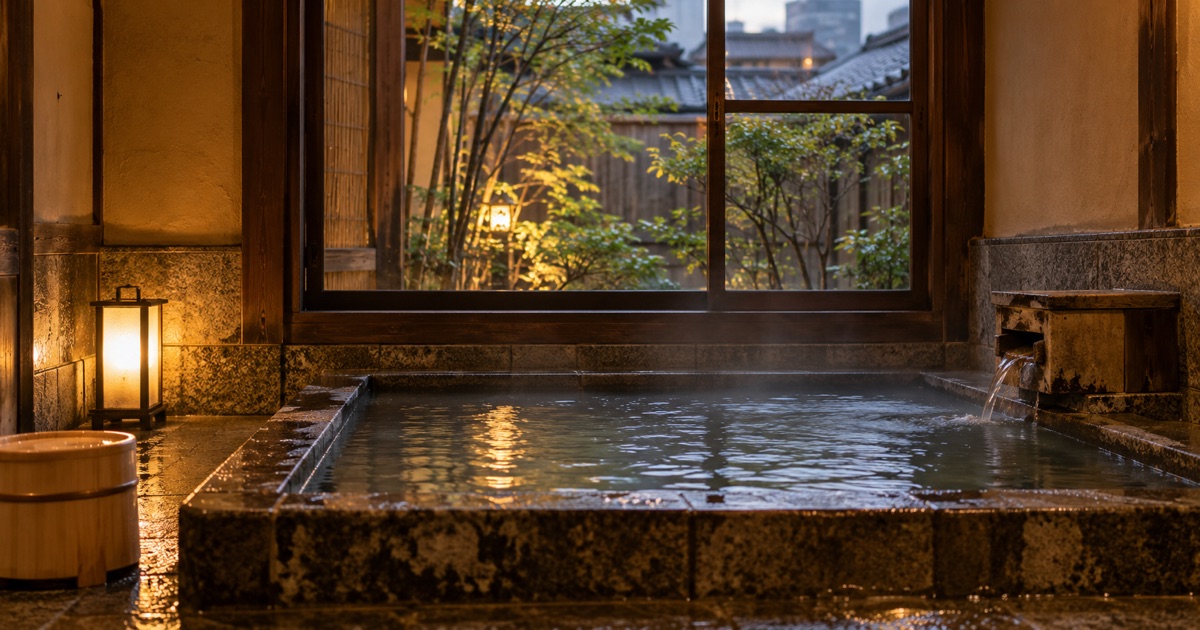
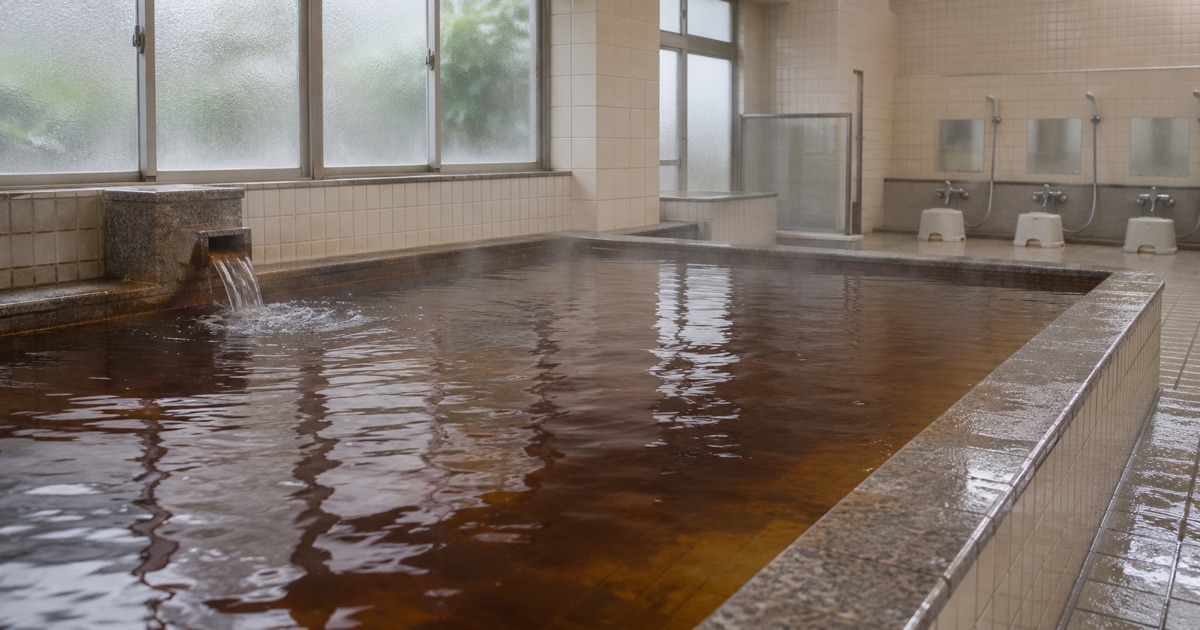
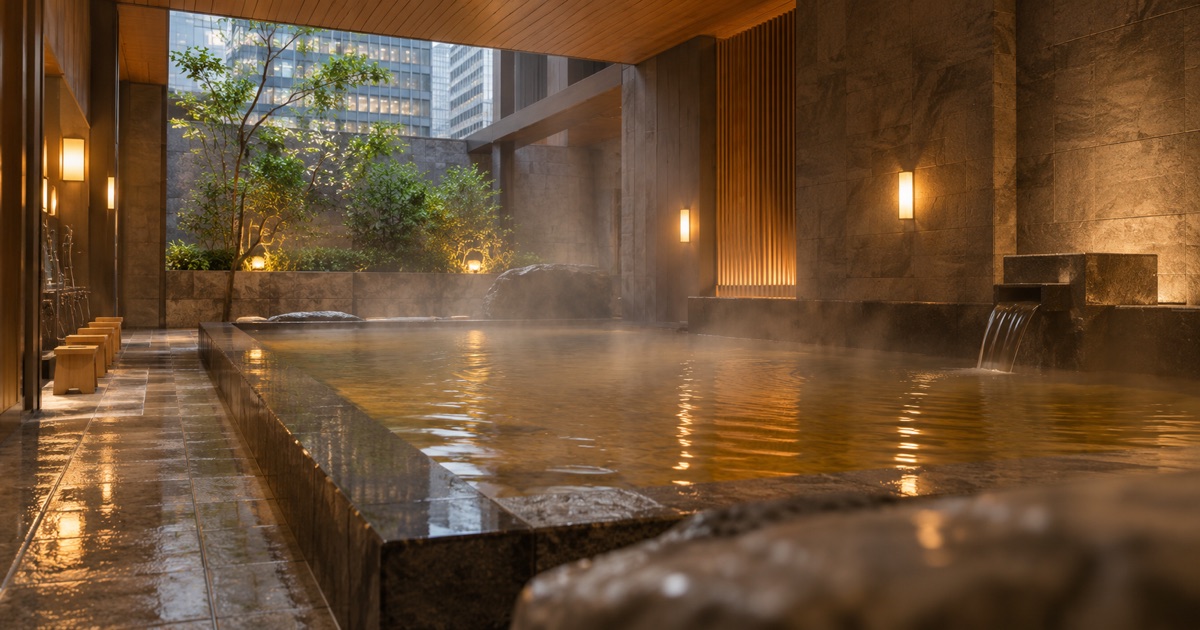
Located inside the financial district directly connected to Otemachi Station, Otemachi Onsen (大手町温泉) draws amber-coloured, mineral-rich water from deep beneath Tokyo's pavement. The water contains natural salts that feel smooth against the skin.
Two primary facilities utilise this thermal water:
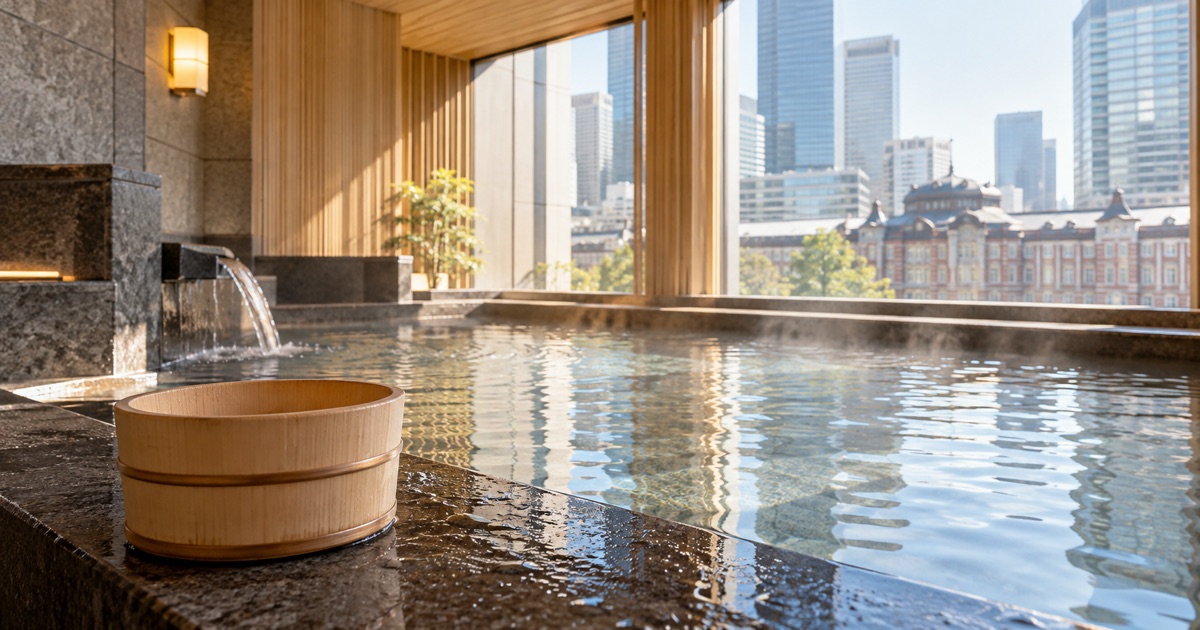
- Hoshinoya Tokyo (星のや東京): This luxury ryokan-style hotel features an iconic indoor-outdoor bath on its top floor, open to the sky through high walls. While primarily reserved for staying guests, it represents one of the most architectural hot spring experiences in urban Japan.
- Spa Otemachi (SPA大手町): A comprehensive wellness and fitness club that provides day-use access to authentic Otemachi onsen water. It includes hot mineral tubs, cold plunges, and modern saunas. Day passes generally range from around 1,500 to 3,000 yen depending on the package, time of day, and whether you are using fitness equipment. Always check the official facility website for current visitor policies and access rules.
Classic Sento and Public Baths Near Chiyoda
If you want a casual, everyday Japanese bath experience, look for a sento (銭湯, public bathhouse). Sento typically use heated tap water or deep well water rather than certified geothermal minerals, but they provide an authentic glimpse into local life at an affordable price. Admission across Tokyo sento is regulated, typically costing around 500 to 600 yen per adult.
Kanda Aqua House Edoyu (Close to Chiyoda's Border)
Situated near Akihabara and Kanda, this modern bathhouse offers a hybrid experience between a neighbourhood sento and a modern relaxation spa. It features multiple hot pools, jet baths, and saunas. It is popular with office workers and sightseers needing a midday reset.
Inari-yu (Kita-ku, Easy Transit from Chiyoda)
For travellers seeking historic aesthetics, Inari-yu (稲荷湯) is a short ride north on the Tokyo Metro Mita Line from Otemachi. This classic wooden bathhouse features a traditional tiled roof, high ceilings, and retro Mt. Fuji murals painted behind the tubs.
We are working to carry Japanese craft and everyday culture beyond Japan, by building Japan Towns with local partners.
Read the Japan Town plan →Sento vs. Onsen: What Is the Difference?
First-time visitors often mix up these two bathing styles:
- Onsen (温泉): Must legally contain water from an underground geothermal spring, heated naturally or containing specific mineral contents defined by Japan's Hot Springs Act.
- Sento (銭湯): Public bathhouses designed for daily hygiene and relaxation. They historically served households without private bathtubs. Most sento heat standard municipal water, though some feature herbal infusions, micro-bubbles, or electric pulse baths.
Both bath styles follow the exact same bathing etiquette and separation of genders.
Step-by-Step Bathing Etiquette for Beginners
Navigating an onsen or sento without reading Japanese is straightforward once you know the basic ritual.
1. Entering and Paying
Remove your outdoor shoes at the front entrance and place them into a small shoe locker. Take the locker key to the front desk (front or bandai). Pay your entry fee. You can usually rent a small face towel and a large bath towel for a few hundred yen if you did not bring your own.
2. The Changing Room
Enter through the correct curtain:
- Red or Pink curtain: Women (女, onna)
- Blue curtain: Men (男, otoko)
Take off all clothing, including underwear, and place your belongings into an assigned basket or clothing locker. Keep your small washcloth with you, but leave your large bath towel in your locker.
3. Wash Before Soaking
Walk into the bathing area. You will see rows of low stools, mirrors, basins, and handheld shower heads.
Sit down on a stool to wash yourself completely before stepping into any tub. Most modern day spas provide body soap, shampoo, and conditioner, but traditional sento sometimes require you to bring your own or purchase small travel bottles at the desk. Rinse away all soap suds thoroughly.
4. Entering the Baths
Step into the baths slowly to let your body adjust to the heat, which typically sits between 39°C and 43°C.
Keep your small towel out of the bath water. You can rest it on top of your head, set it on the dry edge of the tub, or leave it nearby. Never submerge your head, splash, or swim. The bath is purely for quiet relaxation.
5. Drying Off
Before stepping back onto the changing room mats, wring out your small washcloth and wipe down your body as thoroughly as possible. Wet floors in the dressing area are considered poor manners. Once in the locker room, finish drying off with your large towel and get dressed.
What to Bring and What to Leave Behind
Preparing a small day bag makes visiting a bathhouse in central Tokyo seamless:
- Bring: A change of clean clothes, a small coin purse (many shoe and clothing lockers require a returnable 100-yen coin), and any personal skincare or moisturising lotions you prefer.
- Leave in the locker: Mobile phones and cameras are strictly prohibited in dressing rooms and bathing areas to protect privacy.
- Jewellery: Remove silver and metal jewellery before entering mineral onsen, as natural sulphur or salt compounds can quickly tarnish precious metals.
Tattoo Policies in Central Tokyo
Tattoo policies differ significantly across facilities in and around Chiyoda City:
- Modern Day Spas: Large commercial spas and hotel facilities often enforce a strict ban on visible body art. Some will permit entry if small tattoos are completely covered by waterproof adhesive patches, which you can purchase at local drugstores.
- Traditional Sento: Many neighbourhood public sento across Tokyo are open to tattooed bathers, as they serve general community infrastructure.
Because rules differ by venue and can change, always check the official website of the bath you plan to visit or ask the staff before paying.
How to Get Around Chiyoda City
Chiyoda is the most connected transit area in Japan. Most baths and sento are accessible via:
- Tokyo Station (東京駅): Serviced by bullet trains via JR Central and conventional commuter lines via JR East.
- Otemachi Station (大手町駅): A massive underground nexus serving the Tokyo Metro Marunouchi, Tozai, Chiyoda, and Hanzomon lines, as well as the Toei Mita Line.
If you are exploring greater Tokyo, purchase a rechargeable IC card (such as Suica or Pasmo) or use a digital transport pass on your smartphone to move between stations without buying individual paper tickets.
Practical Tips for Your Visit
- Hydrate Well: Urban hot spring baths are hot enough to cause rapid dehydration. Drink a glass of water before entering and another after you exit.
- Avoid Peak Commuter Hours: Day-use spas near Otemachi and Tokyo Station see an influx of local office workers between 6:00 PM and 8:30 PM on weekdays. Visiting in the early afternoon offers a much quieter soak.
- Do Not Stay In Too Long: Limit your individual soaks to 10–15 minutes at a time to prevent dizziness. Take breaks on the benches or edge of the bath area between dips.
- Check Official Sites for Maintenance: Central Tokyo facilities frequently hold regular equipment inspection days once a month, during which baths close early or remain shut entirely. Check their website before travelling.
FAQ
- Q. Are there real natural hot springs in Chiyoda City?
- A. Yes, deep geothermal drilling in business districts like Otemachi provides genuine natural thermal spring water to local facilities.
- Q. Can I wear a swimsuit in a Chiyoda onsen?
- A. No, communal onsen and sento in central Tokyo require complete nudity; swimsuits are not permitted in the bathing areas.
- Q. Are tattoos allowed in central Tokyo bathhouses?
- A. Policies vary widely by facility, with some modern luxury spas strictly banning ink and smaller neighbourhood sento being more permissive.
Cite or share this article
Copy the link below. If you quote this article, please link to this page as the source.