Yokosuka Onsen Guide: Best Coastal Baths Near Tokyo
Key takeaways
- Yokosuka offers coastal day-use onsen easily reached from central Tokyo in around an hour via Keikyu or JR lines.
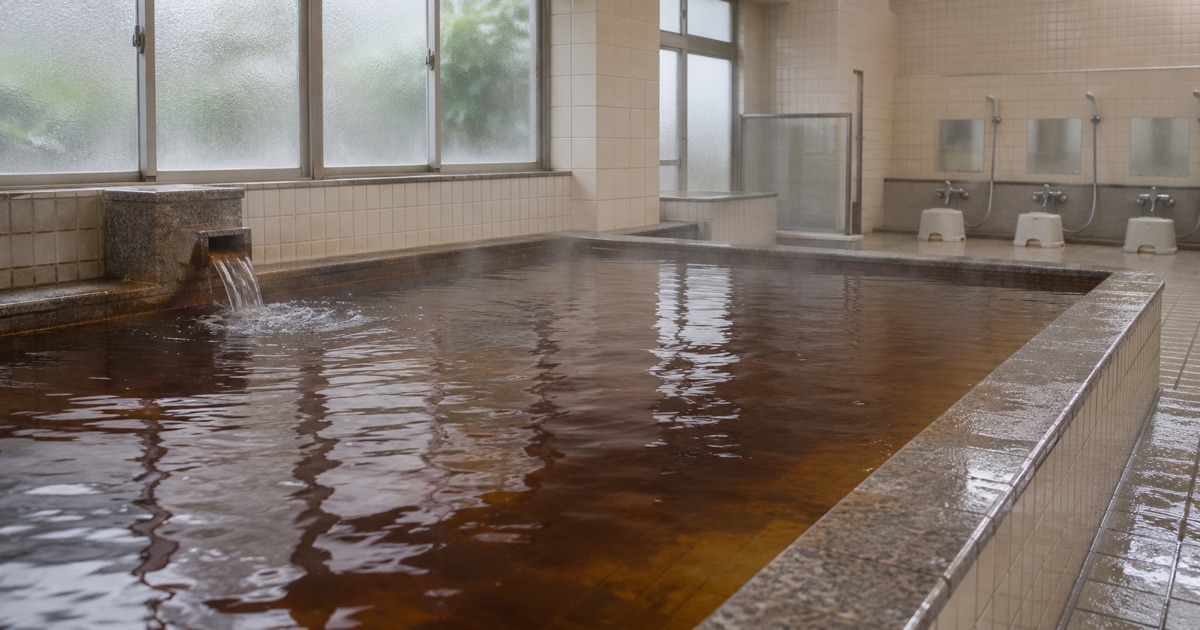
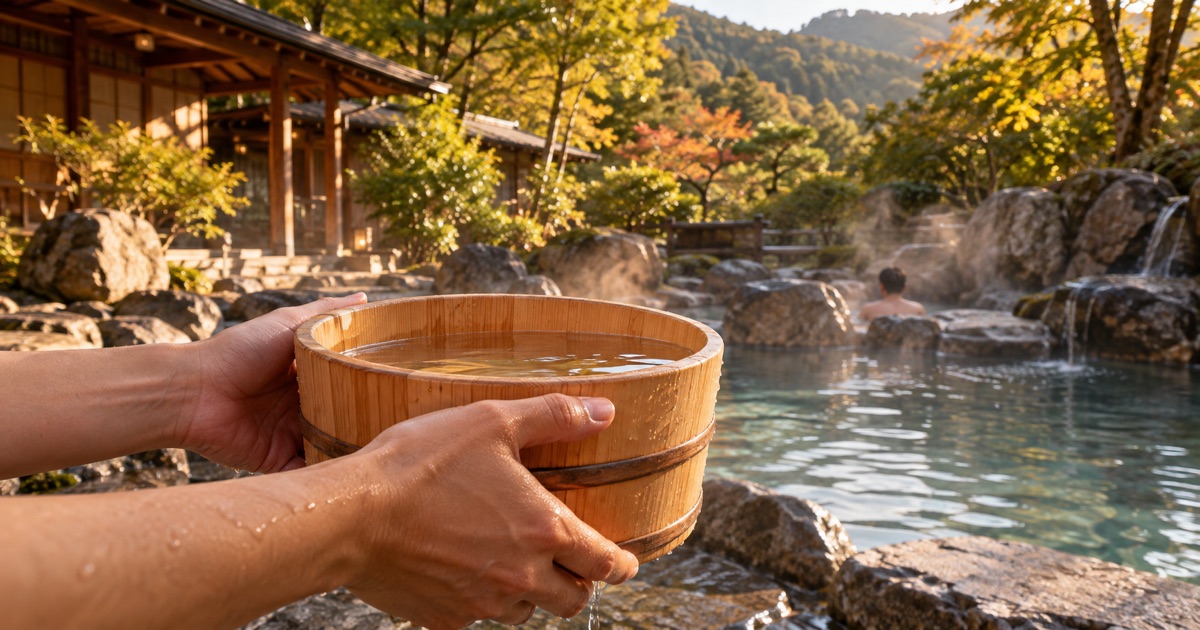
- Natural hot spring water in Yokosuka typically features amber-tinted saline mineral water pumped from coastal aquifers.
- Most day-use facilities operate modern ticket vending machines and require you to bring or rent bathing towels.
Yokosuka onsen facilities offer relaxing mineral baths along Tokyo Bay and the Miura Peninsula, making the port city an ideal day-trip destination from Tokyo. Travelers can easily reach several spacious day-use hot springs and seaside bathhouses in roughly an hour by train from central stations like Shinagawa.
Located in Kanagawa Prefecture (神奈川県), Yokosuka is famous for its maritime history, naval heritage, and rugged coastlines. While it is not a mountain village like Hakone, the city taps into rich, fossil-sea water aquifers beneath the Miura Peninsula. Soaking in these coastal baths provides a memorable way to unwind after sightseeing at Mikasa Park (三笠公園) or walking the Sarushima ferry port.
What Makes Yokosuka Hot Springs Unique
Hot springs across the Miura Peninsula draw water from deep underground layers near the Pacific ocean. In Yokosuka, the natural spring water (called kuroyu or saline mineral water, depending on depth and location) is commonly rich in sodium chloride and bicarbonate minerals.
First, the water often appears as a transparent golden-amber or light brown tea color due to ancient organic plant matter preserved in subterranean sediment. Second, the marine origin gives the bathwater a distinctive salinity. Bathing in this coastal mineral water leaves the skin feeling clean and warmed for hours after stepping out of the tub.
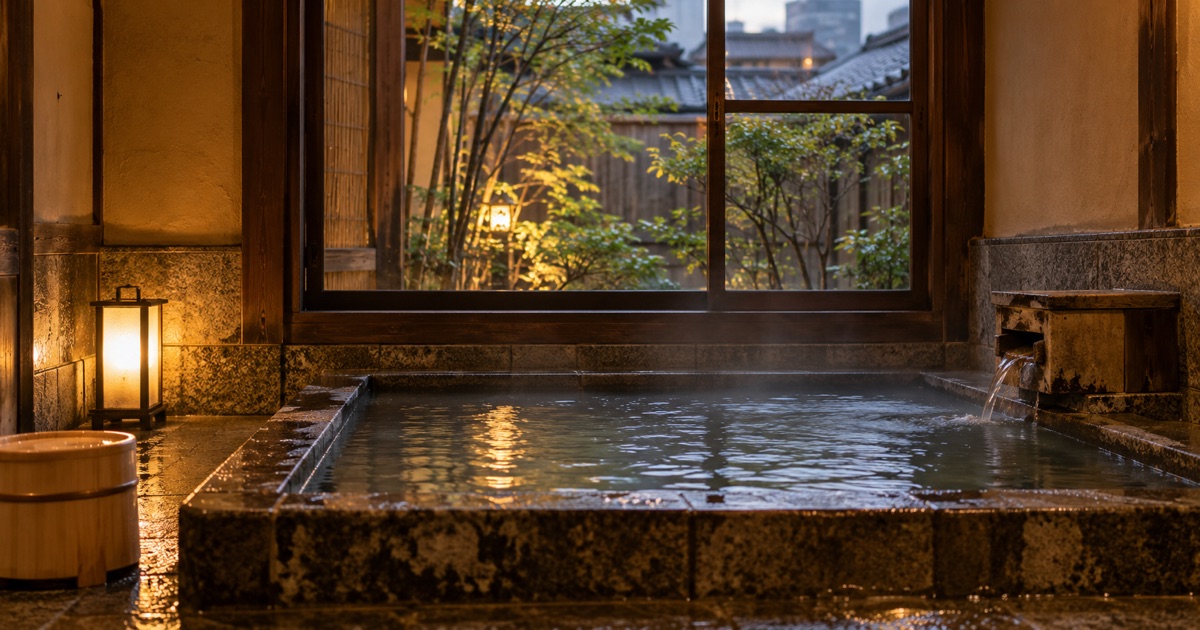
Facilities in the area range from sprawling, multi-story day-use bathhouses known as super sento to neighborhood public baths and oceanfront resort complexes overlooking Uraga Channel.
Top Day-Use Onsen in and Around Yokosuka
Yokosuka has several accessible bathing options for independent travelers. Always verify the latest operating details, as prices and schedules can shift throughout the year.
Yokosuka Onsen Yuraku no Sato (横須賀温泉 湯楽の里)
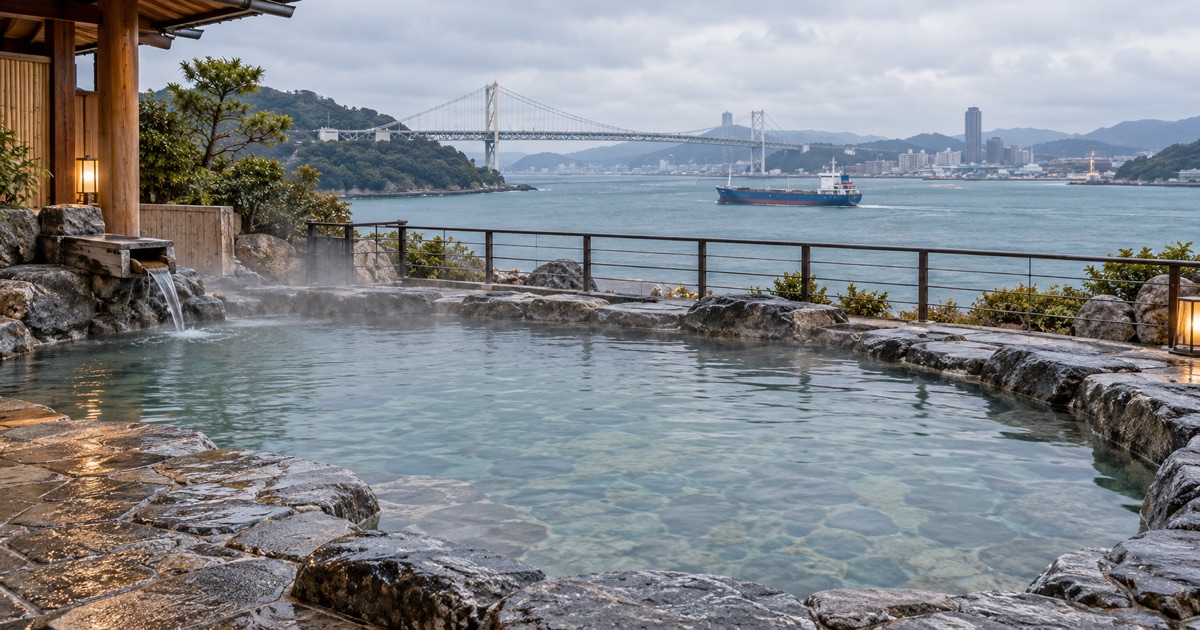
Situated right against the Tokyo Bay coastline, this is the most famous modern hot spring facility in the city. Its standout feature is an open-air bath (rotenburo) set directly over the sea wall, offering sweeping ocean vistas where you can watch cargo ships, ferries, and naval vessels glide across the water.
- Atmosphere: Large, modern, multi-floor bath complex with ocean views.
- Facilities: Outdoor infinity-style bath, carbonated indoor pools, dry sauna, stone saunas (ganbanyoku), relaxation lounges, and a full-service Japanese dining hall.
- Access: Take the Keikyu Main Line to Maborikaigan Station (馬堀海岸駅). From there, the bathhouse is roughly a 10- to 15-minute walk along the seaside avenue, or a short local bus ride.
- Admission Range: Entry typically runs between 1,100 yen and 1,500 yen depending on whether you visit on a weekday or weekend. Extra charges apply for stone sauna access and towel rentals.
Nonosato Yunosato / Miura Peninsula Coastal Baths
For visitors exploring deeper down the Miura Peninsula south of central Yokosuka, smaller bathhouses and seaside hotel baths around Kurihama (久里浜) and Miura Kaigan offer uncrowded soaking. Several coastal hotels open their hot spring tubs to non-staying day guests during afternoon hours.
Before heading to any specific hotel bath, check the facility's official website or ask at the front desk, as daytime hours for non-guests can be limited or subject to early closure during peak seasons.
We are working to carry Japanese craft and everyday culture beyond Japan, by building Japan Towns with local partners.
Read the Japan Town plan →How to Get to Yokosuka from Tokyo
Yokosuka is exceptionally well connected to central Tokyo, Yokohama, and Haneda Airport. You can make the journey using either major railway network:
- Keikyu Railway (京急電鉄): For the fastest access to central Yokosuka and Yotsuka Onsen Yuraku no Sato, board a Keikyu Limited Express or Rapid Limited Express train from Shinagawa Station (品川駅). The direct ride to Yokosuka-Chuo Station (横須賀中央駅) takes roughly 45 to 55 minutes. If your destination is Maborikaigan Station for the seaside onsen, your trip takes around 55 to 65 minutes.
- JR East (JR東日本): If you are traveling using a rail pass or departing from Tokyo Station (東京駅) or Shinjuku Station (新宿駅), take the JR Yokosuka Line directly to JR Yokosuka Station (横須賀駅). The trip takes roughly 75 minutes from Tokyo Station. Note that JR Yokosuka Station is near Verny Park and the naval docks, requiring a short local bus or Keikyu train transfer to reach seaside bathhouses located further east.
Travelers using Japan-wide transit tickets can review network maps and route planners via JR East. For additional regional transport recommendations, consult the Japan National Tourism Organization.
Onsen Etiquette for First-Time Visitors
If you have never visited an onsen or super sento in Japan, the process is straightforward once you know the step-by-step sequence.
Entering and Paying
- Remove your shoes: Take off your shoes immediately upon entering the building and place them in a shoe locker (getabako). Take the locker key with you.
- Buy your ticket or register: Many super sento use automated ticket vending machines (kenbaiki) near the lobby, while others give you an electronic wristband at the front desk. Touchscreens frequently have an English button in the top corner.
- Separate by gender: Walk through the split entrance curtains (noren). Red or pink curtains marked 女 (onna) denote the women’s section; blue curtains marked 男 (otoko) denote the men’s section.
Changing and Bathing Protocol
First, remove all clothing in the locker room. No swimsuits, underwear, or footwear are permitted inside the bathing area. Place all your clothes, valuables, and large bath towels inside your assigned locker and take only your locker key and a small modesty washcloth into the bathing room.
Second, sit down at a washing stall before entering any tub. Every stall is equipped with a stool, washbasin, and complimentary body wash and shampoo. Wash and rinse your body completely. Never stand while showering, as this splashes water onto other bathers nearby.
Third, step slowly into the baths. Keep your hair tied up above the water line. You may place your small modesty towel on top of your head or set it along the dry edge of the stone tub, but never let the towel touch or soak in the communal bathwater.
Finally, dry your body thoroughly with your small washcloth in the entryway of the bathing room before stepping back onto the woven mats or floorboards of the locker area.
Tattoo Policies in Yokosuka
Because Yokosuka hosts an active international community due to the naval base, questions regarding body art arise frequently.
Many traditional hot springs and large super sento across Kanagawa Prefecture maintain strict no-tattoo regulations. At facilities with strict rules, visible tattoos of any size or style—including ink related to military service or fashion—may result in refusal of entry or an immediate request to leave without a refund.
However, certain facilities allow guests with small, discrete tattoos if they can be completely covered by waterproof seal patches (tatoo cover seal) purchased at pharmacies or front desks. Because policies differ significantly across operators, always inspect the official website of the specific facility beforehand or contact their staff directly to avoid disappointment.
What to Bring and Common Mistakes to Avoid
A day trip to a Yokosuka onsen requires little advance preparation, but keeping a few practical items in mind ensures a smooth visit:
- Cash in 100-yen coins: Shoe lockers and changing room lockers frequently require a 100-yen coin deposit that is returned when you unlock the door. Keep several coins on hand.
- Your own towels: While soap and shampoo are standard, bathhouses charge rental fees (roughly 200 to 400 yen) for hand towels and bath towels. Packing a lightweight travel towel saves money.
- Hydration: Mineral baths and saunas dehydrate the body quickly. Drink water from the locker room fountains or purchase drinks from lobby vending machines before and after bathing.
- Watch your step: Natural saline and mineral-rich waters can make tile and natural stone paths slippery. Walk slowly, particularly around wet outdoor decks overlooking the sea.
Combining a coastal soak with local Yokosuka sights—such as naval harbor cruises, historical monuments, or sampling regional specialties like naval curry—creates an easy and rewarding day trip away from Tokyo's urban crowds.
FAQ
- Q. Are tattoos allowed in Yokosuka onsen?
- A. Policies vary strictly by facility. Many traditional and modern bathhouses in the area prohibit visible tattoos entirely, though some allow small tattoos covered by waterproof patches. Always check the official website of your chosen bathhouse before entering.
- Q. How long does it take to travel from Tokyo to Yokosuka?
- A. Train travel from Shinagawa Station to Yokosuka-Chuo Station takes roughly 45 to 55 minutes on the Keikyu Main Line, while JR lines from Tokyo Station take around 75 minutes.
- Q. What should I bring for a day-trip onsen visit in Yokosuka?
- A. Bring a small washcloth and a bath towel to avoid rental fees, along with cash in 100-yen coins for locker deposits and vending machines.
Cite or share this article
Copy the link below. If you quote this article, please link to this page as the source.