Onsen Etiquette and Body Hair: What First-Timers Should Know
Key takeaways
- Body hair is not addressed by onsen etiquette rules; no facility asks guests to remove it before bathing.
- Washing thoroughly at the shower stations before entering the bath matters far more than appearance.
- Tattoo policies, towel rules, and gender-separated bathing vary by facility, so always check the official website first.
Does Body Hair Matter in Onsen Etiquette?
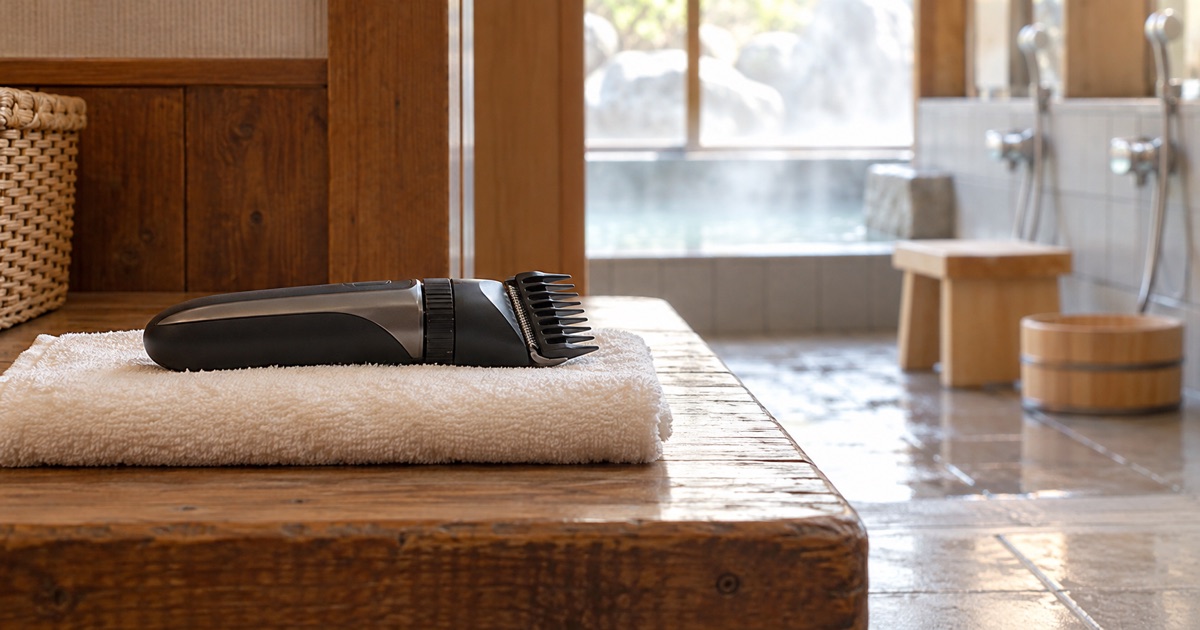
No, body hair is not part of onsen etiquette in Japan. There is no rule, written or unwritten, that asks bathers to shave, trim, or otherwise alter their body hair before entering a hot spring bath, and staff do not check for it. What matters far more to Japanese bathing culture is cleanliness: washing your body thoroughly before you step into the shared water.
This is a common worry among first-time visitors, especially those used to swimming pool or gym locker-room norms elsewhere. It's understandable, but misplaced. Onsen etiquette in Japan is built around a different set of concerns — hygiene, noise, modesty, and respect for a shared space — and body hair simply isn't one of them.
Where the Confusion Comes From
Many overseas visitors associate communal bathing or swimwear culture with grooming expectations seen in other countries. Japan's onsen tradition developed separately, over centuries, with its own logic: everyone bathes without clothing, everyone washes first, and everyone is expected to behave the same way regardless of body type, age, or appearance. Guidance aimed at tourists — including official tourism resources like the Japan National Tourism Organization — focuses on practical steps such as washing before entering the bath and not bringing a towel into the water, not on appearance.
What Onsen Etiquette Actually Covers
If body hair isn't the issue, here's what genuinely matters when you visit a Japanese hot spring for the first time.
1. Wash Before You Soak
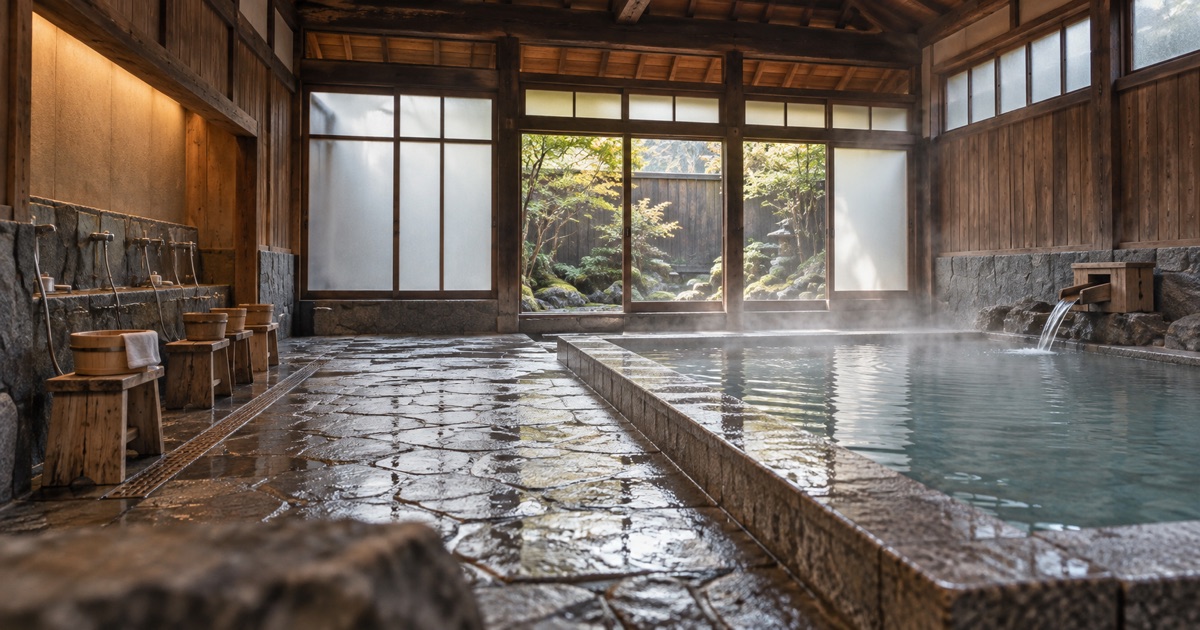
Every onsen and sento (public bath) has a row of shower stations with stools, taps, and handheld showerheads near the entrance to the bathing area. The expectation is simple: sit down, wash your entire body with soap, rinse thoroughly, and only then enter the shared tub. This step is taken seriously — it's the single most important rule in Japanese bathing etiquette, and skipping it is the most common mistake first-timers make.
Bring your own small towel if the facility doesn't rent or sell one (many do, for a small fee). Use this towel to wash and to pat dry afterward, but never let it touch the bath water. Most bathers fold it and set it on their head or beside the tub while soaking.
2. Bathe Without Swimwear
Onsen bathing is done nude, in gender-separated baths at most traditional facilities. This surprises many visitors, but it's standard practice and non-negotiable at the vast majority of onsen. A small number of newer or tourist-oriented facilities offer swimsuit-optional baths or private family baths (kazoku-buro, 家族風呂) where you can bathe with a partner or children regardless of gender. If full nudity is a concern, look specifically for a facility offering private or reserved baths, and confirm the details on its own website before booking.
3. Tie Up Long Hair
If your hair is long enough to touch the water, tie it up before entering the bath. This is a hygiene rule applied equally to everyone, and it's one of the few grooming-related requests you'll actually encounter in an onsen.
4. Keep Noise and Phones to a Minimum
Onsen baths are generally quiet spaces. Loud conversation, phones, and cameras are discouraged or outright banned in the bathing area itself — check signage, as rules vary slightly by facility. Taking photos of other bathers, even accidentally, is a serious breach of etiquette.
5. Tattoos: Check Before You Go
Policies on tattoos differ widely from one onsen to another. Some facilities still prohibit visible tattoos entirely, reflecting a long-standing association with organized crime in Japan; others allow small tattoos if covered with a patch or sticker; a growing number, particularly in areas popular with international visitors, allow tattoos freely. There is no single national rule, so always check the specific facility's official website or contact them directly before visiting if you have tattoos. This applies regardless of the tattoo's size, meaning, or whether it's a small design or a full sleeve.
We are working to carry Japanese craft and everyday culture beyond Japan, by building Japan Towns with local partners.
Read the Japan Town plan →Practical Steps for a First Visit
- Remove all clothing and jewelry in the changing room and place belongings in the provided basket or locker. Most onsen lockers use a coin-return system or a key on an elastic wristband.
- Carry only your small towel and locker key into the bathing area.
- Rinse off at a shower station before touching the bath water — this applies every single time, even if you showered at your hotel beforehand.
- Enter the bath slowly and avoid splashing or swimming.
- Do not let your towel enter the water. Fold it on your head or place it on the edge of the bath.
- Rinse off lightly or pat dry with your towel when you're done, then return to the changing room.
What to Bring
- A small towel (sold or rented at most facilities if you don't have one)
- A larger towel for drying off afterward, if your facility doesn't provide one in the changing room
- A coin purse or small amount of cash for lockers, towel rental, or entry fees at smaller facilities
- Hair ties, if you have long hair
- Any skincare items you normally use, though facilities often provide basic amenities
Common Mistakes First-Timers Make
- Wearing swimwear into a traditional onsen bath without checking first
- Letting a towel touch the bath water
- Skipping the pre-bath shower, assuming a quick rinse is enough
- Taking photos inside the bathing area
- Assuming all onsen welcome tattoos, or assuming none do — always check the individual facility
Planning Your Visit
Onsen etiquette is less about appearance and more about shared consideration: wash properly, keep the water clean for others, and respect the quiet atmosphere. Facility rules do vary, so if you have specific concerns — tattoos, private bathing options, accessibility, or family-friendly facilities — check the onsen's own website in advance rather than guessing. Regional tourism sites and operators such as JR East and JR West can also help with travel planning if you're combining an onsen visit with a wider trip around Japan.
Ultimately, body hair has no place in the etiquette conversation. Go in, wash well, soak, and relax — that's really all that's expected of you.
FAQ
- Q. Do I need to shave before going to an onsen?
- A. No. There is no rule or social expectation in Japan about shaving or trimming body hair before bathing. Focus on washing properly instead. A: Will staff or other bathers say anything about my body hair? A: It would be very unusual. Japanese bathing culture treats onsen as a place for quiet washing and soaking, not for commenting on other guests' bodies.
- Q. What should I actually worry about as a first-timer?
- A. Washing before entering the shared bath, not bringing your towel into the water, and checking the facility's tattoo and photography policies in advance.
Cite or share this article
Copy the link below. If you quote this article, please link to this page as the source.