Best Onsen Near Hakodate Station: Top Baths and Day Trips
Key takeaways
- Modern hotel onsen sit within a 5-to-15-minute walk of Hakodate Station, offering city-center convenience.
- Yunokawa Onsen is roughly 30 minutes away by Hakodate City Tram, featuring historic public baths and ocean views.
- Day-use entry fees generally range between 500 and 2,500 JPY, with amenities and tattoo policies varying by venue.
The best natural onsen near Hakodate Station (函館駅) include modern hotel bathhouses located within a 5-to-15-minute walk, as well as the historic coastal hot spring resort of Yunokawa Onsen (湯の川温泉), which sits roughly 30 minutes away by city tram. Whether you are stepping off a JR Hokkaido train or looking for a relaxing dip before catching a flight, you have immediate access to both downtown mineral baths and seaside resort waters.
Hakodate's unique geography allows geothermal water to be piped directly into contemporary high-rise hotels around the port and train terminal, alongside traditional communal bathhouses that have operated for generations. Understanding the layout of the city makes it straightforward to choose between a quick downtown soak and an afternoon trip to the coast.
Natural Onsen Within Walking Distance of Hakodate Station
Several full-service hotels located within a short walk of Hakodate Station feature dedicated natural hot spring facilities. These venues cater to both overnight guests and day-use visitors looking for a convenient soak without leaving the central transit hub.
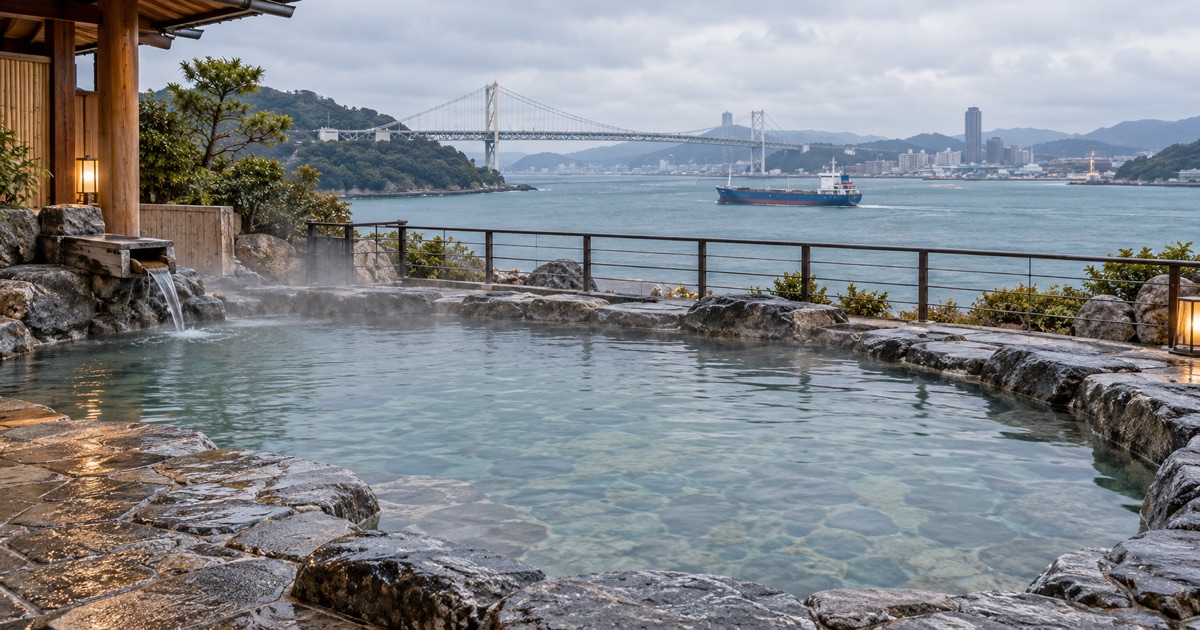
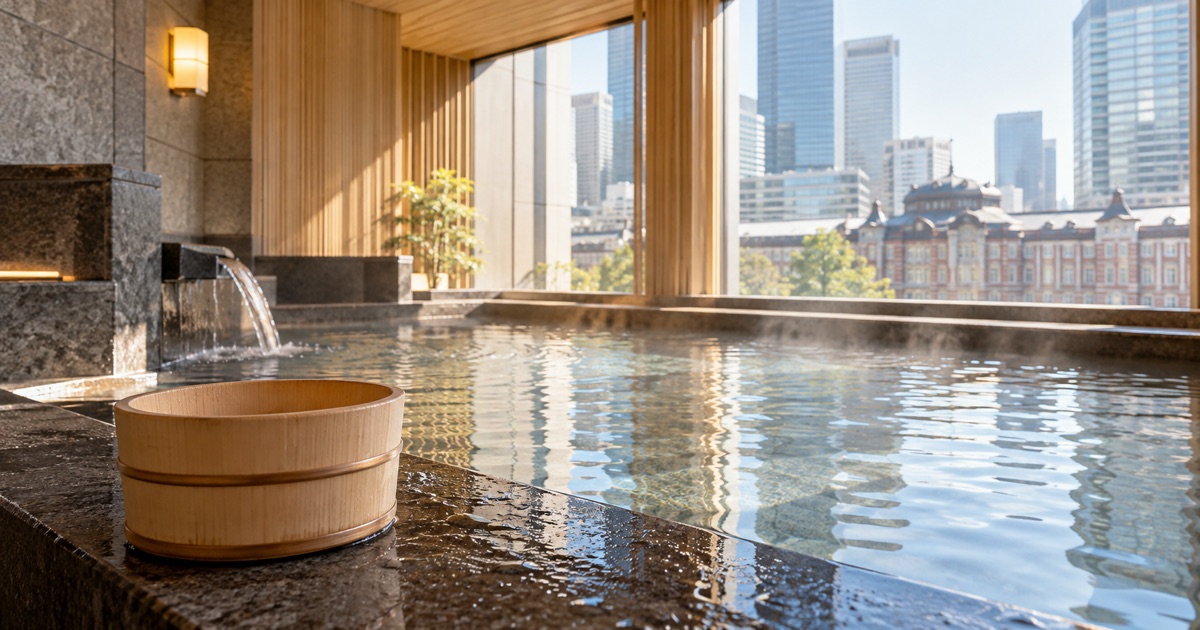
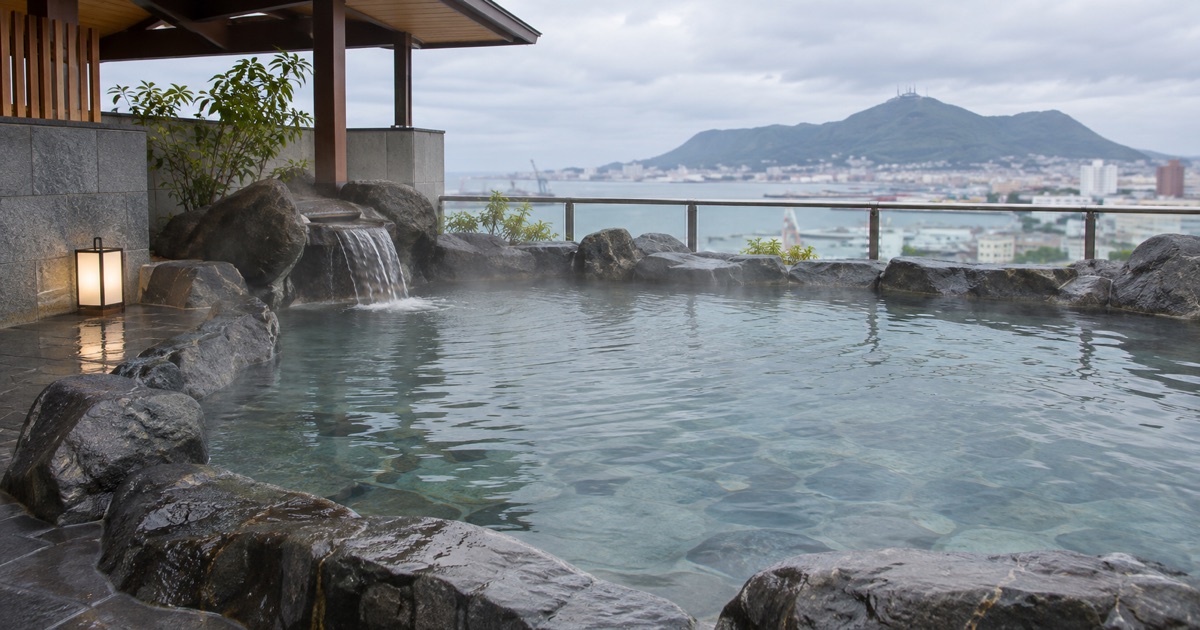
A popular cluster of hot spring hotels sits around the station plaza and the nearby Hakodate Bay area. Properties such as La Vista Hakodate Bay (ラビスタ函館ベイ), Hakodate Kokusai Hotel (函館国際ホテル), and JR Inn Hakodate (JRイン函館) draw geothermal waters directly into indoor baths and open-air tubs (rotenburo). Rooftop facilities at these properties provide elevated views over Hakodate Port, Mount Hakodate (函館山), and the railway tracks.
- Walking distance: Roughly 2 to 15 minutes on foot from Hakodate Station exits.
- Entry costs: Day-use admission generally ranges between 1,000 and 2,500 JPY, though some hotel baths restrict daytime access during peak tourist seasons or reserve their baths exclusively for overnight guests.
- Atmosphere: Polished, modern amenities with provided towels, body wash, shampoo, and secure lockers.
Because hotel policies regarding non-staying guests can shift based on room occupancy, check the official website of your target hotel before heading over. For broader regional train connections to the station, refer to JR East and JR Hokkaido transit planners.
Exploring Yunokawa Onsen: Hakodate's Classic Hot Spring District
Yunokawa Onsen is Hakodate’s premier historic onsen district, located roughly 6 kilometers east of Hakodate Station along the Tsugaru Strait. Dating back centuries, this coastal enclave offers a traditional resort atmosphere with dozens of ryokan (Japanese inns), public bathhouses, and free public footbaths.
Taking a quick excursion to Yunokawa gives you access to deeply mineralized, clear saline spring waters. The district combines historic seaside charm with accessible day-use facilities catering to diverse budgets.
Getting to Yunokawa by Tram
Reaching the district from Hakodate Station is simple:
- Walk outside the station building to the Hakodate Ekimae (函館駅前) tram stop.
- Board the Hakodate City Tram Line 2 or Line 5 bound for Yunokawa (湯の川).
- Disembark at the Yunokawa-Onsen (湯の川温泉) stop. The ride takes roughly 30 to 35 minutes and costs around 250 JPY. Local IC cards (such as Suica and Pasmo) are accepted, or you can pay with cash by taking a numbered ticket upon boarding.
Notable Yunokawa Bathing Spots
- Hakodate Tram Station Footbath (Yunokawa Onsen Ashiyu Enbukan): Located right by the tram stop, this outdoor footbath is completely free to the public. Bring a small towel to dry your feet.
- Yunokawa Prince Hotel Nagisatei (湯の川プリンスホテル渚亭): A renowned oceanfront hotel offering expansive day-use baths facing the sea, often available during designated afternoon hours.
- Nagisano-toushimabou (Traditional Public Baths): Local bathhouses (sento) scattered through the neighborhood offer authentic, no-frills mineral soaking at budget-friendly public rates (roughly 450 to 500 JPY).
We are working to carry Japanese craft and everyday culture beyond Japan, by building Japan Towns with local partners.
Read the Japan Town plan →Traditional Sentō Near the Station: Hakodate Chiyono-yu
For travelers seeking a local neighborhood experience rather than a hotel spa, traditional communal bathhouses that utilize natural thermal water operate within the wider downtown district.
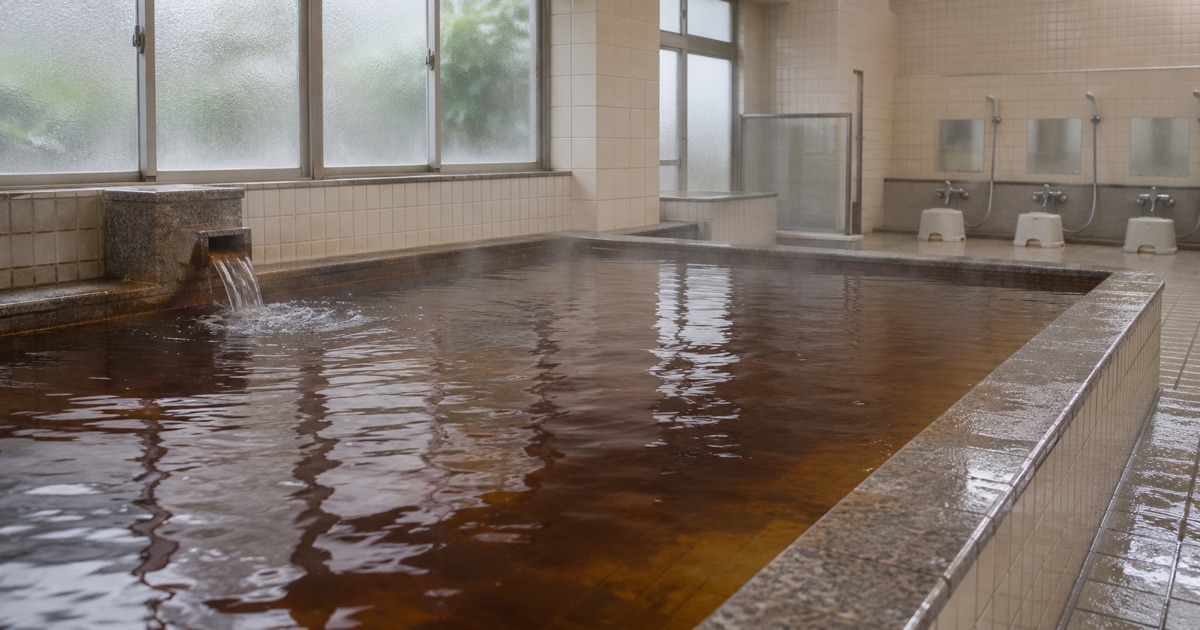
Facilities such as Hakodate Chiyono-yu (千代の湯) and similar local spots present an unvarnished look at daily Japanese bath culture. These facilities feature untreated, high-temperature thermal spring water piped straight into deep tile tubs.
- Distance: Located within a 15-to-20-minute walk or a 5-minute tram ride from Hakodate Station.
- Cost: Regulated standard public bath fees apply, typically around 480 to 500 JPY.
- What to expect: Minimal English signage, very hot water temperatures, and self-service amenities. You must bring your own soap, shampoo, and towel, or buy small single-use packets at the front desk (bandai).
Step-by-Step Guide for First-Time Visitors
Public bathing in Japan follows strict cleanliness and social customs. If this is your first time visiting an onsen or sento near Hakodate Station, following a standard sequence ensures a seamless experience.
- Remove Footwear: Take off your shoes at the main entrance and place them in the shoe lockers provided. Key systems usually require a 100 JPY coin, which is returned when you unlock it.
- Purchase Entry: Pay at the reception counter or buy a ticket from the automated vending machine. Request a rental towel set (taoru setto) if you did not bring your own.
- Enter the Correct Changing Room: Men's areas are marked with the character 男 (otoko, usually under a blue curtain), and women's areas are marked with 女 (onna, usually under a red curtain).
- Undress Completely: Remove all clothing and jewelry in the locker room. Bathing suits are strictly prohibited in standard onsen waters. Place your belongings in a locker and take only your small washcloth into the bathing area.
- Wash Thoroughly Before Soaking: Sit on a provided plastic stool at a washing station. Use soap and shampoo to clean your entire body before stepping into any communal pool. Rinse away all suds completely.
- Enter the Pools: Ease into the bath slowly, as Hakodate's spring sources can run hot. Do not let your small modesty towel touch the bathwater; place it on your head or fold it on the side of the pool.
- Dry Off Before Returning: Before stepping back onto the woven mats of the changing room, wring out your small washcloth and dry your body thoroughly to avoid dripping on the floor.
What to Bring and Common Mistakes
A successful day trip to an onsen requires minimal gear, but missing essential items can cause small hassles.
Packing Checklist
- Small hand towel: For washing and modesty while walking outside the water.
- Bath towel: Kept in your changing locker to dry off after the bath.
- 100 JPY coins: Needed for shoe lockers and changing room lockers (almost always refunded).
- Cash: Many public bathhouses and ticket vending machines do not accept credit cards or digital payments.
- Moisturizer: The salty, mineral-rich water in Hakodate can feel drying on sensitive skin once exposed to northern winds.
Common Mistakes to Avoid
- Not bringing toiletries to local baths: While mid-range and upscale hotels supply shampoo and body wash in the shower stalls, traditional neighborhood bathhouses charge extra for basic soap.
- Boarding the wrong tram line: Hakodate has two tram routes (Line 2 and Line 5). Both pass Hakodate Station and head to Yunokawa, but they split on their western ends. Always confirm the destination sign says Yunokawa (湯の川) when traveling east.
- Assuming all baths are open all day: Hotel onsen frequently reserve late mornings and early afternoons for daily cleaning, meaning day-use access might only be available in narrow windows (such as 1:00 PM to 5:00 PM). Always verify times before planning your itinerary.
Tattoo Policies and Etiquette in Hakodate
Tattoo acceptance differs significantly depending on the style of bathhouse you choose around Hakodate Station.
- Public Bathhouses (Sento): Traditional communal baths operating under municipal bathhouse laws generally permit visible tattoos of any size.
- Hotel Onsen: Modern properties and resort baths typically enforce strict no-tattoo rules or require small body art to be completely covered by waterproof seal stickers (often sold at front desks).
- Private Baths (Kashikiri): If you have extensive tattoos and wish to soak in a hotel setting, look for facilities in Yunokawa that offer rentable family baths (kashikiri-buro). These private rooms bypass all public floor rules.
Because regulations are set individually by each operator, check the venue's English or Japanese website ahead of time. General travel guidelines can also be confirmed via the Japan National Tourism Organization.
FAQ
- Q. Can you find natural hot springs within walking distance of Hakodate Station?
- A. Yes, several modern hotels located within a 5-to-15-minute walk of the station pump genuine natural hot spring water into their indoor and open-air rooftop baths.
- Q. How do you get from Hakodate Station to Yunokawa Onsen?
- A. Board the Hakodate City Tram from the Hakodate Ekimae stop directly to Yunokawa-Onsen stop, a journey taking roughly 30 to 35 minutes.
- Q. Do day-use hot springs near Hakodate Station allow tattoos?
- A. Policies vary widely by facility. Traditional public bathhouses often allow tattoos, whereas upscale hotel baths frequently require ink to be covered with waterproof patches or ban visible tattoos entirely.
Cite or share this article
Copy the link below. If you quote this article, please link to this page as the source.