Onsen Near Shinagawa Station: Best Baths and Easy Trips
Key takeaways
- While no hot spring sits inside Shinagawa Station, authentic natural onsen are located just one to two train stops away.
- Local black water (kuroyu) bathhouses in nearby Shinagawa and Ota wards offer budget-friendly traditional bathing.
- Direct bullet trains and express lines link Shinagawa to world-famous onsen towns like Atami and Hakone in under an hour.
There is no natural hot spring directly inside Shinagawa Station, but several authentic onsen and traditional bathhouses operate just one to three train stops away. Travelers can easily reach natural mineral baths in under fifteen minutes or board a bullet train at Shinagawa to reach premier coastal hot spring resorts in less than an hour.
Whether you have a long layover, want to unwind after arriving from Haneda Airport, or need a relaxing break before boarding the Shinkansen, Shinagawa provides a practical launchpad for experiencing Japanese bathing culture.
Understanding Baths Around Shinagawa: Onsen vs. Sento
First-time visitors often confuse onsen (natural hot springs) with sento (neighborhood public bathhouses). In Japan, a true onsen (温泉) must contain water sourced from geothermal springs meeting specific legal mineral and temperature standards. A sento (銭湯) is traditionally a community bathhouse using heated tap water.
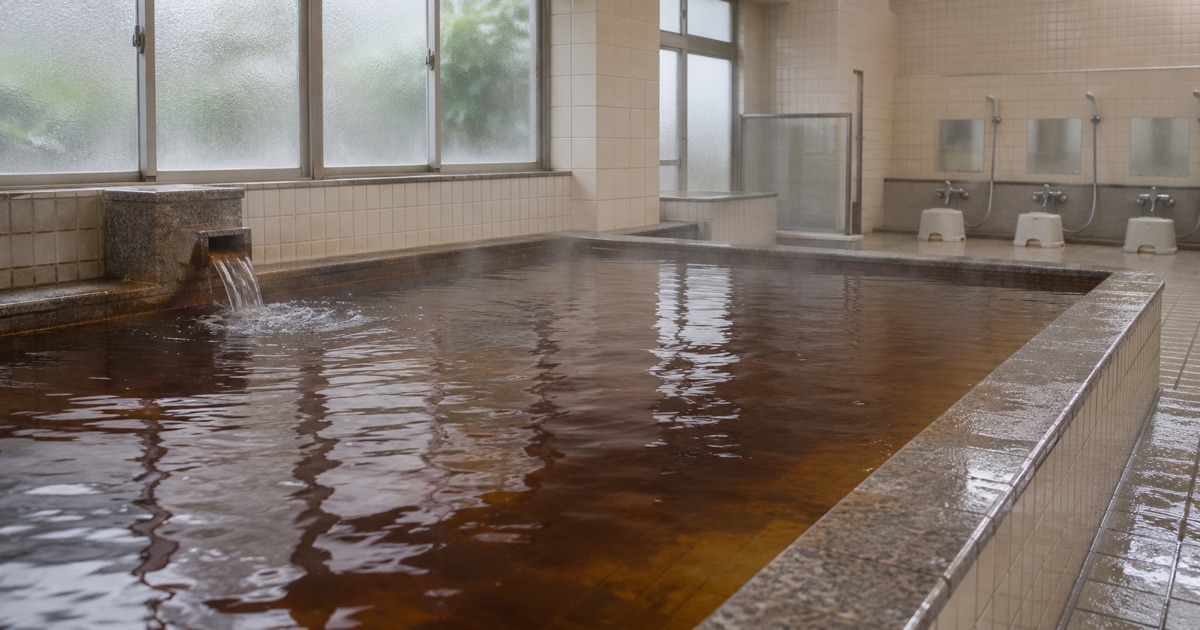
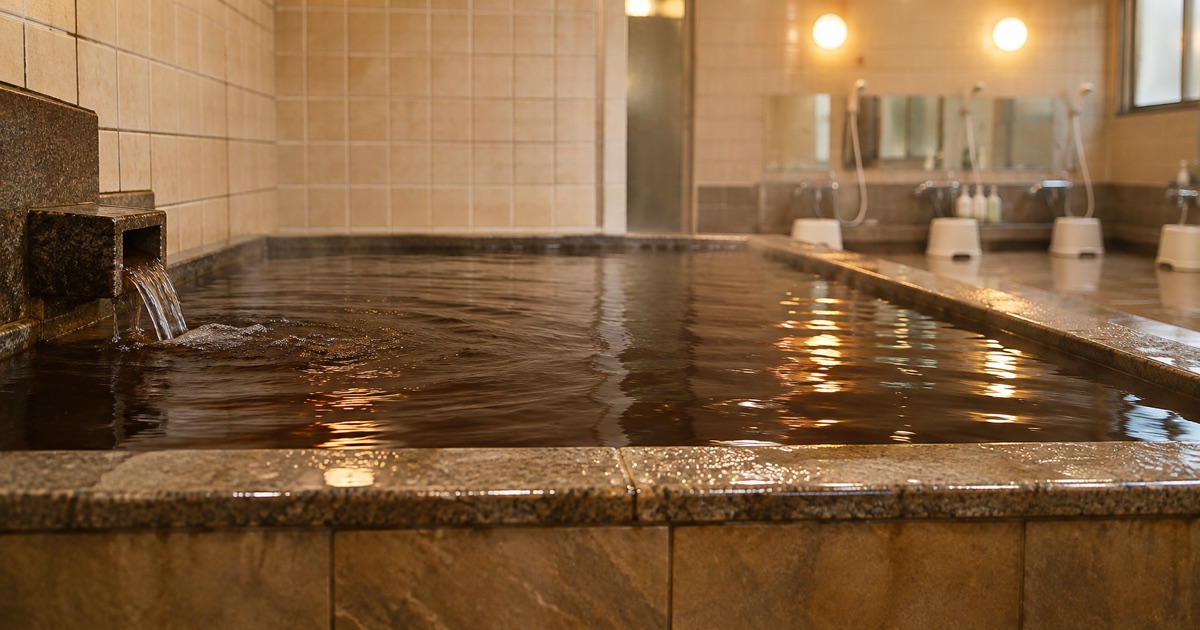
However, southern Tokyo—including Shinagawa Ward (品川区) and neighboring Ota Ward (大田区)—is famous for a unique crossover: natural onsen operating under regulated sento prices. Deep beneath Tokyo lies ancient organic plant matter that enriches the groundwater, producing a tea-colored or black thermal spring known as kuroyu (黒湯). These neighborhood facilities charge modest entry fees (typically around 500 to 600 yen for adults) and let you soak in genuine mineral water without traveling far.
Best Onsen and Bathhouses Minutes from Shinagawa
The following bathhouses and modern facilities are easily accessible using local transit from Shinagawa Station. Train schedules and facility operating hours change regularly, so verify details on official facility websites before visiting.
1. Togoshi Ginza Onsen (戸越銀座温泉)
Located in the heart of the bustling Togoshi Ginza shopping street, this modern community sento offers genuine kuroyu hot spring water. The facility features two distinct bath areas—the "Moon Bath" and the "Sun Bath"—which rotate daily between men and women. One section includes an open-air bath (rotenburo).
- Access from Shinagawa: Take the JR Yamanote Line one stop to Osaki (大崎), then transfer to the Tokyu Ikegami Line to Togoshi-Ginza Station (戸越銀座駅). Total travel time is roughly 15 to 20 minutes.
- Cost: Standard Tokyo sento rate (around 500 to 600 yen; sauna requires an extra fee).
- Atmosphere: Friendly, local, and modern.
2. Musashi-Koyama Onsen Shimizuyu (武蔵小山温泉 清水湯)
Shimizuyu is widely celebrated among Tokyo bath enthusiasts because it pumps two different types of natural spring water: deep amber kuroyu and a golden spring (ogon-no-yu) drawn from a deeper layer. The facility includes outdoor baths and a relaxation terrace.
- Access from Shinagawa: Take the JR Yamanote Line to Meguro (目黒), then transfer to the Tokyu Meguro Line to Musashi-Koyama Station (武蔵小山駅). The ride takes roughly 20 minutes, followed by a 5-minute walk.
- Cost: Standard sento admission, with optional add-on fees for sauna use.
- Atmosphere: Popular and lively; can get crowded during weekday evenings and Sunday afternoons.
3. Hasunuma Onsen (蓮沼温泉)
Located slightly further south in Ota Ward, Hasunuma Onsen features Taisho-Roman-inspired interior design with stained-glass accents and a mural of Mount Fuji. The bathhouse uses natural spring water with a slight greenish-amber hue in its main soaking pools.
- Access from Shinagawa: Take the JR Keihin-Tohoku Line to Kamata (蒲田), then take the Tokyu Tamagawa Line one stop to Hasunuma Station (蓮沼駅). Travel time is roughly 20 to 25 minutes.
- Cost: Standard sento pricing.
- Atmosphere: Nostalgic, clean, and retro.
4. Natural Hot Spring Heiwajima (天然温泉 平和島)
If you prefer a large, contemporary hot spring complex (super sento) with lounge chairs, dining areas, and luggage storage, Heiwajima is a primary choice near Shinagawa. The water here is natural thermal brine drawn from deep underground. It offers direct late-night and early-morning shuttle buses to Haneda Airport.
- Access from Shinagawa: Take the Keikyu Main Line from Shinagawa to Heiwajima Station (平和島駅), roughly 10 minutes by express train, followed by a short local bus or 15-minute walk.
- Cost: Higher than neighborhood sento, typically ranging from 2,000 to 4,000 yen depending on the time of day and package chosen.
- Atmosphere: Spacious, resort-style facility suitable for long waits before flights.
We are working to carry Japanese craft and everyday culture beyond Japan, by building Japan Towns with local partners.
Read the Japan Town plan →Fast Day Trips to Famous Onsen Towns from Shinagawa
Shinagawa is one of Tokyo's primary Shinkansen hubs. If you have half a day or a full day to spare, you can step onto a train at Shinagawa and reach renowned resort towns directly.
Atami Onsen (熱海温泉)
Perched on the coast of Shizuoka Prefecture, Atami has been a favored hot spring getaway for centuries. It features ocean-view baths, fresh seafood, and numerous day-use onsen hotels (ryokan).
- Train Travel: Take the Tokaido Shinkansen (Kodama train) directly from Shinagawa Station to Atami Station (熱海駅). The journey takes approximately 35 to 45 minutes. You can check timetables through JR Central.
- Best for: Rapid travel, sea views, and classic resort atmosphere.
Hakone (箱根)
Hakone is among Japan's most famous volcanic hot spring regions, offering views of Mount Fuji on clear days and a wide variety of spring water types.
- Train Travel: Take the Tokaido Shinkansen from Shinagawa to Odawara Station (小田原駅) in about 30 minutes, or use the JR Tokaido Main Line local trains (roughly 70 minutes). From Odawara, transfer to the Hakone Tozan Railway to reach Hakone-Yumoto (箱根湯本).
- Best for: Traditional inns, scenic mountain views, and mountain railway travel. Travel advice and transit passes can be explored via the Japan National Tourism Organization.
Step-by-Step Guide for First-Time Visitors
Navigating a Japanese bathhouse without Japanese language skills is straightforward if you know the flow:
- Enter and Remove Shoes: Take off your outdoor shoes in the entrance foyer (genkan) and place them into a small shoe locker. Take the wooden or metal key with you.
- Purchase Your Ticket: Many local sento use a vending machine (kenbaiki). Buttons often have English subtext or pictures. Select bath admission (nyuyokuryo / 入浴料) and, if needed, a towel set (taoru / タオル). Hand your ticket and shoe locker key to the front desk attendant (bandai or reception).
- Choose the Correct Door: Red curtains (often marked 女) designate the women's area; blue curtains (often marked 男) lead to the men's area.
- Undress Completely in the Changing Room: All clothing, including underwear and swimwear, must be removed and placed in a clothing locker. Take only your small modesty towel into the bathing room.
- Wash Thoroughly Before Soaking: Sit on a plastic stool at an individual washing station. Use soap and shampoo to clean your entire body before stepping into any communal pool. Rinse away all suds.
- Enter the Bath: Step slowly into the water. Keep your small towel out of the bathwater—place it on your head or set it on the edge of the pool.
- Dry Off Before Returning to the Locker Room: Use your small towel to wipe off excess water from your body before stepping back onto the changing room mats.
Essential Rules: Tattoos, Towels, and Valuables
- Tattoos: Policies differ significantly by facility. Traditional community bathhouses (sento) in Tokyo generally permit tattoos without restriction, making places like Togoshi Ginza Onsen accessible to inked travelers. Conversely, large commercial spas (such as Natural Hot Spring Heiwajima) usually enforce strict bans on visible body art. Always inspect the facility's posted entrance rules or website.
- Towels and Toiletries: Traditional sento do not supply complimentary bath towels. You can rent or buy small washcloths and bath towels for a few hundred yen at the desk, or bring your own. Shampoo and body wash are often provided at modern sento, but some older locations require you to bring your own miniature bottles.
- Hydration: Kuroyu and thermal brine baths can raise your body temperature quickly. Drink water from the changing room water cooler or purchase a cold drink from the lobby vending machines after your bath.
- Luggage: Neighborhood sento lockers are designed for day packs and folded clothing, not rolling suitcases. If you are traveling between hotels, store large bags inside the coin lockers at Shinagawa Station before heading to local bathhouses.
FAQ
- Q. Is there a natural hot spring directly inside Shinagawa Station?
- A. No, Shinagawa Station itself has no hot spring, but genuine natural onsen bathhouses exist just one to two stops away by train.
- Q. Can I visit an onsen near Shinagawa if I have tattoos?
- A. Policies vary widely; while many traditional neighborhood bathhouses allow tattoos, modern spa complexes generally forbid them, so check rules in advance.
- Q. What is the dark brown water found in hot springs around Shinagawa?
- A. It is kuroyu, a natural thermal water rich in organic plant matter that is characteristic of the Tokyo Bay and southern Tokyo region.
Cite or share this article
Copy the link below. If you quote this article, please link to this page as the source.