Onsen Near Himeji Castle: Best Day Trips & Baths
Key takeaways
- Shiosai-no-Yu offers genuine thermal bathing right in Himeji city along the Sanyo Railway line.
- Historic Arima Onsen and coastal Ako Onsen are both easy day trips under 90 minutes from Himeji Station.
- Facilities vary widely on tattoo acceptance and pricing, so verify policies directly before visiting.
The best onsen near Himeji Castle (姫路城) range from modern day-use hot spring complexes within the city limits to historic thermal resort towns reachable in under an hour by train. While no natural thermal spring surfaces directly inside the castle grounds, visitors can easily combine a morning tour of Japan's premier fortress with a relaxing mineral bath that same afternoon.
Himeji sits in Hyogo Prefecture, a region famous for some of Japan's oldest and most varied mineral waters. Whether you want a quick soak before boarding the Shinkansen or an atmospheric coastal bath overlooking the Seto Inland Sea, several distinct options fit a travel schedule.
Onsen Within Himeji City
If you want to minimize transit time after climbing the castle's steep wooden staircases, stay within the city boundaries.
1. Himeji Tenbou Onsen Shiosai-no-Yu (姫路展望温泉 潮彩の湯)
Located inside the Grandvrio Hotel Himeji Castle Resort near Himeji Station, this facility taps natural thermal spring water from deep underground. It offers day-use admission for non-staying guests as well as hotel residents. The indoor and open-air baths (rotenburo) give tired travelers a complete hot spring experience without requiring regional train transfers. Admission generally costs around ¥1,000 to ¥1,500 ($7 to $10 USD), though rates fluctuate based on days and promotional periods. Check official notices for current day-use hours, as maintenance schedules can change access windows.
2. Yumeta Onsen (夢乃井 / 夢田温泉 area)
Located in the northern, rural district of Himeji known as Yumesaki (夢前), this peaceful river valley houses traditional ryokan that pump local spring water. Ryokan such as Yumenoi open their public baths to daytime guests during designated midday windows. Getting here requires a local bus ride of roughly 40 to 50 minutes from Himeji Station's north bus terminal. It serves as an ideal retreat if you prefer forested hill views over urban bathhouses. Day-use bath entry typically ranges between ¥1,000 and ¥2,000 ($7 to $14 USD).
3. Local City Sento and Super Sento
Himeji hosts several modern public bathing complexes (super sento). While some use heated tap water enriched with minerals rather than certified spring sources, they provide jet baths, saunas, and cold plunge pools. These urban facilities sit along suburban train lines or require short taxi hops, typically costing between ¥700 and ¥1,100 ($5 to $8 USD).
Historic Hot Spring Towns Near Himeji
Travelers with an extra half-day or evening to spare can venture outside Himeji to experience historic onsen culture. Hyogo's train network makes multiple renowned towns straightforward to reach. Train connections across the prefecture can be planned using JR West.
1. Ako Onsen (赤穂温泉)
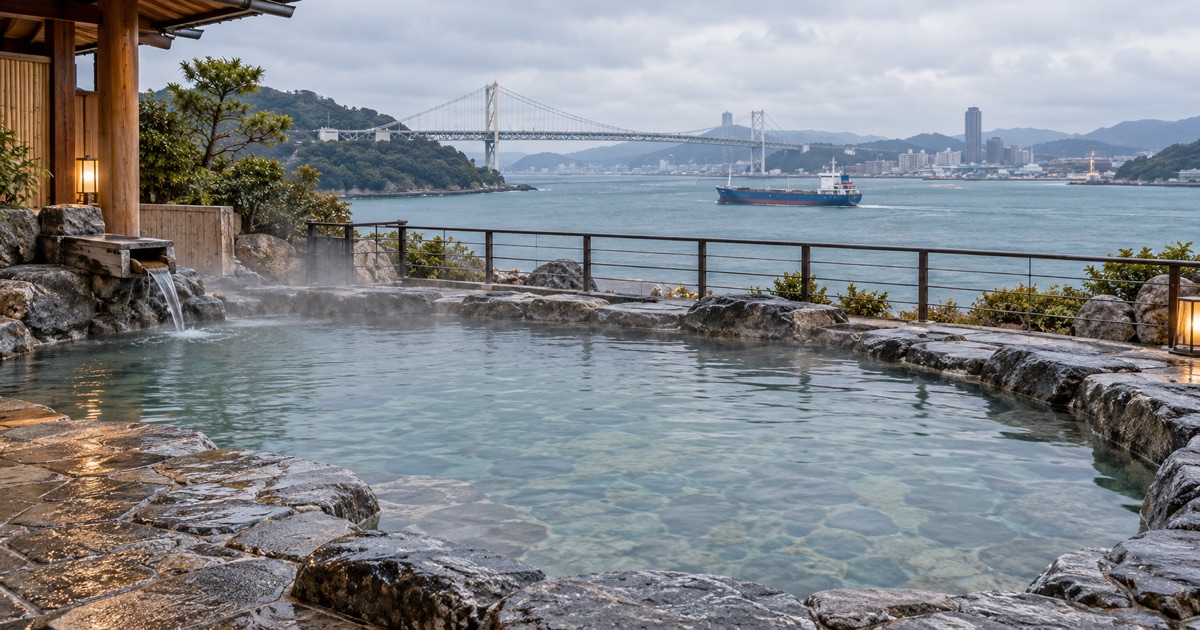
Located roughly 35 to 45 minutes west of Himeji Station via the JR Ako Line (accessible from Banshu-Ako Station / 播州赤穂駅), Ako is famous for its seaside baths. The water here contains high levels of minerals, and open-air pools at local inns sit directly above the rocky coastline of the Seto Inland Sea. Several ryokan along the Misaki cape welcome day visitors for afternoon bathing, offering sweeping ocean horizons. Day-use entry ranges from ¥1,200 to ¥2,000 ($8 to $14 USD).
2. Arima Onsen (有馬温泉)
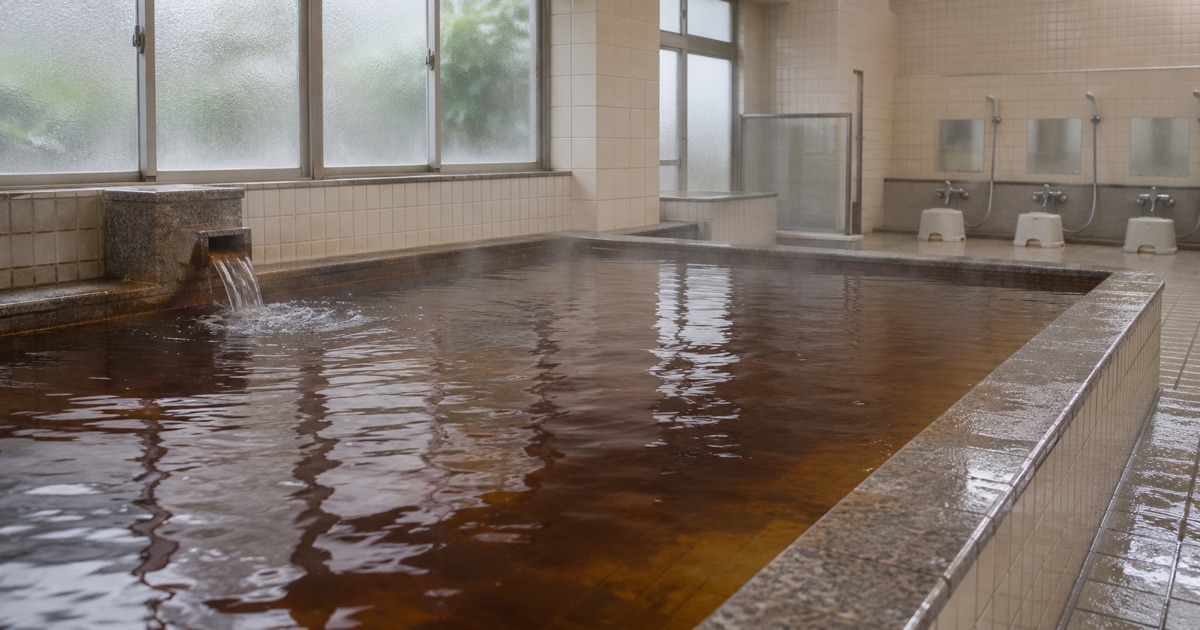
Arima ranks as one of Japan's three ancient hot spring settlements, renowned for its iron-rich "gold water" (kinsen) and clear "silver water" (ginsen). Located in Kobe, Arima sits roughly 60 to 75 minutes from Himeji. Travelers can take the Sanyo Shinkansen or JR Special Rapid train to Shin-Kobe or Sannomiya, then transfer to a direct highway bus or local subway and electric railway lines. Arima features two famous public day-use bathhouses: Kin-no-Yu (金の湯) and Gin-no-Yu (銀の湯). Standard public entry tickets run around ¥650 to ¥800 ($4.50 to $5.50 USD) per bath, with combined tickets frequently available.
3. Kinosaki Onsen (城崎温泉)
If your journey continues north toward the Sea of Japan, Kinosaki represents the classic onsen town experience, complete with seven public bathhouses (soto-yu) connected by willow-lined canals. The JR Hamakaze limited express train runs directly from Himeji Station to Kinosaki Onsen Station in roughly 1 hour and 45 minutes to 2 hours. A full-day pass covering all seven public baths costs around ¥1,500 ($10 USD). For a deeper regional overview, consult the Japan National Tourism Organization.
We are working to carry Japanese craft and everyday culture beyond Japan, by building Japan Towns with local partners.
Read the Japan Town plan →What to Bring and What to Expect
First-time visitors to Japanese baths often encounter unfamiliar routines. Knowing the basic mechanics makes the experience smooth and relaxing.
What to Pack
- Small modesty towel: A light hand towel (tenugui) is used for washing. Most facilities sell them at the front desk for around ¥200 to ¥300 ($1.50 to $2 USD) if you do not bring your own.
- Large bath towel: Used for drying off before returning to the changing area. You can rent these at larger day-use spas for roughly ¥200 to ¥500 ($1.50 to $3.50 USD) or bring one from your hotel.
- Cash (coins and small bills): Shoe lockers, clothing lockers, and vending machines frequently require ¥100 coins (usually returned after use).
- Hair tie: Long hair must be tied up so it never touches the bathwater.
The Bathing Process Step-by-Step
- Remove your shoes at the entrance and place them in a shoe locker.
- Purchase your entry ticket via a vending machine or front desk counter. Hand your locker key or ticket to staff if prompted.
- Walk through the appropriate curtain: Red or pink typically indicates the women's bath (女), while blue indicates the men's bath (男).
- Strip down completely in the changing room. Bathing suits are never permitted in traditional Japanese communal baths. Place all clothing, jewelry, and personal items into a locker and take only your small washcloth inside.
- Head to the washing stalls before touching the main pools. Sit on the provided plastic stools, soap up, shampoo, and rinse thoroughly. Leave no soap residue on your skin or the floor.
- Step into the bath slowly. Keep your washcloth out of the water; place it on your head or set it by the pool edge.
- Dry yourself off as much as possible with your small towel before stepping back onto the changing room mats.
Etiquette, Nudity, and Tattoo Policies
Public bathing in Japan is communal and taken completely in the nude. Facilities separate bathers by gender, eliminating the need for self-consciousness. Everyone follows the same quiet, restorative routine.
Tattoo Policies
Tattoo policies differ significantly from facility to facility across Hyogo:
- Strict prohibition: Traditional public super sento often prohibit all body art, including small cosmetic or spiritual tattoos. Staff may ask visible tattoo wearers to leave without a refund.
- Cover-up allowance: Some baths permit entry if tattoos are completely covered with waterproof patches or bandages.
- Tattoo-friendly areas: Kinosaki Onsen openly welcomes tattooed bathers in all seven of its communal baths.
- Alternative approach: If you have extensive ink and wish to avoid confusion, reserve a private bath (kashikiri-buro / 貸切風呂) at an onsen hotel or ryokan. These private rooms can be booked by the hour (often ¥2,000 to ¥4,000 / $14 to $27 USD extra) and provide total privacy regardless of body art.
Always verify the rules on each bath's official website or ask at the reception desk before paying your admission.
Common Mistakes to Avoid
- Rushing through the castle: Himeji Castle involves extensive walking across gravel courtyards and climbing six floors of near-vertical interior steps. Allow at least two to three hours for the castle grounds alone before planning your bath transit.
- Entering the water without rinsing: Entering a communal bath without thoroughly scrubbing down at the washing stalls is a major breach of local etiquette.
- Letting hair or towels touch the water: Keep your hair pinned up and never wring out washcloths inside the mineral pools.
- Assuming all baths take credit cards: While large hotel onsen and booking sites accept cards, rural day-use baths and public sento often operate strictly on cash.
- Missing the last return train: If you travel out to Ako or the mountain valleys around Yumesaki for an evening soak, confirm the return train and bus schedules before you depart Himeji Station. Local lines run far less frequently outside morning and evening rush hours.
FAQ
- Q. Are there natural hot springs within walking distance of Himeji Castle?
- A. No natural hot spring source sits directly beside the castle, but several day-use onsen and public baths operate a short train or bus ride away within Himeji city.
- Q. Can I visit an onsen near Himeji if I have tattoos?
- A. Rules depend on each facility. Some public sento and day spas forbid visible tattoos, while booking a private bath (kashikiri) or staying at a ryokan often provides a barrier-free option.
- Q. What is the easiest historic onsen town to reach from Himeji Castle?
- A. Ako Onsen sits roughly 35 to 45 minutes west via the JR Sanyo Line, while legendary Arima Onsen lies about 60 to 75 minutes east by train and highway bus.
Cite or share this article
Copy the link below. If you quote this article, please link to this page as the source.