Otaru Onsen Guide: Best Hot Springs and Ryokan Near Sapporo
Key takeaways
- Otaru offers both seaside public baths near the port and a quiet mountain hot spring village at Asarigawa Onsen.
- Reaching Otaru takes roughly 35 minutes from Sapporo on the JR Hakodate Line rapid service.
- Day-use hot springs cost around 600 to 1,500 JPY, but always verify tattoo policies before arrival.
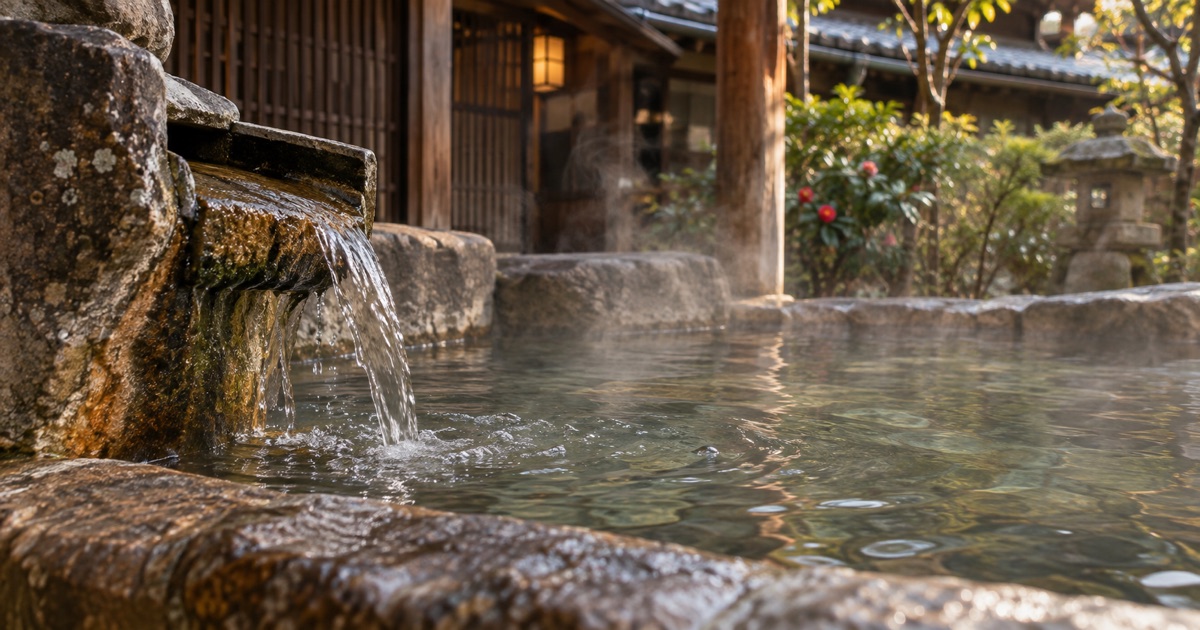
Otaru onsen refers to the variety of natural geothermal hot springs located in and around the historic port city of Otaru in Hokkaido, ranging from mountain retreats in Asarigawa Onsen to scenic seaside baths. Visitors can easily access these hot springs on a day trip or an overnight ryokan stay just 35 minutes by train from Sapporo.
While Otaru (小樽) is globally celebrated for its stone-brick canal warehouses, glass workshops, and music box museum, it is also a compelling hot spring destination. Whether you soak while overlooking the Ishikari Bay or nestle inside a quiet forested valley, here is everything you need to plan your bathhouse experience.
Understanding the Hot Spring Geography of Otaru
Hot spring waters in Otaru broadly fall into two main settings: coastal day-use baths near the urban core, and the dedicated mountain hot spring hamlet of Asarigawa Onsen (朝里川温泉).
Asarigawa Onsen: The Forest Valley Retreat
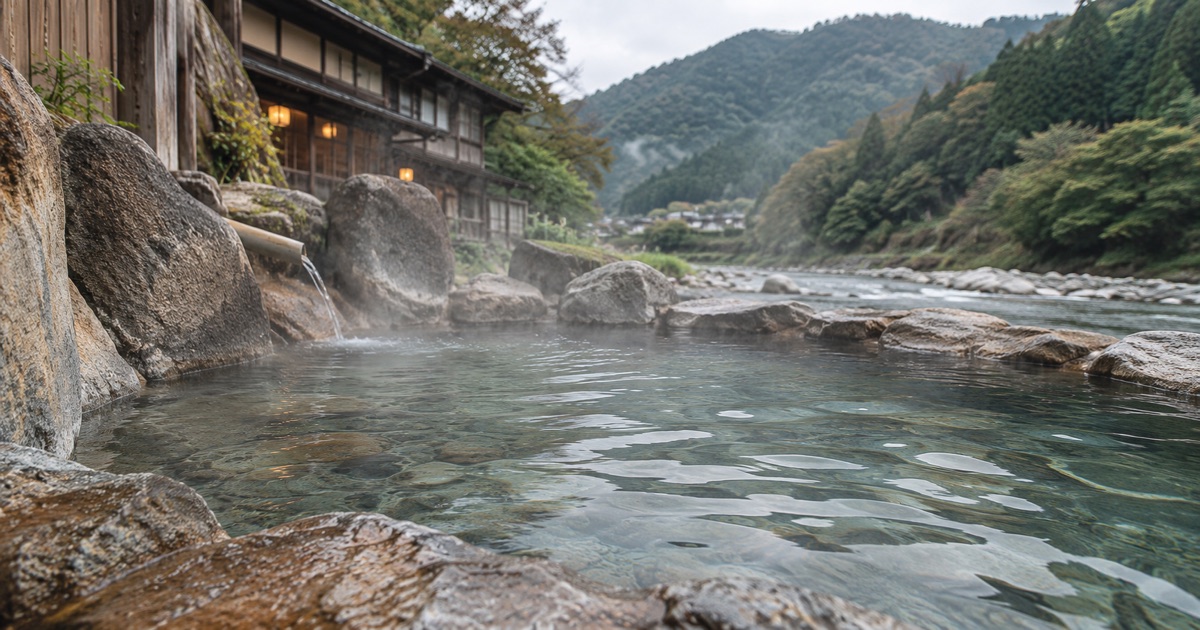
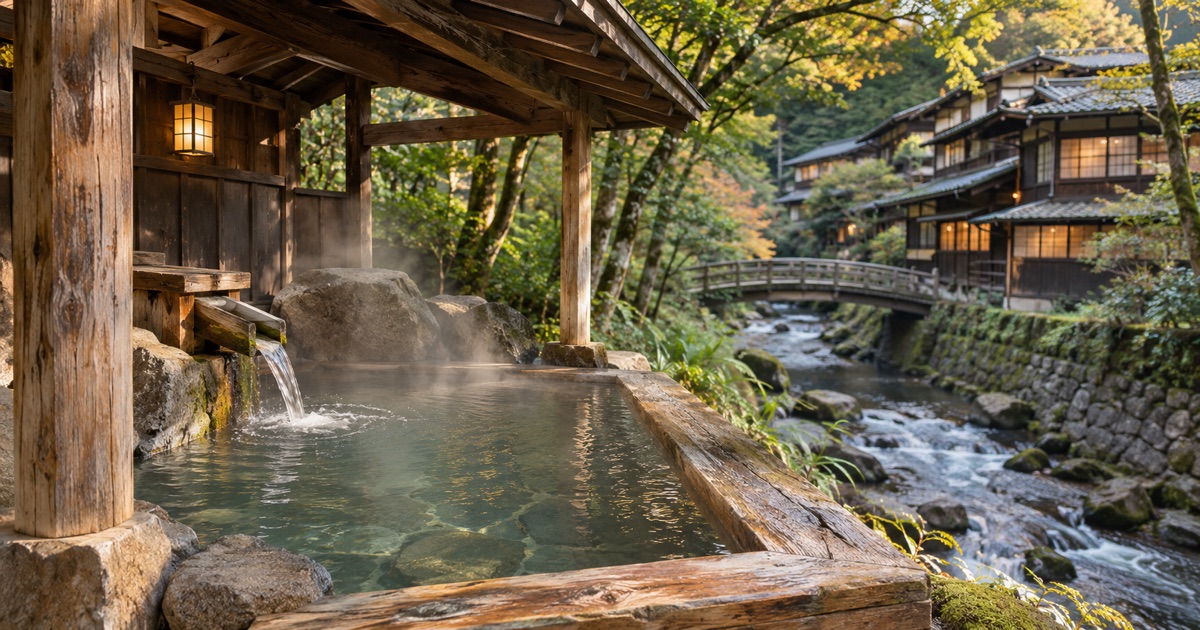
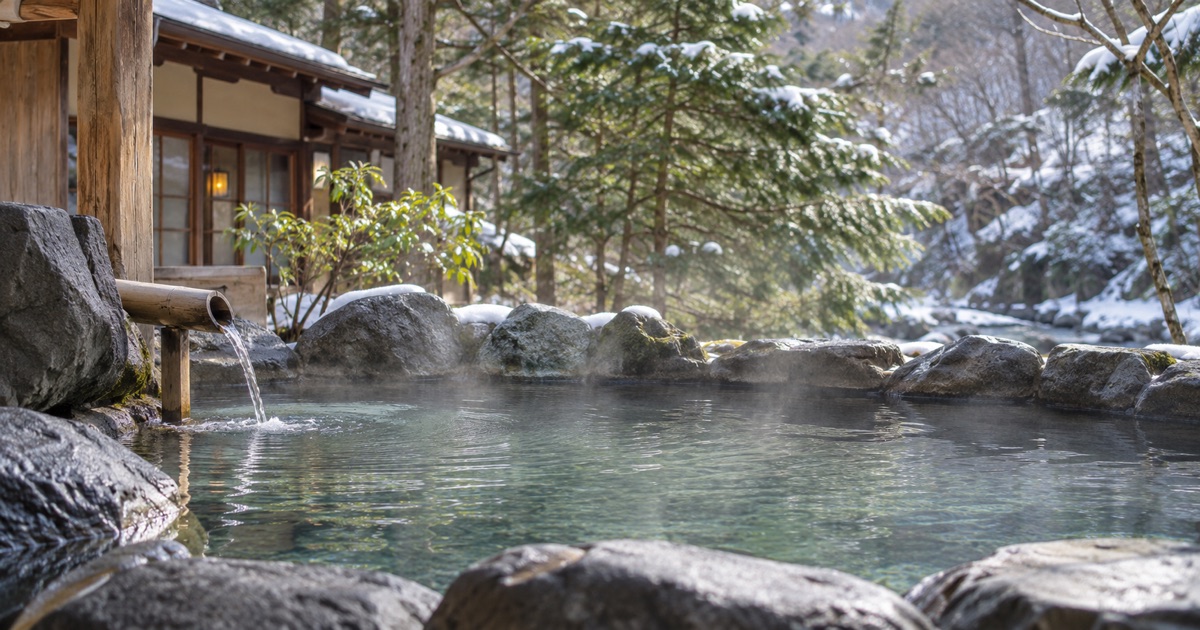
Asarigawa Onsen is situated along the Asari River at the base of Mount Asari. Located roughly 15 to 20 minutes by local bus or taxi south of Asari Station (朝里駅) or Otaru-Chikko Station (小樽築港駅), this district features traditional Japanese inns (ryokan), resort hotels, and quiet bathhouses surrounded by nature. In winter, it sits directly adjacent to the Asarigawa Onsen Ski Resort, allowing visitors to combine downhill skiing with outdoor hot spring soaking (rotenburo). In autumn, the riverbanks turn brilliant shades of red and gold.
Coastal and Urban Day Baths
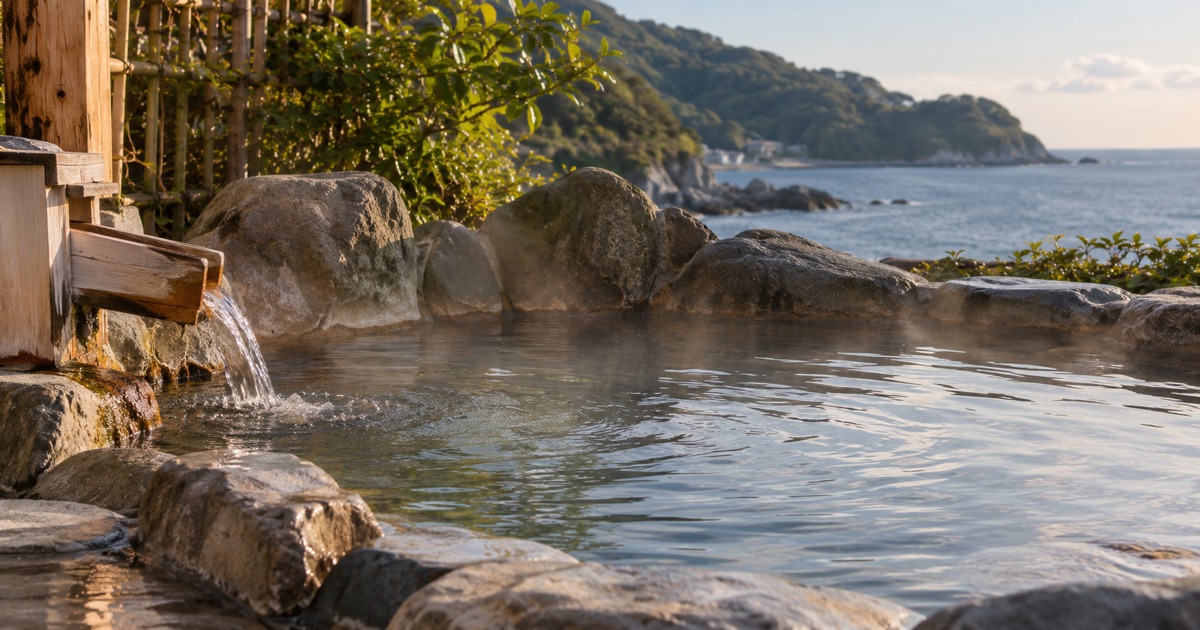
Closer to the harbor and central districts, several public bathing facilities and contemporary hotels tap natural thermal sources. These facilities often provide large panorama windows overlooking the Sea of Japan, giving bathers views of marine traffic and snow-capped shorelines during the colder months.
Top Onsen Areas and Facilities to Consider
When searching for the right bath, balance your itinerary between overnight pampering and short, efficient day-use stops.
Kuramure (蔵群)
Located in Asarigawa Onsen, Kuramure is one of Hokkaido's most celebrated boutique luxury ryokan. Blending traditional warehouse architecture with sleek modern design, the property features spacious indoor and outdoor stone baths surrounded by seasonal woodlands. Stays are generally all-inclusive with high-end kaiseki dining. While primarily reserved for overnight guests, it remains a bucket-list destination for travellers seeking architecture and privacy.
Otaru Furukawa (運河の宿 おたるふる川)
Situated directly across the street from the famous Otaru Canal (小樽運河), this charming, nostalgic inn offers natural onsen baths crafted from aged wood and river stone. It is one of the few places in central Otaru where you can step out of a hot spring bath and immediately stroll along gas-lit canal paths. Both overnight stays and limited day-use bathing packages are offered.
Yunohana Otaru (湯の花 手宮殿)
For a straightforward, authentic Japanese super-sento (large modern bathhouse) experience, Yunohana in the Temiya district is a popular local choice. Fed by natural hot springs, it features extensive facilities, including dry saunas, lie-down baths, herbal baths, and an expansive outdoor rock pool. It operates strictly as a walk-in day facility with casual dining areas and coin-operated massage chairs.

We are working to carry Japanese craft and everyday culture beyond Japan, by building Japan Towns with local partners.
Read the Japan Town plan →How to Get to Otaru from Sapporo
Reaching Otaru’s hot springs requires simple rail navigation on the Japan National Tourism Organization verified network.
- Board the JR Hakodate Line Rapid Airport or Section Rapid train from Sapporo Station (札幌駅).
- Ride westbound for roughly 35 to 40 minutes along the Ishikari Bay coast.
- Disembark at Otaru Station (小樽駅) for central canal baths, or Asari Station (朝里駅) for Asarigawa Onsen.
- Take a local Hokkaido Chuo Bus from the station bus terminal to reach your specific facility.
Regional trains operate frequently from morning until late night. Always verify current service patterns and station signage via JR Hokkaido.
Step-by-Step Onsen Etiquette
If you are a first-time visitor unfamiliar with Japanese public bathing, the rituals are simple and designed for shared hygiene and relaxation.
- Take off your outdoor shoes at the front entrance and place them in the shoe lockers.
- Buy your admission ticket at the front desk counter or the automated vending machine.
- Walk through the hanging curtain (noren): red or pink for women (女), blue for men (男).
- Remove all clothing in the locker room and lock your belongings in an assigned cubby.
- Take only your small modesty washcloth into the bathing area; leave large towels behind.
- Sit on a stool at a washing stall and scrub thoroughly before entering the communal bathwater.
- Tie long hair up and never let your small washcloth touch the shared bath water.
- Step into the mineral pools slowly, soaking silently without splashing, diving, or swimming laps.
- Wipe off excess water with your washcloth before stepping back onto the dry dressing room mats.
What to Bring and What to Expect
Most public day baths charge a small admission fee, generally between 600 and 1,500 JPY. Upscale ryokan day-use sessions may cost more. Prices, opening hours, and bus schedules change throughout the year, so confirm operating times on the specific facility's official website prior to your trip.
- Cash: Many automated ticket machines and shoe lockers in regional Hokkaido only accept 100-yen coins and 1,000-yen notes.
- Towels: Unlike luxury ryokan, public day baths rarely include towels in the base entry price. You can rent or purchase small face towels and large bath sheets at the counter for around 200 to 500 JPY, or bring your own from your hotel.
- Toiletries: Body wash, shampoo, and conditioner are standard in most bathing zones, but basic municipal baths may expect you to bring your own.
- Nudity: Bathing is done completely in the nude. Swimwear is not permitted in standard gender-segregated hot springs.
Tattoo Policies and Private Bath Options
Tattoo regulations in Japan remain strictly managed at the discretion of each property. While attitudes are shifting in international destinations, many traditional onsen in Hokkaido retain bans on body art of any size to avoid discomfort among traditional patrons.
- Check in Advance: Never assume a facility is tattoo-friendly. Always check the official website or ask the front desk (Irezumi wa daijoubu desu ka?).
- Waterproof Seals: If you have small, discreet tattoos, many facilities will permit entry provided the ink is completely covered using waterproof bandages or silicone patches.
- Kashikiri (Private Baths): If you have extensive sleeve or torso tattoos, your best option is booking a ryokan that features a private reservable bath (kashikiri-buro 貸切風呂) or choosing a guest room equipped with an attached private outdoor hot spring bath.
Avoiding Common Mistakes in Winter
Otaru experiences heavy snowfall from December through March. When visiting outdoor baths in sub-zero weather, keep the following tips in mind:
- Watch for Ice: Wet stone steps leading to outdoor baths (rotenburo) can form black ice in seconds. Walk slowly and use safety railings.
- Prevent Dizziness: Extreme temperature shifts between freezing winter air and 41°C (106°F) mineral water can cause sudden blood pressure changes. Pour warm water over your shoulders and chest using a wash basin before stepping completely into outdoor pools.
- Hydrate: Hokkaido’s indoor spaces are heavily heated. Drink water before entering the baths and immediately after finishing. Most facilities have free water dispensers outside the changing rooms.
- Transit Planning: Heavy snowstorms can delay regional buses serving Asarigawa Onsen. Allow ample buffer time if you need to catch a return flight from New Chitose Airport or an express train back to Sapporo.
===
FAQ
- Q. Can you do a day-use onsen trip to Otaru from Sapporo?
- A. Yes. Trains between Sapporo and Otaru run frequently, taking around 35 to 45 minutes, making it an easy half-day or full-day hot spring side trip.
- Q. Are tattoos allowed in Otaru onsen facilities?
- A. Policies vary widely by facility; some public baths strictly prohibit visible tattoos, while others permit them if covered with waterproof patches.
- Q. What is the main hot spring district in Otaru?
- A. The premier hot spring enclave within the city limits is Asarigawa Onsen (朝里川温泉), located in a forested valley roughly 15 to 20 minutes by bus from central Otaru.
Cite or share this article
Copy the link below. If you quote this article, please link to this page as the source.