Sagamihara Onsen Guide: Best Day Baths and Hot Springs
Key takeaways
- Sagamihara offers authentic hot springs and modern day-use bathhouses just an hour southwest of central Tokyo.
- Facilities range from mountain-view open-air baths near Lake Tsukui to convenient super sento close to train stations.
- Public hot springs require complete nudity in gender-separated baths, and tattoo policies vary strictly by venue.
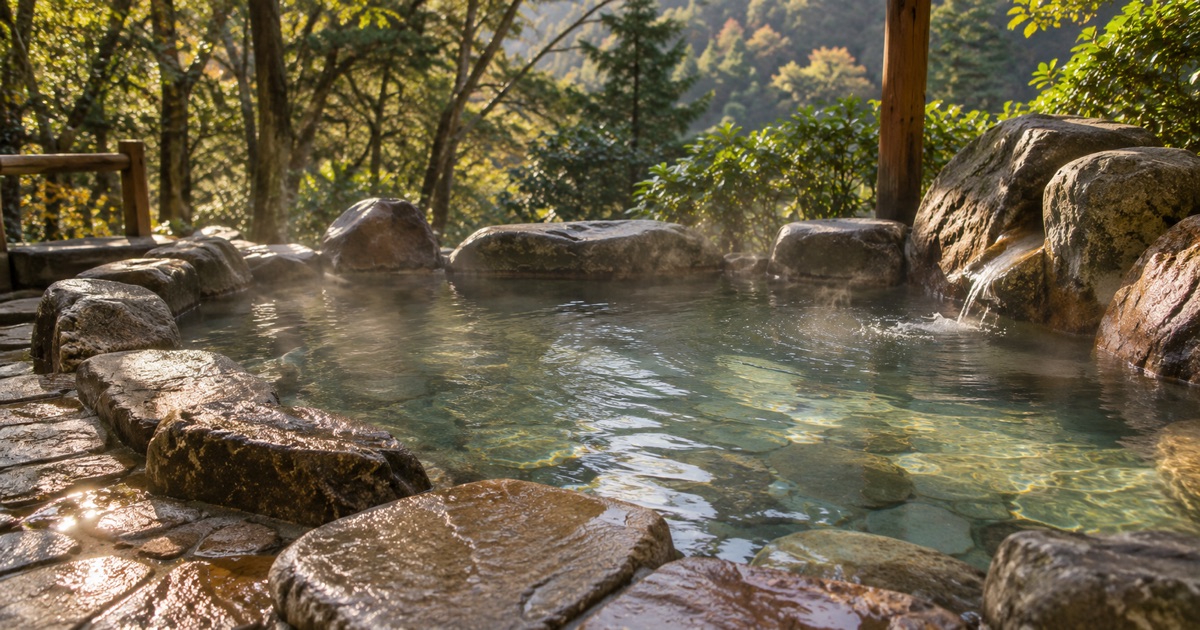
Sagamihara onsen facilities provide an ideal, accessible hot spring getaway located in northwestern Kanagawa Prefecture, just an hour from central Tokyo. Whether you seek scenic outdoor baths nestled in the forested hills around Lake Tsukui and Mount Jinba, or modern day-use "super sento" complexes near transit hubs, the city offers diverse mineral soaking options without requiring an overnight stay.
Visiting a bathhouse in Sagamihara (相模原) allows international travelers to experience genuine Japanese bathing culture without traveling deep into rural areas. This guide covers the best locations, transit options, costs, and essential cultural rules for first-time visitors.
Understanding the Bathing Culture in Sagamihara
Sagamihara spans a wide geographical area. The eastern side bordering Machida and Tokyo features lively suburban neighborhoods with large, amenity-rich bathhouses known as super sento. The western Midori Ward (緑区) stretches into lush valleys, lakes, and mountain ridges where natural hot spring waters (natural onsen) feed both rustic resort baths and community bathing halls.
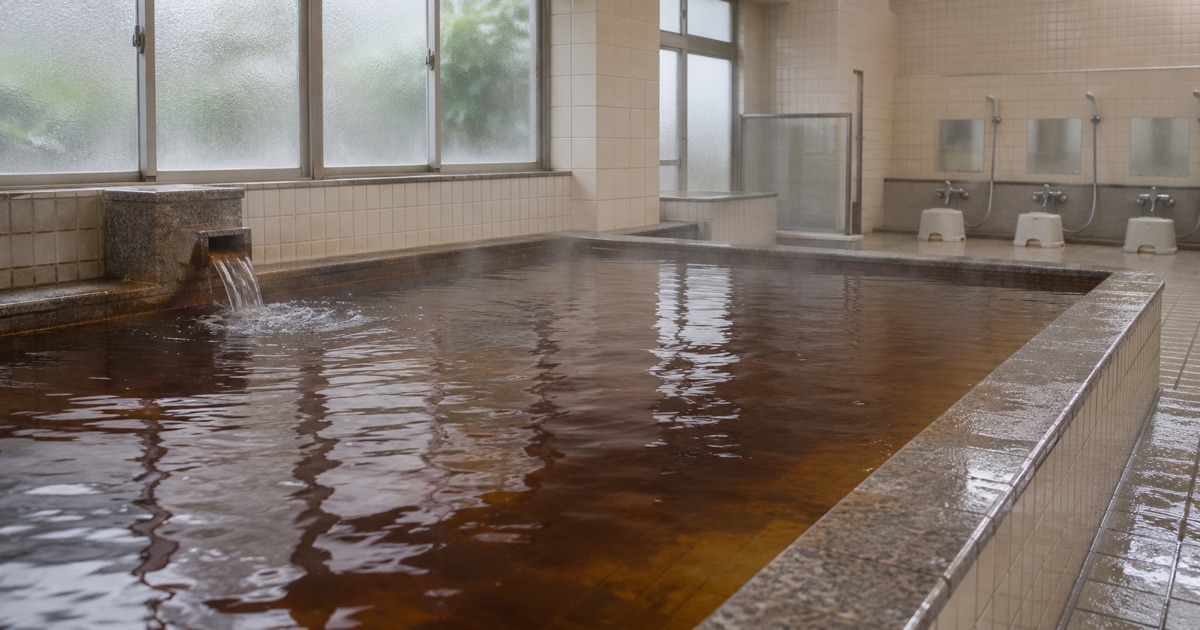
In Japan, facilities labeled as natural hot springs (tennen onsen, 天然温泉) draw mineral water pumped directly from geothermal aquifers. Many urban bathhouses in eastern Sagamihara also feature natural onsen water trucked in or drilled deep underground, complementing their carbonated micro-bubble pools, jet baths, and dry saunas.
Top Hot Springs and Bathhouses in Sagamihara
Sagamiko Onsen Ururi (さがみ湖温泉 うるり)
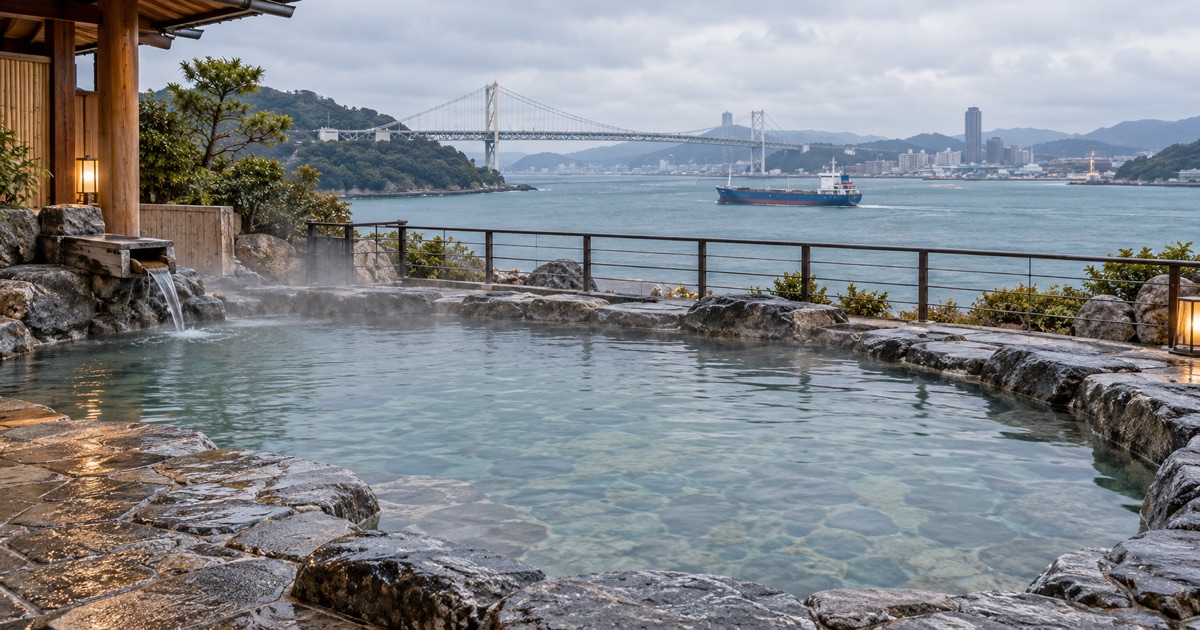
Located inside the Sagamiko Resort pleasure park area in Midori Ward, Sagamiko Onsen Ururi is one of the most popular regional day-use hot springs. It sits surrounded by forested foothills, offering spacious open-air baths (rotenburo, 露天風呂) where you can soak while looking out at seasonal greenery or winter illuminations.
The facility features alkaline simple springs that leave the skin feeling smooth, alongside high-concentration artificial carbonated baths, lying-down baths (nedayu), and steam saunas. After bathing, visitors can relax in expansive tatami resting areas or dine in the on-site restaurant serving local Kanagawa produce.
- Nearest Hub: JR Sagamiko Station (相模湖駅) on the Chuo Line. From there, take a local Kanagawa Chuo Kotsu bus for roughly 10 minutes to the resort entrance.
Fujino Yamanami Onsen (藤野やまなみ温泉)
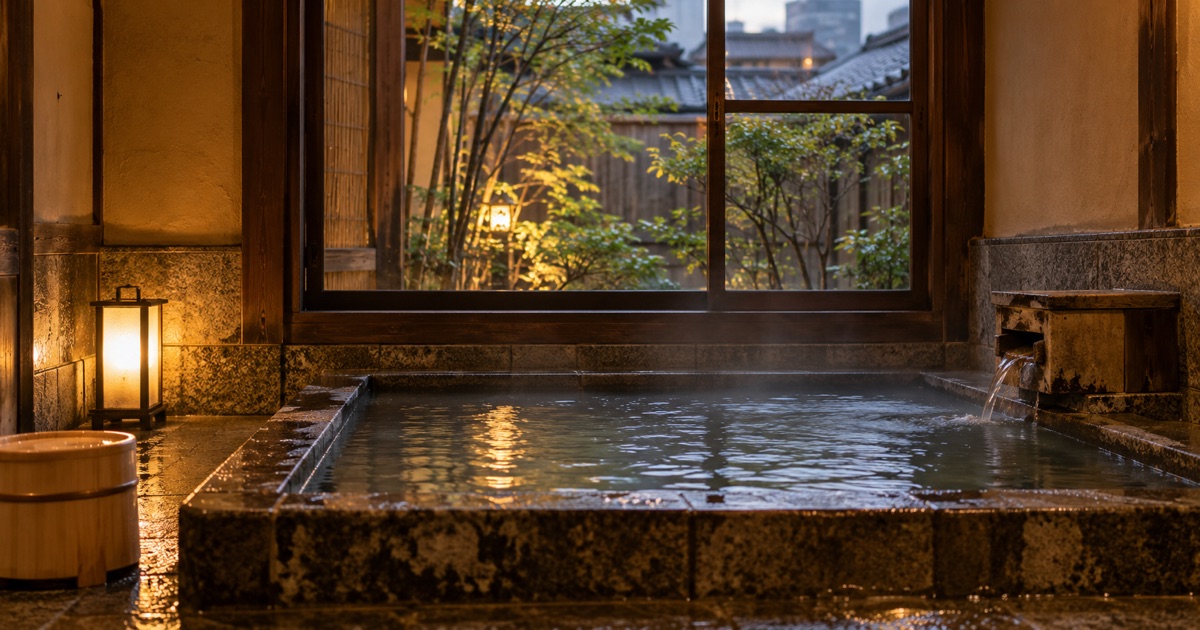
For a rural, mountain-village atmosphere, Fujino Yamanami Onsen in the far western part of Sagamihara delivers a classic Japanese community hot spring experience. This facility uses 100% natural thermal water rich in minerals, featuring indoor granite pools and outdoor rock baths overlooking tranquil hillsides.
Because it is operated with a focus on local community wellness, it offers a peaceful, unhurried environment far removed from city crowds.
- Nearest Hub: JR Fujino Station (藤野駅) on the Chuo Main Line. A local municipal bus connects the station to the bathhouse in approximately 15 minutes.
Natural Onsen Yuraku no Sato Sagamihara (天然温泉 湯楽の里 相模原店)
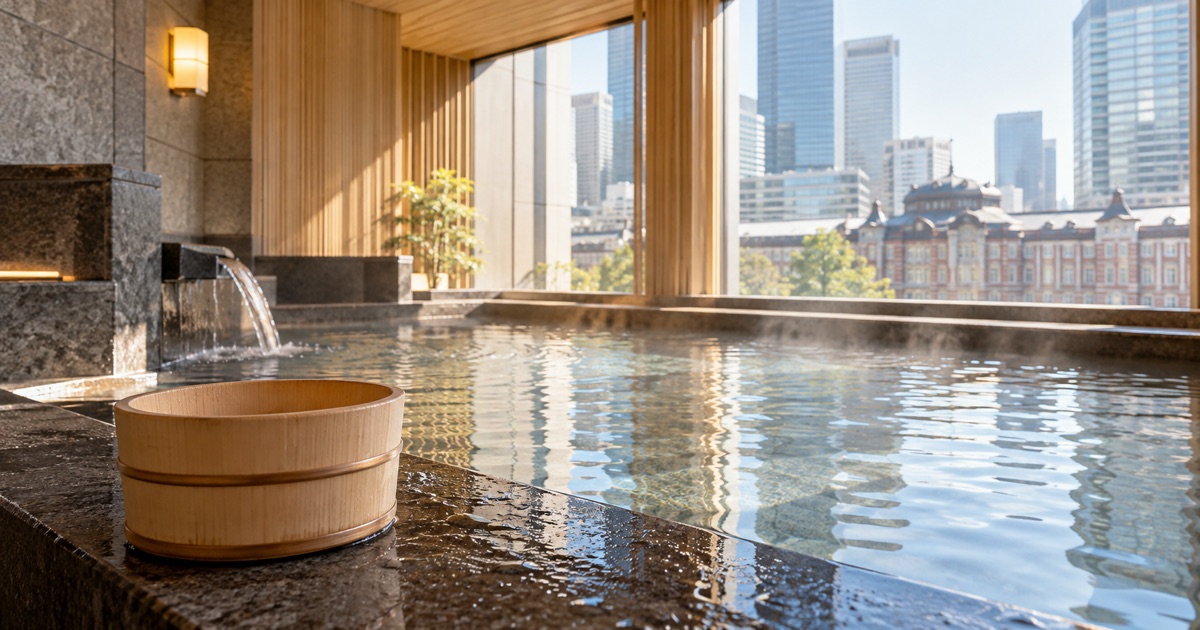
If you are staying closer to eastern Sagamihara or Hashimoto, Yuraku no Sato provides an authentic natural onsen experience within an urban day-use complex. Drawing natural thermal spring water from deep below the Kanto plain, this facility offers extensive outdoor rock baths, whirlpools, salt saunas, and relaxation lounges with reclining chairs.
It serves as a practical, easy-to-reach stop after a day of hiking around nearby trails or shopping near Hashimoto.
- Nearest Hub: JR Sagamihara Station or Hashimoto Station (橋本駅). Local city buses stop within a short walking distance of the facility.
We are working to carry Japanese craft and everyday culture beyond Japan, by building Japan Towns with local partners.
Read the Japan Town plan →How to Get to Sagamihara from Tokyo
Reaching Sagamihara is straightforward using Tokyo’s extensive rail network. Check route options and transit passes through JR East before your trip, as train lines differ depending on which side of the city you visit:
1. To Central/Eastern Sagamihara (Hashimoto / Sagamihara Stations):
- Take the Keio Line Semi-Special Express or Limited Express from Shinjuku Station directly to Hashimoto Station (roughly 40 to 45 minutes).
- Alternatively, take the JR Yokohama Line from Yokohama Station or Machida Station directly into Sagamihara Station.
2. To Western Sagamihara (Lake Sagami / Fujino areas):
- Take the JR Chuo Line Rapid from Shinjuku Station to Takao Station, then transfer to the JR Chuo Main Line local train to Sagamiko Station or Fujino Station (total travel time roughly 60 to 75 minutes).
If you are planning regional travel across Kanagawa, tourism details and regional transit passes are outlined by the Japan National Tourism Organization.
First-Time Visitor Guide: Step-by-Step
Navigating a Japanese day-use bathhouse without reading Japanese is simple once you understand the standard sequence:
- Shoe Lockers: Remove your shoes immediately inside the front entrance. Place them in a free shoe locker, lock it, and keep the key with you.
- Admission and Payment: Present your shoe locker key at the reception desk or purchase an admission ticket from a vending machine near the door. Machine buttons often have English labels or picture icons. At some facilities, your locker key acts as an electronic wallet for vending machines and meals inside.
- Changing Room Entry: Walk through the gender-segregated noren curtains. Red or pink curtains marked 女 (onna) indicate women; blue or navy curtains marked 男 (otoko) indicate men.
- Undressing: Place all clothing, jewelry, watches, and large items into a clothes locker. Lock it and loop the key bracelet securely around your wrist or ankle. Complete nudity is mandatory in Japanese communal baths; swimwear is not permitted.
- Washing Station First: Take only your small modesty towel into the bathing area. Before entering any bath, sit down at a wash station. Use the provided body wash and shampoo to scrub clean and rinse off completely. Never stand while showering, as spray can hit other guests.
- Soaking: Step slowly into the baths. Never submerge your hair or small towel into the water. Fold the damp towel on top of your head or set it on the dry stone edge. Keep conversations at a low volume.
- Drying Off: Before stepping back into the carpeted locker room, wipe off as much water as possible using your small towel to prevent wet floors.
Costs and What to Bring
Typical Pricing
- Admission: Entry fees generally range from 800 yen to 1,500 yen for adults. Weekend and holiday rates are typically higher than weekday rates.
- Towel Rental: Renting a face towel and bath towel set costs roughly 200 to 400 yen. To save money, you can bring your own towels from your hotel.
- Sauna Add-ons: Some facilities charge an additional 200 to 500 yen for specialized thermal loungers or bedrock bath (ganbanyoku) areas.
- Locker Coins: Keep several 100-yen coins in your pocket. Many shoe and clothes lockers require a 100-yen deposit, which is refunded when you unlock the door.
Note: Operating hours, maintenance closures, and pricing can change at any time. Always consult the official website of the specific facility before visiting.
Common Mistakes to Avoid
- Entering without washing: Submerging into the bath without scrubbing your entire body first violates basic onsen rules and causes discomfort to other guests.
- Letting towels touch bathwater: Even clean towels harbor laundry detergents and fibers. Keep your small towel entirely outside the water.
- Bringing phones into changing areas: Using smartphones, cameras, or electronic devices inside locker rooms or bathing zones is strictly forbidden to protect personal privacy.
- Ignoring tattoo guidelines: Tattoo policies vary across facilities. While some community baths or private rooms tolerate body ink, large super sento venues frequently turn away guests with visible tattoos. If you have small tattoos, purchase waterproof adhesive flesh-toned patches to cover them entirely before entering. When in doubt, check the specific bathhouse policy beforehand or book a facility with reservable private family baths (kashikiri-furo, 貸切風呂).
FAQ
- Q. Can you visit a hot spring in Sagamihara as a day trip from Tokyo?
- A. Yes, Sagamihara is accessible in roughly 40 to 70 minutes from major hubs like Shinjuku via the Keio or JR lines.
- Q. Are tattoos allowed in Sagamihara onsen?
- A. Many traditional bathhouses prohibit visible tattoos, though some venues permit small designs covered with waterproof patches.
- Q. What should you bring to a day-use bathhouse in Sagamihara?
- A. Bring a small hand towel and a bath towel, or rent them on-site, along with 100-yen coins for shoe and locker deposits.
Cite or share this article
Copy the link below. If you quote this article, please link to this page as the source.