Saitama Onsen: A First-Timer's Guide to Hot Springs Near Tokyo
Key takeaways
- Saitama onsen facilities are typically 30-90 minutes from central Tokyo by train, making them realistic for a half-day or evening trip.
- Most visitors use day-use onsen (日帰り温泉) rather than overnight ryokan, so no reservation is usually required beyond checking hours online.
- Tattoo and bathing-suit policies vary by facility; always check the official website before you go rather than assuming a blanket rule.
Saitama Onsen: What First-Time Visitors Need to Know
Saitama Prefecture has a number of hot spring facilities within roughly 30 to 90 minutes of central Tokyo, most of them designed for day-use rather than overnight stays. This makes Saitama a practical option if you want to try an onsen without committing to a full ryokan trip or a long journey out of the city.
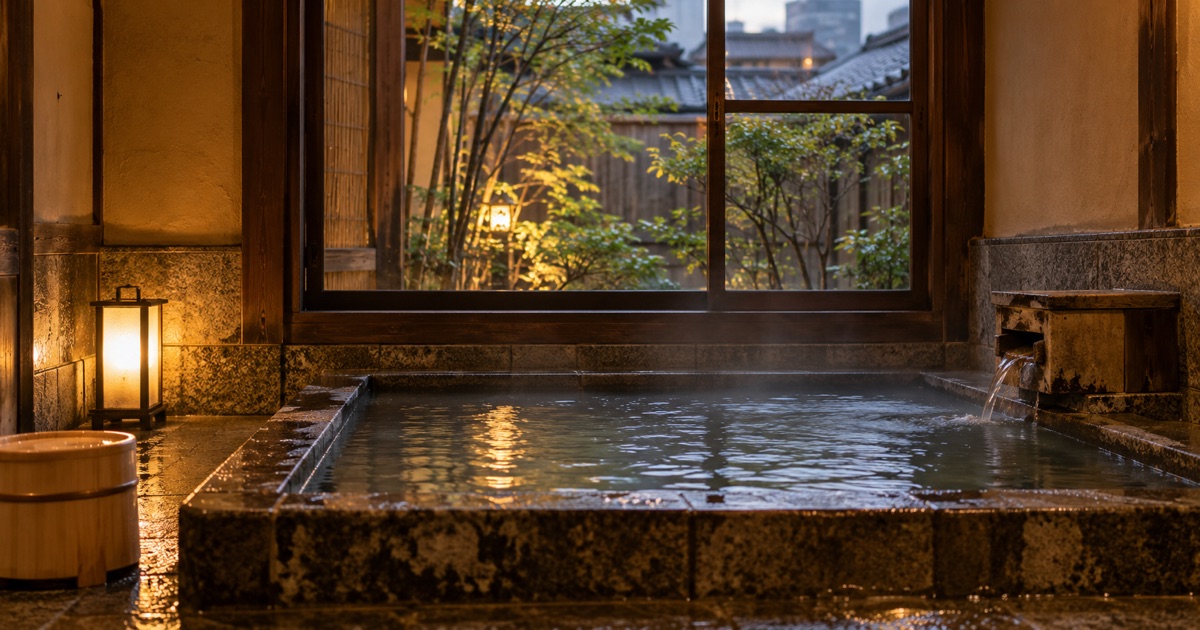
Unlike famous onsen towns such as Hakone or Kusatsu, Saitama's hot springs are less about scenic townscapes and more about convenience: modern bathhouses, often with saunas, outdoor baths, and sometimes meal areas, built to serve both locals and day-tripping visitors from Tokyo. For a first-time visitor without a hotel booking already set in an onsen town, this is a low-commitment way to experience Japanese bathing culture.
Why Choose Saitama Over Hakone or Nikko
Saitama's main advantage is proximity. While Hakone and Nikko are popular day-trip destinations from Tokyo, they often involve transfers between multiple train lines and can take two hours or more each way. Several Saitama facilities, by contrast, sit close to stations on commuter lines, meaning less travel time and more time actually soaking.
This also makes Saitama a sensible choice if your schedule is tight, if you're combining the onsen with other plans in Tokyo the same day, or if you simply want to sample a day-use onsen before deciding whether to invest in a longer onsen-town trip elsewhere in Japan.
Getting to Saitama Onsen Facilities
Saitama Prefecture is served by several train lines running north from Tokyo, including lines operated by JR East. Travel times vary significantly depending on which part of Saitama you're heading to and which Tokyo station you start from, so always check a route-planning app or the relevant railway's website for current times before you go.
As a rough guide:
- From central Tokyo stations, many parts of Saitama are reachable in well under an hour by direct or near-direct trains.
- Some onsen facilities are a short walk from the nearest station; others require a local bus or taxi, so check the facility's access page in advance.
- If you're using a rail pass for a wider Japan trip, confirm whether it covers the specific line you need, since coverage differs by pass and operator.
Because schedules and routes can change, treat any travel time mentioned here as a rough estimate rather than a guarantee, and double-check against the JR East website or a journey planner on the day of travel.
What to Bring
Day-use onsen facilities in Japan generally expect you to bring or rent the following:
- A small towel for washing and a larger towel for drying off. Many facilities rent or sell towels if you forget, but don't assume this is free.
- Coins or cash, since some older facilities and lockers are not fully set up for card payment.
- Hair ties if you have long hair, as hair touching the bath water is generally discouraged.
- A swimsuit only if explicitly allowed. Most traditional onsen baths are bathing-suit-free and single-gender, but a small number of mixed or family-style facilities permit swimwear. Never assume; check the facility's own website first.
Basic Onsen Etiquette
Japanese onsen etiquette is fairly consistent nationwide, and Saitama facilities follow the same general rules:
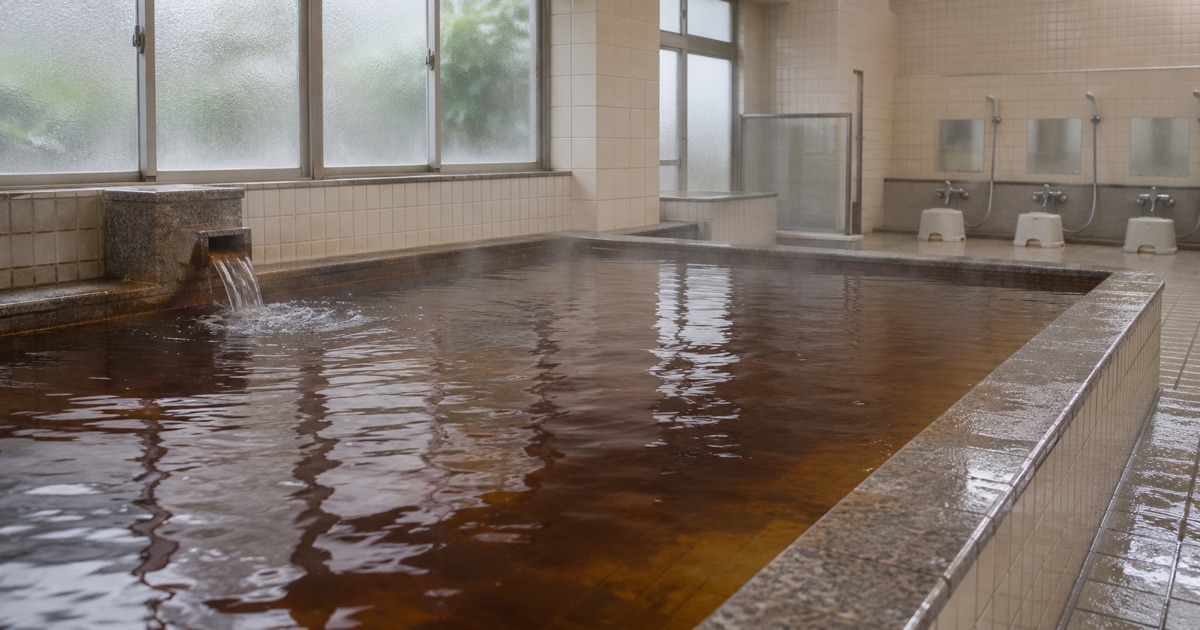
- Wash before entering the bath. Showers or wash stations are provided; rinse off thoroughly before stepping into the shared water.
- Keep your towel out of the water. Most visitors fold their small towel and place it on their head or beside the bath.
- Don't swim or splash. The bath is for soaking quietly, not active swimming.
- Tie up long hair. This keeps the shared water clean for everyone.
- Stay hydrated and take breaks. Step out if you feel too warm; there's no need to stay in continuously.
A common mistake among first-time visitors is wearing a swimsuit into a traditional single-gender bath, which can draw attention or go against house rules. Another is bringing a large towel into the bathing area itself rather than leaving it in the changing room.
Tattoos and Onsen in Saitama
Tattoo policies are set individually by each onsen facility, not by national law, and they vary widely. Some Saitama facilities prohibit visible tattoos entirely, some allow them if covered with a waterproof sticker or patch, and a growing number are tattoo-friendly, particularly facilities aimed at a broader day-use crowd.
Because policies change and are not standardized, the only reliable approach is to check the specific facility's official website or contact them directly before visiting. If a facility doesn't mention tattoos on its website, it's reasonable to call ahead or ask at the front desk rather than assume either way.
Choosing a Day-Use Onsen in Saitama
When comparing facilities, consider:
- Access: How far is it from the nearest station, and is there a shuttle bus or is it walkable?
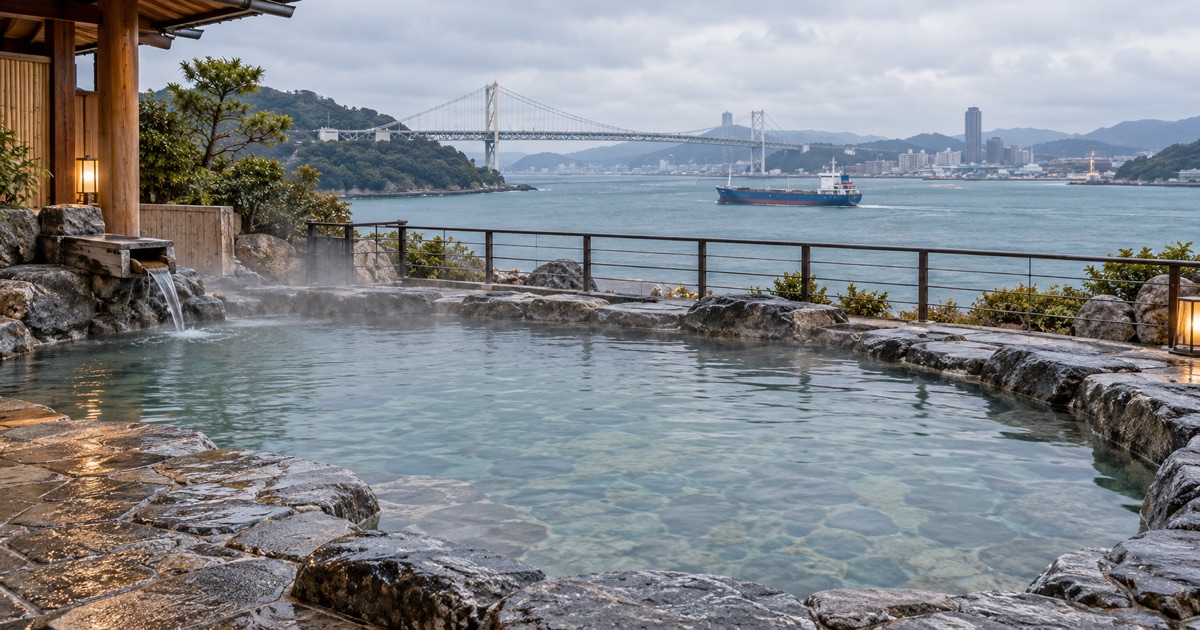
- Bath variety: Indoor baths, outdoor (rotenburo) baths, and saunas are common additions worth checking for if that matters to you.
- Facilities: Some locations include rest areas, food courts, or massage services, which can turn a short visit into a half-day outing.
- Hours and pricing: These change seasonally and are best confirmed on the facility's own website shortly before your visit, rather than relying on older blog posts or review sites.
Planning Your Visit
A realistic plan for a first-time visitor is to treat the onsen as the centerpiece of a half-day or evening outing rather than a full-day trip, unless you're combining it with other sightseeing in the same area of Saitama. Check train times in both directions before you leave, since the last return trains on some lines may be earlier than expected for visitors used to Tokyo's late-night services.
If you're new to Japan's rail system generally, the Japan National Tourism Organization website has general guidance on transport and travel planning that's useful background before your trip.
Summary
Saitama's day-use onsen facilities offer a practical, low-commitment way to experience Japanese hot springs within roughly an hour of Tokyo. Confirm hours, access, and tattoo or swimsuit policies directly on each facility's website before you go, since these details vary by location and change over time.
FAQ
- Q. Can I visit a Saitama onsen as a day trip from Tokyo?
- A. Yes. Many facilities are reachable within roughly an hour by train from central Tokyo, making a half-day or evening visit realistic without staying overnight.
- Q. Do I need to book in advance?
- A. Most day-use onsen do not require reservations, but it's worth checking the facility's own website for current hours, closures, and any busy-period rules.
- Q. Are tattoos allowed in Saitama onsen?
- A. Policies differ by facility. Some ban visible tattoos, some allow them with a cover sticker, and some are tattoo-friendly. Check each facility's website beforehand.
Cite or share this article
Copy the link below. If you quote this article, please link to this page as the source.