Gifu Onsen Guide: Best Hot Springs, Towns & Travel Tips
Key takeaways
- Gero Onsen offers classic riverside resort bathing with easy direct train access from Nagoya on the JR Takayama Line.
- Okuhida Onsen-go features five rustic mountain hamlets with stunning Northern Alps outdoor baths accessible by highway bus.
- Most day-use baths charge roughly JPY 500 to JPY 1,500; tattoo rules vary, making private baths a reliable alternative.
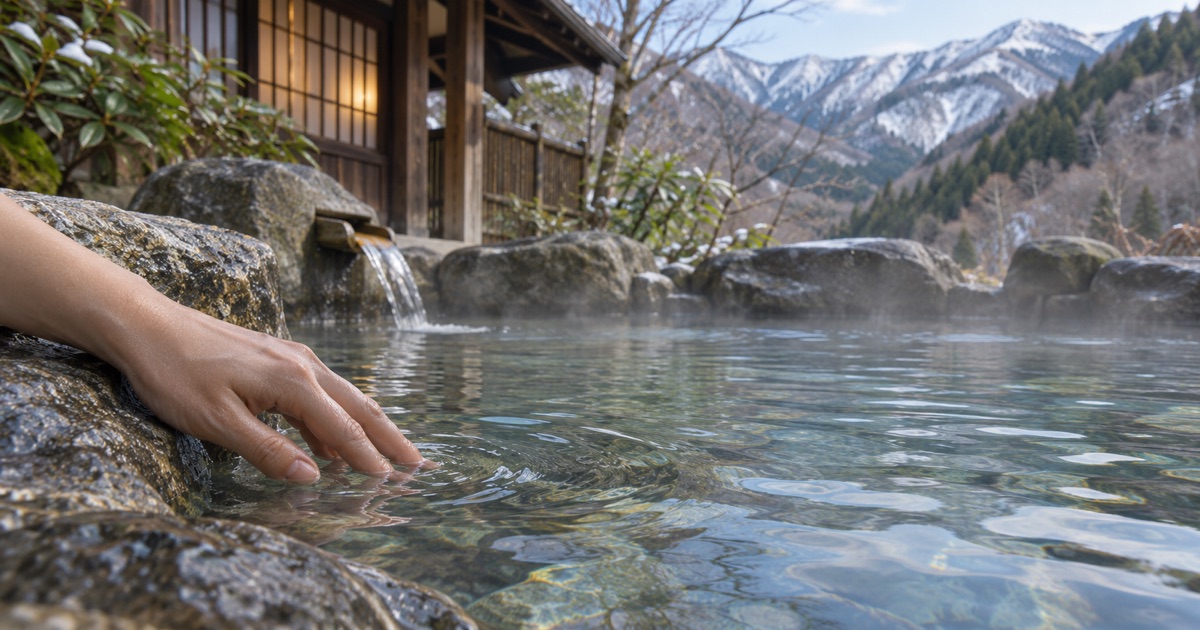
Gifu Prefecture is home to some of central Japan's most celebrated hot spring destinations, ranging from the historic riverside resort of Gero Onsen to the rugged, snow-capped alpine baths of Okuhida Onsen-go. Whether you seek a convenient day trip from Nagoya or an immersive mountain ryokan stay in the Japanese Alps, Gifu offers an ideal hot spring retreat.
Planning a trip to an onsen town in a mountainous region can feel overwhelming if you do not speak or read Japanese. This practical guide covers Gifu's premier hot spring areas, step-by-step transit details, local etiquette, and essential planning advice for first-time international visitors.
Top Onsen Destinations in Gifu
Gifu's dramatic geography creates distinct geothermal micro-climates. The two primary regions attracting onsen travelers are Gero in the central river valleys and Okuhida in the high northern mountains.
Gero Onsen (下呂温泉)
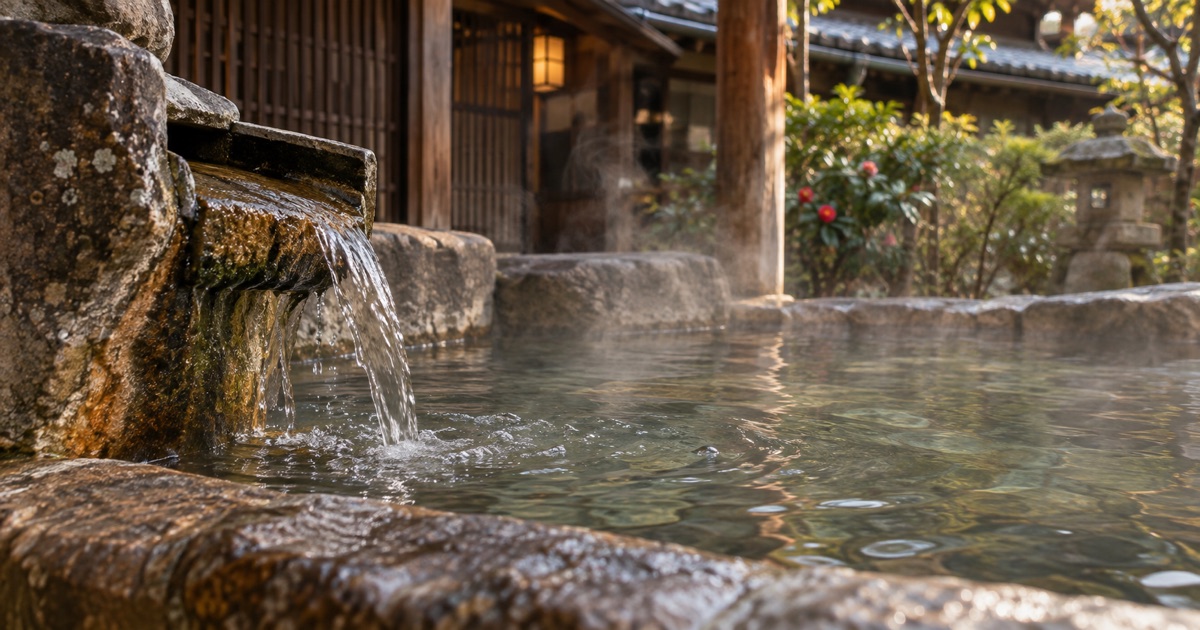
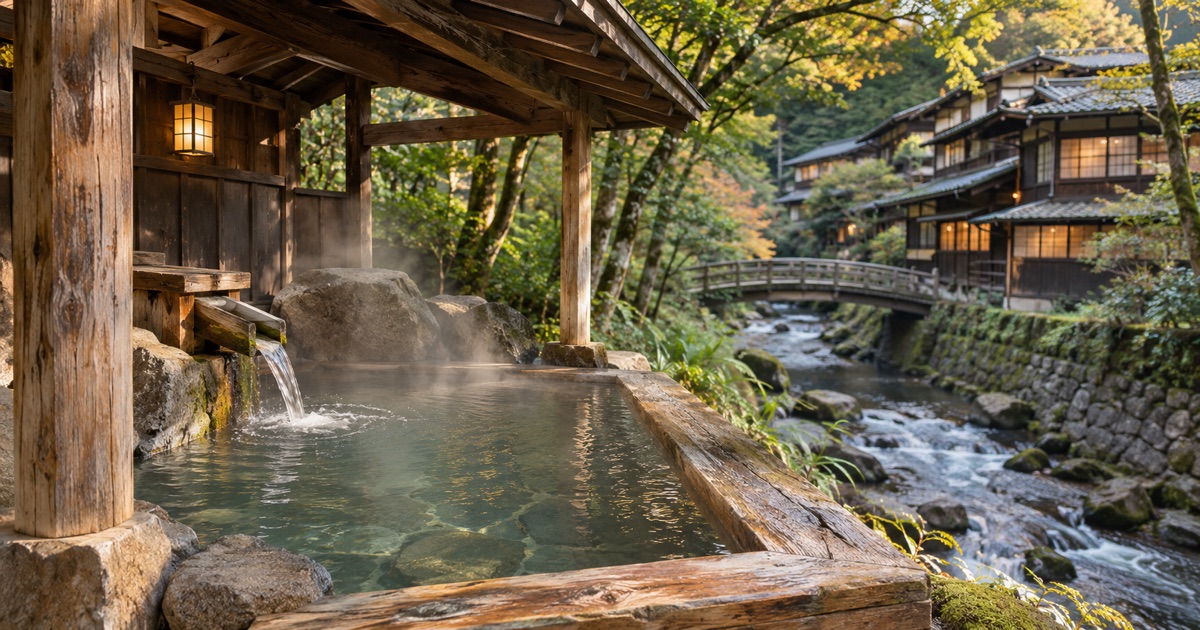
Ranked alongside Arima and Kusatsu as one of Japan's three historic famous hot springs, Gero Onsen sits along the scenic Hida River. The town features a blend of grand traditional inns, modern hotels, and public bathing spots.
- Atmosphere: A walkable resort town where visitors stroll in lightweight cotton kimonos (yukata) and wooden clogs (geta). Footbaths (ashiyu) are scattered along the riverbanks and stone pathways.
- Water Character: The water is clear, alkaline, and known for its smooth, silky texture on the skin.
- The Yumeguri Tegata (湯めぐり手形): Gero offers a wooden spa pass that grants entry to select participating baths across town. These wooden passes cost around JPY 1,300 to JPY 1,500 and are available at local convenience stores, the tourist information center, and participating hotels.
Okuhida Onsen-go (奥飛騨温泉郷)
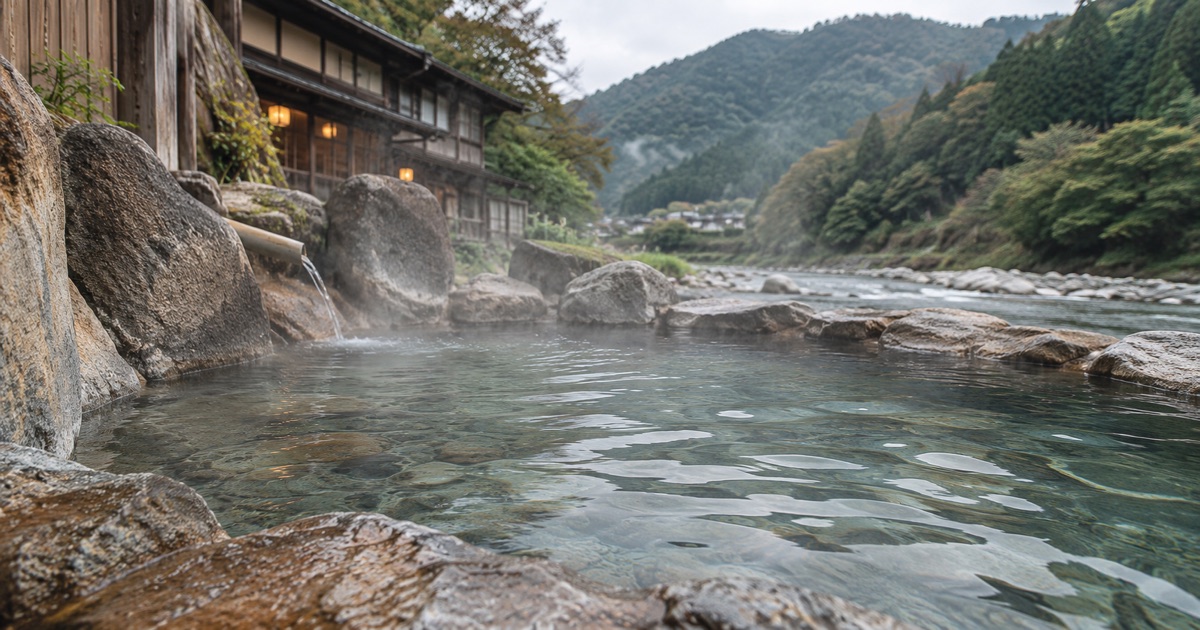
Nestled deep in the Northern Japan Alps near Mount Hotaka, Okuhida Onsen-go consists of five distinct hamlets: Hirayu, Shin-Hirayu, Shin-Hotaka, Fukuji, and Tochio.
- Hirayu Onsen (平湯温泉): The oldest hamlet and the transport crossroads for regional highway buses. It offers a variety of rustic public bathhouses and mid-sized inns.
- Shin-Hotaka Onsen (新穂高温泉): Located at the foot of the Shinhotaka Ropeway, famous for riverside open-air baths (rotenburo) with sweeping alpine views.
- Fukuji, Shin-Hirayu, and Tochio: Smaller, tranquil villages featuring thatched-roof farmhouse inns, secluded mountain streams, and quiet walking trails.
Minor Hot Spring Hubs
If your travel itinerary takes you elsewhere in Gifu, consider these smaller bathing spots:
- Nagara River Onsen (長良川温泉): Located in Gifu City along the Nagara River, beneath historic Gifu Castle. The mineral-rich water has a reddish-brown, iron-heavy color.
- Hida Takayama Onsen (飛騨高山温泉): Many ryokan within the historic merchant town of Takayama pipe natural spring water into their indoor and outdoor baths, making it a convenient base after sightseeing.
How to Get to Gifu Onsen
Reaching Gifu's hot springs requires navigating rail lines and regional mountain buses. Nagoya Station serves as the primary transit gateway for travelers arriving from Tokyo, Kyoto, or Osaka via the Tokaido Shinkansen operated by JR Central.
Travelling to Gero Onsen
- By Train: From Nagoya Station (名古屋駅), board the JR Limited Express Hida (Wide View). The train takes roughly 90 to 100 minutes to reach Gero Station (下呂駅). The Japan Rail Pass covers this route.
- Navigating the Station: Gero Station is compact. English signage directs you toward the main exit. Most major ryokan run complimentary shuttle vans meeting arriving express trains; check your hotel confirmation for pick-up details.
Travelling to Okuhida Onsen-go
- Via Takayama: Take the JR Limited Express Hida from Nagoya Station to Takayama Station (高山駅), which takes about 2 hours and 20 minutes.
- Bus Transfer: Exit Takayama Station and walk to the adjacent Takayama Nohi Bus Center. Purchase a ticket for the Nohi Bus bound for Shinhotaka Ropeway.
- Transit Times: The bus ride from Takayama to Hirayu Onsen takes around 60 minutes, while reaching Shin-Hotaka takes roughly 90 minutes. Highway buses run on set seasonal schedules, so verify departures at the bus terminal counter.
For comprehensive regional route planning, refer to transit guides on the official website of the Japan National Tourism Organization.
We are working to carry Japanese craft and everyday culture beyond Japan, by building Japan Towns with local partners.
Read the Japan Town plan →Onsen Etiquette for First-Time Visitors
Public bathing in Japan follows precise cultural conventions designed to keep shared water clean.
- Undress Completely: Enter the changing room, remove all footwear at the entrance if required, and place all clothing, accessories, and large towels into the provided baskets or lockers. Bathing suits are strictly prohibited in traditional public baths.
- Wash Before Soaking: Walk into the bathing area carrying only your small washcloth. Head directly to the washing stalls equipped with stools, handheld showerheads, shampoo, and body soap. Sit down to wash and rinse thoroughly before stepping into any communal pool.
- Keep Towels Out of the Water: Do not submerge your modesty towel in the bath. Place it on your head, set it on a dry rock nearby, or place it on the pool ledge.
- Dry Off Before Re-entering the Locker Room: Squeeze excess water from your washcloth and wipe down your body before stepping back onto the changing room mats to prevent slip hazards.
Essential Packing List and Practical Tips
What to Bring
- Cash (JPY): Ticket vending machines at day-use baths and rural bus stops often do not accept credit cards or digital payments. Carry small bills (JPY 1,000) and coins (JPY 100).
- A Small Towel: While luxury ryokan provide towels in your room, day-use bathhouses (sotoyu) charge extra (roughly JPY 200 to JPY 400) to rent or buy hand towels.
- Slip-on Shoes: You will change shoes frequently at ryokan entryways, hot spring lobbies, and dressing rooms.
- Plastic Bag: Useful for carrying damp washcloths back to your hotel.
Navigating Tattoo Policies
In Japan, many hot spring facilities maintain rules restricting visible tattoos due to historical associations with organized crime. However, attitudes are evolving.
- Public Municipal Baths: Policies differ by facility. Some allow small tattoos if covered with waterproof flesh-colored patches, while others refuse entry entirely.
- Private Bath Rentals (Kashikiri / 貸切風呂): If you have large, visible tattoos, reserve an inn with private family baths or a guest room with an attached outdoor bath. These spaces are completely private, allowing you to bathe without policy concerns. Always review the specific property's website or contact them directly before arrival.
Day-Use vs. Overnight Stays
- Day-Use Bathing (Higaeri Onsen / 日帰り温泉): Most bathhouses and select ryokan open their baths to non-staying guests for a modest fee, typically ranging from JPY 500 to JPY 1,500. Day-use hours are usually restricted to early afternoon windows (for example, between 11:00 and 15:00), making it essential to confirm operating hours in advance.
- Ryokan Stays: Staying overnight provides access to morning and late-night baths, along with multi-course kaiseki dinners featuring regional specialties like Hida beef and local mountain vegetables.
Common Mistakes to Avoid
- Rushing the Connection in Takayama: If transferring from the train to the Nohi Bus at Takayama, allow at least 20 to 30 minutes between arrival and bus departure to purchase tickets, use restrooms, and locate your boarding bay.
- Assuming Public Transit Runs Late: Mountain buses in the Okuhida region stop running in the early evening. Missing the final bus can leave you stranded with expensive taxi fares as your only option.
- Walking on Tatami Mats in Slippers: Ryokan supply indoor slippers for wooden hallways. Step out of these slippers before entering any guestroom floor covered in woven tatami mats.
- Ignoring Winter Weather: Okuhida and Takayama experience heavy snowfall from December through March. Wear insulated, water-resistant boots with reliable traction to navigate icy walkways around outdoor baths. Always confirm road conditions and public transit operation during winter storms.
FAQ
- Q. Which is better to visit, Gero Onsen or Okuhida Onsen-go?
- A. Choose Gero Onsen if you want easy rail access, historic ryokan, and vibrant footbaths. Pick Okuhida for rustic outdoor mountain scenery and quiet alpine nature.
- Q. Can people with tattoos use hot springs in Gifu?
- A. Policies vary by facility. Some public baths prohibit visible tattoos, while others allow waterproof patches. Booking a ryokan with a private rental bath (kashikiri) avoids issues.
- Q. How do you get to Gifu onsen towns from Tokyo or Osaka?
- A. Take the Tokaido Shinkansen to Nagoya Station, then transfer to the JR Hida Wide View limited express train toward Gifu's onsen destinations.
Cite or share this article
Copy the link below. If you quote this article, please link to this page as the source.