Niigata Onsen Guide: Best Hot Springs, Towns, and Access
Key takeaways
- Echigo-Yuzawa is only about 70 to 80 minutes from Tokyo via the Joetsu Shinkansen, making it an easy day trip.
- Top hot spring areas range from mountain ski hubs like Yuzawa and Myoko to coastal spots like Senami Onsen.
- Most baths require complete nudity, and tattoo policies vary, so always confirm rules with each facility beforehand.
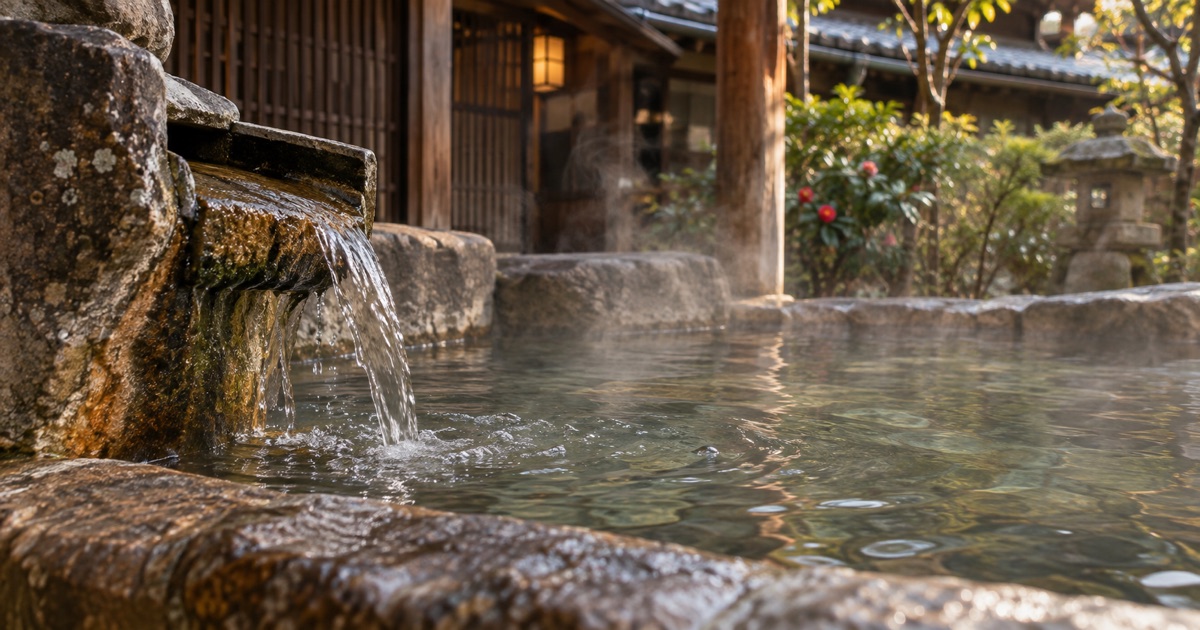
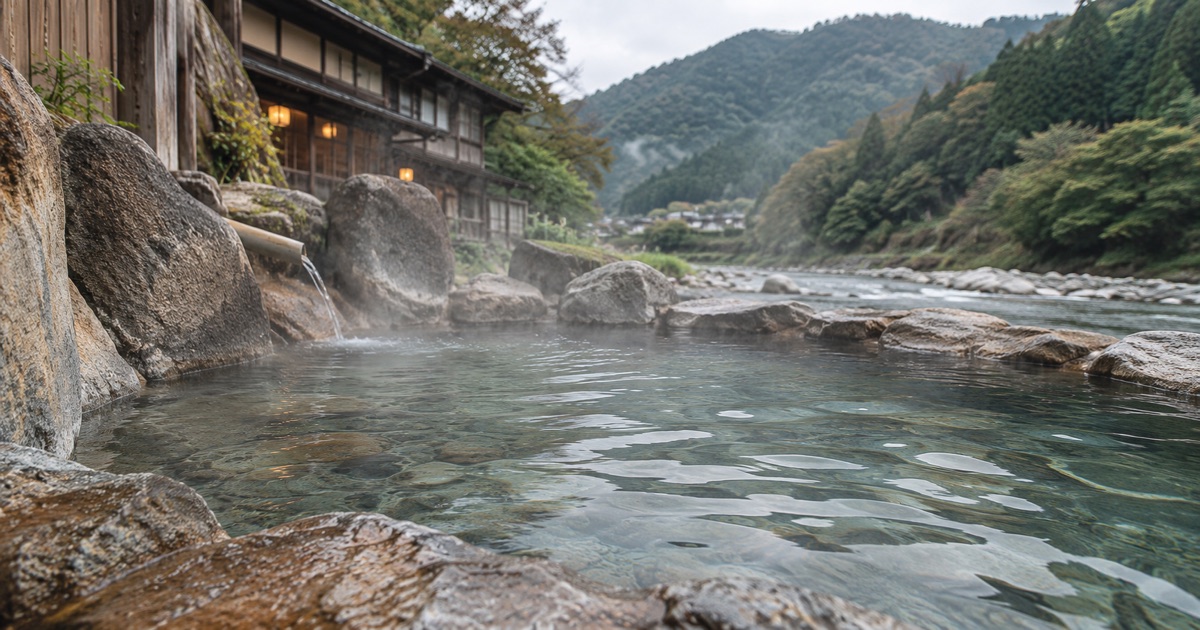
Niigata Prefecture is one of Japan's premier hot spring destinations, offering everything from high-altitude alpine baths overlooking snowy ski slopes to coastal mineral springs along the Sea of Japan. Located along the western coast of Honshu, Niigata onsen towns are easily accessible from Tokyo by high-speed bullet train, making them ideal for both quick weekend getaways and relaxed rural retreats.
Whether you seek the historic literary bathhouses of Echigo-Yuzawa, the striking emerald-green sulfur waters of Tsukioka, or the dramatic ocean sunsets of Senami, Niigata provides a diverse range of traditional thermal bathing options.
Top Onsen Towns in Niigata Prefecture
Niigata's geography stretches from rugged mountain ranges down to coastal plains, creating distinct microclimates and mineral water profiles across its major hot spring districts.
Echigo-Yuzawa Onsen (越後湯沢温泉)
Echigo-Yuzawa serves as the primary gateway to Niigata's hot spring country. Immortalized in Yasunari Kawabata's famous novel Snow Country, this town blends classic ryokan inns with modern ski resorts. Because the bullet train stops directly in the center of town, you can step off the platform and be soaking in a bathhouse within minutes.
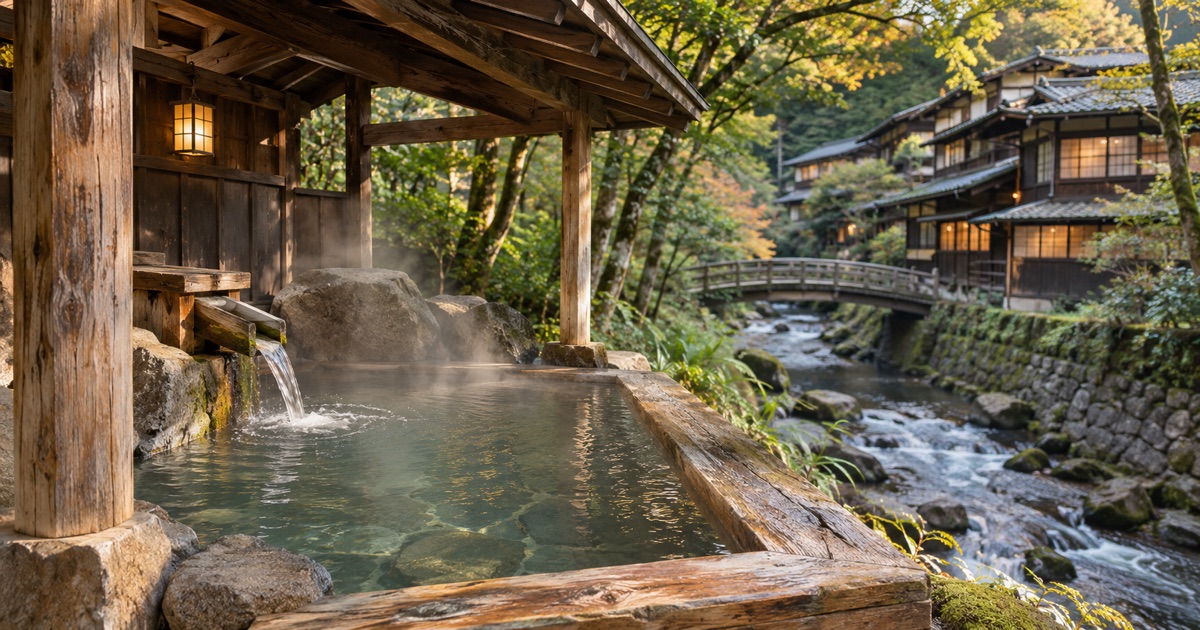
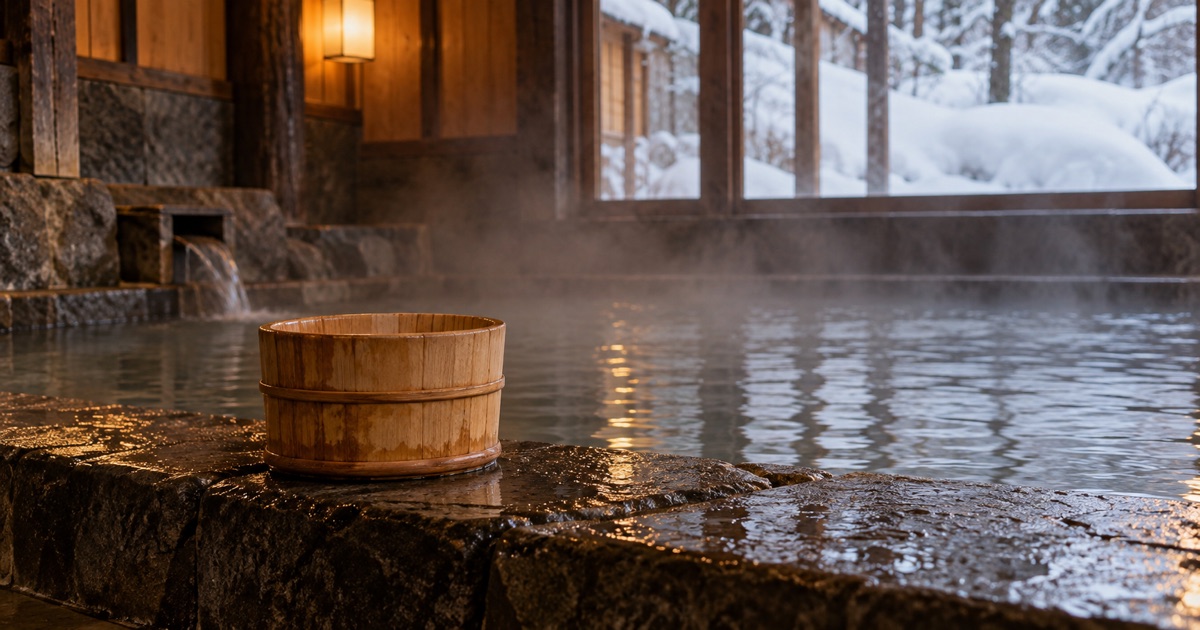
The town features several public bathhouses, known as sotoyu (外湯), scattered across the neighborhoods, along with traditional inns offering panoramic mountain views. In winter, soaking in an open-air bath (rotenburo, 露天風呂) while snow falls around you is the quintessential Echigo-Yuzawa experience.
Tsukioka Onsen (月岡温泉)
Located in Shibata City northeast of Niigata City, Tsukioka Onsen is renowned for its vivid, emerald-green sulfur water. The spring water here has a distinctive aroma and leaves a silky sensation on the skin.
Tsukioka is designed as a highly walkable onsen village. In the evening, the streets are illuminated by soft lanterns, and visitors stroll between footbaths, craft beer tasting rooms, local confectionery shops, and sake-sampling boutiques wearing traditional cotton yukata robes.
Myoko Onsen Area (妙高温泉郷)
Nestled around the slopes of Mount Myoko, this collection of hot spring hamlets includes Akakura Onsen (赤倉温泉), Ikenotaira, and Myoko Onsen. Fed by volcanic springs, these baths are deeply tied to winter sports and mountain hiking. If you want to combine powder skiing or backcountry trekking with rustic, mineral-heavy outdoor baths, the Myoko area is an exceptional base.
Senami Onsen (瀬波温泉)
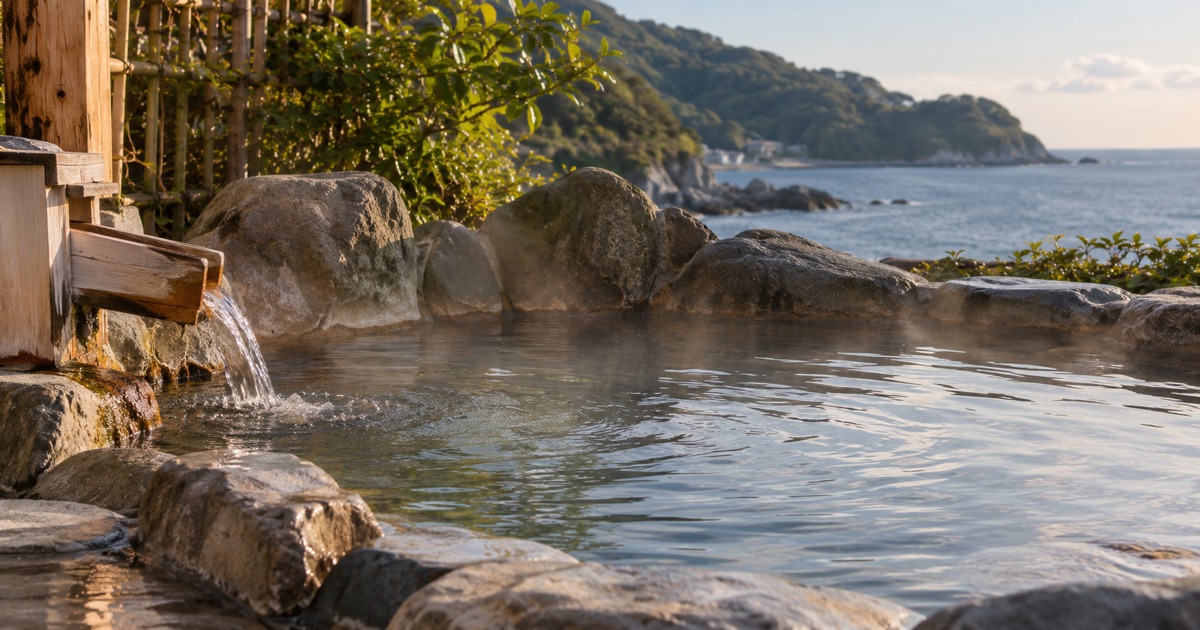
Perched directly on the coast in northern Murakami City, Senami Onsen provides a completely different atmosphere from the snowy alpine resorts. Established along the shoreline of the Sea of Japan, many baths here look directly west, offering front-row views of coastal sunsets over the water. Murakami is also celebrated for its traditional salt-cured salmon and local beef, making it an appealing destination for culinary-focused travelers.
How to Get to Niigata Onsen from Tokyo
Reaching Niigata's thermal springs is straightforward thanks to Japan's extensive rail network.
- To Echigo-Yuzawa: Take the JR Joetsu Shinkansen from Tokyo Station directly to Echigo-Yuzawa Station (越後湯沢駅). The ride takes roughly 70 to 85 minutes.
- To Tsukioka: Take the Joetsu Shinkansen from Tokyo Station to Niigata Station (around 100 to 120 minutes). From Niigata Station, transfer to the JR Hakushin Line to Toyosaka Station (豊栄駅), where local shuttle buses or taxis connect to Tsukioka in roughly 20 minutes.
- To Myoko: Take the JR Hokuriku Shinkansen from Tokyo Station to Nagano Station or Joetsumyoko Station, then connect via local regional railways such as the Echigo Tokimeki Railway to Myoko-Kogen Station (妙高高原駅). Total travel time is usually around 2.5 to 3 hours.
- To Senami: From Tokyo, take the Joetsu Shinkansen to Niigata Station, transfer to the JR Uetsu Main Line limited express train to Murakami Station (村上駅), and take a short taxi or local bus ride (around 10 minutes) to the beachside ryokan district.
For foreign passport holders, rail travel in this region can often be covered by regional passes. Check route conditions, seat reservations, and passes via the official JR East portal before departure.
We are working to carry Japanese craft and everyday culture beyond Japan, by building Japan Towns with local partners.
Read the Japan Town plan →What to Bring and What to Expect
If you are visiting a Japanese onsen for the first time, knowing what to pack and understanding the facility layout eliminates uncertainty.
Packing Essentials
- Small washcloth / modesty towel: Bring a small, thin cotton towel (roughly hand-towel size). Most facilities provide or sell these for around 200 to 300 yen. You use this to wash your body at the washing stations and to cover yourself when walking between the changing area and the water.
- Large bath towel: Keep this in your locker or changing basket to dry off completely after you finish bathing and return to the dressing room.
- Cash (100-yen coins): While larger ryokan accept credit cards, many public day-use bathhouses and station lockers require cash. Shoe lockers and clothes lockers often require a 100-yen coin deposit that is returned when unlocked.
- Hair tie: Long hair must be tied up securely so it never touches the bathwater.
Step-by-Step Onsen Etiquette
Hot springs in Japan follow communal bathing customs designed to keep the shared water pristine.
- Remove your footwear: Take off your shoes at the entrance (genkan, 玄関) and place them in a shoe locker or on the shelves provided.
- Purchase your entry ticket: Day-use baths often use an automated vending machine near the door. Hand your ticket to the front desk attendant.
- Enter the correct changing room: Look for the fabric curtains (noren, 暖簾). Red or pink curtains marked with the character 女 (onna) designate the women's bath; blue curtains marked with 男 (otoko) designate the men's bath.
- Undress completely: Remove all clothing, including swimwear and underwear, in the dressing area. Place everything inside a basket or locker. You may only carry your small modesty towel into the bathing area.
- Wash thoroughly before soaking: Walk directly to the row of shower stalls before stepping into any bath. Sit on the small plastic stool, lather your body with soap, wash your hair, and rinse away all suds thoroughly.
- Enter the water slowly: Submerge your body into the mineral bath. Never take your towel into the water; fold it and rest it on your head or place it on the stone ledge beside the bath.
- Dry off before re-entering the dressing room: Use your small towel to wipe off excess water from your body before stepping back onto the changing room mats to keep the floor dry for others.
Tattoo Policies and Private Bath Options
Tattoo policies in Niigata vary widely from one location to another. Historic public municipal baths and traditional ryokan may enforce strict prohibitions on visible ink. However, progressive hotels and modern facilities frequently allow guests with small tattoos to enter if the ink can be concealed using waterproof flesh-colored patches.
If you have extensive body art, or if you simply prefer privacy, look for facilities offering kashikiri (貸切風呂, private reservable baths) or book a ryokan room featuring a private open-air bath (rotenburo-tsuki kyakushitsu, 露天風呂付き客室). Many inns allow non-staying day-use guests to rent private family baths by the hour for a modest additional fee (often ranging from 2,000 to 4,000 yen per session). Always review the individual bathhouse or ryokan website in advance to confirm their specific rules.
Common Mistakes to Avoid
- Entering the water with soap: The mineral pools must remain unsoiled. Always rinse every trace of soap and shampoo from your body before entering the pool.
- Dipping your towel in the bath: Towels harbor lint and soap residue. Keep your washcloth out of the hot spring water at all times.
- Treating the bath like a swimming pool: Splashing, diving, and swimming are strictly forbidden. The onsen environment is intended for quiet soaking and quiet contemplation.
- Taking photos or videos: Phones, cameras, and recording devices are strictly prohibited inside all changing rooms and communal bathing areas to protect visitor privacy.
- Forgetting to hydrate: Thermal mineral springs can be quite hot, often hovering between 40°C and 43°C (104°F to 109°F). Drink water before and after your bath, and limit individual soaks to 10 to 15 minutes at a time to avoid lightheadedness.
For broader travel planning, regional safety advisories, and transit connections across Japan, consult the Japan National Tourism Organization resource pages.
FAQ
- Q. How far is Niigata's hot spring country from Tokyo?
- A. Echigo-Yuzawa Station is roughly 70 to 85 minutes from Tokyo Station on the Joetsu Shinkansen line.
- Q. Can people with tattoos use onsen in Niigata?
- A. Rules depend on each facility. Some allow small covered tattoos, while others restrict all body art, making private rental baths the safest choice.
- Q. What is the best season to visit Niigata for hot springs?
- A. Winter offers classic snowy outdoor bathing, while autumn features vibrant foliage, but onsen facilities remain open year-round.
Cite or share this article
Copy the link below. If you quote this article, please link to this page as the source.