Hakodate Onsen Guide: Best Baths and Yunokawa Tips
Key takeaways
- Yunokawa Onsen sits right on the coast, just a 15-minute tram ride from central Hakodate and 10 minutes from the airport.
- Both traditional ryokan stays and affordable day-use baths (higaeri onsen) operate across the Hakodate area.
- Facilities maintain strict nudity and varying tattoo policies, so confirm specific house rules before booking.
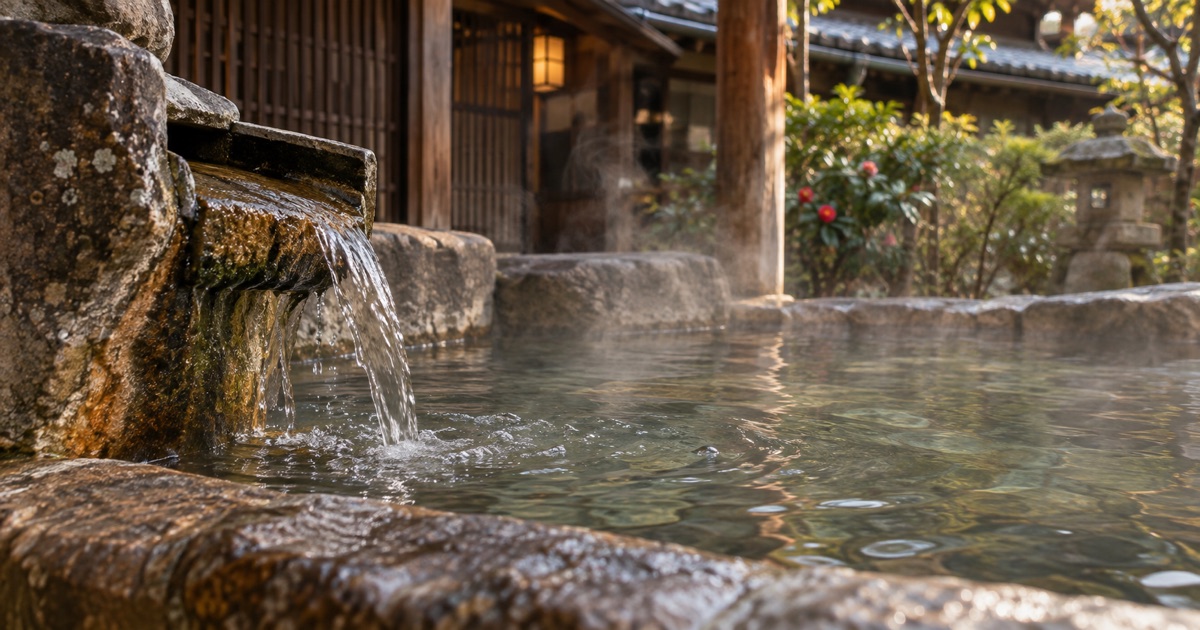
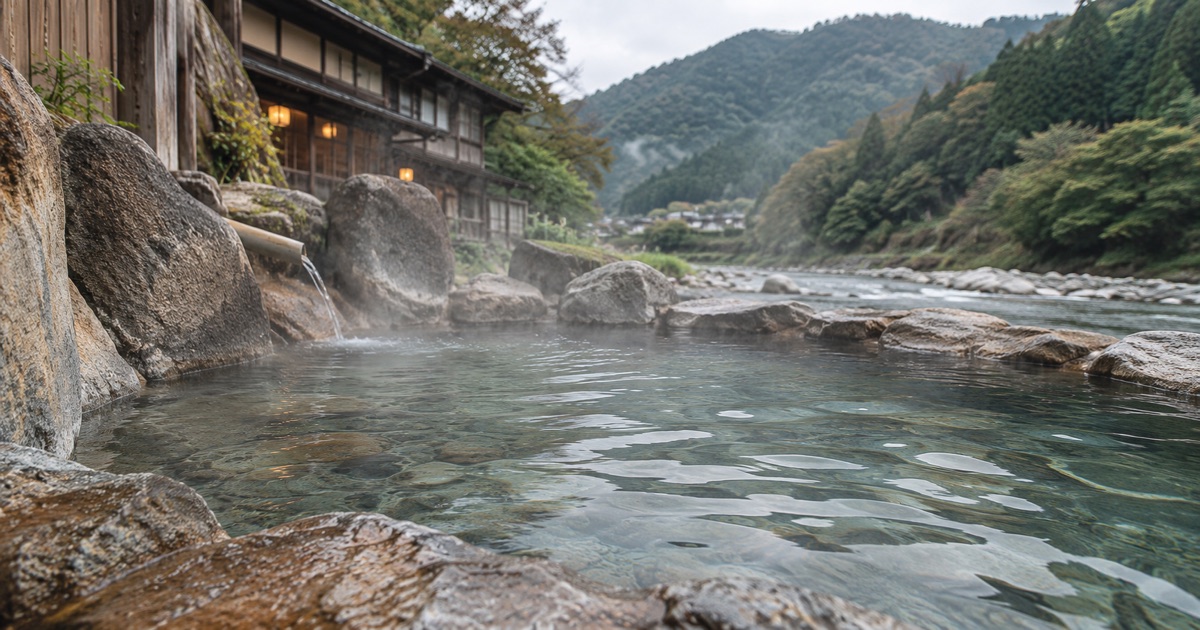
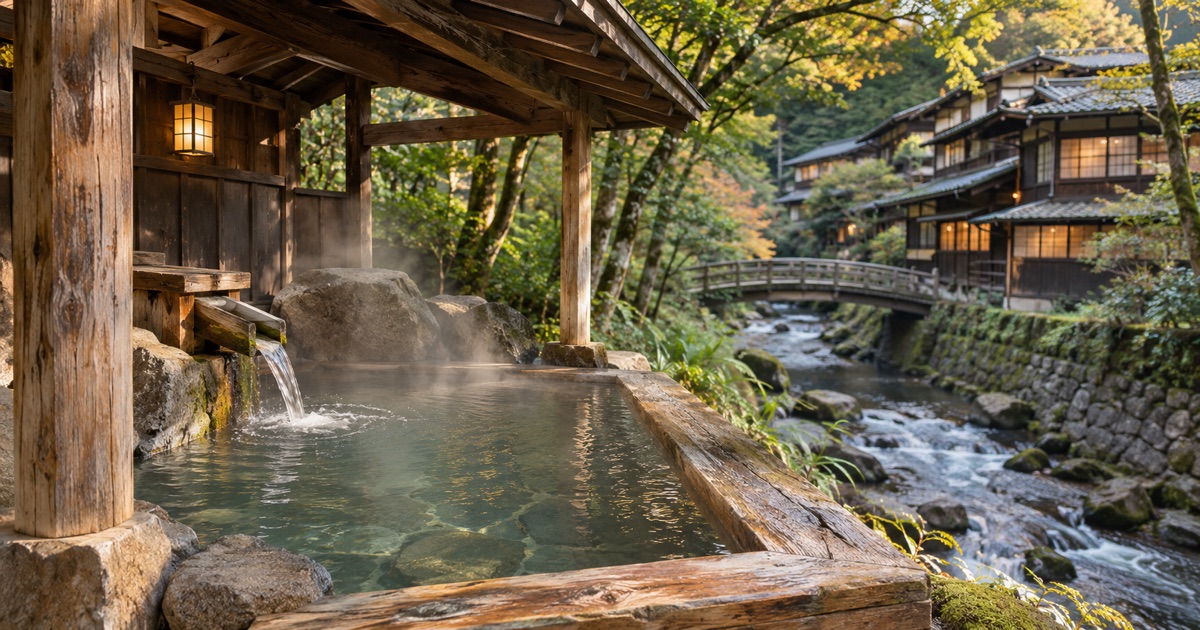
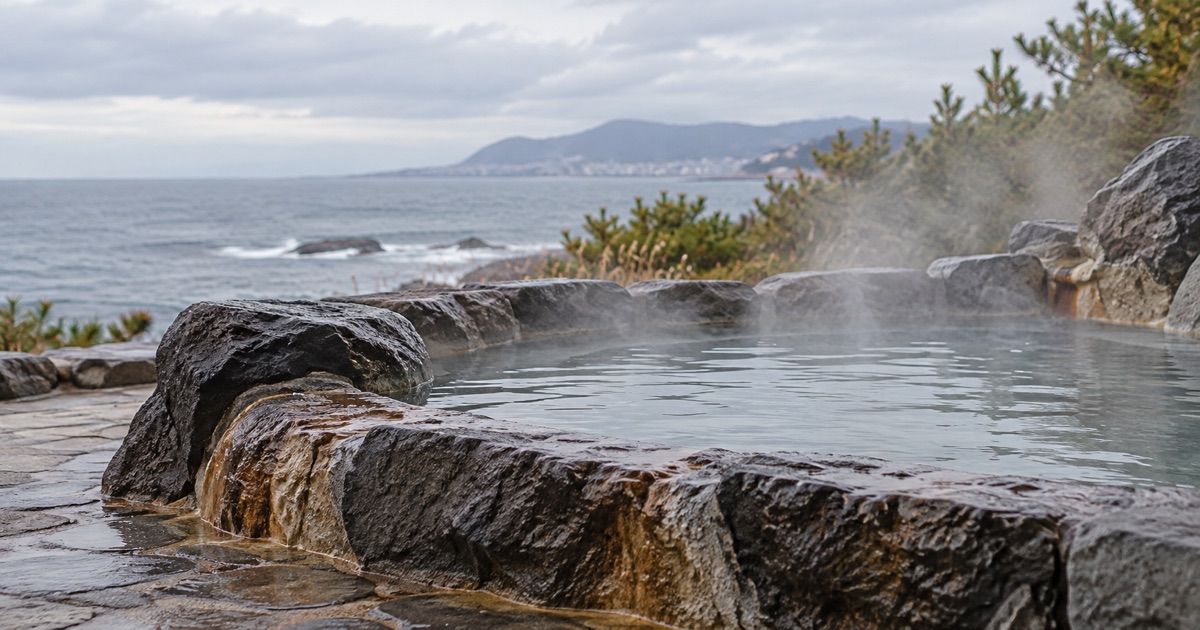
Hakodate onsen refers to the geothermal hot springs located in and around the historic port city of Hakodate (函館) in southern Hokkaido. The premier bathing district is Yunokawa Onsen (湯の川温泉), situated along the coast just minutes from the city center and Hakodate Airport.
A hot spring experience in Hakodate combines rich maritime history with traditional bathing culture. Yunokawa is recognized as one of Hokkaido's three major hot spring areas, dating back to the 17th century. Travelers can enjoy everything from retro public bathhouses to luxury waterfront ryokan overlooking the Tsugaru Strait.
Understanding Hakodate and Yunokawa Onsen
Yunokawa Onsen serves as Hakodate’s primary hot spring retreat. Unlike remote mountain bath towns, Yunokawa integrates directly into the urban layout of Hakodate. The thermal waters here are predominantly sodium and calcium chloride springs, clear in color and known for retaining warmth in cold Hokkaido weather.
Beyond Yunokawa, modern hotels near JR Hakodate Station also pump natural thermal water into rooftop and indoor communal baths. Whether you stay overnight in a traditional inn or drop in for an afternoon soak, the city provides convenient access to hot water springs throughout the year.
For broader travel logistics and transit across the region, plan your route using official resources like the Japan National Tourism Organization.
How to Get to Yunokawa Onsen
Navigating to Hakodate’s hot springs is straightforward, even for visitors who speak no Japanese.
From Hakodate Station
The Hakodate City Tram (函館市電) is the most scenic and practical way to reach the hot spring district.
- Board the tram bound for Yunokawa at Hakodate Station Front (Hakodate-Ekimae, 函館駅前).
- Ride the tram for roughly 30 minutes to Yunokawa-Onsen stop (湯の川温泉) or the terminal Yunokawa stop (湯の川).
- Tram fares range between 200 and 260 JPY. You can pay with major IC cards (such as Suica or Pasmo) by tapping when boarding and exiting.
- A taxi from Hakodate Station takes around 15 minutes and costs approximately 2,000 to 2,500 JPY depending on traffic.
From Hakodate Airport
Yunokawa is one of the closest onsen districts to an airport anywhere in Japan.
- Local buses connect Hakodate Airport (函館空港) directly to Yunokawa in roughly 8 to 10 minutes.
- A taxi ride takes around 5 to 7 minutes and usually costs between 1,000 and 1,500 JPY.
If you are arriving from Tokyo or Sapporo via Shinkansen, trains arrive at Shin-Hakodate-Hokuto Station (新函館北斗駅). From there, take the Hakodate Liner train for roughly 15 to 20 minutes to JR Hakodate Station, then transfer to the city tram or a local bus. Check train schedules and regional connections on JR East.
We are working to carry Japanese craft and everyday culture beyond Japan, by building Japan Towns with local partners.
Read the Japan Town plan →Top Ways to Experience Onsen in Hakodate
1. Traditional Ryokan Stays in Yunokawa
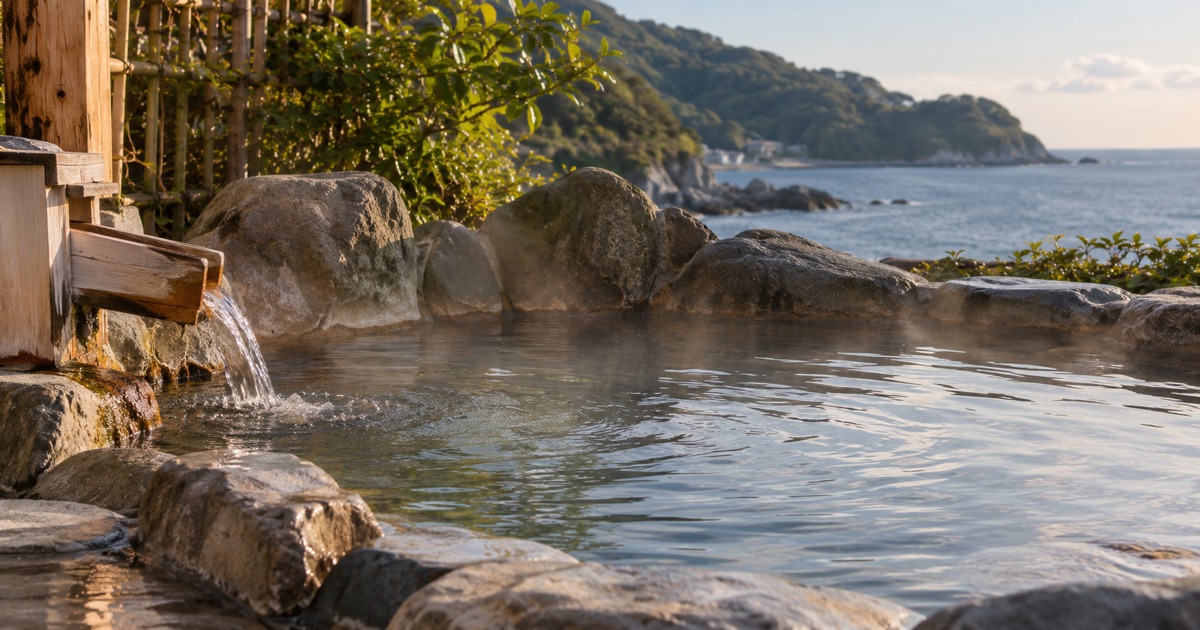
Spending a night at a Yunokawa ryokan allows you to experience traditional multi-course dining (kaiseki) highlighting fresh Hokkaido seafood, such as squid and sea urchin. Many waterfront inns feature outdoor baths (rotenburo) with open views of fishing boats on the ocean.
2. Day-Use Hot Springs (Higaeri Onsen)
You do not need to book an overnight stay to enjoy the mineral water. Many ryokan open their baths to the public during dedicated afternoon hours, typically between 12:00 and 16:00, though times vary.
- Day-use entrance fees generally range from 700 to 1,500 JPY for ryokan baths.
- Local communal bathhouses, such as Yunokawa Dai-ichi Senton (public bath facilities), cost around 450 to 500 JPY.
- Always check the official website of the specific facility before arriving, as entry hours for non-staying guests can shift without notice.
3. Footbaths (Ashiyu)
Near the Yunokawa-Onsen tram stop, you will find a free public footbath known as Yunokawa Onsen Ashiyu (湯の川温泉足湯). It offers a relaxing stop where you can dip your feet into the thermal water. Remember to carry a small travel towel in your bag to dry off afterward.
4. Station-Area Hotel Baths
If you prefer staying close to JR Hakodate Station and the morning market (Hakodate Asaichi), several contemporary hotels feature natural indoor and open-air hot spring baths on their upper floors. These baths offer sweeping views of Mount Hakodate (函館山) and the harbor.
Essential Onsen Etiquette for First-Timers
Bathing culture in Japan centers on shared relaxation and cleanliness. Following basic rules ensures a comfortable visit for everyone:
- Wash Thoroughly Before Soaking: Always wash and rinse your entire body at the washing stalls before stepping into the communal pools. Sitting stools and plastic washbasins are provided at each stall.
- Complete Nudity: Swimwear is strictly prohibited in traditional Japanese baths. You must enter the water completely unclothed.
- Keep Towels Out of the Water: Facilities provide or rent a small modesty towel. You may balance it on your head or set it by the poolside, but never let it touch the communal bathwater.
- Tie Up Long Hair: Secure long hair with a hairband or clip so that it stays completely clear of the bath.
- Dry Off Before Re-entering the Locker Room: Use your small washcloth to pat yourself down before stepping back onto the changing room mats to keep the area clean and dry.
Tattoo Policies and Private Bathing
Japanese hot springs traditionally restrict visible tattoos due to historical associations with organized crime. In Hakodate, attitudes are gradually evolving, but restrictions remain common.
- Check Individual Policies: Some modern hotels and traditional ryokan permit guests with tattoos to use communal areas if the marks are small enough to be concealed with waterproof adhesive patches. Other facilities maintain an outright ban.
- Use Private Baths (Kashikiri-buro): If you have extensive ink or prefer privacy, look for ryokan offering reservable private baths (貸切風呂, kashikiri-buro) or guest rooms featuring attached open-air baths (rotenburo-tsuki kyakushitsu). Private rentals generally cost between 2,000 and 4,000 JPY per 45 to 60-minute session on top of admission fees.
Because rules vary significantly, review each facility's official English or Japanese website ahead of time to confirm their policy.
What to Bring and Common Mistakes
What to Pack
- Cash (Coins and 1,000 JPY notes): Many older sento and shoe lockers require 100-yen coins, and public ticket vending machines rarely take international credit cards.
- A Hand Towel: Public sento often do not provide free towels. You must bring your own or purchase a small face towel at the reception desk for roughly 200 to 300 JPY.
- Moisturizer: Geothermal water can strip natural oils from your skin. Bringing your own lotion or skincare products is helpful for post-soak care.
Common Mistakes to Avoid
- Rushing the Process: Mineral baths in Yunokawa run quite hot, often between 41°C and 43°C (106°F to 110°F). Ease into the water slowly to allow your body to acclimate.
- Ignoring Hydration: Drink plenty of fresh water before and after your soak. Most dressing rooms provide water dispensers, or you can purchase cold tea or milk from lobby vending machines.
- Arriving Too Late for Day Use: Day-use bath windows for high-end ryokan are often short and end in the mid-afternoon to accommodate overnight guests. Arriving after 15:00 without checking schedules often leads to turned-away visitors.
FAQ
- Q. How far is Yunokawa Onsen from Hakodate Station?
- A. Yunokawa Onsen is roughly 5 kilometers east of Hakodate Station, taking around 30 minutes by city tram or 15 minutes by taxi.
- Q. Can you visit Hakodate onsen for day use without staying overnight?
- A. Yes, numerous ryokan and public bathhouses in Yunokawa and around Hakodate Station offer day-use entry (higaeri onsen).
- Q. Are tattoos allowed in Hakodate hot springs?
- A. Policies vary widely by facility, with some allowing covered tattoos and others requiring private baths (kashikiri-buro).
Cite or share this article
Copy the link below. If you quote this article, please link to this page as the source.