Onsen Toyota City Guide: Best Baths and Day Trips
Key takeaways
- Toyota City offers natural hot springs like Sanage Onsen alongside modern super sento bathhouses.
- Reaching mountain baths requires taking local Meitetsu buses or taxis from central Toyota stations.
- Always wash thoroughly before entering the water, and confirm tattoo policies with facilities in advance.
Toyota City (豊田市) in Aichi Prefecture is famous worldwide as the heart of Japan's automotive industry, but it is also home to peaceful hot springs and relaxing bathhouses. Visitors can easily escape the urban factory districts to soak in natural mineral waters located in the surrounding forested hills, most notably at Sanage Onsen (猿投温泉).
Whether you are visiting central Japan on business or exploring the Chubu region, discovering an onsen in Toyota City provides a restful cultural experience. This guide covers the main hot spring options, transit routes, what to bring, and essential bath etiquette for international travelers.
Natural Hot Springs and Day-Use Baths in Toyota City
Toyota City is geographically the largest municipality in Aichi Prefecture, stretching from urban valleys to rugged highland forests. Because of this diverse geography, bathing options range from quiet mountain inns to large suburban wellness complexes.
Sanage Onsen: Natural Radon Springs
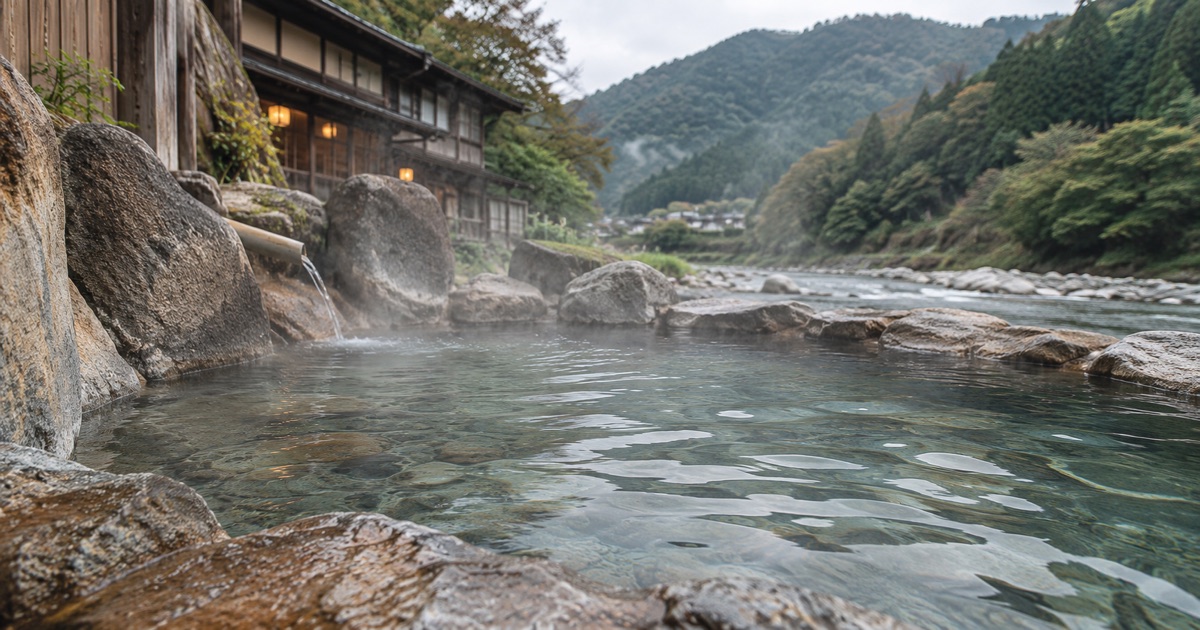
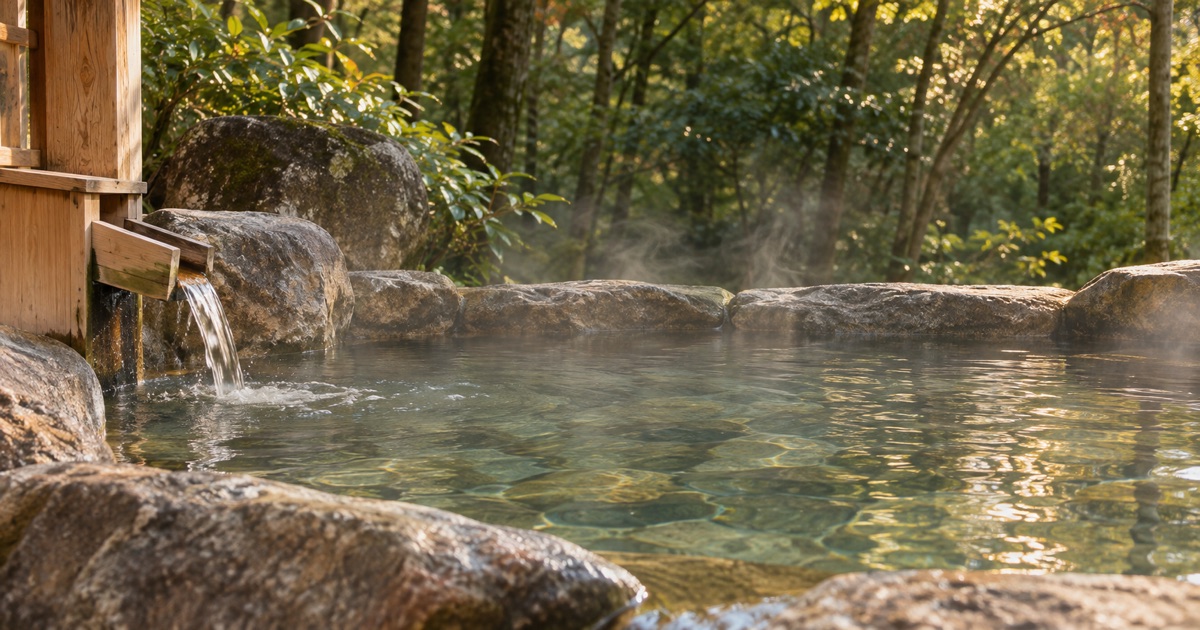
The most famous natural hot spring retreat within the city limits is Sanage Onsen (猿投温泉). Nestled at the foot of Mount Sanage, this secluded area features natural spring water containing radon, a rare mineral profile in central Japan.
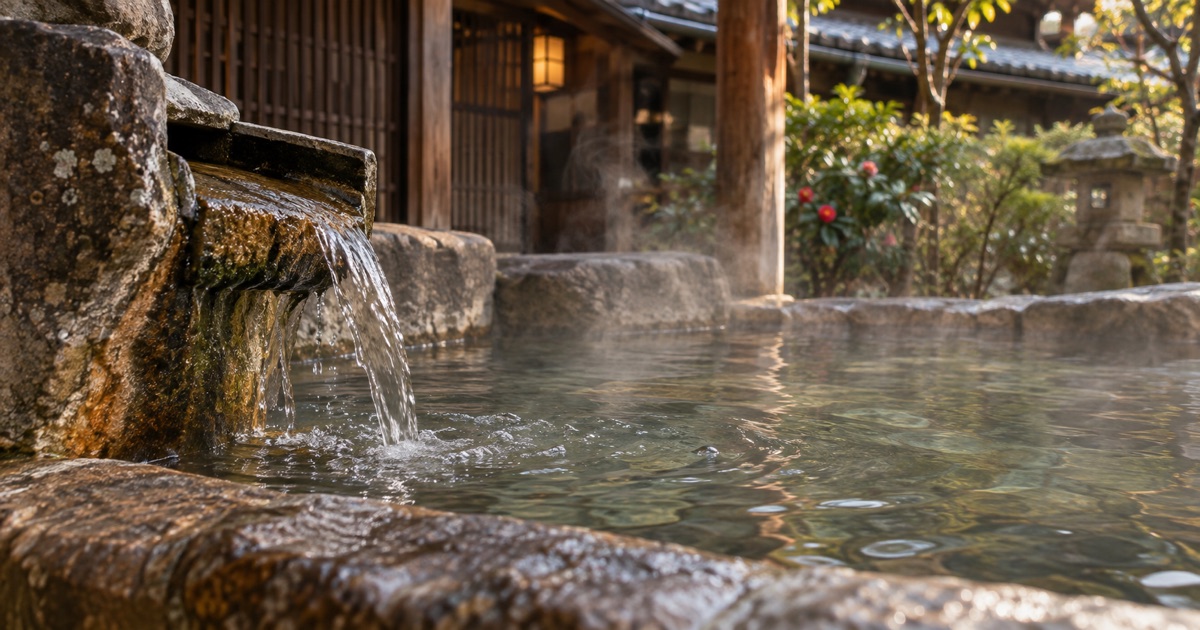
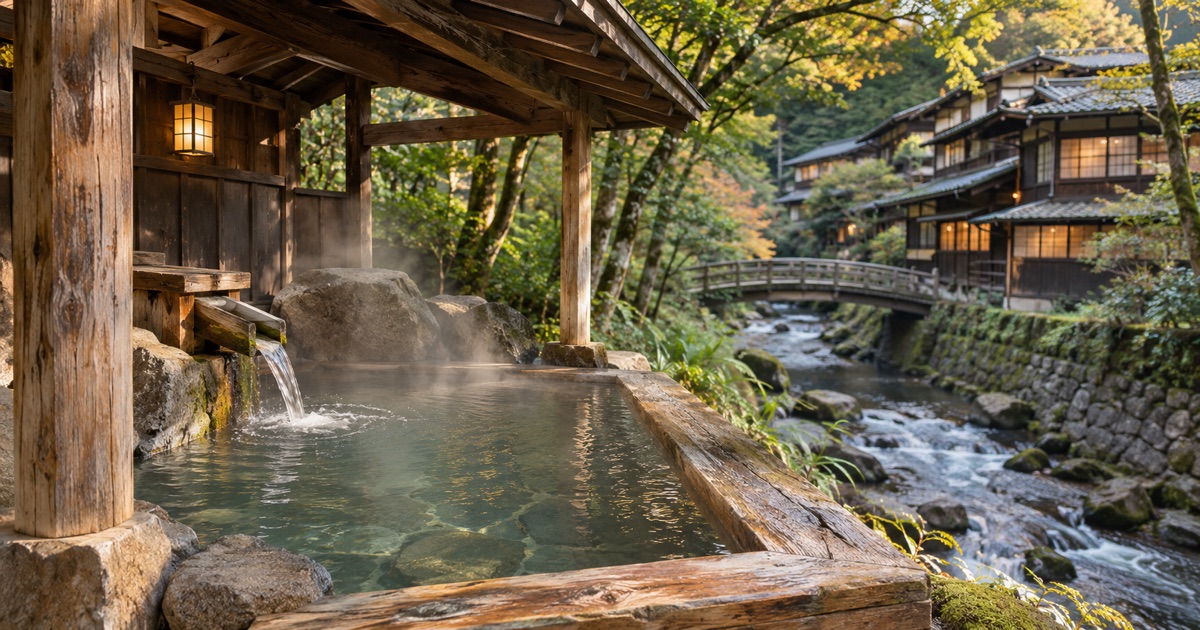
The primary public facility here is the day-use bathhouse Kinsensho (金泉の湯). The complex offers indoor baths, cypress-wood tubs, and open-air baths (rotenburo) surrounded by dense woods. Unlike standard city tap-water baths, Sanage uses spring water pumped directly from deep underground. The complex also features an on-site dining area serving regional Japanese meals and a rest lounge where guests can relax after bathing.
Day-use admission fees generally range from 1,000 to 1,800 JPY for adults, though rates can fluctuate. Operating hours and maintenance closures change throughout the year, so visitors should verify current schedules on the facility's official channels before traveling.
Urban Day Baths and Super Sento
If you do not have time to travel into the mountains, central Toyota City has several modern bathhouses known as "super sento." While some of these tap local mineral sources, others use heated water infused with carbon dioxide or artificial minerals.
Establishments like Oide no Tsuki (おいでんの湯) cater to locals and commuters. These facilities feature a wide variety of tubs, including jet massage baths, electric baths, cold plunge pools, and dry saunas. They are casual, affordable, and offer an authentic look at everyday Japanese relaxation culture. Admission to modern suburban sento typically ranges from 600 to 1,000 JPY.
How to Get to Hot Springs in Toyota City
Navigating Aichi Prefecture's transit network is straightforward if you plan your connections between train and bus operators.
Accessing Central Toyota City
Travelers coming from outside the region usually start at Nagoya Station (名古屋駅). From Nagoya, two common rail options connect into Toyota:
- Subway and Meitetsu Line: Take the Nagoya Municipal Subway Higashiyama Line to Fushimi Station, transfer to the Tsurumai Line, and stay on the train as it transitions onto the Meitetsu Toyota Line directly to Toyotashi Station (豊田市駅). The journey takes roughly 50 to 60 minutes.
- JR and Aichi Loop Railway: Take a train operated by JR Central from Nagoya to Kozoji Station or Okazaki Station, then transfer to the private Aichi Loop Railway (Aikan) to reach Shin-Toyota Station (新豊田駅). Shin-Toyota and Toyotashi stations sit just a short walk apart via a pedestrian walkway.
Reaching Sanage Onsen
To reach Sanage Onsen from central Toyota, take the Meitetsu Mikawa Line from Toyotashi Station to Sanage Station (猿投駅), which takes around 15 minutes. From Sanage Station, local community buses or taxis provide the final link to the baths.
A taxi ride from Sanage Station to the hot spring area generally takes about 10 to 15 minutes and costs approximately 2,000 to 3,000 JPY depending on traffic. Some facilities may operate seasonal shuttle vans from nearby stations, but schedules vary significantly.
We are working to carry Japanese craft and everyday culture beyond Japan, by building Japan Towns with local partners.
Read the Japan Town plan →What to Bring and Rental Options
Packing appropriately ensures a seamless visit, especially at facilities where staff may speak limited English.
- Towels: You will need two towels: a small face towel for the washing area and a large bath towel for drying off before returning to the changing room. Most super sento and onsen rent or sell these for roughly 200 to 500 JPY, but bringing your own from your hotel saves money.
- Cash (Yen): While automated ticket machines in large cities increasingly take IC transport cards or credit cards, many onsen ticket vending machines and shoe lockers require 100-yen coins. Keep several coins on hand.
- Basic Toiletries: Body wash, shampoo, and conditioner are almost always supplied free of charge in the washing stalls. If you have sensitive skin, bring your own travel-sized bottles.
- Plastic Bag: Carry a small bag to store damp towels after your bath.
Step-by-Step Onsen Etiquette
Entering a Japanese communal bath for the first time can feel intimidating, but the rules are simple and designed around shared cleanliness and consideration.
1. Shoe Entry and Ticketing
Take off your outdoor shoes at the entrance foyer (genkan) and place them in a shoe locker. Take the locker key to the front desk or use it to purchase an entry ticket from an automated vending machine. Hand your ticket to the staff at the reception counter.
2. The Changing Room
Baths are strictly separated by gender. Look for the fabric doorway curtains (noren): red or pink curtains marked with the character 女 (onna) designate the women's area, while blue curtains marked with 男 (otoko) designate the men's area.
Inside, place all clothing, jewelry, and watches into a locker or basket. Complete nudity is required in the bathing area; wearing swimsuits or underwear into the water is strictly prohibited. Take only your small washcloth into the bathing area.
3. Wash Before Soaking
Before stepping into any communal tub, sit at one of the personal shower stations. Use the handheld shower head, stool, and basin to wash your entire body and hair thoroughly with soap. Rinse away all soap suds completely. Communal bathwater is meant only for soaking, not for cleaning your body.
4. Entering the Baths
Step slowly into the bath to let your body adjust to the high temperature, which typically hovers between 40°C and 42°C (104°F to 108°F). Keep your hair tied up so it does not touch the water. Never let your wash towel enter the bathwater; place it on your head or set it on the dry edge of the pool. Keep voices low to preserve the tranquil atmosphere.
5. Drying Off
When you finish soaking, use your small washcloth to wipe off excess water from your skin before stepping back onto the changing room mats. This prevents puddles and keeps the dressing room clean for others.
Important Policies: Tattoos and Private Bathing
Japanese bathhouses traditionally bar guests with body ink due to historical associations with organized crime. In suburban cities like Toyota, policies remain largely traditional:
- Public Baths: Most commercial day-use facilities and sento display signs prohibiting visible tattoos of any size.
- Small Tattoos: If you have small, discreet tattoos, covering them with waterproof adhesive bandages or flesh-toned patches may allow you entry, but acceptance is at the discretion of the staff.
- Private Baths (Kashikiri): If you have extensive tattoos or simply prefer total privacy, search for ryokan (traditional inns) that offer private rental baths (kashikiri-buro / 貸切風呂). These rooms allow individuals, couples, or families to enjoy the hot spring water behind closed doors without restrictions.
Because admission and tattoo guidelines change, always consult the facility's official website or ask hotel concierges to verify policies ahead of your visit. For broader travel planning across the prefecture, check resources from the Japan National Tourism Organization to build a comfortable itinerary.
FAQ
- Q. Does Toyota City have natural hot springs?
- A. Yes, Toyota City is home to natural hot spring areas such as Sanage Onsen, as well as suburban day-use hot spring facilities.
- Q. How do you get from Nagoya to hot springs in Toyota City?
- A. Take the subway or Meitetsu Line from Nagoya toward Toyotashi Station, then connect to local buses or taxis to reach outlying baths.
- Q. Are tattoos allowed in Toyota City onsen?
- A. Most traditional baths and public super sento restrict visible tattoos, though private rental rooms (kashikiri) may be an option.
Cite or share this article
Copy the link below. If you quote this article, please link to this page as the source.