Hot Springs Near Hakodate: Best Onsen Day Trips & Stays
Key takeaways
- Yunokawa Onsen sits right inside Hakodate city limits, reachable in roughly 30 minutes by local tram.
- Scenic regional baths like Onuma, Shikabe, and Esan offer easy day trips by local train, bus, or rental car.
- Tattoo rules and day-use hours vary by inn; always check official policies or book private baths in advance.
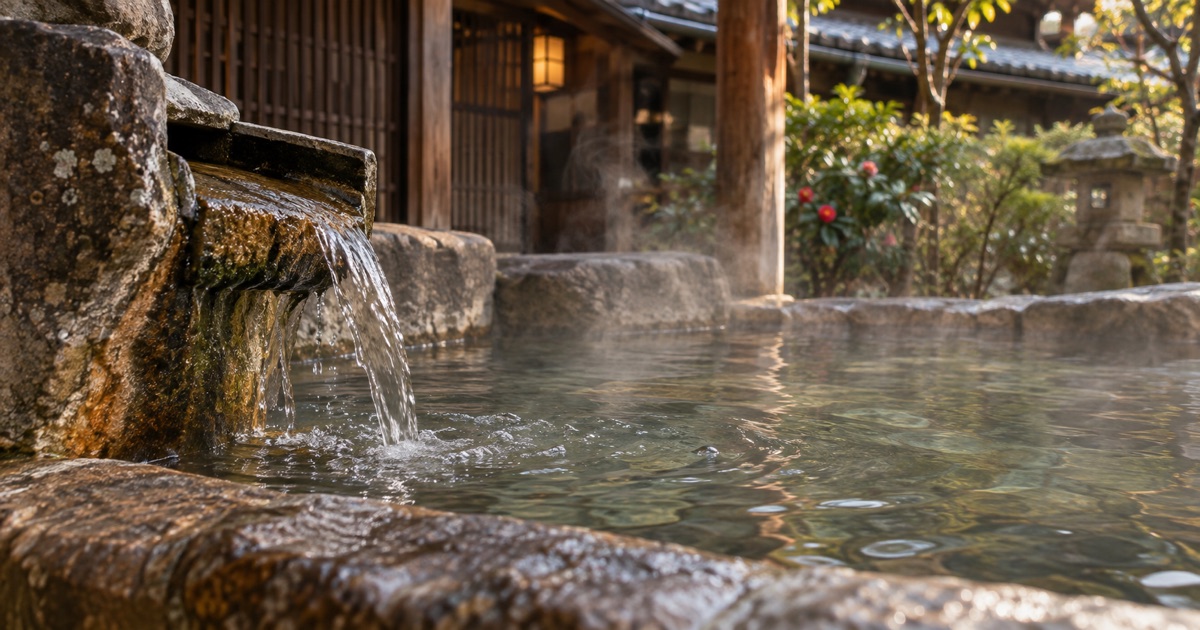
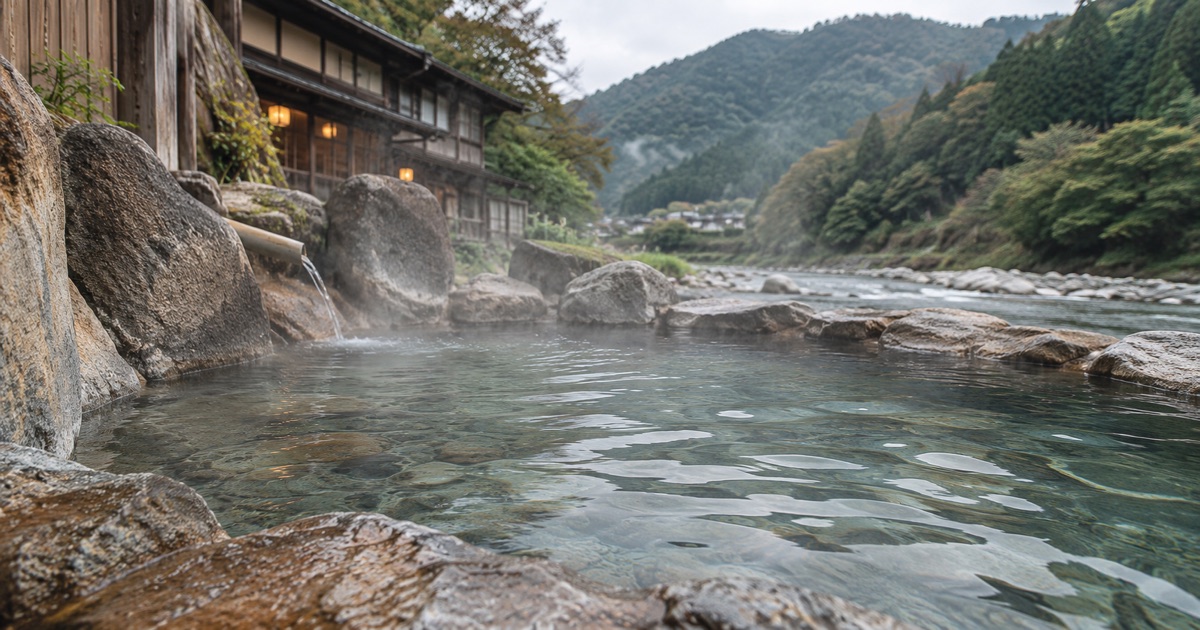
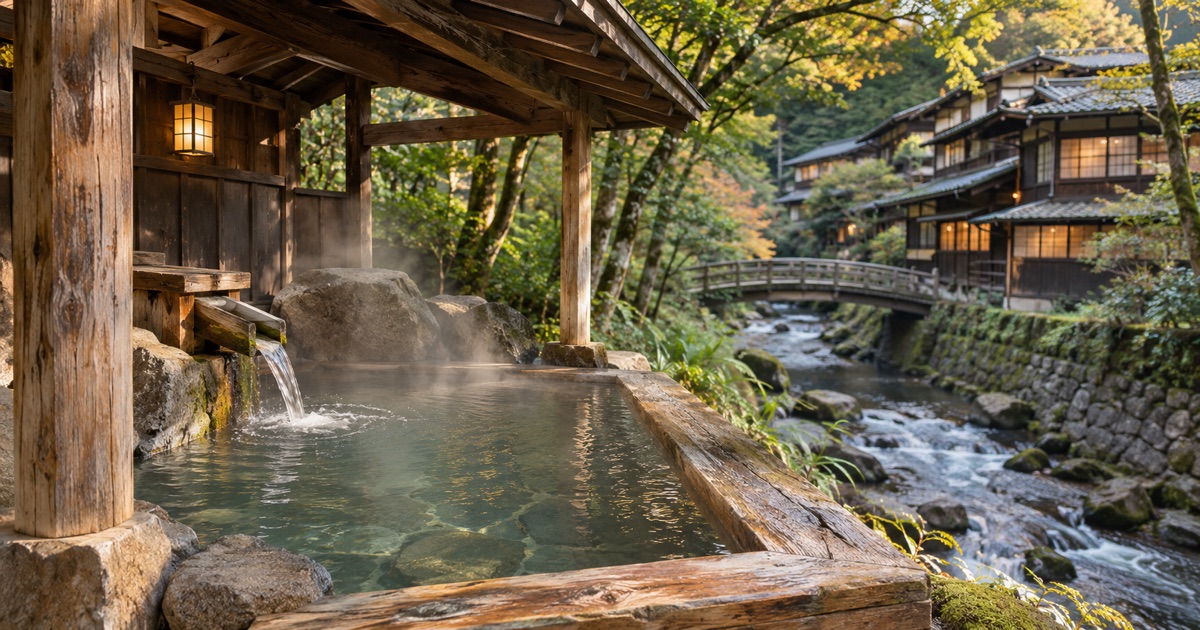
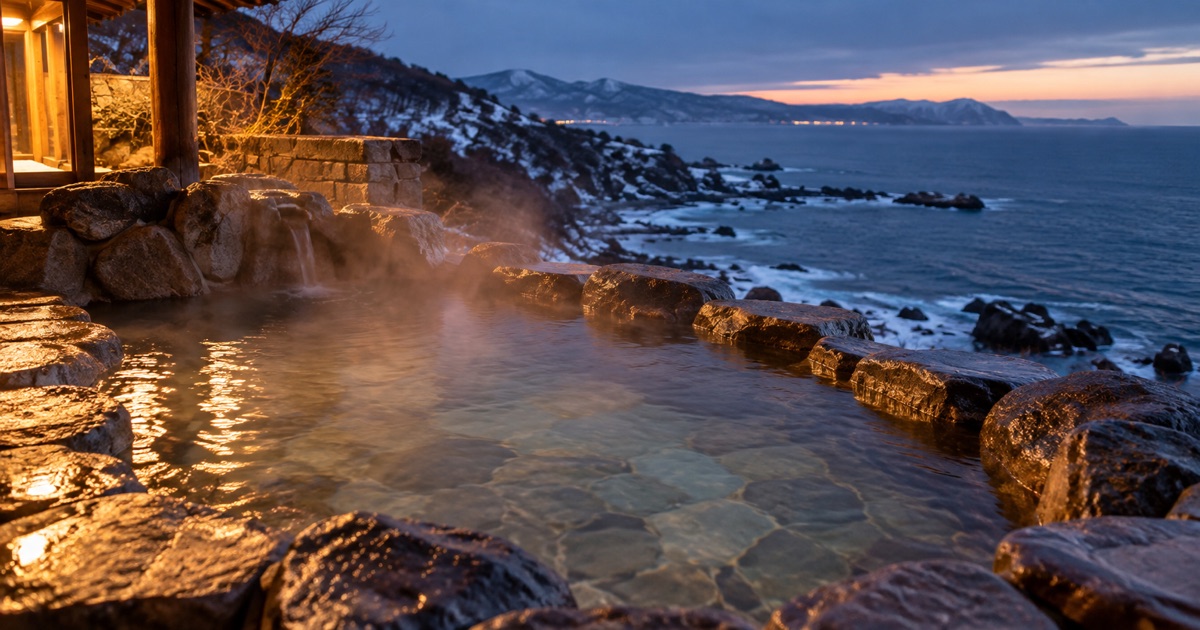
The best hot springs near Hakodate range from coastal baths located right inside the city at Yunokawa Onsen (湯の川温泉) to tranquil nature retreats situated 40 to 90 minutes away around Mount Esan and Lake Onuma. Travelers can enjoy everything from historic resort ryokan accessible by city tram to wild, tide-dependent seaside thermal pools reached by rental car.
Hakodate (函館), located at the southern tip of Hokkaido, is renowned for its fresh seafood, historic port architecture, and panoramic night views. It is also an exceptional base for soaking in geothermal mineral waters. Whether you want a quick soak between sightseeing stops or a quiet overnight stay in a traditional Japanese inn, southern Hokkaido provides diverse onsen experiences.
Yunokawa Onsen: Hakodate's Urban Hot Spring Resort
Yunokawa Onsen is considered one of Hokkaido's three major historic hot spring areas, alongside Jozankei and Noboribetsu. Unlike many remote mountain springs, Yunokawa sits directly along the coast within Hakodate's urban limits, mere minutes from Hakodate Airport (函館空港).
Getting to Yunokawa Onsen
Reaching Yunokawa is simple, even for travelers with zero Japanese language ability.
- By Tram: Board the Hakodate City Tram (函館市電) heading toward Yunokawa from Hakodate Station (函館駅前). Ride the tram for roughly 30 minutes and alight at the Yunokawa Onsen stop (湯の川温泉).
- By Bus or Taxi: Direct local buses connect Hakodate Airport to Yunokawa in roughly 10 minutes. A taxi from downtown Hakodate typically takes around 15 to 20 minutes depending on traffic.
What to Expect in Yunokawa
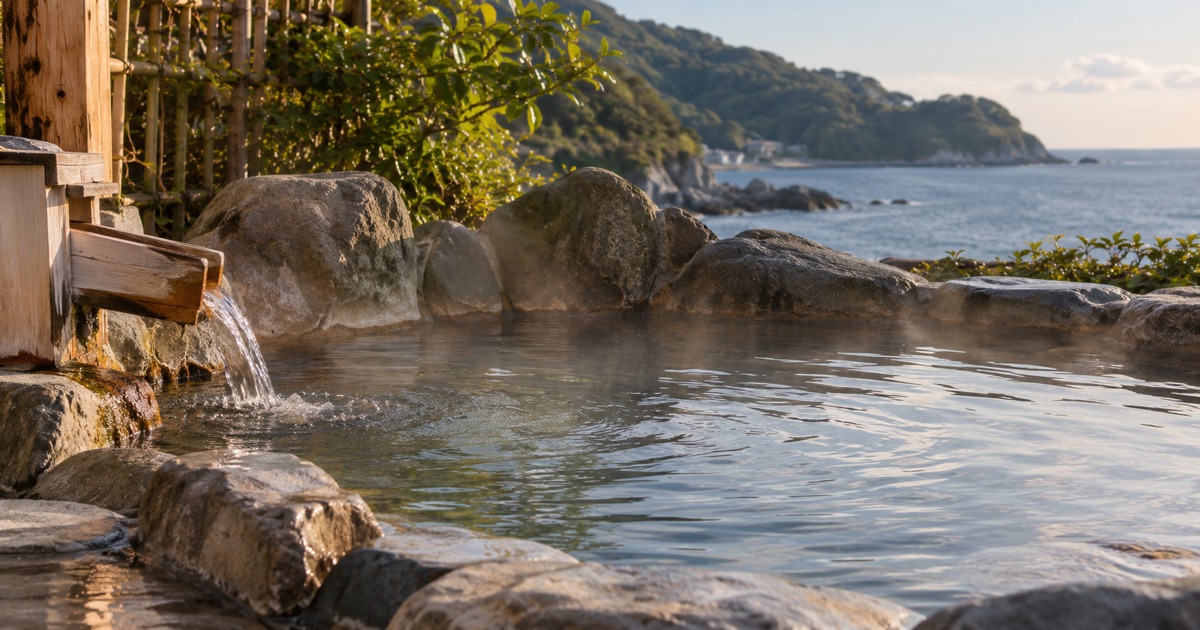
The resort features a mix of high-rise hotels along the Tsugaru Strait and historic wooden inns lining the Matsukura River. Many seaside properties offer rooftop outdoor baths (rotenburo) where you can listen to ocean waves and, during summer and autumn, spot the glowing lights of squid-fishing boats (isaribi) dotting the horizon.
Yunokawa also hosts a beloved local winter tradition at the Hakodate Tropical Botanical Garden (函館市熱帯植物園), where Japanese macaques soak in outdoor onsen pools to stay warm between December and May.
Day-Trip Hot Springs Within Reach of Hakodate
If you wish to explore beyond the city center, several distinctive hot spring regions make easy day trips or overnight excursions across the Oshima Peninsula.
1. Onuma Onsen and Shikabe (40 to 60 Minutes North)
Located near Onuma Quasi-National Park (大沼国定公園), this area combines dormant volcanic views of Mount Komagatake with quiet forest bathing.
Further east along the coast lies Shikabe Onsen (鹿部温泉), a peaceful fishing town famous for its natural geyser located within a local roadside station (Michi-no-Eki). The geyser erupts hot thermal water several meters into the air every few minutes.
- Access: JR Hokkaido operates limited express and local trains from Hakodate Station to Onuma-Koen Station (大沼公園駅), taking roughly 30 to 50 minutes. Visiting Shikabe is best done by local bus from Onuma or via a 50-minute rental car drive. Overseas travelers using rail passes can confirm route validity via the Japan National Tourism Organization.
2. Mount Esan and Todohokke (60 to 80 Minutes East)
At the eastern tip of the peninsula sits Mount Esan (恵山), an active, sulfur-emitting volcano surrounded by rugged coastal landscapes.
The area is famous for Mizunashi Kaihin Onsen (水無海浜温泉), a rare natural hot spring pool built directly into the rocky shoreline. The bath is completely submerged at high tide and only becomes usable when the receding ocean creates a comfortable balance of hot volcanic spring water and cool seawater.
- Access: Due to limited rural bus schedules, renting a car in Hakodate is strongly recommended. The drive takes around 75 to 90 minutes.
- Important Note: Check tidal tables on local municipal websites before driving out. Bathing suits are mandatory at Mizunashi Kaihin because it is completely open to the public beach.
3. Yachigashira Onsen: Local Bathhouse Culture
For an authentic, budget-friendly neighborhood soak right in Hakodate, visit Yachigashira Onsen (谷地頭温泉). Located near the base of Mount Hakodate, this massive public sento-style bathhouse features reddish, iron-rich water in spacious indoor pools and an outdoor bath shaped like a five-pointed star, echoing the nearby fort Goryokaku (五稜郭).
- Access: Take the Hakodate City Tram line 2 to the Yachigashira terminal stop, followed by a straightforward 5-minute walk.
We are working to carry Japanese craft and everyday culture beyond Japan, by building Japan Towns with local partners.
Read the Japan Town plan →Practical Guide: How to Visit a Hot Spring Near Hakodate
Visiting an onsen for the first time is straightforward once you know the basic process.
Step 1: Choosing Day-Use or Overnight
- Day-Use (Higaeri): Many ryokan open their baths to non-staying guests for a modest entry fee (often ranging from 500 to 1,500 JPY). Day-use hours are usually restricted to early afternoon windows (such as 13:00 to 18:00), so confirm the schedule in advance.
- Overnight Stay: An overnight booking guarantees access during late evening and early morning hours, often accompanied by traditional multi-course kaiseki dinners.
Step 2: What to Pack
Most full-service ryokan provide amenities, but day-use bathhouses operate differently:
- Towels: Bring a small modesty towel for washing and a standard bath towel for drying off. You can often purchase a small modesty towel at the front desk for around 200 JPY.
- Toiletries: High-end ryokan supply body wash and shampoo, but municipal baths like Yachigashira may charge extra for soap, so carry travel-sized bottles.
- Footwear: Remove your outdoor shoes at the entrance (genkan) and place them in the provided shoe lockers before approaching the front desk.
Step 3: Bathing Etiquette and Rules
- Undress Completely: In standard onsen, all clothing, including swimwear, must be removed in the gender-separated changing rooms.
- Wash Before Soaking: Sit down at a washing stall before entering any pool. Cleanse thoroughly with soap and rinse off all suds before stepping into the water.
- Keep Towels Out of the Water: Place your small modesty towel on your head or on the edge of the pool; never submerge it in the communal bath.
- Dry Off Before Re-entering: Use your wrung-out modesty towel to pat dry before walking back onto the changing room mats.
Navigating Tattoo and Accessibility Policies
Traditional hot springs across Japan maintain diverse rules regarding body art.
- Public Baths and Ryokan: Many traditional inns in Hakodate and Yunokawa still ask guests with visible tattoos to refrain from using shared communal baths.
- Private Baths (Kashikiri): If you have tattoos, book an inn that offers reservable private baths (kashikiri-buro) or reserve a guest room featuring an attached private outdoor bath (rotenburo-tsuki kyakushitsu). These private facilities allow anyone to soak in comfort without restriction.
- Covering Patches: Small tattoos can often be covered using waterproof flesh-toned adhesive tape or patches. However, policies differ by facility, so check the inn's official website or inquire prior to arrival.
Getting Around Southern Hokkaido
Hakodate's urban hot springs are easily navigated using public transport, but regional exploration benefits from planning:
- Hakodate City Tram Pass: Available as a 1-day pass, this ticket offers unlimited rides across both tram lines, covering Hakodate Station, Motomachi, Goryokaku, Yachigashira, and Yunokawa.
- JR Hokkaido Rail: Rail lines connect Hakodate north toward Lake Onuma and Mori. Regional travel passes are available; review details and schedules on official railway resources such as JR East for Tohoku-Hokkaido intercity connections.
- Rental Cars: For remote coastal springs like Esan or seaside geysers along Uchiura Bay, renting a car near Hakodate Station gives you the freedom to explore scenic rural roads at your own pace. Ensure you carry an International Driving Permit (IDP) valid under the 1949 Geneva Convention.
FAQ
- Q. Can I visit hot springs near Hakodate as a day trip without staying overnight?
- A. Yes, many ryokan and public bathhouses in Yunokawa and surrounding areas welcome day-use visitors (higaeri onsen) during designated afternoon hours.
- Q. Are hot springs near Hakodate tattoo-friendly?
- A. Rules depend on the specific facility. While some traditional inns prohibit visible tattoos in shared baths, many offer reservable private baths (kashikiri).
- Q. How do I reach Yunokawa Onsen from Hakodate Station?
- A. Take the Hakodate City Tram from Hakodate Station directly to the Yunokawa Onsen stop, which takes roughly 30 minutes.
Cite or share this article
Copy the link below. If you quote this article, please link to this page as the source.