Hot Springs Near Yokosuka Japan: Best Day Trips & Baths
Key takeaways
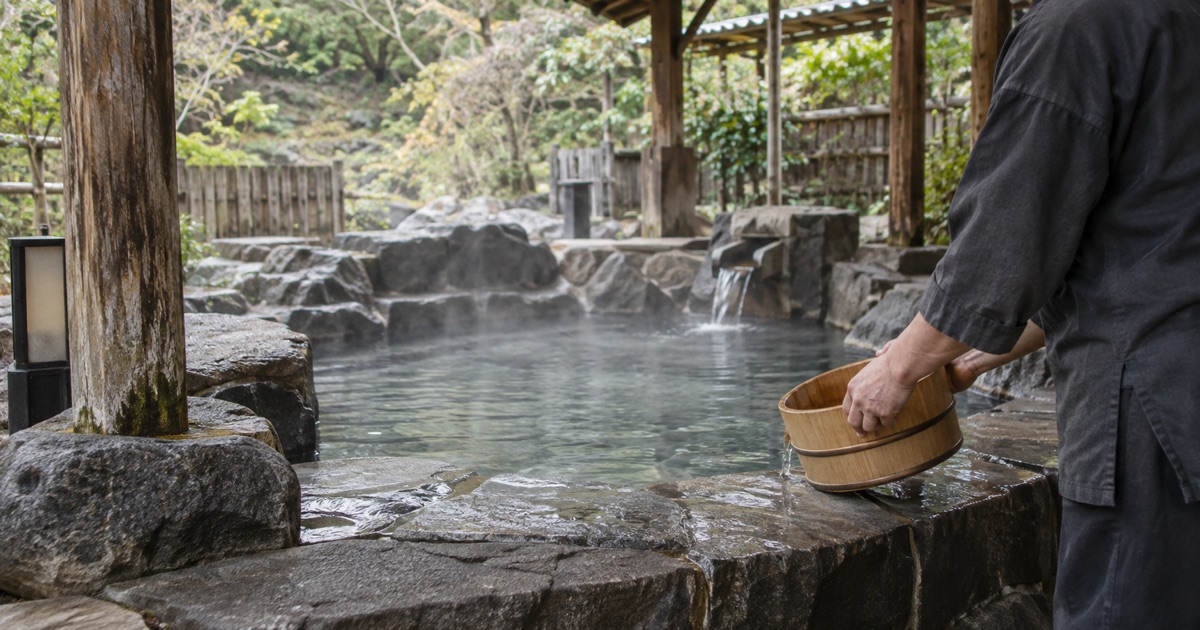
- Natural hot springs are located directly within Yokosuka, around the Miura Peninsula, and a short train ride away.
- Traditional baths require complete nudity, separating male and female bathers; tattoo rules vary by location.
- Pack your own small washcloth and bath towel, or expect to pay a small rental fee at facility reception desks.
The best hot springs near Yokosuka, Japan range from local coastal day-use spas within the city to traditional onsen resort towns reachable in under two hours. Whether you want a quick soak after visiting the naval port or a scenic day trip to Kamakura or Hakone, excellent thermal baths sit right along the local train lines.
Yokosuka sits on the Miura Peninsula (三浦半島) in Kanagawa Prefecture. While the city is famous for its naval history and street food, its geographic location gives visitors quick access to coastal mineral springs, historic seaside baths, and iconic mountain hot spring villages.
Types of Baths You Will Find Around Yokosuka
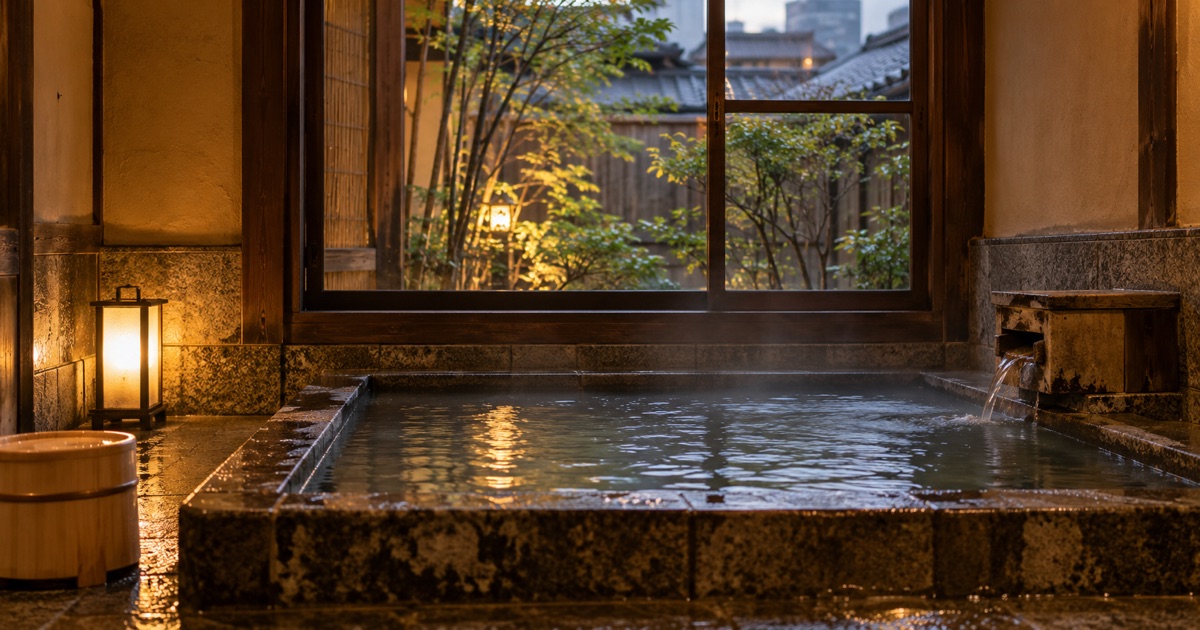
When searching for hot springs around Yokosuka, you will encounter two main terms: onsen (温泉) and sento (銭湯) or super sento (スーパー銭湯).
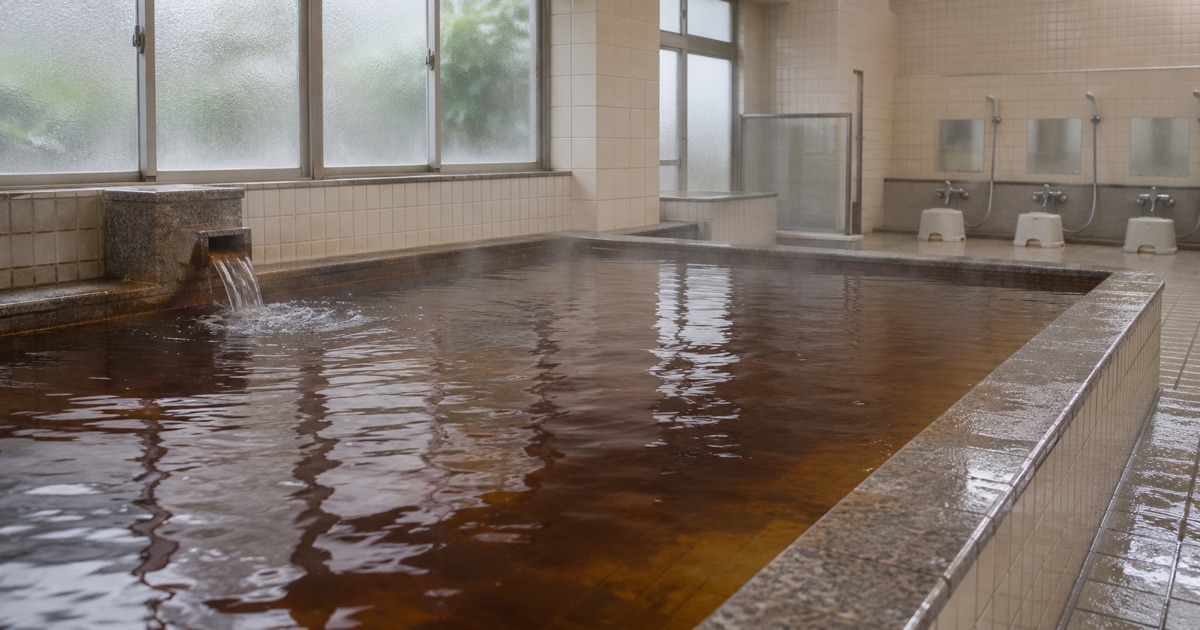
An onsen uses natural geothermal spring water that meets official temperature and mineral criteria defined by Japanese law. Many baths on the Miura Peninsula and across Kanagawa feature kuroyu (黒湯), an amber-to-black natural thermal water colored by ancient plant matter.
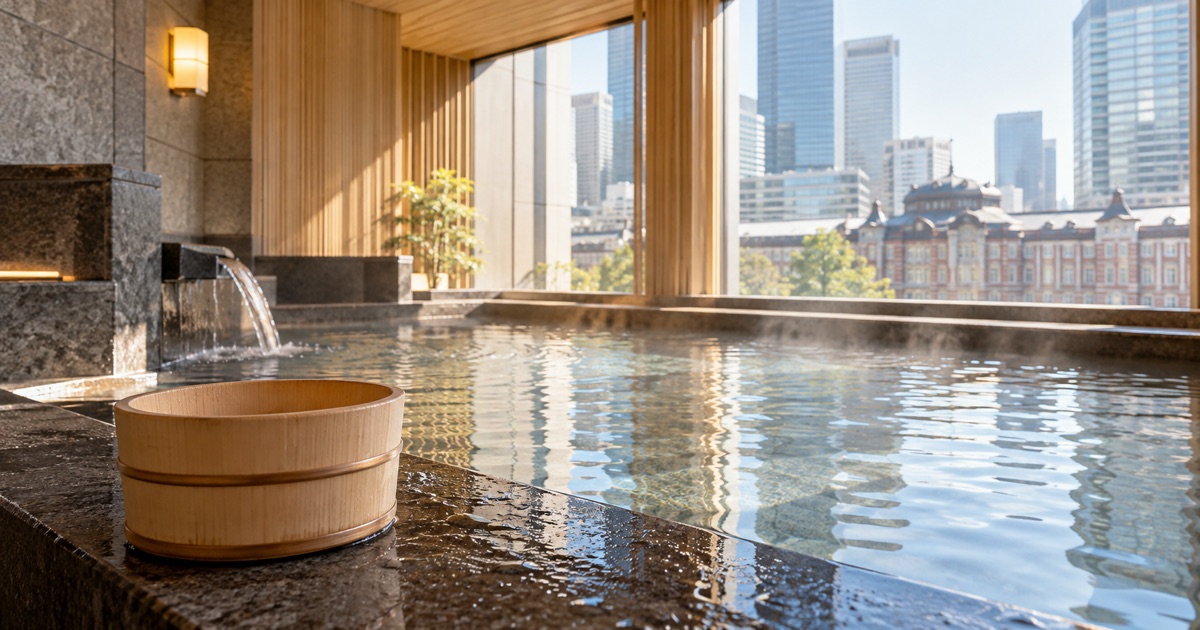
Super sento, by contrast, are modern day-spa complexes. They usually offer multiple indoor and outdoor baths, steam rooms, saunas, and rest lounges. Many super sento pump in genuine local onsen water, while others use filtered municipal water enhanced with ceramic minerals or carbonation. Both styles offer relaxing soaking experiences for travelers.
Hot Springs Directly in and Around Yokosuka
You do not need to leave Yokosuka to experience a natural hot spring. Several excellent facilities operate along the Keikyu Main Line (京急本線) and JR Yokosuka Line (JR横須賀線).
Yunosato Yokosuka (Yokosuka Onsen)
Located within easy reach of central Yokosuka, local day spas like Yokosuka Onsen Yunosato provide authentic mineral baths. The natural underground water in this area is typically rich in sodium bicarbonate, giving the water a slight golden-brown hue and silky texture.
These facilities cater primarily to local residents and off-base personnel, meaning signage may be largely in Japanese. Ticket vending machines at the entrance often require cash, though modern machines increasingly take IC cards like Suica or Pasmo.
Mahoroba no Yu (Miura Kaigan)
Heading south on the Keikyu Kurihama Line toward the tip of the peninsula brings you to Miura Kaigan Station (三浦海岸駅). A short walk or shuttle ride from the coast brings you to local resort baths such as Mahoroba no Yu (マホロバ・マインズ三浦).
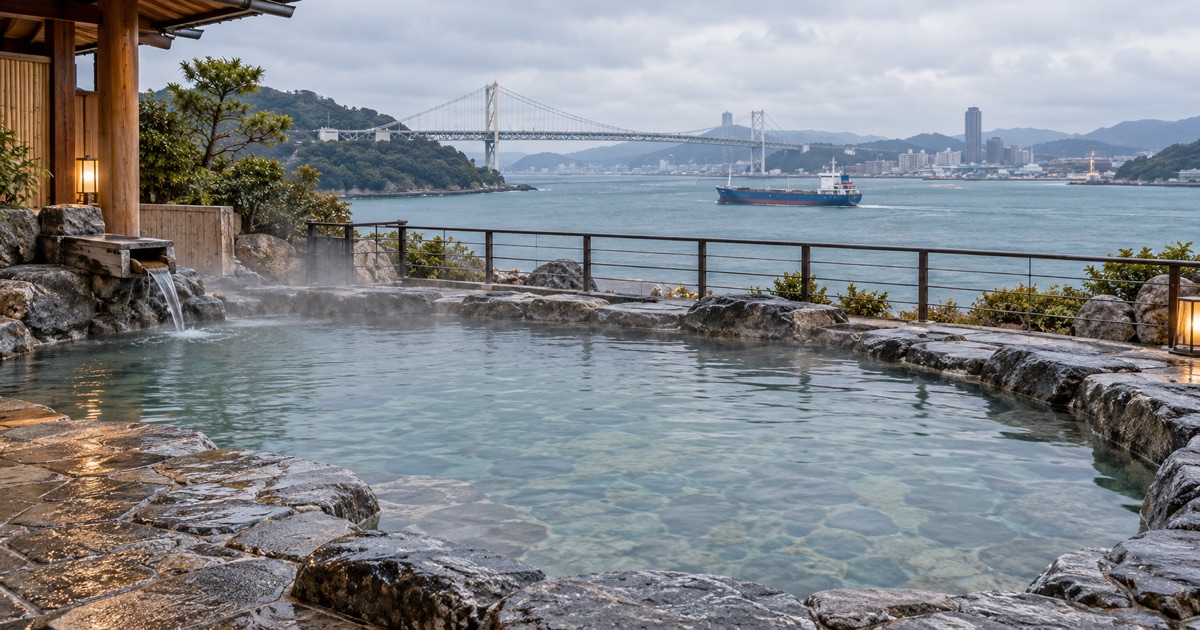
This area features baths fed by high-salinity natural springs drawn from deep beneath the seabed. Soaking near the ocean offers a breezy coastal atmosphere, making it a favorite stop for day-trippers visiting Miura's tuna markets or beaches.
We are working to carry Japanese craft and everyday culture beyond Japan, by building Japan Towns with local partners.
Read the Japan Town plan →Nearby Day Trips from Yokosuka
If you have half a day or a full weekend, expanding your radius beyond Yokosuka opens up some of Japan's most celebrated hot spring areas.
Kamakura and Enoshima (30 to 45 Minutes)
Taking the JR Yokosuka Line north leads straight to historic Kamakura (鎌倉). While Kamakura is famous for temples, nearby coastal towns like Inamuragasaki offer seaside baths.
- Inamuragasaki Onsen (稲村ヶ崎温泉): Located steps from the Enoshima Electric Railway (Enoden), this day-use facility features genuine dark kuroyu mineral water. On clear days, the outdoor viewpoints offer glimpses of Mount Fuji and Enoshima across Sagami Bay.
Yokohama (30 to 40 Minutes)
Heading north into Kanagawa’s capital city brings access to expansive multi-story relaxation spas.
- Yokohama Minato Mirai Manyo Club (万葉倶楽部): Situated on the waterfront near Minatomirai Station, this sprawling eight-story complex hauls natural hot spring water daily by tanker truck from Yugawara and Yumoto. It features open-air rooftop foot baths overlooking Yokohama Bay, traditional soaking tubs, and overnight relaxation areas.
Hakone (90 to 120 Minutes)
Hakone (箱根) is one of Japan's premier onsen destinations. From Yokosuka, board the JR Yokosuka Line to Totsuka or Yokohama, transfer to the Tokaido Line to Odawara, and switch to the Hakone Tozan Railway bound for Hakone-Yumoto (箱根湯本). Train transit details and route planning can be reviewed through JR East.
Hakone offers dozens of day-use bathhouses, historic ryokan inns, and river-valley settings. Popular day-use options include:
- Hakone Yuryo (箱根湯寮): A traditional woodland bathhouse accessible via a free shuttle from Hakone-Yumoto Station, offering communal open-air baths and private rentable rooms.
- Tenzan Tohji-kyo (天山湯治郷): A rustic, multi-pool hot spring complex nestled along the Sukumo River in the hills of Yumoto.
Step-by-Step Onsen Etiquette for Beginners
Visiting a Japanese bathhouse is straightforward once you know the basic steps. Following these common practices ensures a smooth, respectful visit.
- Remove shoes at the entrance: Place your shoes in the entryway lockers (getabako). You will often use your shoe locker key as collateral at the front desk.
- Purchase your entry ticket: Buy your ticket from the front desk or automated ticket machine. Entry fees typically run around 800 to 2,500 yen depending on the facility size and amenities.
- Separate by gender: Walk through the correct doorway. Men's locker rooms feature blue curtains marked with the character 男 (otoko); women's feature red or pink curtains marked with 女 (onna).
- Undress completely: Place all clothing, jewelry, and phones in a clothing locker. Swimwear is strictly prohibited in traditional Japanese baths.
- Wash thoroughly before soaking: Enter the bathing area carrying only your small modesty towel. Sit down on a plastic stool at a washing station. Use the provided body wash and shampoo to scrub clean and rinse off all soap foam completely before stepping into any tub.
- Keep towels out of the bath: Do not let your modesty towel touch the bathwater. Place it on your head, set it on the rim of the pool, or leave it on a nearby dry shelf.
- Dry off before re-entering the locker room: Squeeze out your small towel and wipe excess water from your body before stepping back onto the locker room mats.
What to Bring and What to Expect
Most modern bathhouses supply basic amenities, but preparing ahead keeps the experience stress-free.
- Towels: Most day-use baths do not include towels with the basic admission ticket. You can rent or purchase small face towels and large bath towels at reception for roughly 200 to 500 yen, or bring clean towels from your hotel.
- Toiletries: Body soap, shampoo, and hair dryers are almost always provided for free at the washing stations and grooming counters.
- Footwear: You will walk barefoot or in socks inside the facility; outside shoes stay in the entrance lockers.
- Coins: Bring several 100-yen coins. Many shoe lockers and clothes lockers require a 100-yen deposit that is refunded when you unlock the door.
Important Policies: Tattoos and Rules
Tattoo policies in Japan stem from historical associations with organized crime, though attitudes continue to evolve.
Policies vary widely across facilities near Yokosuka. Some city-run baths and modern wellness centers maintain strict rules prohibiting exposed body art of any size. Other locations permit guests with tattoos if the ink can be entirely concealed using waterproof adhesive patches. A growing number of tourist-friendly facilities, especially private-rental rooms (kashikiri), allow tattooed guests without restriction.
Always check the official website of your chosen bathhouse before traveling to confirm their current stance on tattoos. If you have extensive body art, booking a private family bath or staying at a traditional inn with an en-suite hot spring tub provides complete privacy without policy concerns.
For comprehensive regional travel guidelines and transit details across Kanagawa Prefecture, consult the Japan National Tourism Organization. Facility hours, shuttle schedules, and operating fees can change throughout the year, so verify details with the venue prior to your departure.
FAQ
- Q. Are there natural hot springs within Yokosuka city limits?
- A. Yes, Yokosuka has several day-use facilities and coastal bathhouses using mineral-rich natural spring water (kuroyu).
- Q. Can I visit hot springs near Yokosuka if I have tattoos?
- A. Policies vary widely by facility; some allow small covered tattoos, while others maintain strict prohibitions.
- Q. How long does it take to travel from Yokosuka to Hakone?
- A. Traveling by train from Yokosuka to Hakone-Yumoto takes roughly 90 minutes to two hours depending on transfers.
Cite or share this article
Copy the link below. If you quote this article, please link to this page as the source.