Nagasaki Onsen Ryokan Guide: Best Towns, Inns, & Tips
Key takeaways
- Nagasaki’s best onsen ryokan are clustered in the Shimabara Peninsula, particularly Unzen and Obama.
- Express buses from Isahaya Station or Nagasaki Station connect travellers to the main thermal resorts.
- Private reservable baths (kashikiri) offer an easy option for couples, families, and inked bathers.
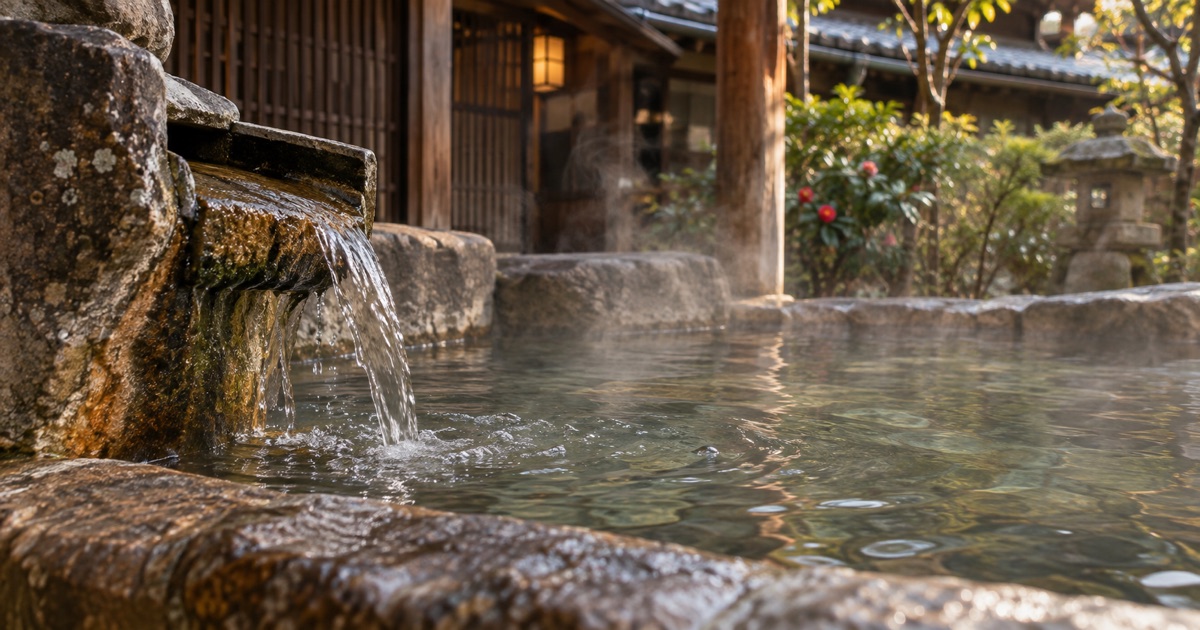
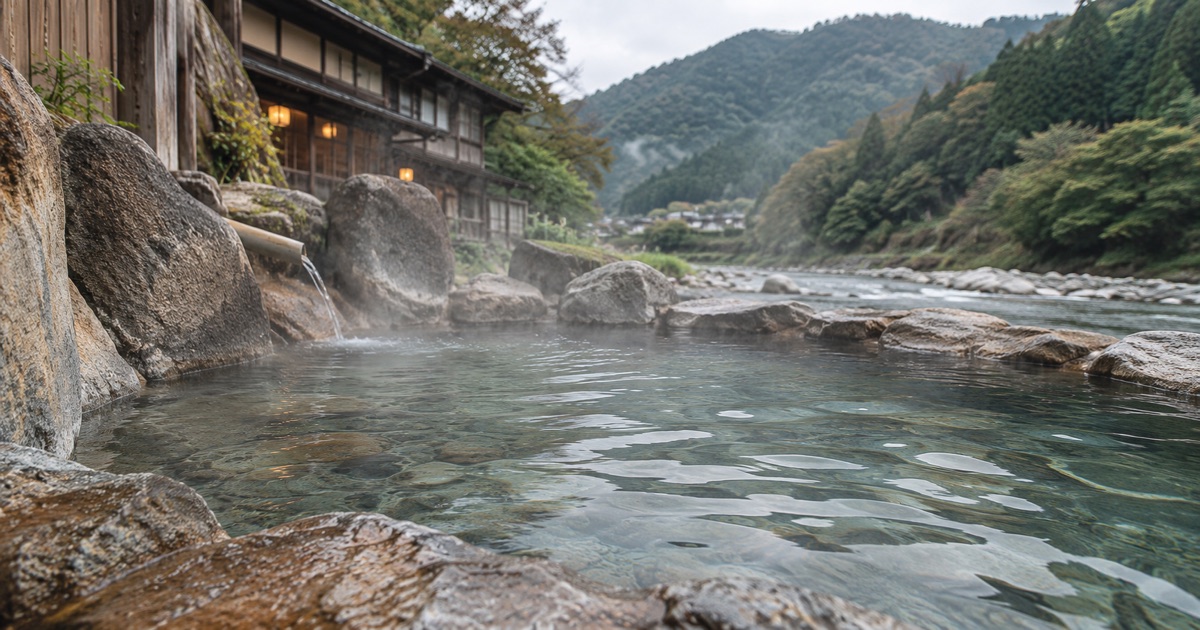
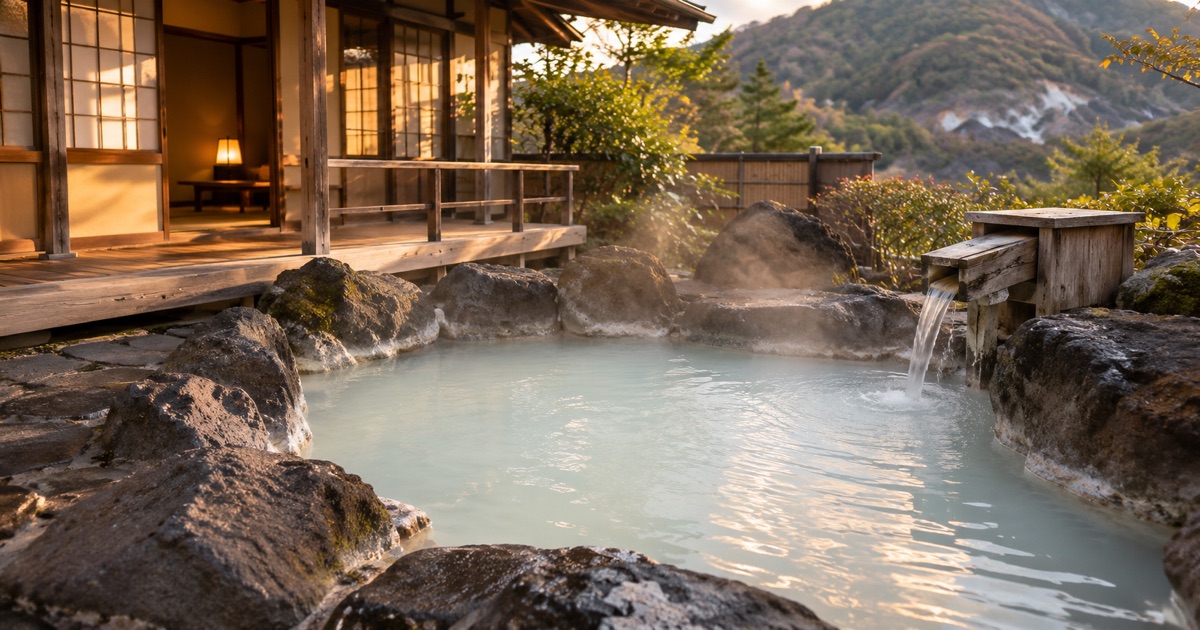
Nagasaki onsen ryokan offer travellers a classic Japanese hot spring retreat set amid steaming mountain peaks and sweeping coastal sunsets. The prefecture’s best traditional inns are concentrated on the Shimabara Peninsula (島原半島), primarily in the highland sulfur resort of Unzen Onsen and the seaside hot spring village of Obama Onsen.
While Nagasaki City is world-famous for its peace parks, historic churches, and vibrant harbour, heading an hour or two outside the city centre leads to thermal waters that have hosted travellers for centuries. Whether you seek a luxurious mountain hideaway with Kaiseki multi-course dinners or a breezy oceanfront inn, choosing the right Nagasaki onsen ryokan requires understanding where to go, how to travel there without Japanese language skills, and how to navigate ryokan customs.
The Top Hot Spring Areas in Nagasaki
Nagasaki Prefecture possesses distinct geothermal zones. Unlike massive resort cities elsewhere in Japan, Nagasaki’s onsen culture is deeply intertwined with volcanic geography, regional trading history, and local agriculture.
Unzen Onsen (雲仙温泉): Highland Steam and Historic Solitude
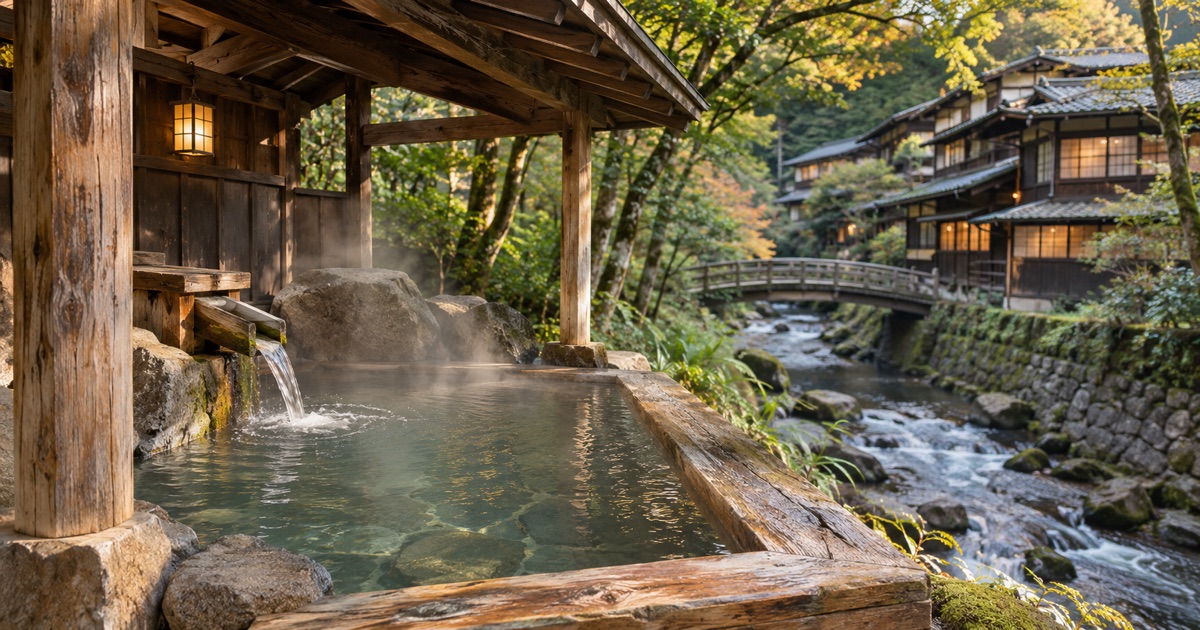
Located roughly 700 metres above sea level inside the Unzen-Amakusa National Park, Unzen Onsen is Nagasaki’s crown jewel for hot spring lovers. Established as one of Japan’s earliest tourist resorts for international visitors in the late nineteenth century, Unzen combines crisp mountain air with active volcanic fields known as the Unzen Jigoku (雲仙地獄, or "Unzen Hells").
- Atmosphere: Alpine, moody, and deeply relaxing. White steam vents hiss through walking paths right behind historic properties.
- The Waters: Mineral-rich, acidic, and milky-white sulfur springs that leave the skin feeling refreshed.
- Ryokan Style: Ranging from historic luxury establishments established in the Meiji and Taisho eras to comfortable, mid-range family-run Japanese inns.
Obama Onsen (小浜温泉): Sunset Baths Along the Tachibana Bay
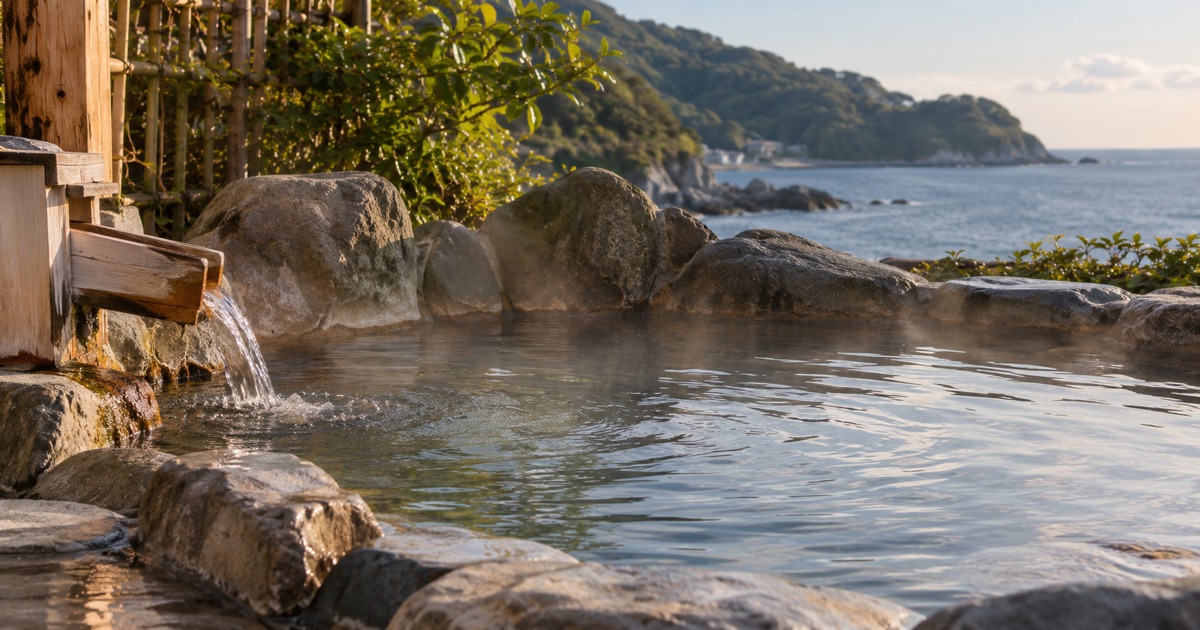
Resting at the foot of Mount Unzen along the coast of Tachibana Bay, Obama Onsen provides a completely different experience. Known for having some of the highest-temperature spring water in Japan—emerging at roughly 105 degrees Celsius—this town features coastal inns where guest rooms and rooftop baths face directly west toward the evening sun.
- Atmosphere: Casual, maritime, and laid-back. You will find steam cookers set up outside shops where locals steam eggs, vegetables, and seafood.
- The Waters: Clear, salty sodium chloride springs that help your body retain heat long after you step out of the bath.
- Ryokan Style: Oceanfront inns with modern amenities, seaside open-air baths (rotenburo), and fresh seafood banquets.
Recommended Flow: Planning a Stay at a Nagasaki Onsen Ryokan
Staying at a traditional ryokan is an immersive cultural experience that functions differently from standard Western hotels.
Step 1: Select Your Room and Meal Plan
When reserving a ryokan, most bookings include dinner and breakfast (known in Japan as two meals included, or half-board).
- Standard Japanese Rooms (Washitsu): Feature woven tatami reed flooring, sliding screens (shoji), and futon bedding laid out by staff in the evening.
- Japanese-Western Hybrid Rooms: Combine tatami sitting spaces with raised western twin beds, ideal for guests who prefer mattress sleeping.
- Rooms with Attached Open-Air Baths (Rotenburo-tsuki Kyakushitsu): Provide 24-hour access to private natural hot spring water on your personal terrace or balcony.
Step 2: Mind the Check-in Window
Ryokan dinner service is carefully coordinated around your arrival. Most Nagasaki onsen ryokan ask guests to check in between 15:00 and 17:30. Arriving later than 18:00 without prior notice may result in your multi-course dinner being cancelled without a refund, as the chefs prepare seasonal courses based on strict timing.
Step 3: Enjoy the Kaiseki Dinner
Nagasaki’s regional cuisine takes centre stage during evening banquets. In Unzen, meals often feature Nagasaki wagyu beef, mountain vegetables, and local root crops. In Obama, you can expect an abundance of raw and simmered catch from Tachibana Bay, such as sea bream, squid, and seasonal shellfish.
We are working to carry Japanese craft and everyday culture beyond Japan, by building Japan Towns with local partners.
Read the Japan Town plan →How to Get to Nagasaki's Onsen Towns
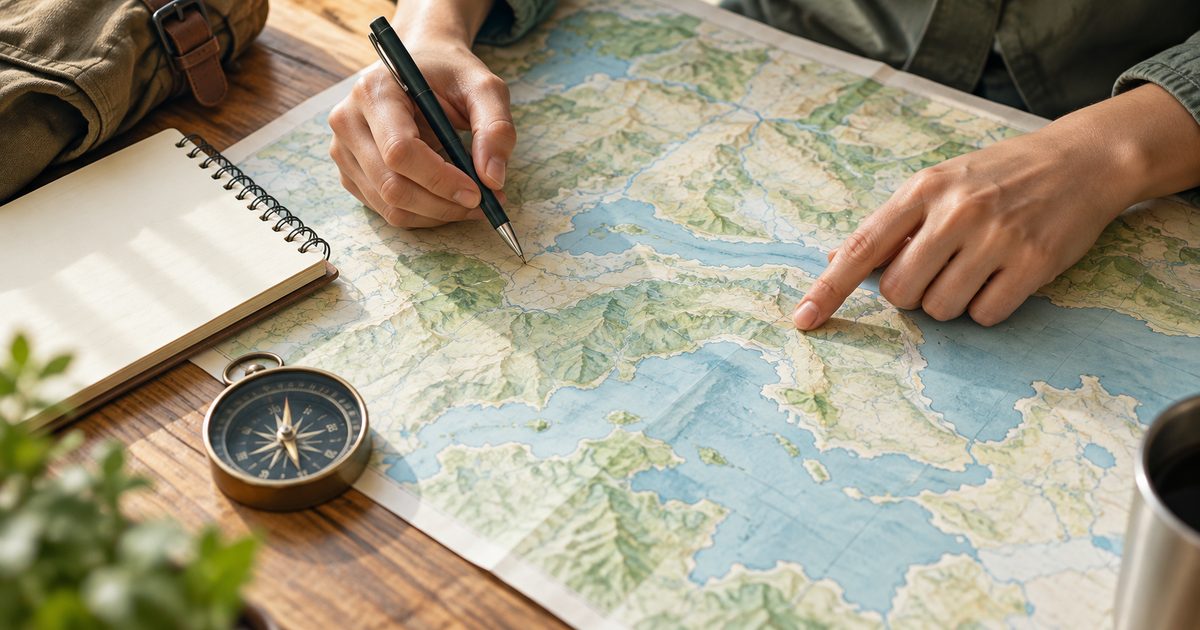
Navigating public transport in regional Kyushu is straightforward if you plan train-to-bus transfers in advance. International visitors can check travel routes through resources like the Japan National Tourism Organization.
Travelling from Nagasaki Station to Unzen Onsen
- By Train & Bus: Take the JR Kamome relay or local line from Nagasaki Station (長崎駅) to Isahaya Station (諫早駅), which takes around 20 to 30 minutes. From the Isahaya Bus Terminal outside the station, board the Shimatetsu Bus (島鉄バス) bound for Unzen. The bus ride winds through coastal flats and up the mountain road in approximately 80 minutes.
- By Direct Express Bus: During certain seasons, direct express bus services run between Nagasaki Bus Terminal and Unzen. Always verify current operating calendars, as seasonal timetables change.
Travelling from Nagasaki Station to Obama Onsen
Obama lies along the base of the peninsula, making it slightly quicker to reach by road.
- Take the train from Nagasaki Station to Isahaya Station.
- Board the Shimatetsu Bus heading to Obama / Unzen and disembark at Obama Onsen (roughly 50 to 60 minutes from Isahaya).
For train connections, schedules, and regional rail discount options across Kyushu, review details via JR Kyushu.
Bathing Etiquette for First-Time Visitors
Public bathing in Japan adheres to shared customs that maintain cleanliness and peace for everyone.
Before Entering the Water
- Shoes Off: Remove footwear at the ryokan entryway (genkan) or bathhouse entrance.
- Nudity is Standard: Swimwear, underwear, and shoes are strictly forbidden in communal baths. You will undress completely in the designated gendered changing area.
- Wash First: Head directly to the washing stalls equipped with stools, hand basins, body wash, and shampoo. Sit down to scrub and rinse thoroughly before touching the communal pool. Never soap up inside the bath water.
In the Hot Spring Bath
- Keep Your Small Towel Out: You will receive a small face towel (tenugui). Keep this out of the water; place it on the edge of the tub or fold it on top of your head.
- Tie Back Long Hair: Keep long hair gathered above the water surface with a hairband or clip.
- Dry Off Lightly: When returning to the changing area, dry your body with your wrung-out small towel so you do not leave standing puddles on the changing room floor.
Tattoo Policies at Nagasaki Ryokan
Policies regarding body art vary across Japanese lodgings. While some traditional establishments still request guests with large or visible tattoos to refrain from using communal baths, others are increasingly welcoming.
If you have tattoos:
- Check the specific property's FAQ or house rules before booking.
- If minor, cover them using waterproof flesh-coloured patches sold at convenience stores or pharmacies throughout Japan.
- For absolute peace of mind, book an inn that offers reservable private family baths (kashikiri-buro, 貸切風呂) or reserve a room with its own private bath.
What to Bring and Common Mistakes to Avoid
A smooth ryokan stay comes down to packing lightly and respecting regional pacing.
What to Pack
- Cash (Japanese Yen): While upscale ryokan accept major credit cards, regional buses, local shops, and public footbaths on the peninsula often require cash.
- Slip-On Footwear: You will frequently change between street shoes, inn slippers, and bare tatami. Easy slip-on shoes make transfers effortless.
- A Simple Daypack: If travelling from Tokyo or Fukuoka for an overnight stop, consider sending large rolling luggage ahead to your next major city hotel via luggage courier (takkyubin), carrying only what you need for the night into the mountains.
Mistakes to Avoid
- Rushing Out After Dinner: The thermal waters in Unzen and Obama are therapeutic and best experienced multiple times: once before dinner, once before sleep, and once early in the morning before breakfast.
- Ignoring the Changing Scenery: Do not spend your entire stay inside your room. In Obama, walk the waterfront to the 105-metre-long public footbath (Hotfoot 105). In Unzen, wander the boardwalks through the sulfur vents under the evening lantern light.
- Missing Bus Connections: Buses on the Shimabara Peninsula run on regular, but infrequent, hourly schedules. Missing the final late-afternoon bus can leave you stranded at Isahaya Station, requiring an expensive taxi ride. Always photograph or confirm the departure board when you arrive.
Choosing a Nagasaki onsen ryokan gives you access to some of western Japan’s most dramatic natural beauty, incredible ocean cuisine, and authentic hospitality away from the busiest tourist trails.
FAQ
- Q. Where are the best hot spring towns in Nagasaki Prefecture?
- A. The two premier hot spring resorts in Nagasaki Prefecture are Unzen Onsen (high in the mountains) and Obama Onsen (along the coast), both on the Shimabara Peninsula.
- Q. Can travellers with tattoos stay at a Nagasaki onsen ryokan?
- A. Yes, though public bath policies differ by property. Those with tattoos should book a ryokan room with a private bath or reserve a kashikiri (rental bath).
- Q. How do you get from Nagasaki Station to Unzen Onsen?
- A. Take a JR train from Nagasaki Station to Isahaya Station, then board a local bus bound for Unzen, taking roughly 80 to 100 minutes total.
Cite or share this article
Copy the link below. If you quote this article, please link to this page as the source.