Best Onsen Near Sapporo Station: Day Trips and Baths
Key takeaways
- You can reach genuine hot spring baths within a short walk or direct bus ride from Sapporo Station.
- Options range from high-rise sky spas downtown to atmospheric mountain river valleys like Jozankei.
- Most day-use baths provide basic amenities, but tattoo policies vary widely across individual venues.
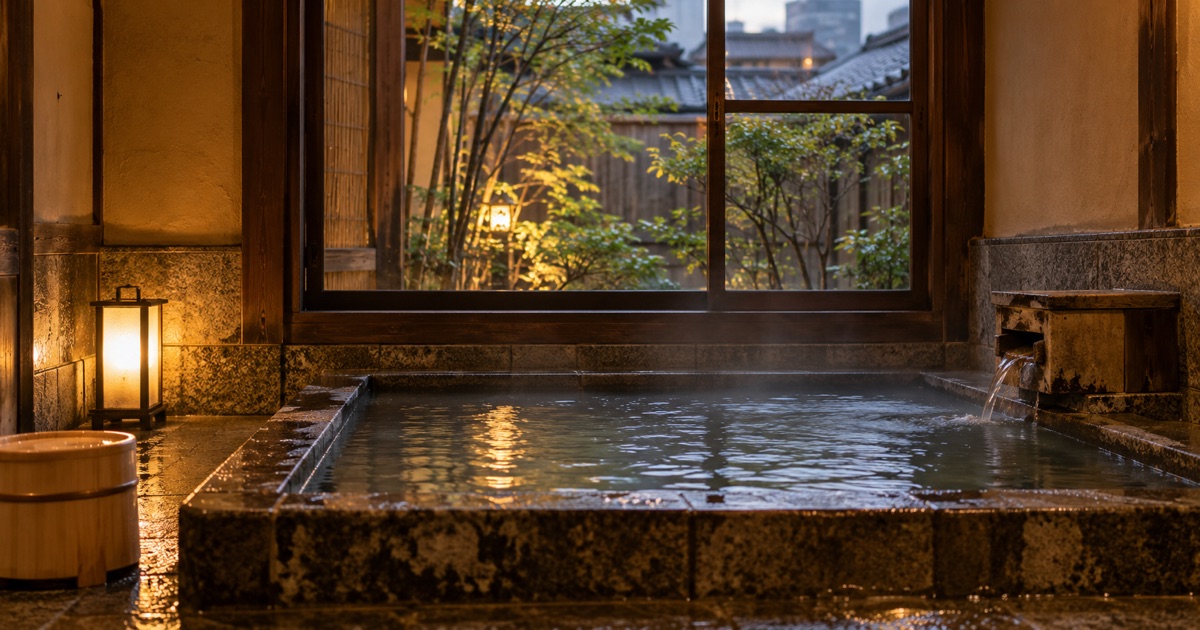
If you are looking for an onsen near Sapporo Station (札幌駅), you have several excellent options ranging from high-rise hotel baths within walking distance to scenic hot spring towns accessible by a short bus ride. Whether you have just an hour between trains or an entire afternoon to spare, natural thermal waters are easily reachable from the transport hub of Hokkaido.
Many travellers assume they must journey deep into the wilderness to experience authentic Japanese baths. In Sapporo, however, natural geothermal waters are piped directly into urban bathhouses, while world-renowned hot spring gorges sit right on the city's outskirts.
Hot Springs Within Walking Distance of Sapporo Station
Several modern hotels situated right outside Sapporo Station feature natural hot spring baths open to non-staying day visitors. These urban facilities allow you to soak without leaving the central shopping and transit district.
JR Tower Hotel Nikko Sapporo
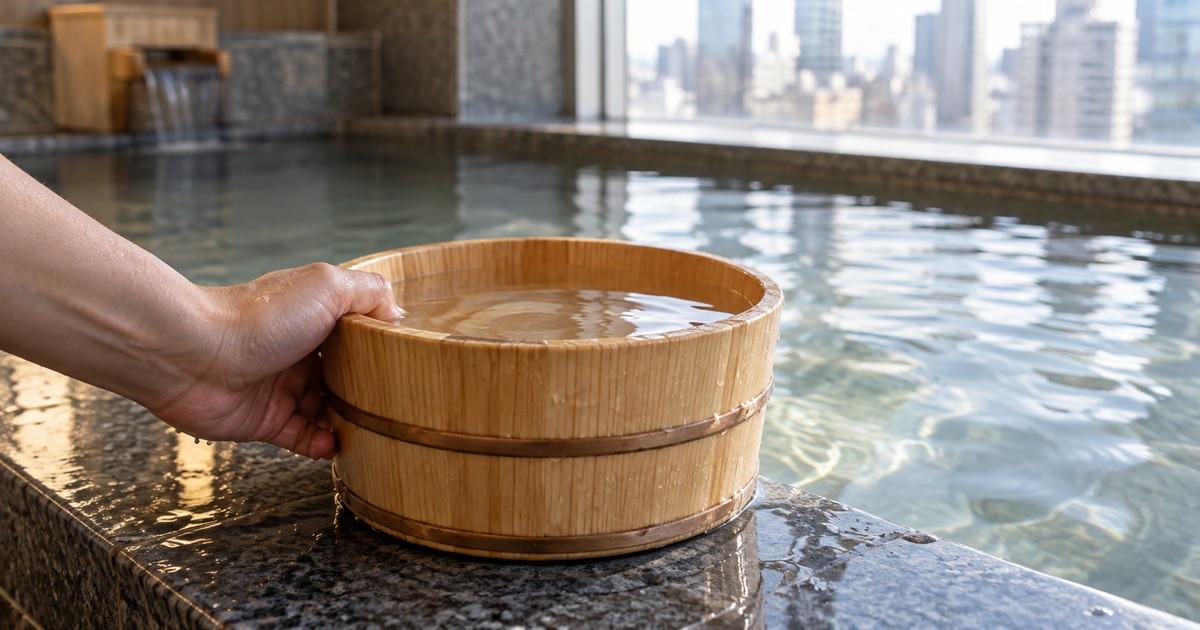
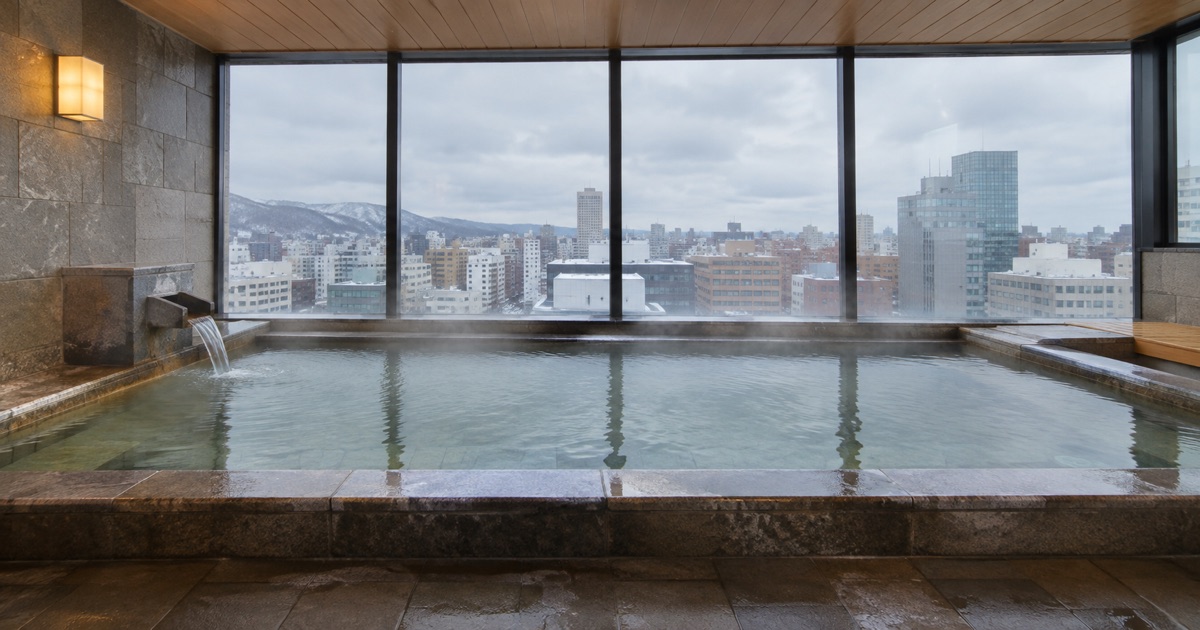
Located directly above the station complex, the Sky Resort Spa "Pulau Bulan" inside the JR Tower Hotel Nikko Sapporo sits on the 22nd floor. The facility draws natural thermal mineral water from 1,000 metres beneath the station grounds.
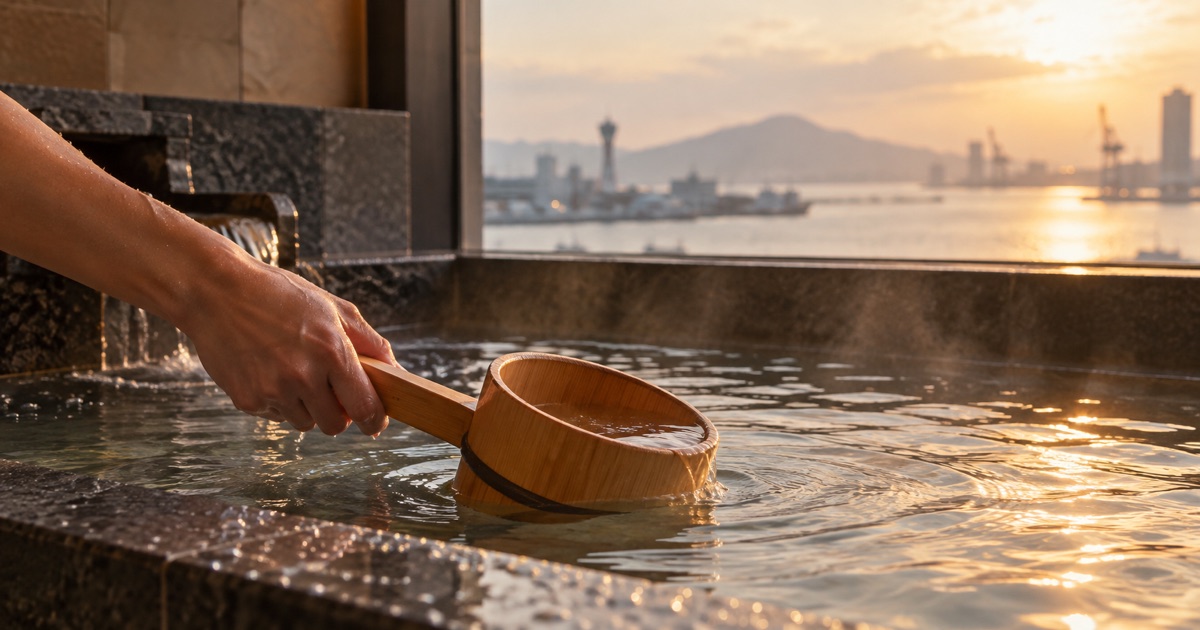
Because the bath is perched high above the city, it offers panoramic views of the Sapporo skyline. The spa includes hot baths, Finnish saunas, and relaxation lounges. Entry fees are typically on the higher end—often around 3,000 yen or more—reflecting its luxury hotel setting. Note that access may be restricted during peak hotel occupancy periods, and the spa enforces strict age minimums (usually no admission for children under primary school age). Towels, bathrobes, and toiletries are provided on-site.
Hotel Monterey Edelhof Sapporo
A roughly 7- to 10-minute walk south of Sapporo Station brings you to Hotel Monterey Edelhof Sapporo (ホテルモントレエーデルホフ札幌). This facility houses an expansive indoor bath complex known as "Karin."
Drawing natural hot spring water from deep underground, it features large communal soaking tubs, jet baths, and dry saunas. Day-use visitors can purchase an entry ticket that includes towels and lounge access. The interior carries a classic European aesthetic blended with Japanese bathing traditions. Expect entry fees around 2,000 to 3,000 yen. Operating hours can fluctuate based on hotel maintenance, so checking the front desk schedule in advance is wise.
Day-Trip Hot Springs Accessible by Direct Bus
If you want an open-air bath surrounded by nature, several renowned onsen areas operate direct bus routes departing from Sapporo Station.
Jozankei Onsen (定山渓温泉)
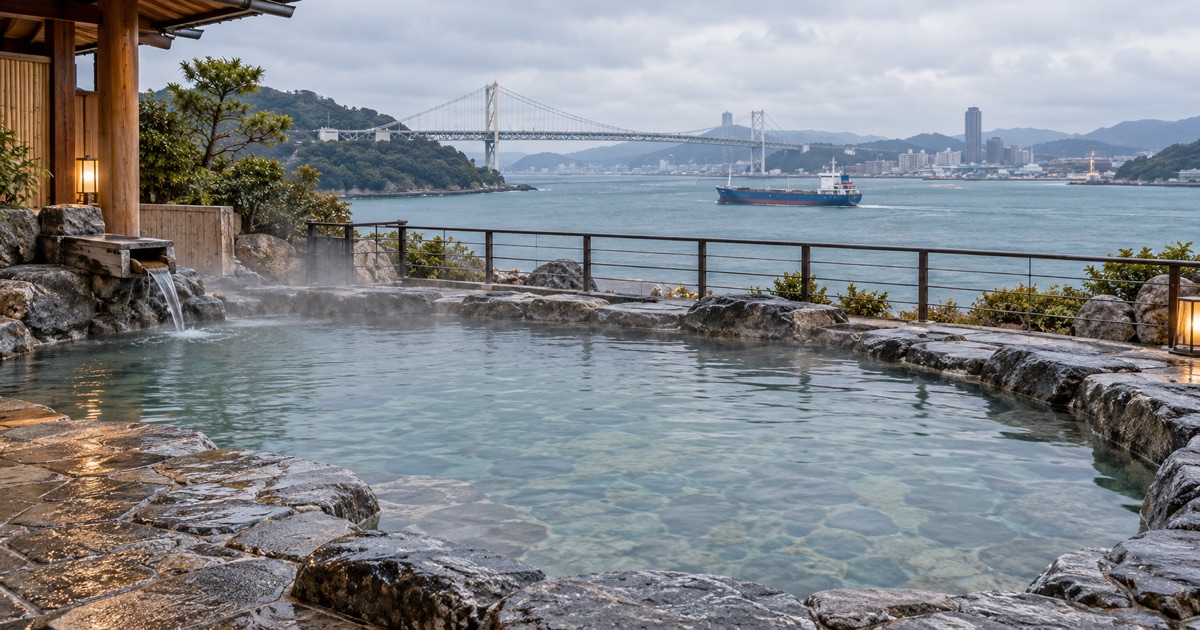
Jozankei Onsen is a historic hot spring valley located inside Shikotsu-Toya National Park, roughly an hour south of central Sapporo. Set along the Toyohira River gorge, this town is famous for its riverside open-air baths (rotenburo) and vibrant autumn foliage.
To get there, board the "Kappa Liner" or the local Jotetsu Bus from the bus terminals around Sapporo Station. The journey takes around 60 to 75 minutes depending on snow and traffic conditions. Many grand ryokan (traditional inns), such as Jozankei Daiichi Hotel Suizan-tei or Hoheikyo Onsen slightly further up the road, welcome day-use bathers (higaeri onsen).
Hoheikyo Onsen (豊平峡温泉) is particularly celebrated for its vast, boulder-lined outdoor pools fed by 100% pure, unfiltered hot spring water. Standard entry tickets for day-use in Jozankei range roughly from 800 to 1,800 yen. For travel details across Hokkaido, consult the Japan National Tourism Organization planning resources.
Otaru and Asarigawa Onsen (朝里川温泉)
If you combine your bath with seaside sightseeing, the hot springs near Otaru offer a relaxing coastal-mountain escape. Taking the JR Hakodate Line rapid train from Sapporo Station gets you to Otaru Station (小樽駅) or Asari Station (朝里駅) in about 30 to 40 minutes.
From Asari or Otaru, local buses run to Asarigawa Onsen, a peaceful hot spring pocket nestled along a forested river. It is far quieter than downtown Sapporo, making it an ideal half-day retreat. Day-use fees at local lodges here generally run between 600 and 1,200 yen. You can check regional train connections and pass details on the JR Hokkaido official website.
We are working to carry Japanese craft and everyday culture beyond Japan, by building Japan Towns with local partners.
Read the Japan Town plan →What to Bring and How to Prepare
Visiting a Japanese onsen requires almost no heavy packing, as most urban and resort baths supply core necessities. However, knowing what to carry will make your visit smoother.
- Cash (Coins and Bills): While large hotel spas accept major credit cards, automated ticket vending machines (kenbaiki) and shoe lockers at suburban bathhouses often require 100-yen coins or cash.
- Towel Set: Luxury hotel spas provide bath towels and small washcloths for free. Suburban facilities often charge a modest rental or purchase fee (roughly 200 to 400 yen), so bringing a small, quick-drying towel in your daypack is practical.
- Hair Ties: Anyone with hair past collar length must tie it up securely; soaking hair in communal bath water is strictly against Japanese bathing customs.
- Plastic Bag: Keep a small waterproof pouch or bag handy for your damp hand towel after exiting the bath.
Soap, shampoo, and body wash are nearly always provided free of charge in the washing areas, along with wall-mounted hair dryers in the changing rooms.
Navigating the Onsen Process: Step-by-Step
Communal bathing in Japan follows a clear, logical routine designed around personal hygiene and mutual consideration.
- Remove Footwear: Take off your outdoor shoes at the entrance or genkan area. Place them in a shoe locker, remove the key, and carry it with you.
- Purchase Entry: Pay at the front counter or purchase a day-use ticket from the vending machine. Hand your ticket to the attendant.
- Enter the Correct Changing Room: Look for the fabric curtains (noren). Blue curtains marked with 男 (otoko) indicate the men's bath; red curtains marked with 女 (onna) indicate the women's bath.
- Undress Completely: In the locker room, remove all clothing, including underwear and jewellery. Swimsuits are not permitted. Store your clothes, watch, and personal items in a locker and lock it. You should only take your small modesty washcloth into the bathing area.
- Wash Thoroughly Before Soaking: Walk into the washing section lined with small stools, mirrors, and handheld showerheads. Sit down on a stool to wash and rinse your entire body thoroughly before entering any communal tub. Never stand while showering, as this splashes soapy water onto others.
- Enter the Water Gently: Step slowly into the tub. Keep your small washcloth out of the water; fold it and set it on top of your head or place it on the dry ledge beside you.
- Cool Down and Dry Off: Move between indoor tubs, saunas, and outdoor baths at your own pace. Before stepping back onto the woven mats of the changing room, wring out your small towel and wipe your skin dry to avoid dripping water onto the floor.
Essential Etiquette and Facility Rules
Respecting shared customs ensures a pleasant environment for every visitor sharing the water.
Matter-of-Fact Nudity
First-time foreign visitors frequently feel self-conscious about public nudity. In Japan, communal bathing is regarded naturally and neutrally. Bathers pay little attention to others around them. Carrying your small modesty towel in front of your pelvis while walking between the washing stations and the pools is customary, but the towel must never touch the soaking water.
Tattoo Policies
Tattoo policies differ significantly from facility to facility. High-end hotel spas and historic ryokan often enforce strict no-tattoo rules in their communal baths. However, modern facilities and traditional public baths (sento) may permit tattoos if they are small enough to be covered with waterproof patches.
If you have visible body art, check the specific bathhouse's official website prior to your arrival. For those with extensive tattoos, booking a ryokan with a reservable private bath (kashikiri-furo) in nearby Jozankei is the safest and most comfortable alternative.
Hydration and Timing
Thermal waters in Hokkaido are drawn at high temperatures and contain rich mineral loads. To prevent dizziness, drink a glass of water before entering the bath area, avoid staying submerged past the point of comfort, and drink plenty of fluids from the rest area vending machines after you finish.
FAQ
- Q. Can I visit an onsen near Sapporo Station without staying overnight?
- A. Yes, several hotels near the station offer day-use access to their hot spring baths, and suburban onsen towns feature public bathhouses.
- Q. How far is Jozankei Onsen from Sapporo Station?
- A. Jozankei Onsen is roughly an hour away from Sapporo Station by direct highway bus, making it an easy half-day or full-day trip.
- Q. Are tattoos allowed in hot springs around Sapporo?
- A. Policies vary by facility, with many traditional public baths restricting visible ink; always verify rules directly with each bathhouse.
Cite or share this article
Copy the link below. If you quote this article, please link to this page as the source.