Shinjuku Onsen Spa Guide: Top Baths and Day Spas
Key takeaways
- Shinjuku offers natural hot springs trucked from Izu, modern super sento spas, and rooftop open-air baths.
- Most facilities provide towels, lounge wear, and toiletries, allowing you to visit empty-handed without advance booking.
- Tattoo rules vary strictly by venue; check each facility's official policy before visiting to avoid refused entry.
Shinjuku features several full-scale hot spring spas and traditional public baths located right in the heart of Tokyo. While Shinjuku is famous for neon-lit skyscrapers and busy transit hubs, visitors can soak in authentic thermal waters trucked in from mountain springs or unwind in modern wellness complexes just minutes from major train exits.
Navigating Japanese bathing facilities for the first time can feel intimidating without local language skills. This guide covers the best Shinjuku onsen spa options, step-by-step etiquette, tattoo considerations, and practical advice for an easy, relaxing visit.
Top Onsen and Spa Facilities in Shinjuku
Shinjuku hosts a mix of expansive "super sento" complexes, traditional neighborhood bathhouses (sento), and boutique hotel baths open to day guests.
Thermae-Yu (テルマー湯)
Thermae-Yu is Shinjuku’s most famous modern day-spa complex, located in the Kabukicho (歌舞伎町) district. It spans six floors dedicated to relaxation, bathing, and dining.
- The Water: Thermae-Yu pumps in authentic hot spring water daily by tanker truck from Jindai Onsen in Izu, Shizuoka Prefecture. This provides a genuine mineral bath experience in central Tokyo.
- Bathing Options: The facility includes an outdoor open-air bath (rotenburo), carbonated micro-bubble baths, high-temperature saunas, cold plunge pools, and steam rooms.
- Amenities: Entry fees typically cover rental towels, indoor lounge clothes (kanai-gi), shampoo, conditioner, body soap, skincare lotions, and hair dryers.
- Location: Roughly an 8- to 10-minute walk from the East Exit of JR Shinjuku Station (新宿駅) or a 2-minute walk from Shinjuku-sanchome Station (新宿三丁目駅).
- Practical Note: The spa is open nearly 24 hours a day, making it popular for travelers with late arrivals or early departures. Late-night surcharges apply after midnight. Always check the official website for current entry rates and maintenance closures.
ONSEN RYOKAN YUEN SHINJUKU (ONSEN RYOKAN 由縁 新宿)
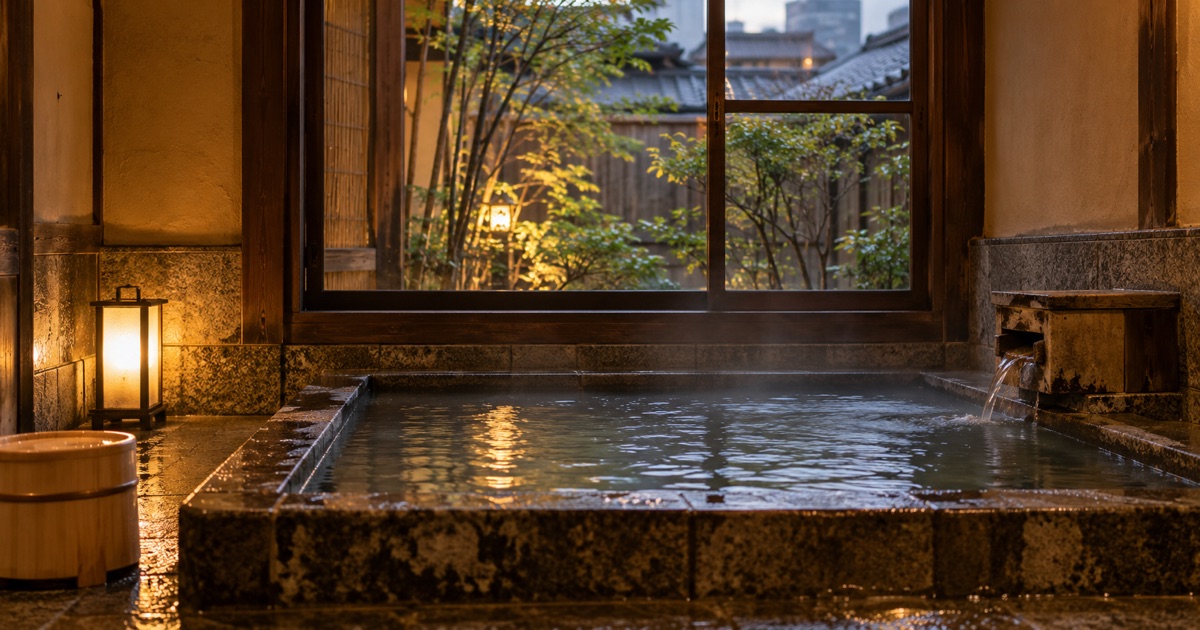
For a serene, traditional aesthetic, Yuen Shinjuku combines the atmosphere of a classic Japanese ryokan with contemporary urban architecture.
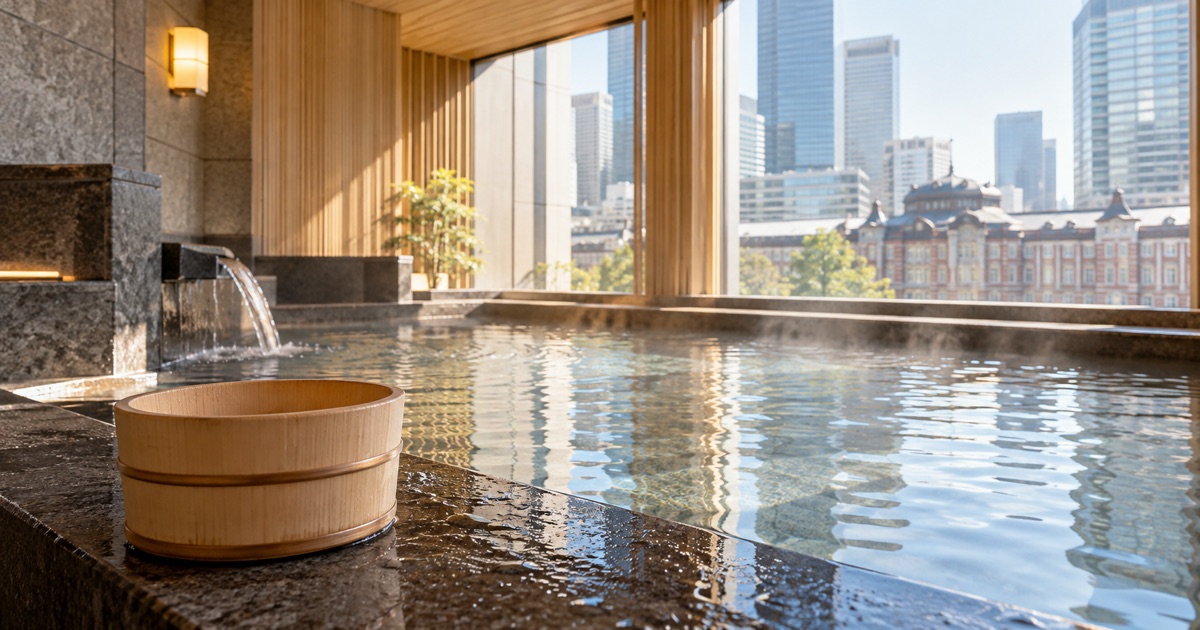
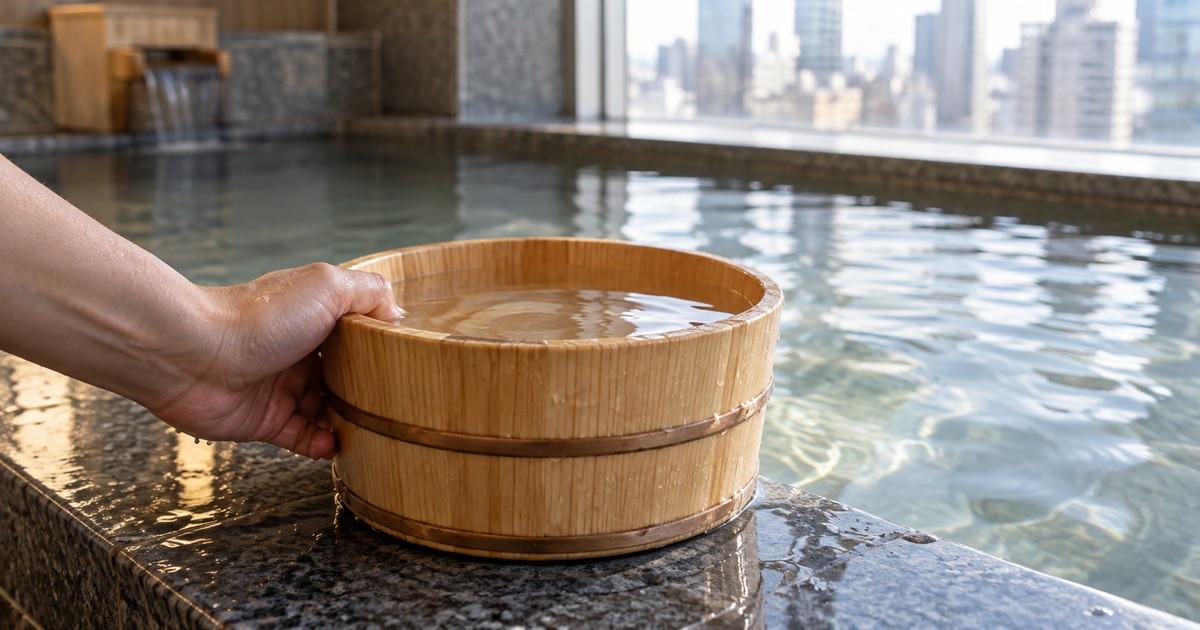
- The Bath: Located on the top floor, the outdoor bath features mineral-rich onsen water transported from Hakone (箱根). Soaking while looking out over the Shinjuku skyline offers a quiet escape from street-level crowds.
- Access for Day Guests: The hot spring bath is primarily designed for overnight hotel guests. However, the facility frequently offers day-use plans that combine a seasonal lunch or dinner at their on-site restaurant with access to the rooftop baths.
- Location: Situated in Shinjuku 5-chome, approximately a 7-minute walk from Shinjuku-gyoemmae Station (新宿御苑前駅) or 20 minutes on foot from JR Shinjuku Station.
Traditional Sento: Sakaeyu (栄湯) and Benten-yu (弁天湯)
If you prefer a neighborhood communal bath rather than a multi-story luxury complex, Shinjuku retains several classic sento.
- Sakaeyu: Located in the Nishiochiai district (accessible via the Seibu Shinjuku Line), this retro neighborhood sento features natural underground spring water, specialty herbal baths, and a calm, residential vibe.
- Benten-yu: Situated near Shinjuku-sanchome, Benten-yu offers an authentic local bathhouse setting adorned with traditional wall murals and open tiled tubs.
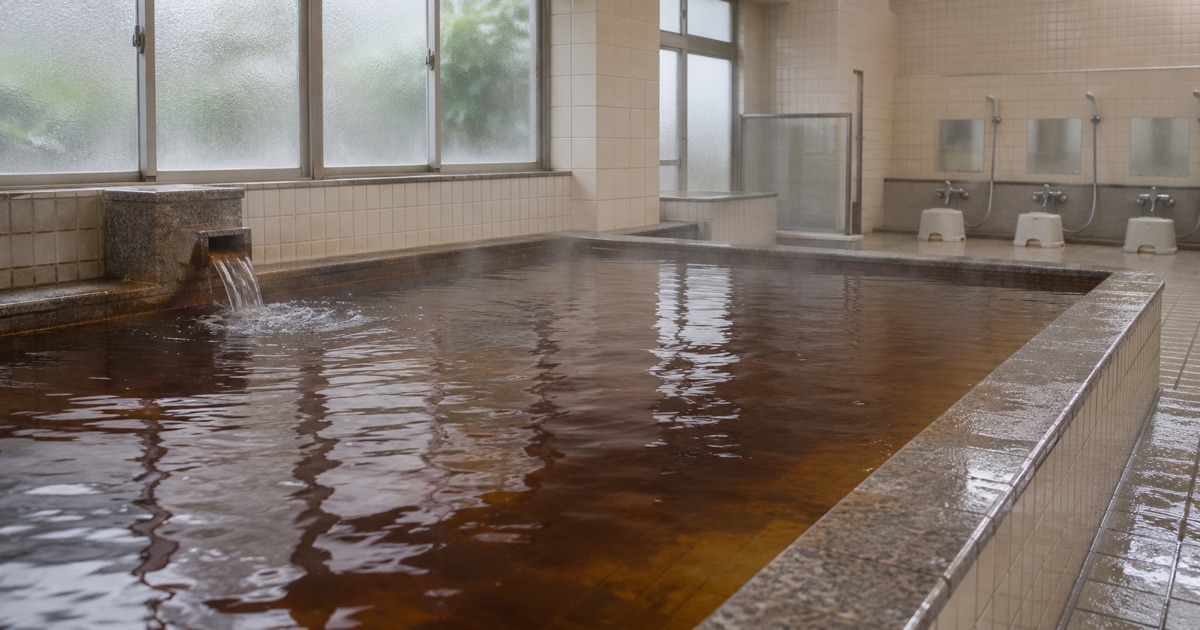
- What to Expect: Sento are municipal public baths. Prices are regulated by the Tokyo Bathhouse Association and run significantly cheaper than super sento (generally under 600 yen). Note that sento use regular heated water rather than certified mineral onsen water, and you must bring your own soap and towels or purchase small single-use packs at the front desk.
For broader travel planning in Japan's transit capital, consult the Japan National Tourism Organization to align your bathhouse visits with regional transit schedules.
Step-by-Step: How to Use a Shinjuku Spa
Most modern day spas operate under a straightforward routine, even if you do not speak or read Japanese.
1. Shoe Lockers and Check-In
Remove your shoes at the entrance and place them into a shoe locker. Take the shoe locker key to the front reception desk (front).
At check-in, the staff will hand you a wristband with a barcode or an electronic key. This wristband tracks your locker number and any inside purchases (such as vending machines, restaurant meals, or spa massages), which you settle at the payment machines when leaving.
2. Changing Rooms and Locker Usage
Separate curtained doorways mark the entrances for men (typically indicated by blue curtains with the character 男) and women (typically indicated by red curtains with the character 女).
Inside the changing area:
- Find the locker matching your wristband number or choose any open locker.
- Strip down entirely. Swimwear, underwear, and shoes are strictly forbidden in the bath area.
- Take only your small modesty towel into the bathing hall. Leave your large bath towel, phone, and clothing secured in the locker.
3. The Washing Station
Before stepping into any pool, walk directly to the row of seated washing stalls.
- Sit down on a plastic stool; do not wash while standing up to avoid splashing water on others.
- Use the provided body soap and shampoo to wash thoroughly from head to toe.
- Rinse away all soap suds completely before entering the baths.
4. Soaking and Etiquette
- Ease into the water slowly. The baths can range from mild (around 38°C / 100°F) to hot (up to 42°C / 107°F or higher).
- Keep your hair tied up above the waterline.
- Do not let your modesty towel touch the bathwater. Fold it and place it on your head, or set it on the dry ledge beside the tub.
- Keep conversations quiet. Spas are treated as calm communal sanctuaries.
- Dry off thoroughly with your small towel before stepping back onto the changing room mats to keep the floor dry.
We are working to carry Japanese craft and everyday culture beyond Japan, by building Japan Towns with local partners.
Read the Japan Town plan →What to Bring and What to Leave Behind
Modern facilities like Thermae-Yu require very little preparation.
- What is provided: Bath towels, face towels, lounge wear, shampoo, conditioner, body wash, shaving cream, hair dryers, basic moisturizers, and cotton swabs.
- What to bring: Any personal specialty cosmetics, prescription medications, or preferred grooming items.
- What to leave behind: Valuables should stay in your hotel room safe or locked securely in the facility's front lockers. Phones, cameras, and recording devices are strictly prohibited inside the changing rooms and bathing zones.
If you are using regional rail to connect through Shinjuku, you can monitor train lines, station maps, and locker storage through JR East.
Tattoo Rules in Shinjuku Spas
In Japan, body art has historical associations with organized crime, leading many public baths and onsen to ban tattoos entirely.
- Strict Policies: Large super sento complexes frequently maintain strict no-tattoo rules. Staff will ask guests with visible tattoos to leave without a refund.
- Covering Up: Some facilities allow guests to enter if their body art can be completely concealed using waterproof adhesive patches (available at Japanese pharmacies or sometimes sold at front desks).
- Alternative Options: If you have extensive or difficult-to-cover tattoos, look into renting private baths (kashikiri-buro) at onsen hotels outside central Tokyo, or seek out certified tattoo-friendly public sento across the city.
- Verification: Policies change regularly. Always review the English FAQ or policies page on the specific facility’s official website prior to your visit.
Avoiding Common Mistakes
To ensure a seamless visit, keep these practical points in mind:
- Hydrate First: Hot spring water and high-heat saunas dehydrate the body quickly. Drink a glass of water before entering and take advantage of the free water fountains situated near the washing areas.
- Watch the Time: Staying past midnight at facilities like Thermae-Yu automatically triggers an overnight surcharge, which can double the base entry price. If you want a quick soak after dinner, ensure you check out before the late-night cutoff window.
- Know the Signs: Always double-check curtain colors and kanji before entering changing rooms. Red/pink curtains mark women's baths (女, onna), while blue/navy curtains mark men's baths (男, otoko).
FAQ
- Q. Can you visit a real natural onsen in Shinjuku?
- A. Yes, venues like Thermae-Yu bring genuine thermal spring water daily via tanker trucks directly from the Izu Peninsula in Shizuoka.
- Q. Do I need to make a reservation for a Shinjuku day spa?
- A. Most Shinjuku onsen spas operate on a walk-in basis, though overnight stays or private treatment packages may require advance booking.
- Q. Are tattoos allowed in Shinjuku spas?
- A. Many traditional and modern spas in Shinjuku prohibit visible tattoos entirely, while some allow entry if tattoos are discreetly covered with seal patches.
Cite or share this article
Copy the link below. If you quote this article, please link to this page as the source.