Best Onsen Near Kumamoto City: Top Day Trips & Baths
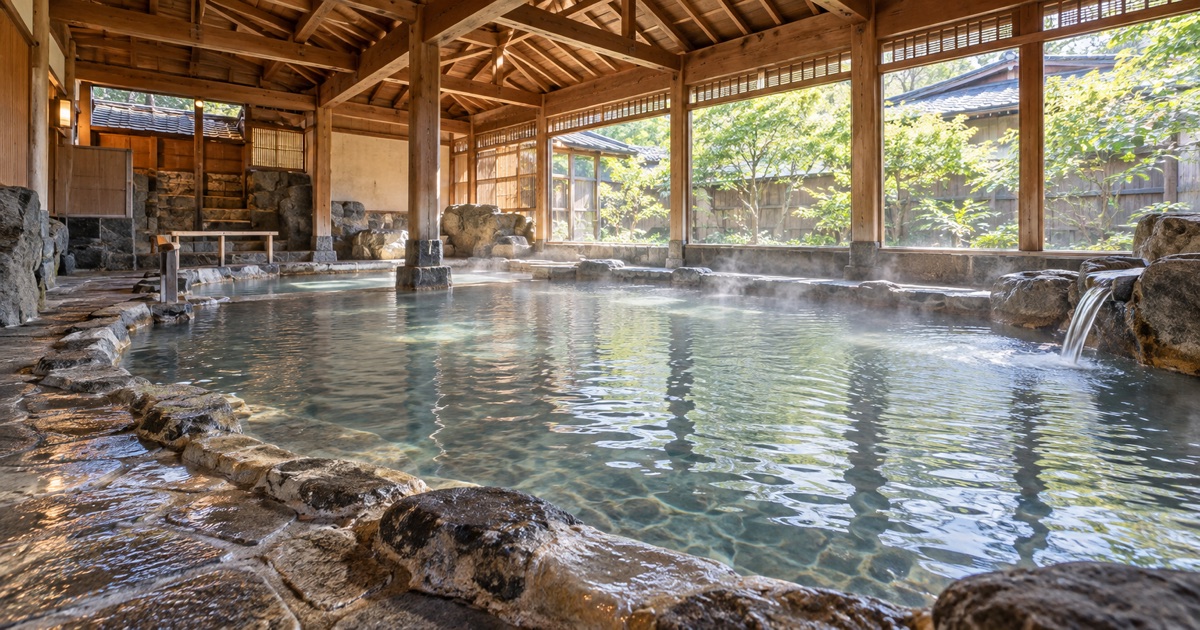
Key takeaways
- Historic onsen hubs like Tamana, Yamaga, and Kikuchi are located within 30 to 60 minutes of Kumamoto City.
- Options range from modern urban bathhouses inside the city to rural outdoor springs reached by train or bus.
- Bathing requires complete nudity; tattoo rules vary widely, so verify individual policies before visiting.
The best onsen destinations near Kumamoto City include the historic hot spring towns of Tamana, Yamaga, and Kikuchi, all accessible within 30 to 70 minutes by train or bus. Travelers staying within Kumamoto can also access full-service day-use bathhouses inside the city limits without venturing into the countryside.
Kumamoto Prefecture sits on the volcanic belt of Kyushu, making the capital city an ideal base for exploring mineral-rich waters. Whether you seek a quick soak after visiting Kumamoto Castle or a scenic day trip through traditional bathhouse districts, this guide covers the most practical options for international visitors who do not speak Japanese.
Top Onsen Towns Near Kumamoto City
Several distinct hot spring districts surround Kumamoto. Each town features a unique architectural history, bathing culture, and atmosphere.
Tamana Onsen (玉名温泉)
Located northwest of Kumamoto, Tamana Onsen is the fastest traditional onsen town to reach by train. The area has operated as a bathing retreat for over a thousand years. Its waters are typically simple thermal springs that feel smooth and mild on the skin.
Tamana features a mix of mid-sized traditional inns (ryokan) and public bathing facilities. Because it sits on the JR Kagoshima Main Line, it offers the smoothest connection for travelers relying strictly on rail passes.
- Travel Time: Roughly 30 to 40 minutes from Kumamoto Station.
- How to Get There: Take the JR Kagoshima Main Line local or rapid train from JR Kumamoto Station to JR Tamana Station (around 35 minutes). From Tamana Station, local taxis or municipal buses reach the bath cluster in about 5 to 10 minutes.
Yamaga Onsen (山鹿温泉)
Yamaga is renowned for its preservation of historic Kyushu architecture, most notably Sakura-yu (さくら湯), a grand public bathhouse rebuilt in traditional Edo-period timber style. The town's water is known for its silky texture (torori), and the town center is pleasant to explore on foot.
Yamaga does not have a direct railway station, which keeps it feeling like an unhurried, authentic local retreat.
- Travel Time: Roughly 60 to 70 minutes from central Kumamoto.
- How to Get There: Board a Sanko Bus (産交バス) bound for Yamaga Onsen from the Sakura Machi Kumamoto bus terminal in downtown Kumamoto. Get off at the Yamaga Onsen bus stop.
Kikuchi Onsen (菊池温泉)
Nestled near the scenic Kikuchi Gorge, Kikuchi Onsen was discovered in the mid-20th century. It is celebrated for abundant, clear, alkaline waters that many locals refer to as "beautifying water." The town has a quieter resort feel, with numerous traditional inns offering drop-in bathing (hi-gaeri nyuyoku) during afternoon hours.
- Travel Time: Roughly 60 to 75 minutes from Kumamoto City.
- How to Get There: Direct buses run from the Sakura Machi Kumamoto bus terminal to Kikuchi Onsen. Alternatively, rent a car to combine Kikuchi Onsen with a walk along the trails of Kikuchi Gorge.
Ueki Onsen (植木温泉)
Ueki Onsen sits on the northern outskirts of Kumamoto City along the Goshi River. Known as "Kumamoto's inner parlor," it hosts roughly a dozen small-scale, quiet ryokan. It is closer than Yamaga and Kikuchi, making it popular for short afternoon excursions.
- Travel Time: Roughly 45 to 55 minutes by bus from central Kumamoto.
- How to Get There: Local buses depart from the Sakura Machi Kumamoto terminal toward Ueki. A taxi from JR Ueki Station takes about 15 minutes.
Onsen Options Inside Kumamoto City Limits
If you have limited time and cannot leave the city center, you can still experience hot spring water without taking rural transport.
Natural Onsen Super Sentō Facilities
Large public bathhouses known as super sentō operate within city borders. These facilities combine authentic hot spring water trucked in or pumped from deep underground with saunas, cold plunge pools, relaxation lounges, and casual restaurants.
A prominent example is Tennen Onsen Bayside Hananoyu or bathhouses near the Shirakawa River. These modern facilities cater to families and solo travelers alike, offering clear ticketing systems through automated vending machines.
We are working to carry Japanese craft and everyday culture beyond Japan, by building Japan Towns with local partners.
Read the Japan Town plan →How These Towns Compare
To help you decide where to spend your travel time, consider how these regions stack up against one another:
Accessibility Without a Car
- Tamana: Easiest. Direct rail access via JR lines makes train travel straightforward.
- Yamaga & Kikuchi: Moderate. Requires navigating the regional bus terminal (Sakura Machi), though routes run directly.
- Ueki: Moderate to difficult. Shorter distance, but transfers or taxi connections from the station are often necessary.
Atmospheric and Traditional Aesthetics
- Yamaga: Highest. The presence of Sakura-yu and historic craft warehouses makes it the most visually historic destination.
- Kikuchi: Nature-focused. Best paired with river valleys and outdoor greenery.
- Tamana: Balanced. Offers classic riverside ryokan alongside everyday suburban life.
Essential Onsen Etiquette for Beginners
Japanese bathhouses follow established cultural norms to ensure shared hygiene and comfort. First-time visitors can follow these straightforward steps:
- Take Off Your Shoes: Place your shoes in the entryway lockers (gettabako) before stepping onto the polished wood or tatami floors.
- Buy Your Ticket: Most day-use baths use an automated vending machine near the reception (reception desk / front). Insert cash, press the button for adult admission (otona), and hand the ticket to the clerk.
- Gender Separation: Look for the cloth door curtains (noren). Red or pink typically marks the women’s section (女), while blue marks the men’s section (男).
- Undress Completely: In the changing area, remove all clothing, including swimwear. Bathing suits are strictly prohibited in standard onsen. Place all clothes, large towels, and valuables into a locker or basket.
- Wash Before Entering the Water: Sit on a plastic stool at a washing station before stepping into any communal pool. Use the provided body wash and shampoo to scrub and rinse thoroughly. Never stand while showering, as this splashes soapy water onto others.
- Keep Towels Out of the Bath: You may bring a small modesty washcloth into the bathing area, but it must never touch the communal bathwater. Place it on your head or set it on the edge of the tub.
- Dry Off Lightly Before Re-entering the Locker Room: Use your small washcloth to wipe off excess water so you do not leave puddles on the changing room mats.
What to Bring and What to Expect
- Towels: Most bathhouses provide shampoo and body soap, but towels are rarely free for day visitors. Bring a small face towel and a standard bath towel from your accommodation, or purchase a souvenir towel at the front desk for roughly 200 to 400 yen.
- Cash: While modern train stations accept IC cards, smaller regional buses and ticket machines at traditional baths often accept only cash (1,000 yen notes and coins).
- Hydration: Drinking hot spring water is only permitted at designated drinking fountains. Drink plenty of fresh tap water before and after your bath to avoid dehydration.
Tattoo Policies and Private Baths
In Japan, facilities frequently bar guests with body art due to historical associations with organized crime. While national attitudes are gradually shifting, rules remain strict in many Kyushu facilities.
- Public Baths: Traditional shared baths in Kumamoto, Yamaga, and Tamana may turn away visibly tattooed guests. If your tattoos are small, waterproof flesh-colored adhesive patches can sometimes be used to cover them.
- Private Family Baths (Kashikiri-buro / 貸切風呂): If you have extensive tattoos, book a private bath. Many day-use facilities and ryokan rent private bathing rooms by the hour (typically around 1,500 to 3,500 yen per hour). These rooms offer total privacy, making tattoo policies a non-issue.
- Always Check Ahead: Policies vary significantly across properties. Check the official website of the specific facility or ask your hotel concierge to confirm before traveling out to rural areas.
For nationwide rail connections and Kyushu route updates, consult official resources like JR Kyushu or travel planning advice from the Japan National Tourism Organization.
FAQ
- Q. Can I visit an onsen as a day trip from Kumamoto City?
- A. Yes, several famous hot spring towns such as Tamana, Yamaga, and Ueki are located within 30 to 60 minutes of the city center by train or local bus.
- Q. Are tattoos allowed in onsen near Kumamoto?
- A. Policies vary by facility. Traditional public baths often prohibit visible tattoos, while private rental baths (kashikiri) generally welcome all guests regardless of ink.
- Q. Do I need to bring my own towels to a Japanese hot spring?
- A. Most facilities charge a small fee to rent bath towels or purchase small modesty towels, so bringing your own from your hotel saves money.
Cite or share this article
Copy the link below. If you quote this article, please link to this page as the source.