Hakodate Onsen Ryokan Guide: Best Areas & How to Stay
Key takeaways
- Yunokawa Onsen is Hakodate's primary hot spring district, located only minutes from Hakodate Airport and city tram lines.
- Traditional ryokan stays usually include multi-course kaiseki dinners highlighting fresh Hokkaido seafood like squid and crab.
- Tattoo rules vary widely by ryokan, making private bath rentals (kashikiri) a reliable alternative for inked travelers.
A Hakodate onsen ryokan stay centers on Yunokawa Onsen (湯の川温泉), one of Hokkaido's historic hot spring retreats located right along the ocean. Travelers can reach traditional inns offering mineral-rich baths and local seafood dinners within thirty minutes of Hakodate Station or five minutes of Hakodate Airport.
Whether visiting southern Hokkaido for the winter snowscapes, the iconic night view from Mount Hakodate (函館山), or the morning seafood markets, staying at a hot spring inn provides a classic Japanese cultural experience. This guide explains where to stay, how to navigate the town without speaking Japanese, and what to expect during a ryokan visit.
Hakodate's Primary Onsen Districts
While hot spring water feeds several individual hotel baths scattered around the city center, true traditional ryokan accommodations cluster in distinct zones.
Yunokawa Onsen (湯の川温泉)
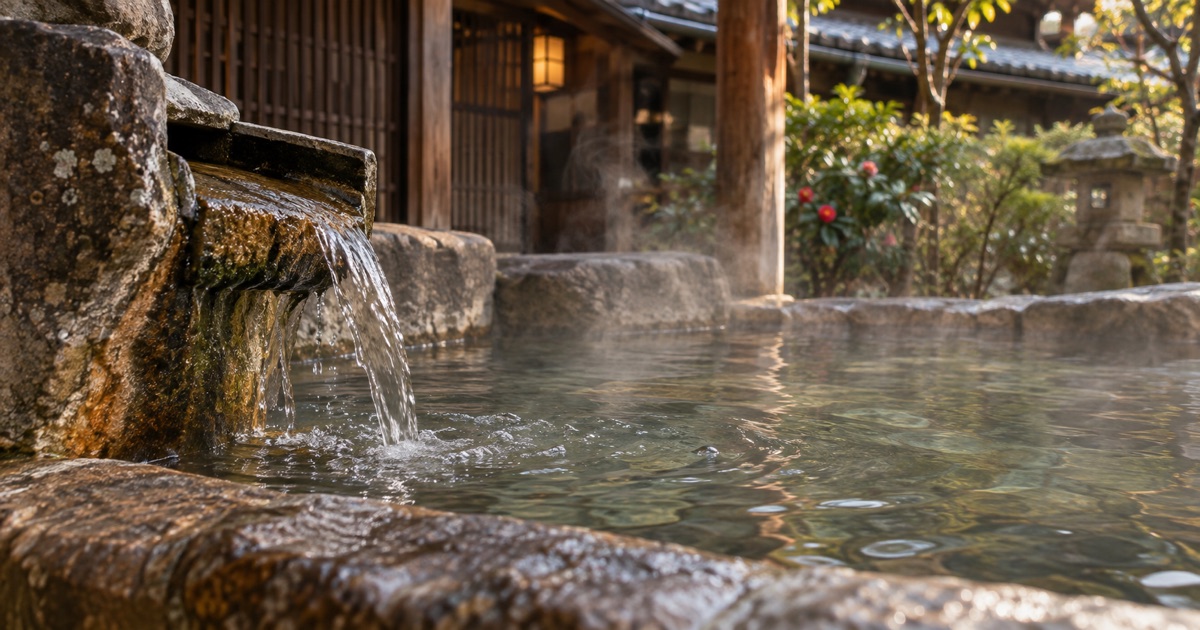
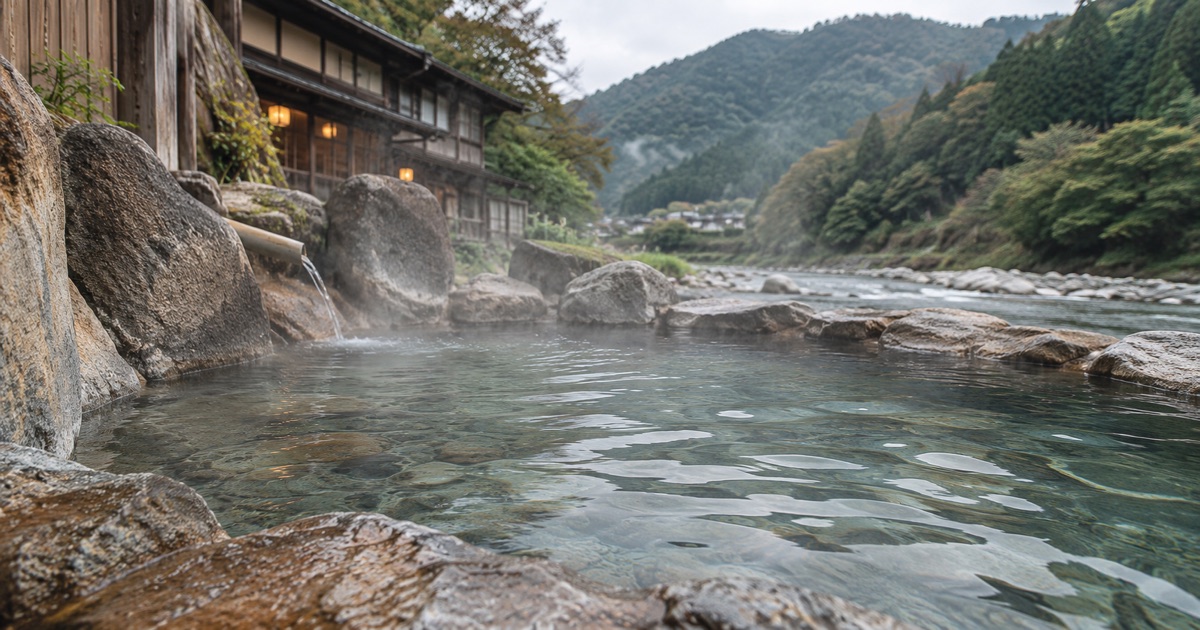
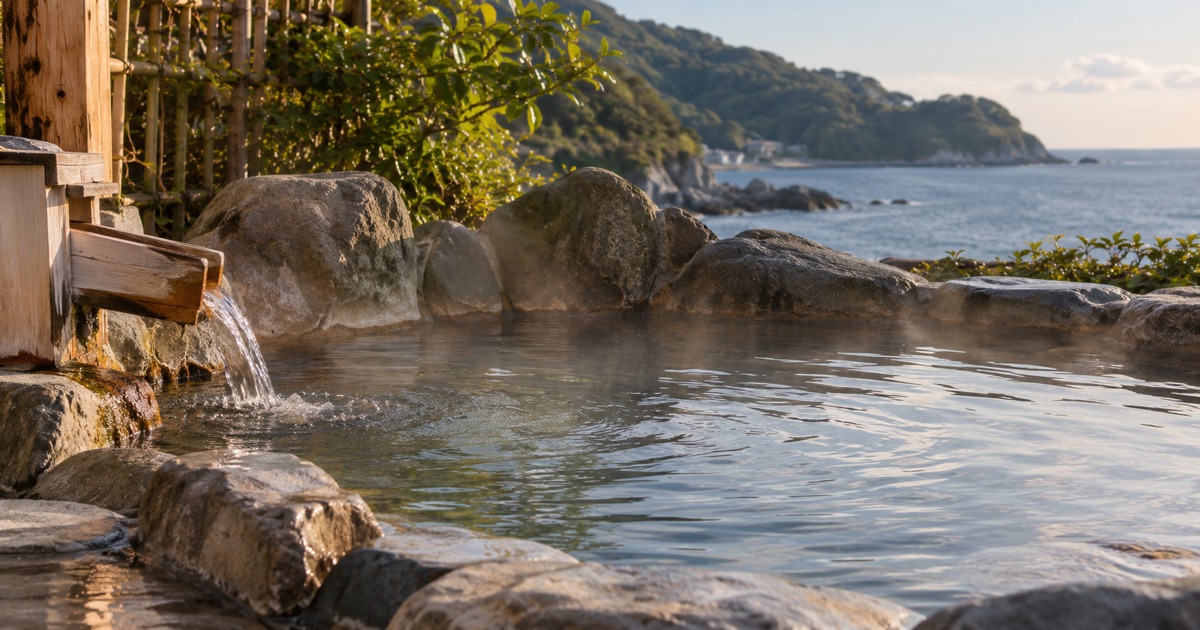
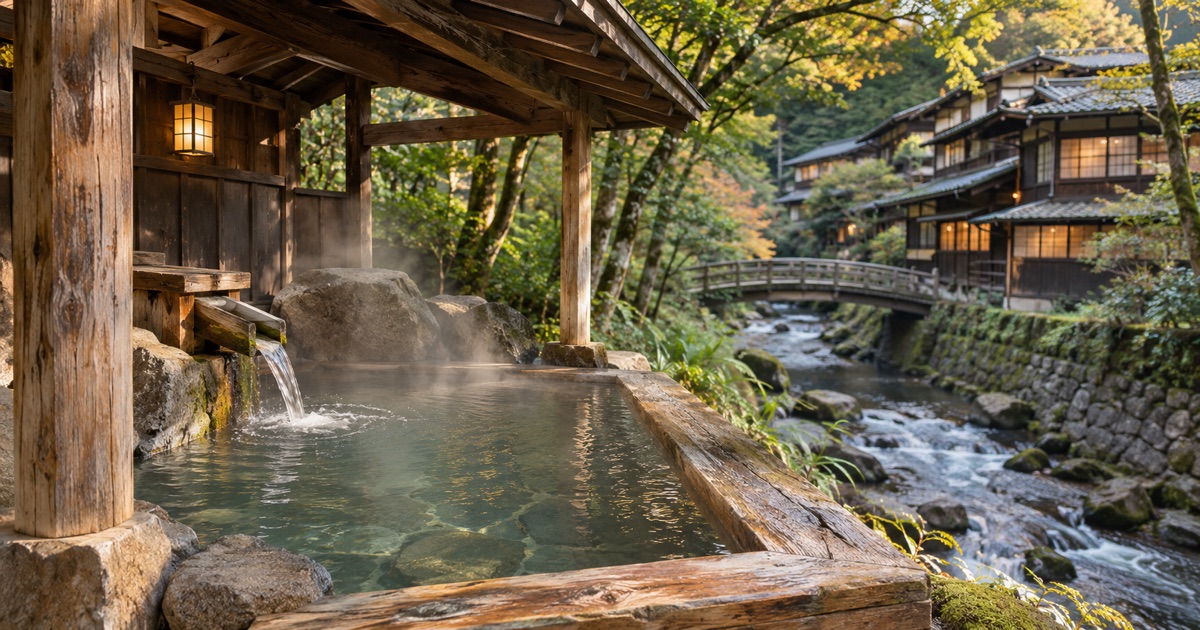
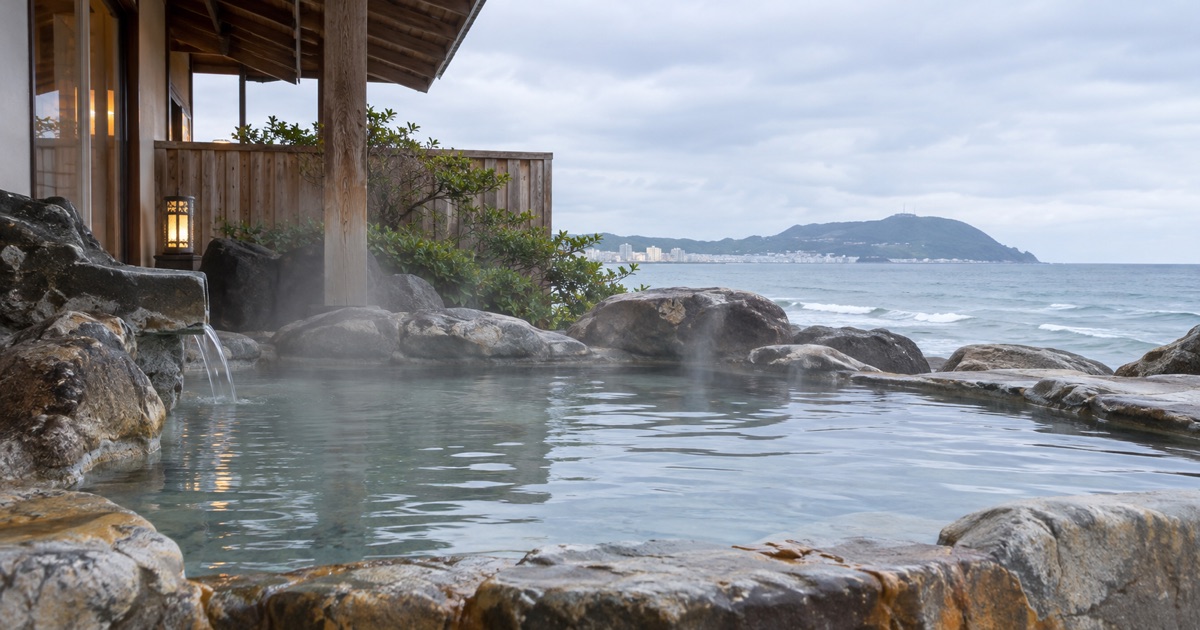
Yunokawa is Hakodate’s flagship onsen hub, dating back to the seventeenth century. Situated along the coast facing the Tsugaru Strait, this district hosts a mix of multi-story modern onsen hotels and small, historic wooden inns. Many properties feature outdoor baths (rotenburo) where guests can hear the ocean waves and watch the lights of offshore squid-fishing boats flickering on the horizon during summer and autumn. Yunokawa is exceptionally convenient, sitting directly along the city's vintage tram line.
Hakodate Bay and Station Area
If a classic ryokan is not strictly required, several modern upscale hotels around Hakodate Station (函館駅) and the Bay Area offer natural onsen baths on their upper floors. These properties bridge the gap between business hotels and traditional inns, providing western beds alongside communal hot spring facilities and panoramic city views.
How to Get to Yunokawa Onsen
Reaching your ryokan in Yunokawa is straightforward using Hakodate's public transportation network.
From Hakodate Airport (函館空港)
Yunokawa is one of the closest hot spring resorts to an airport in Japan.
- By Taxi: A taxi ride from the airport terminal to most Yunokawa ryokan takes roughly 5 to 10 minutes.
- By Bus: Local transit buses run regularly between the airport and Yunokawa, taking around 10 minutes.
From Hakodate Station (函館駅)
Hakodate Station connects southern Hokkaido to the northern Shinkansen bullet train terminus at Shin-Hakodate-Hokuto via local shuttle trains. For nationwide rail connections, consult JR East for Tohoku/Hokkaido Shinkansen lines.
- By Tram: Board the Hakodate City Tram (Line 2 or Line 5) bound for Yunokawa. Ride to the Yunokawa-Onsen (湯の川温泉) stop. The ride takes roughly 30 to 35 minutes and costs around ¥250.
- By Taxi: A direct taxi takes approximately 15 minutes, depending on traffic.
We are working to carry Japanese craft and everyday culture beyond Japan, by building Japan Towns with local partners.
Read the Japan Town plan →Step-by-Step: Staying at a Hakodate Ryokan
First-time visitors can follow this sequence to navigate a traditional ryokan stay smoothly.
1. Check-In and Footwear Exchange
Ryokan check-in typically begins between 15:00 and 16:00. At the entrance (genkan), take off your outdoor shoes and step onto the raised flooring before slipping into the provided guest slippers. Staff will direct you to the front desk and assist with your luggage.
2. Settling Into Your Room
A traditional room features woven straw tatami mat flooring, a low table, floor chairs, and sliding paper doors (shoji). Remove your indoor slippers before stepping onto the tatami. In your room's closet, you will find yukata (cotton robes) and tanzen (padded jackets in cooler months). You may wear the yukata throughout the ryokan, including to the baths and dining rooms.
3. Understanding the Meal Schedule
Most ryokan bookings include half-board: a multi-course kaiseki dinner and breakfast the following morning. Hakodate's cuisine highlights seasonal catches such as Pacific squid (ika), sea urchin (uni), salmon roe (ikura), and crab. Front desk staff will confirm your preferred meal times upon arrival. Because meals require extensive kitchen preparation, arriving later than 18:00 without prior notice may result in your dinner being forfeited.
4. Sleeping on Futons
In traditional rooms, staff lay out thick cotton futons directly on the tatami mats while you are at dinner or step out for an evening walk. If you prefer western beds, look for "Japanese-Western style" (wano-modern) rooms when booking.
Bathing Etiquette for First-Time Guests
Communal hot springs require adherence to standard customs to ensure comfort and cleanliness for all bathers.
Follow these steps before and during your bath:
- Undress Completely: In the changing area, remove all clothing and jewelry. Place items in a locker or basket. No swimwear is permitted in traditional Japanese onsen.
- Wash First: Head to the washing stalls equipped with stools, basins, shampoo, and soap. Wash and rinse your entire body thoroughly before entering any bath water.
- Keep Towels Out: You may bring a small modesty towel to the washing area, but never let it touch the communal bath water. Fold it and place it on top of your head or set it on the dry edge of the pool.
- Soak Gently: Enter the water slowly. Avoid splashing, diving, or swimming.
- Dry Off Lightly: Use your small towel to wipe off excess water in the entryway before stepping back onto the dry changing room mats.
Tattoos and Private Bathing Options
Tattoo policies vary by facility across Hakodate. Some traditional ryokan permit discreetly covered tattoos with waterproof patches, while others ask guests with visible body ink to refrain from using the large public baths. Always verify the rules directly on the property’s official website prior to booking.
For travelers who have visible tattoos, seek modesty, or travel as a couple or family, two excellent alternatives exist:
- Kashikiri (貸切風呂): These are private, reservable family baths located on-site. Some ryokan include a 45-minute slot in the room rate, while others charge an extra fee (roughly ¥2,000 to ¥4,000 per session).
- In-Room Onsen: Many upscale properties in Yunokawa feature open-air wooden or stone tubs directly on the guest room terrace, providing unlimited private soaking with complete privacy.
Practical Packing and Planning Tips
- Cash: While modern ryokan accept international credit cards, keep Japanese yen on hand for tourist tram fares, local shrines, and small purchases at traditional shops.
- Luggage: Historic ryokan rarely have extensive elevator networks or wide corridors. If carrying large hard-shell suitcases, consider using luggage delivery services (takkyubin) between major cities or leaving primary luggage at Hakodate Station lockers.
- Seasonal Weather: Winters in Hakodate are cold, icy, and snowy. Pack slip-resistant shoes for walking between the tram stops and your accommodation, as coastal sea breezes make wind chills pronounced.
- Official Resources: For regional transit alerts and municipal event schedules, check the official travel portal managed by the Japan National Tourism Organization.
Local Sights Near Yunokawa Onsen
Staying in Yunokawa allows easy access to a few distinct local attractions between morning and evening baths:
- Hakodate Tropical Botanical Garden (函館市熱帯植物園): Located within walking distance of many Yunokawa ryokan, this garden is well-known for its outdoor pool where Japanese macaques bathe in hot spring water to stay warm during winter months (typically December through May).
- Yukura Shrine (湯倉神社): Situated near the Yunokawa tram terminal, this shrine marks the legendary origin point of the hot springs, honoring the healing waters of the area.
- Hakodate Morning Market (函館朝市): Located back near Hakodate Station, this bustling market opens early daily, serving fresh seafood rice bowls (donburi) and seasonal Hokkaido produce.
FAQ
- Q. Where is the main onsen area in Hakodate?
- A. The primary hot spring area is Yunokawa Onsen (湯の川温泉), situated in the eastern district of Hakodate along the Tsugaru Strait.
- Q. Can people with tattoos use hot springs in Hakodate ryokan?
- A. Policies vary by property, with some public baths prohibiting visible ink; travelers with tattoos should book rooms with private baths or reserve rental family baths.
- Q. How do you get from Hakodate Station to Yunokawa Onsen?
- A. Take the Hakodate City Tram from Hakodate Station to Yunokawa-Onsen stop, a journey that takes roughly 30 minutes.
Cite or share this article
Copy the link below. If you quote this article, please link to this page as the source.