Niigata Onsen Town Guide: Best Hot Springs & Access
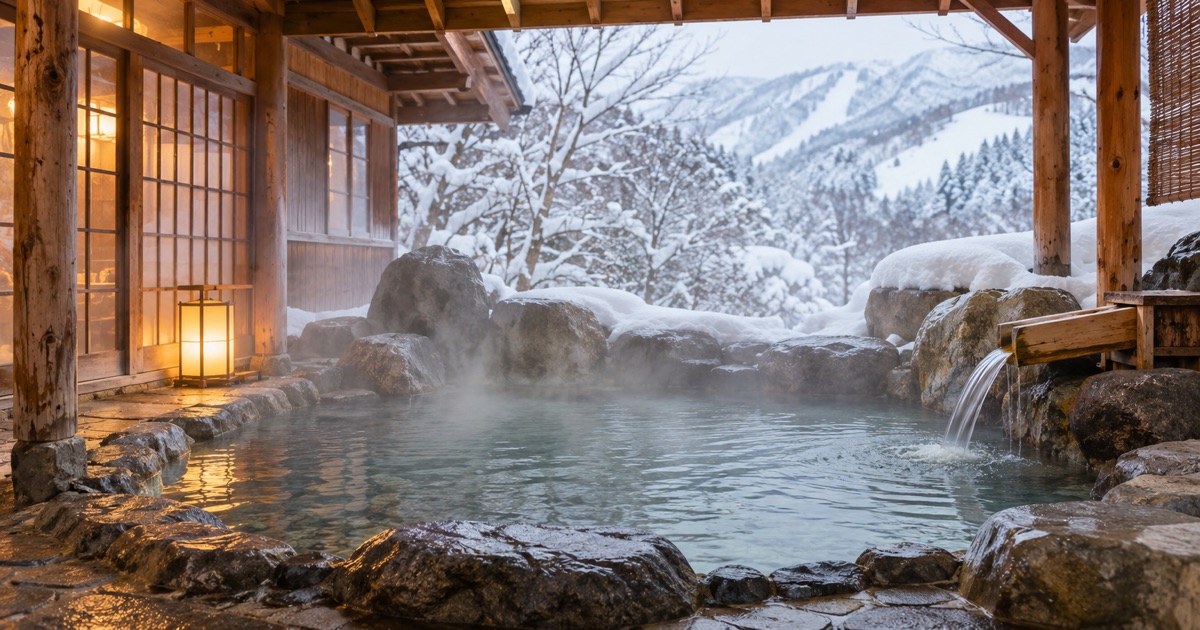
Key takeaways
- Echigo-Yuzawa offers the fastest access from Tokyo, reaching hot spring resorts in roughly 70 to 90 minutes by Shinkansen.
- Tsukioka Onsen features distinctive emerald-green, sulfur-rich waters and a walkable traditional village atmosphere.
- Myoko Kogen combines high-altitude onsen bathing with winter skiing and outdoor hiking along volcanic slopes.
Niigata Prefecture is one of Japan's premier hot spring regions, home to famous resort hubs like Echigo-Yuzawa, Tsukioka, and Myoko. Whether you are looking for snow-surrounded mountain baths or coastal mineral springs, selecting the right Niigata onsen town depends on your transit preferences, travel season, and bathing priorities.
Known historically as Yukiguni (Snow Country), Niigata pairs heavy winter snowfall with geothermal springs, premium rice cultivation, and local sake production. For visitors coming from Tokyo, reaching these spa towns is remarkably straightforward, offering some of the quickest rural getaways accessible via Japan’s bullet train network.
Top Niigata Onsen Towns to Visit
Echigo-Yuzawa Onsen (越後湯沢温泉)
Echigo-Yuzawa serves as the primary gateway to Niigata’s alpine hot springs. Popularized in Yasunari Kawabata’s famous novel Snow Country, this bustling resort town surrounds Echigo-Yuzawa Station. It offers an effortless blend of historic ryokan, modern ski resorts, and convenient day-use baths.
Because of its rail links, it is ideal for first-time visitors to Japan who want an authentic hot spring experience without complex rural bus connections. Inside the station itself, you can even sample local bath culture alongside sake-tasting facilities before checking into your inn.
Tsukioka Onsen (月岡温泉)
Located in Shibata City northeast of Niigata City, Tsukioka Onsen is renowned for its distinctive emerald-green waters. The water is rich in sulfur, creating an unmistakable aroma and leaving the skin feeling remarkably smooth.
Tsukioka features an atmospheric town center designed for strolling in a yukata (cotton kimono). Along the main street, visitors will find artisan shops offering rice crackers, local sake, and footbaths (ashi-yu). It delivers a quieter, more traditional village ambiance compared to the larger mountain transit centers.
Myoko Kogen Onsenkyo (妙高高原温泉郷)
Clustered around the base of Mount Myoko, this area encompasses several distinct hot spring hamlets, including Akakura Onsen and Ikenotaira Onsen. Drawing spring water directly from volcanic sources, each small village features different mineral compositions, ranging from clear alkaline water to cloudy mineral streams.
Myoko is particularly popular among outdoor enthusiasts. In winter, powder skiing dominates the region, while spring and autumn draw hikers exploring the scenic highland trails.
Senami Onsen (瀬波温泉)
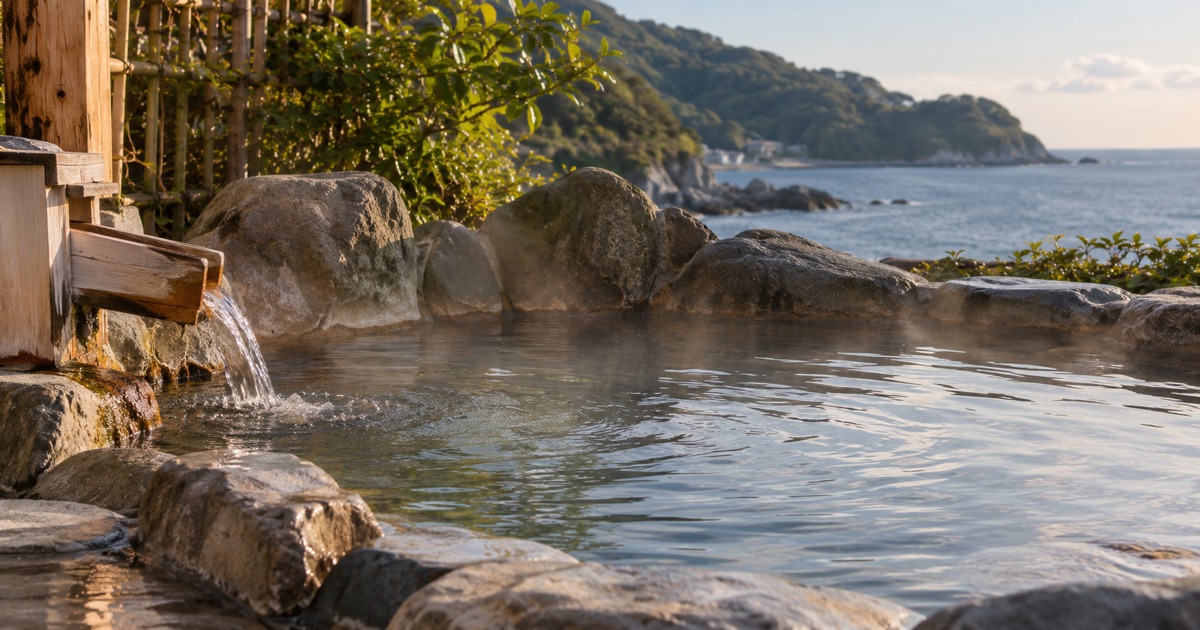
Perched along the Sea of Japan coastline in northern Niigata, Senami Onsen offers a completely different landscape from the snowy peaks of the interior. Many coastal ryokan feature open-air baths (rotenburo) positioned directly facing the sea, where guests can watch the sun set over the water while soaking.
Local legend notes that the original spring bubbled up in the early 1900s, and visitors today often participate in the tradition of boiling fresh eggs in dedicated hot spring water pits near the shore.
How to Get to Niigata's Hot Spring Resorts
Niigata's transit infrastructure is robust, but travel times vary considerably between mountain transit hubs and remote coastal villages.
Traveling by Train
The Joetsu Shinkansen operated by JR East is the spine of travel through the region:
- To Echigo-Yuzawa: Direct bullet train services from Tokyo Station take roughly 70 to 90 minutes.
- To Tsukioka: Take the Joetsu Shinkansen to Niigata Station (around 2 hours), transfer to the JR Hakushin Line for Toyosaka Station (roughly 20 minutes), and take an official shuttle bus to the onsen town (around 20 minutes).
- To Myoko Kogen: Take the Hokuriku Shinkansen from Tokyo to Nagano or Joetsumyoko Station, then transfer to local scenic rail lines such as the Echigo Tokimeki Railway.
For route details and ticket reservations, consult transit resources through the Japan National Tourism Organization before traveling.
Local Buses and Shuttles
Many ryokan outside the main station hubs operate private guest shuttle services (sougei). These often require advance reservation via email or their official booking platforms. Where shuttles are unavailable, local municipal buses connect train stations to the bath villages. Always keep cash on hand, as some rural bus operators do not accept IC cards like Suica or Pasmo.
We are working to carry Japanese craft and everyday culture beyond Japan, by building Japan Towns with local partners.
Read the Japan Town plan →Essential Onsen Etiquette for First-Time Bathers
Bathing in Japan follows specific cultural traditions. Knowing the steps in advance makes the experience stress-free.
- Entering the Facility: Remove outdoor footwear at the entrance or changing area and place them in designated lockers or shelves.
- Changing Area: Completely disrobe in the locker room. Swimwear, underwear, and shoes are never allowed inside the actual bathing area. Place clothing and personal valuables in a locker or basket.
- Wash Before Soaking: Walk into the washing area, take a seat on a plastic stool at an individual shower station, and wash your hair and body thoroughly with soap before entering any bath. Rinse all soap away completely.
- Entering the Water: Ease into the bath slowly. Never dive, jump, or splash.
- The Modesty Towel: You may carry a small hand towel into the bath area for privacy while walking. However, this towel must never touch the communal bathwater. Place it on the edge of the tub or fold it on top of your head while soaking.
- Drying Off: Before stepping back onto the changing room mats, use your small towel to wipe off as much water as possible to keep the floors dry for others.
Practical Tips for Your Visit
Tattoos in Niigata Onsen
Japanese public baths traditionally prohibit visible tattoos due to historical associations with organized crime. In international ski-resort areas like Echigo-Yuzawa and Myoko, some modern facilities have relaxed these rules or sell waterproof cover-up patches.
If you have extensive tattoos, the most stress-free option is booking a ryokan that features private rental baths (kashikiri-buro) or reserving a guest room with an attached private open-air bath. Polices vary widely between properties, so confirm regulations on each facility's official website prior to arrival.
What to Bring
- Cash: Smaller day-use facilities (higaeri onsen) frequently use coin-operated ticket vending machines that do not accept credit cards.
- 100-yen Coins: Changing room lockers and shoe storage often require a refundable 100-yen deposit.
- Towel Set: While ryokan provide towels for overnight guests, budget day-use bathhouses may charge a small fee (around 200 to 500 yen) for rental face and bath towels. Bringing a compact travel towel can save costs.
- Moisturizer: High-mineral baths, especially sulfur or alkaline waters, can dry out sensitive skin. Packing a gentle lotion is recommended.
Seasonal Timing
Winter (December to March) offers the classic "snow-viewing bath" (yukimi-buro) experience, but requires cold-weather clothing and snow-rated footwear to navigate icy town streets. Summer and autumn bring pleasant hiking temperatures, lush greenery, and harvest festivals celebrated with freshly brewed Niigata sake.
Operating hours, admission fees, and maintenance schedules can change without notice. Check the official website of your chosen onsen facility or ryokan before setting out to confirm day-use availability and current transit timetables.
FAQ
- Q. Can travellers with visible tattoos use hot springs in Niigata onsen towns?
- A. Rules vary significantly by facility. While traditional public baths often prohibit visible tattoos, many ryokan offer private rental baths (kashikiri) or in-room baths where tattoos are entirely acceptable. Always verify the policy directly on the accommodation's official website.
- Q. How do you reach Niigata's main onsen towns from Tokyo?
- A. Echigo-Yuzawa is directly connected via the Joetsu Shinkansen from Tokyo Station in roughly 70 to 90 minutes. Other areas, like Tsukioka or Myoko Kogen, require a Shinkansen transfer to local trains or highway buses, adding 1 to 2 hours of travel time.
- Q. What should first-time visitors pack for a day trip to an onsen?
- A. Carry a small modesty towel, a coin pouch for lockers (often requiring a 100-yen coin deposit), cash for admission tickets, and a plastic bag for wet items. Basic soap and shampoo are usually provided on-site.
Cite or share this article
Copy the link below. If you quote this article, please link to this page as the source.