Nikko Onsen: A First-Timer's Guide to Hot Springs Near the Shrines
Key takeaways
- Nikko's main onsen areas are Kinugawa Onsen and Yumoto Onsen, both reachable from Nikko's shrine area by bus or train.
- A day trip from Tokyo combining shrines and a day-use bath is possible, but an overnight stay allows a more relaxed soak.
- Tattoo and bathing-suit policies vary by facility, so always check the specific inn or bathhouse website before visiting.
What Is Nikko Onsen?
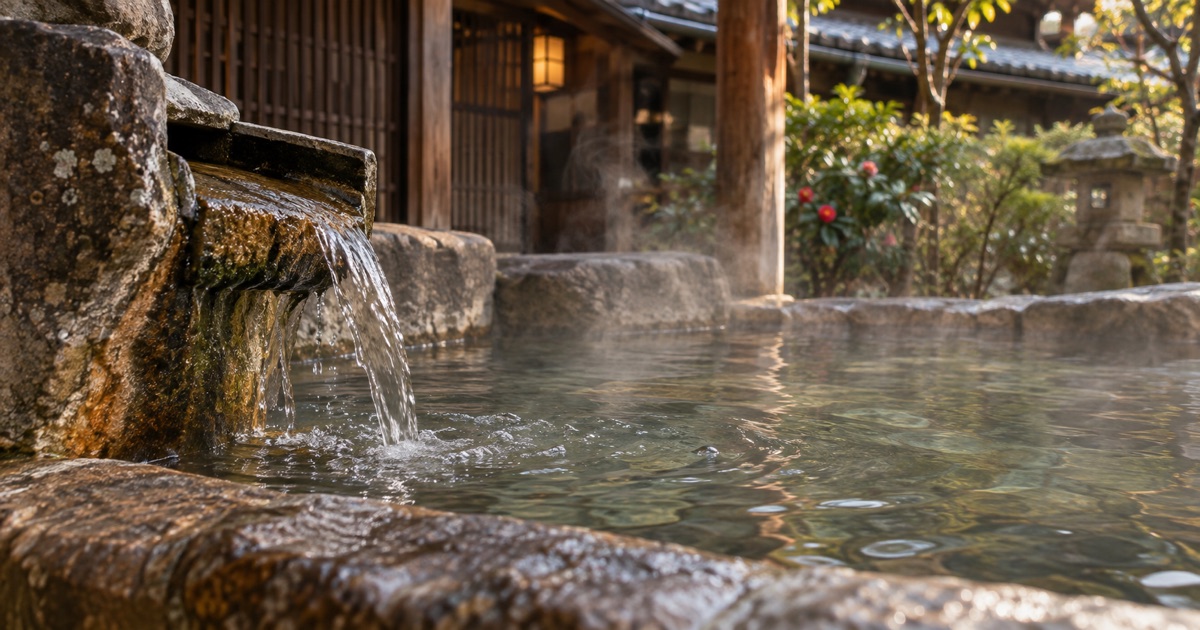
"Nikko onsen" is not one single hot spring but a general term for the hot spring areas around Nikko (日光), a mountain town in Tochigi Prefecture famous for its UNESCO-listed shrines and temples. The two main hot spring areas worth knowing are Kinugawa Onsen (鬼怒川温泉), a large riverside resort town, and Yumoto Onsen (湯元温泉), a smaller, more traditional spot high in the mountains near Lake Chuzenji. Both can be visited as part of a Nikko trip, though they require separate travel from the shrine area.
This guide explains where each onsen area is, how to get there, what to expect, and basic etiquette for first-time visitors who don't read Japanese.
Kinugawa Onsen: The Easier Option
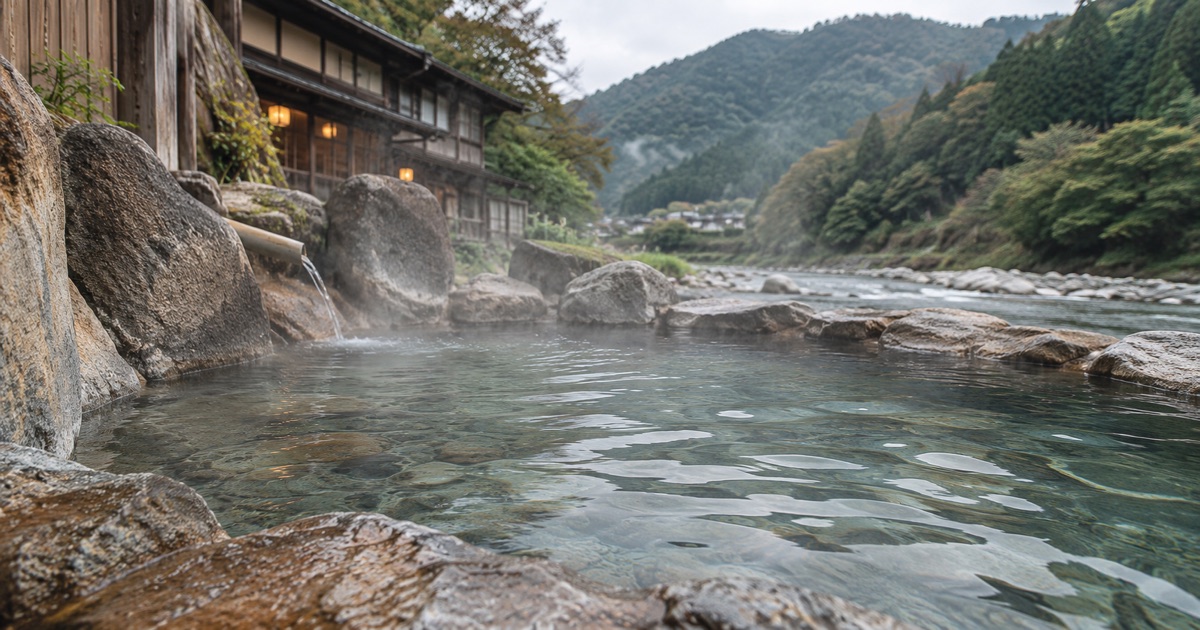
Kinugawa Onsen is the more accessible of the two, located along the Kinugawa River roughly 20-30 minutes by train from central Nikko (where Tobu Nikko Station and the shrine area are located). It's a well-established hot spring resort town with a number of hotels and ryokan, many of which have river-view baths.
Getting There
From Tokyo, the Tobu Railway network runs direct limited express trains from Asakusa Station to Kinugawa-Onsen Station, taking roughly 2 hours depending on the train. Alternatively, travelers often combine a Shinkansen ride to Nikko-area stations with local Tobu lines. Because routing and ticket types can be confusing for first-timers, it's worth checking current options on the Japan National Tourism Organization site or a rail operator's English page before booking.
If you're coming from Nikko's shrine area rather than Tokyo, local Tobu trains connect Tobu Nikko Station to Kinugawa-Onsen Station in well under an hour.
What to Expect
Kinugawa Onsen has a mix of large hotels with day-use bathing options and smaller ryokan. Many hotels welcome day visitors for a few hours in exchange for a bathing fee, though hours and availability can change seasonally, so check the specific hotel's own website rather than assuming walk-in access. Expect classic Japanese onsen architecture, river views from some baths, and a town built primarily around hot spring tourism, with shops and casual dining near the station.
We are working to carry Japanese craft and everyday culture beyond Japan, by building Japan Towns with local partners.
Read the Japan Town plan →Yumoto Onsen: Smaller and More Remote
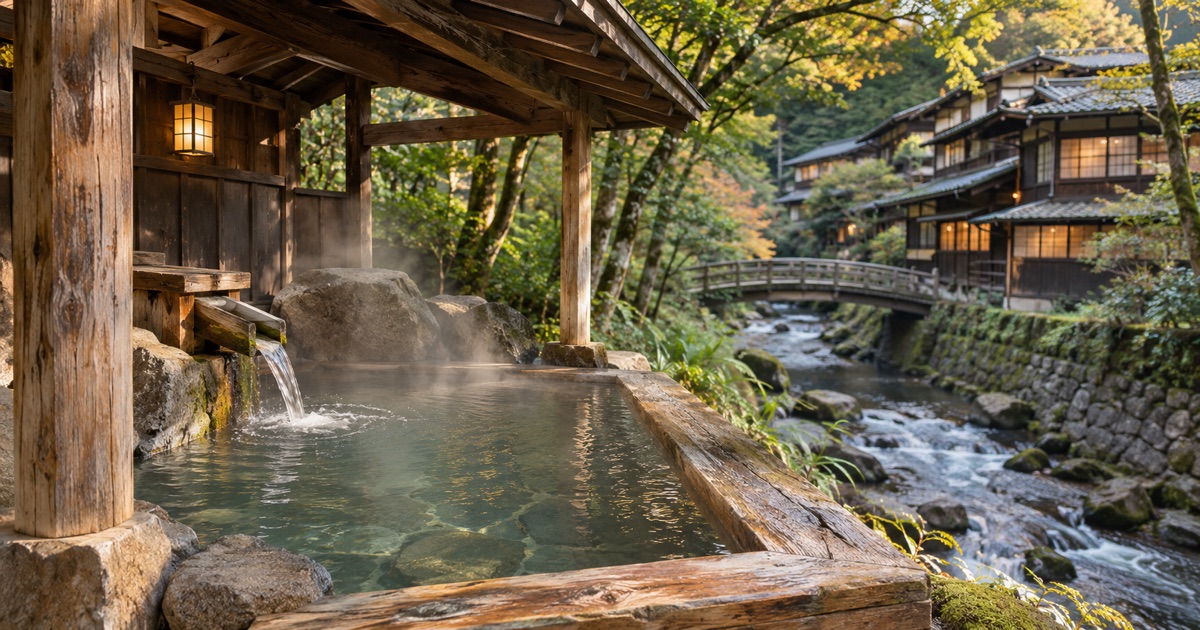
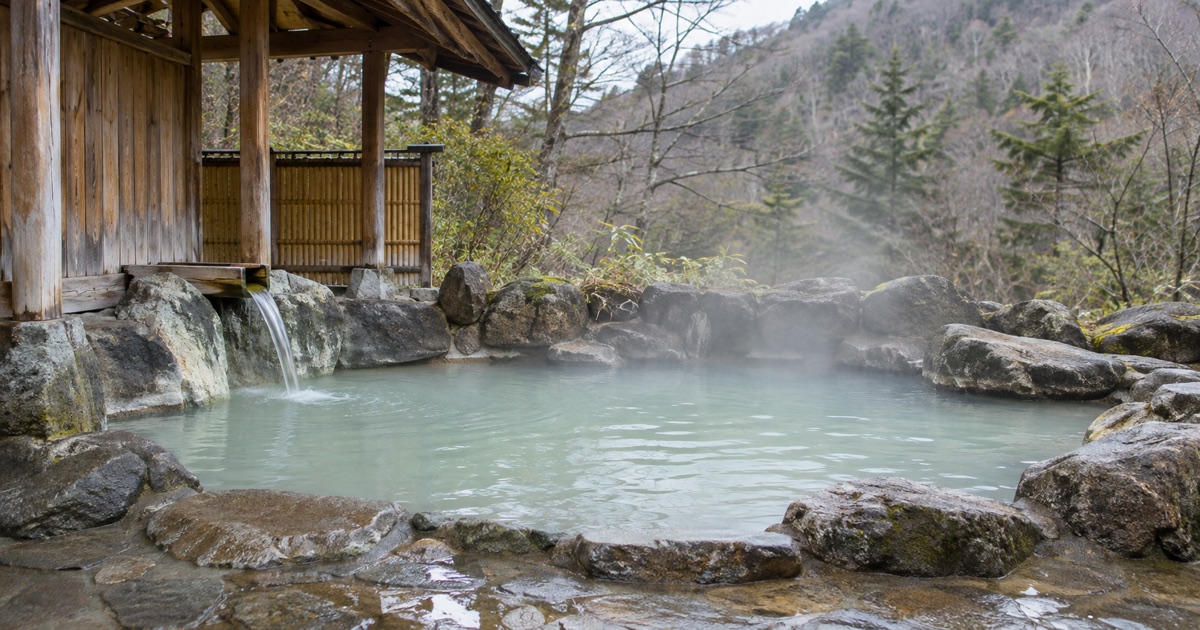
Yumoto Onsen sits near Lake Chuzenji and Lake Yunoko, deep in the mountains above central Nikko, and has a reputation as one of the older, more rustic hot spring areas in the region. It has a milky, slightly sulphurous water type that many visitors find distinct from the clearer waters at Kinugawa.
Getting There
Yumoto Onsen is reached by bus from Tobu Nikko Station or JR Nikko Station, typically taking around 1 to 1.5 hours depending on traffic and the route, since the road climbs through the scenic but winding Irohazaka slope past Lake Chuzenji. Buses run on a set schedule that can vary by season, so check current timetables locally or via the bus operator rather than relying on old information.
Because of the travel time, Yumoto Onsen is better suited to an overnight stay or a full-day outing rather than a quick add-on to a shrine visit.
What to Expect
Yumoto Onsen is a small, quiet town with a handful of ryokan and inns, many offering both overnight stays and day-use bathing. The pace here is slower than Kinugawa, and it's a good option for travelers who want a more traditional, low-key onsen experience away from crowds. Facilities are smaller, so advance booking is recommended, especially for day-use baths during weekends or peak autumn foliage season.
Planning Your Trip: Day Trip or Overnight?
A single-day visit to Nikko typically focuses on the shrines (Toshogu and the surrounding complex), which alone can take a half-day to explore properly. Adding a soak at Kinugawa Onsen is realistic if you start early, since it's close to the shrine area. Reaching Yumoto Onsen and getting back the same day is possible but tight, particularly outside of peak transport frequency, so many visitors choose to stay overnight in either Kinugawa or Yumoto to avoid rushing.
Rough Timing From Tokyo
- Tokyo to Nikko shrine area: roughly 2 to 2.5 hours by train
- Nikko shrine area to Kinugawa Onsen: roughly 20-30 minutes by local train
- Nikko shrine area to Yumoto Onsen: roughly 1 to 1.5 hours by bus
These are approximate and can shift with train type, bus traffic, and season, so confirm current times before you travel.
What to Bring and Common Mistakes
- Bring cash. Smaller ryokan and bus fares in particular may not accept cards.
- Bring or rent a small towel. Larger hotels often sell or rent towels, but smaller inns may not, so pack a small one just in case.
- Don't assume day-use bathing is always available. Some ryokan reserve baths for overnight guests only, especially during busy seasons. Always check the facility's own website or call ahead.
- Don't underestimate the Irohazaka road to Yumoto. It's scenic but winding, and travel times can lengthen significantly during autumn leaf-viewing season due to traffic.
- Check tattoo policies individually. Some onsen facilities in Japan restrict visible tattoos, while others are more relaxed or offer private bathing options. Policies differ by facility in the Nikko area just as elsewhere in Japan, so check each hotel or bathhouse's website in advance rather than assuming a blanket rule.
Basic Onsen Etiquette
Whichever onsen you choose, the core etiquette is the same across Japan: wash and rinse thoroughly at the shower stations before entering the bath, keep long hair tied up and out of the water, and don't bring towels into the bath water itself. Most public and ryokan baths are gender-separated, and bathing is typically done without swimwear, though some day-use or family bath facilities allow swimwear—again, check the specific facility's rules in advance. Large tattoos may need to be covered or may restrict entry at some baths, so if you have visible tattoos, it's worth checking ahead or looking for private bath options.
For general travel planning in Japan, including rail passes and seasonal transport information, the Japan National Tourism Organization site is a reliable starting point.
Nikko's hot springs make a natural extension to a shrine-focused trip, whether you want a quick riverside soak at Kinugawa Onsen on a day trip or a slower, overnight stay at the mountain retreat of Yumoto Onsen.
FAQ
- Q. Is Nikko onsen a single hot spring town?
- A. No. "Nikko onsen" refers broadly to several hot spring areas in the Nikko region, mainly Kinugawa Onsen and Yumoto Onsen, which sit in different locations and are reached by different routes.
- Q. Can I visit Nikko onsen as a day trip from Tokyo?
- A. Yes, it is possible, especially to Kinugawa Onsen, which has day-use bath facilities, but travel time to and from Tokyo plus sightseeing at the shrines can make for a long day.
- Q. Do I need to bring my own towel?
- A. Small towels are often sold or rented at larger bathhouses and hotels, but it is safer to bring a small towel and a larger one for drying off, especially at smaller or more rural facilities.
Cite or share this article
Copy the link below. If you quote this article, please link to this page as the source.