Onsen Near Namba Chuo Ward Osaka: Best Baths & Sento
Key takeaways
- Authentic natural onsen and sento are located within 5 to 20 minutes of Namba Station.
- Most urban bathhouses provide amenities, but bring a small hand towel or buy one at check-in.
- Tattoo rules vary strictly by facility, so check official policies in advance.
Finding an onsen near Namba in Chuo Ward, Osaka is easy, with authentic natural hot springs and traditional bathhouses located just 5 to 20 minutes away by foot or subway. While central Namba is famous for neon lights and street food, several urban mineral baths and sento offer deep relaxation right on its doorstep.
Whether you seek a multi-floor thermal complex or an authentic neighborhood public bathhouse, this guide breaks down the best options around Namba, along with practical steps for first-time visitors who do not speak Japanese.
Understanding Baths in Central Osaka: Onsen vs. Sento
Before heading out, it helps to understand what kind of bath you are visiting. In Japan, bathhouses fall into distinct categories:
- Natural Onsen (温泉): Facilities that use geothermally heated groundwater containing official mineral thresholds designated by Japanese law.
- Super Sento (スーパー銭湯): Large, modern wellness facilities featuring multiple bath styles, saunas, relaxation lounges, and dining areas. Some pump genuine onsen water from deep underground, while others use filtered tap water enriched with minerals or micro-bubbles.
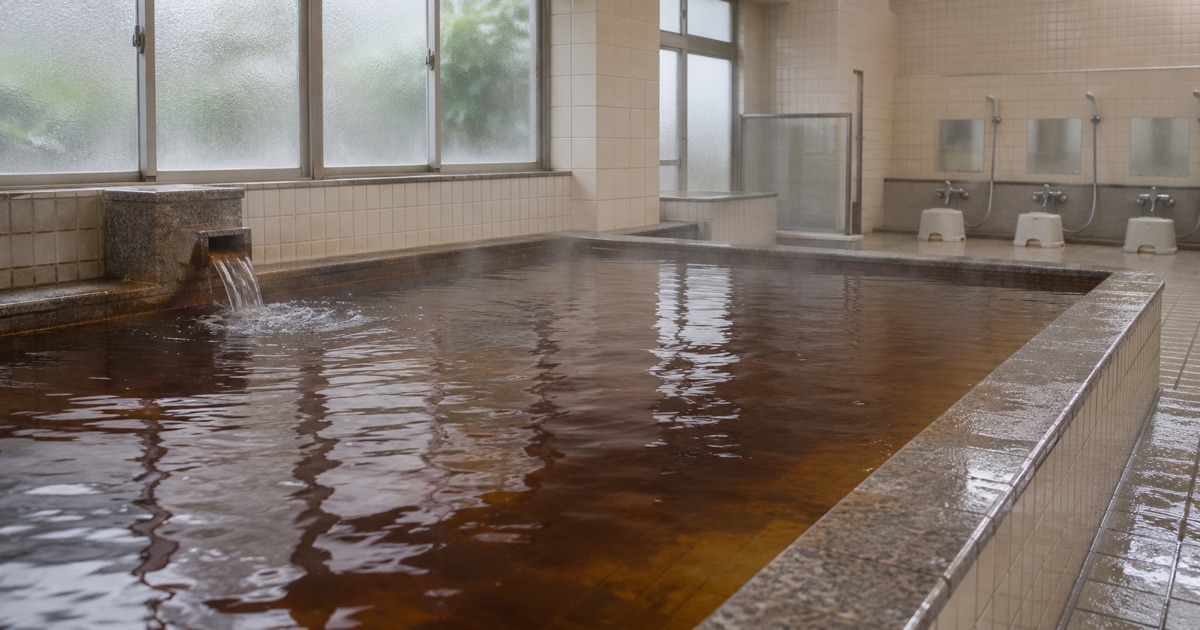
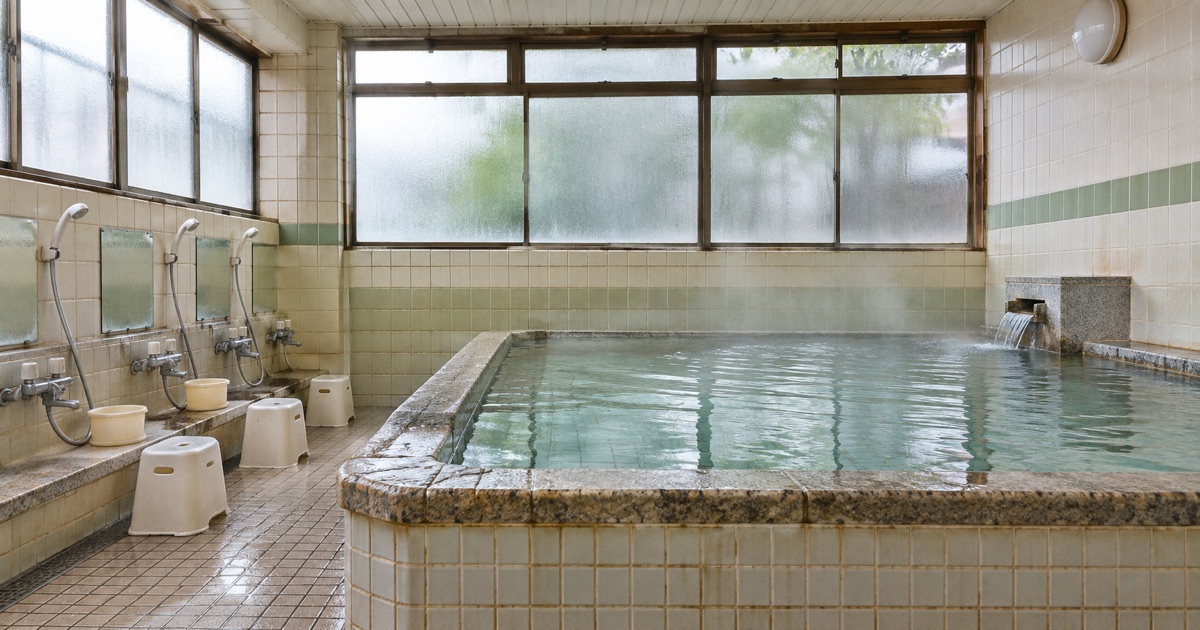
- Sento (銭湯): Traditional, community-focused neighborhood bathhouses. These are generally compact, use heated city water, charge a regulated flat entry fee, and provide a glimpse into daily local life.
Both styles require washing your entire body thoroughly before entering the soaking pools, and both require entering the water completely unclothed.
Top Hot Springs and Bathhouses Close to Namba
Here are the most accessible bathhouses and hot springs situated in or immediately adjacent to Namba and Chuo Ward.
Spa World Onsen from Namba (Tennoji / Shinsekai)
Located just two stops south of Namba on the Osaka Metro Midosuji Line, Spa World (スパワールド) in Shinsekai is one of Osaka's most famous bathing destinations. It is a massive complex featuring themed indoor and outdoor baths modeled after European and Asian historic bath cultures. The facility uses natural mineral-rich water pumped from deep underground.
- Access: Take the Osaka Metro Midosuji Line from Namba Station (なんば駅) to Dobutsuen-Mae Station (動物園前駅). The journey takes around 5 minutes, followed by a short walk from Exit 5.
- Atmosphere: Expansive, lively, and family-friendly with saunas, resting areas, and casual eateries.
- Estimated Cost: Entry tickets generally range from roughly 1,500 to 2,500 yen depending on the day and season, with additional charges for stone saunas (ganbanyoku). Check their official site before visiting, as pricing and seasonal pool access change.
Naniwa no Yu (Kita Ward, Short Transit from Chuo Ward)
Although located in Kita Ward, Natural Hot Spring Naniwa no Yu (天然温泉 なにわの湯) is easily reached from Namba via the Sakaisuji Line. It is a genuine natural onsen tapped from subterranean rock layers deep below the city. The rooftop open-air bath (rotenburo) lets you soak under the open sky while watching planes descend into Osaka International (Itami) Airport.
- Access: From Namba Station, take the Sennichimae Line to Nippombashi Station (日本橋駅), transfer to the Sakaisuji Line, and ride to Tenjimbashisuji 6-chome Station (天神橋筋六丁目駅). From Exit 5, it is roughly an 8-minute walk. Total transit time is about 20 minutes.
- Atmosphere: Modern rooftop super sento with limestone baths, jet streams, and dry saunas.
- Estimated Cost: Admission runs around 900 to 1,100 yen.
Kamigata Onsen Ikkyu (Konohana Ward)
For travelers willing to take a quick train ride west of Namba, Kamigata Onsen Ikkyu (上方温泉 一休) offers an authentic open-air hot spring experience that feels like a rural retreat. The baths use 100% natural thermal water, featuring wooden soaking tubs and stone gardens surrounded by natural foliage.
- Access: From Osaka-Namba Station, take the Hanshin Namba Line to Nishikujo Station, then board the local city bus or shuttle toward the facility. Total travel takes around 25 to 30 minutes. You can check transit connections via JR West.
- Atmosphere: Traditional Japanese aesthetic with quiet garden baths.
- Estimated Cost: General adult admission is roughly 800 to 1,000 yen.
Traditional Sento Near Namba (Dotonbori and Shinsaibashi)
If you prefer an authentic local bath within walking distance of your hotel in Chuo Ward, several neighborhood sento operate in the alleyways near Dotonbori, Nippombashi, and Shinsaibashi. While most sento use heated tap water rather than mineral onsen water, they offer high water temperatures, nostalgic tile art, and an intimate cultural experience. Sento fees are regulated across Osaka Prefecture at roughly 500 yen per adult.
We are working to carry Japanese craft and everyday culture beyond Japan, by building Japan Towns with local partners.
Read the Japan Town plan →How to Visit an Osaka Bathhouse: Step-by-Step
Visiting a bathhouse without reading Japanese is straightforward when you know the sequence:
- Remove Your Shoes: Place your footwear into the shoe lockers near the entrance, lock the door, and keep the wooden or plastic locker key with you.
- Purchase an Admission Ticket: Use the automatic ticket vending machine (kenbaiki) or pay the clerk at the counter (front or bandai). Machines often feature English button toggles. Hand over your ticket along with your shoe key if requested.
- Enter the Correct Changing Room: Look for the fabric curtain (noren). Red or pink curtains marked with the character 女 indicate the women’s section; blue curtains marked with 男 indicate the men’s section.
- Undress Completely: Place all clothing, jewelry, watches, and large towels into a locker. Take only your small washcloth into the bathing area.
- Wash Before Soaking: Sit down at an open washing stall equipped with a stool and basin. Wash your hair and body thoroughly, and rinse off all soap foam before stepping into any communal pool.
- Soak and Relax: Step slowly into the pools. Do not let your hair or small hand towel touch the bathwater (most bathers fold the damp towel on top of their head).
- Dry Off Before Returning to the Lockers: Before stepping back onto the changing room floor, wring out your small towel and wipe excess moisture from your skin to keep the locker area dry.
Packing List and Amenities
To ensure a smooth visit, prepare the following items:
- Small Washcloth / Hand Towel: Used for washing and modesty while walking between pools. Super sento often sell them for roughly 200 yen; traditional sento require you to bring your own or buy one.
- Bath Towel: Used to dry off in the locker room. You can bring one from your accommodation.
- Coins (100 Yen Coins): Many shoe lockers and clothes lockers require a 100-yen coin deposit, which is returned when you unlock the door.
- Toiletries: Super sento generally supply free body soap and shampoo at each washing station. Traditional neighborhood sento often sell mini travel bottles at the front desk for roughly 50 to 100 yen.
Important Rules: Tattoos, Etiquette, and Photography
Public bathing facilities in Osaka adhere to standard cultural rules:
- Tattoo Policies: Japanese bathhouse rules on tattoos vary significantly. Traditional municipal sento frequently welcome tattooed bathers without restriction. Conversely, major super sento complexes often maintain strict bans or allow entry only if tattoos can be completely concealed using waterproof flesh-colored patches. Always confirm the specific policy on the facility's official website before arriving.
- No Cameras or Phones: Photography and mobile phone use are strictly prohibited inside changing rooms and bathing zones. Keep devices stored securely inside your locker.
- No Swimming or Diving: The pools are meant for calm, silent soaking. Avoid splashing or swimming.
- Hydration: High water temperatures can cause dehydration quickly. Drink a glass of water from the lobby vending machines before and after your bath.
For wider regional travel guidelines, check the official resources at the Japan National Tourism Organization. By following these basic guidelines, enjoying a hot spring or public bath near Namba is an accessible, refreshing addition to any Osaka itinerary.
FAQ
- Q. Are there natural hot springs directly inside Namba?
- A. While true geothermal natural springs are limited directly in central Namba, several super sento and spa complexes within a short subway ride pump authentic mineral water from underground deep wells.
- Q. Can I enter public baths near Namba if I have tattoos?
- A. Policies vary significantly. Traditional neighborhood sento often permit tattoos, whereas modern super sento and spa complexes generally enforce a strict ban or require waterproof covering patches.
- Q. What should I bring to an onsen or sento in Osaka?
- A. Most modern facilities provide basic body soap and shampoo, but you should bring your own hand towel and bath towel or expect to purchase or rent them at the front desk.
Cite or share this article
Copy the link below. If you quote this article, please link to this page as the source.